Source Ankle Collar for Medical, Sports, and Industrial Uses
Compare 30 Ankle Collar options from verified suppliers offering customization and various materials like cotton and foam. Buyers can review specifications, pricing, and lead times to find the right fit for medical, sports, or industrial applications; compare the available evidence and request quotations based on your requirements.
Key considerations
Products List


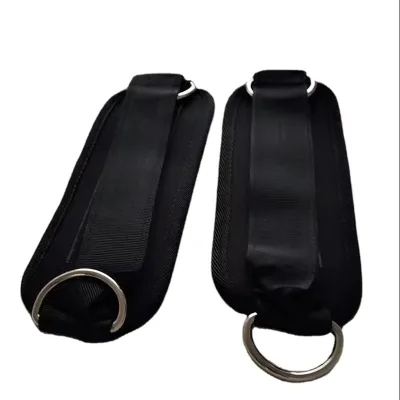


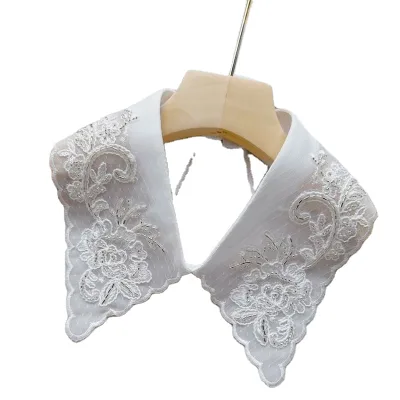


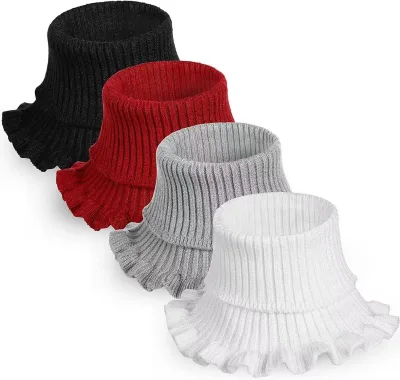

Comprehensive Sourcing Guide
Ankle Collar Sourcing Guide
Sourcing ankle collars requires a nuanced understanding of the diverse product landscape, which spans from medical orthopedic supports to industrial mechanical components. Buyers must first distinguish between soft goods designed for human wear and rigid hardware intended for machinery. The market presents a wide array of materials, including cotton cloth, foam, and alloy steel, each serving distinct functional purposes. Understanding this dichotomy is the first step in defining procurement requirements accurately.
Procurement teams should align their search with the specific end-use application. Medical-grade collars typically prioritize comfort, breathability, and hypoallergenic properties, often utilizing cotton or foam blends. In contrast, industrial applications may demand high-strength metal components capable of withstanding significant mechanical stress. Clarifying the intended use case early in the sourcing process prevents misalignment between supplier capabilities and buyer expectations, ensuring that the selected product meets the necessary performance criteria.
Product Scope and Observed Listing Signals
The observed market signals indicate a broad spectrum of product attributes, ranging from soft textile-based supports to rigid mechanical shafts. Listings frequently highlight materials such as 100% cotton cloth and cotton foam, suggesting a strong presence of comfort-oriented orthopedic products. These items often feature customizable colors like blue and white or white and skin tone, catering to aesthetic preferences in medical or consumer markets. The presence of individually packed cellophane bags further suggests a focus on hygiene and retail-ready presentation for these softer variants.
Conversely, other listings point toward industrial applications, featuring alloy steel and metal materials with specific mechanical properties. These products often emphasize structural integrity, with attributes like stiffness, rigid axles, and hollow axis designs. Buyers should note the variation in packaging, from simple cartons to protective wood boxes, which correlates with the fragility and value of the item. Recognizing these distinct product scopes allows buyers to filter suppliers effectively and avoid confusion between medical supplies and industrial hardware.
Technical Specifications to Verify
When evaluating ankle collars, buyers must verify critical technical specifications that dictate fit and function. For textile-based collars, key parameters include material composition, such as the ratio of cotton to foam, and dimensional standards like small, medium, and large sizes. It is essential to confirm the flexibility of the structure and whether the product offers ventilation features to enhance user comfort during extended wear. Additionally, verifying the presence of reusable characteristics ensures that the product meets durability expectations for long-term use.
For mechanical or industrial variants, precision is paramount. Buyers should inspect specifications related to journal diameter dimensional accuracy, often falling within the It6-It9 tolerance range, and surface roughness values between 2.5-0.63μM. The axis shape, whether straight or hollow, and the shaft shape must align with the specific machinery requirements. Confirming the load capacity, such as drive shaft applications, and the stiffness of the component ensures that the product can withstand operational stresses without failure.
Compliance and Safety Documentation
Compliance documentation varies significantly depending on the product type. For medical or personal care ankle collars, certifications such as FDA and ISO CE are critical indicators of safety and quality. Buyers should request evidence of these certifications to ensure the product meets regulatory standards for materials in contact with skin. The absence of ethylene oxide sterilization or disinfection treatments should be clearly documented, as this impacts storage and handling requirements for sterile environments.
In industrial contexts, compliance often revolves around international standards for mechanical parts. Certifications like RoHS, CE, and various national standards (BS, ANSI, JIS, GB, GOST, ASTM, DIN) demonstrate adherence to manufacturing quality and environmental regulations. Buyers must verify that the supplier can provide valid certificates for the specific models being purchased. Ensuring that the product is labeled as standard or nonstandard helps in aligning with local regulatory frameworks and industry best practices.
Cost Drivers and Commercial Terms
Cost drivers for ankle collars include material selection, customization levels, and packaging complexity. Soft goods made from cotton and foam may have lower base costs but can increase in price with custom colors or specialized packaging like individually wrapped cellophane. Industrial metal components, however, are driven by raw material costs, machining precision, and surface treatments such as zinc plating or black oxide. Buyers should anticipate price variations based on the complexity of the manufacturing process and the volume of the order.
Commercial terms also play a significant role in total cost of ownership. Minimum order quantities (MOQ) can range widely, from single samples to thousands of units, affecting unit pricing. Lead times, typically observed between 10 to 20 days, impact inventory planning and supply chain resilience. Buyers should negotiate clear terms regarding sample availability, OEM capabilities, and delivery schedules to mitigate risks associated with supply chain disruptions and ensure timely project completion.
Supplier Qualification and Quality Control
Supplier qualification begins with verifying their ability to meet specific customization and OEM requirements. Buyers should assess the supplier’s production capacity and quality control processes, particularly for products requiring precise dimensional accuracy or specific material compositions. For textile products, checking for consistent color matching and material integrity is vital. For metal components, verifying surface treatment quality and dimensional tolerances ensures that the parts will function correctly in their intended application.
Quality control measures should include pre-shipment inspections and adherence to agreed-upon standards. Buyers should request detailed product descriptions that match the physical items received, including accurate model numbers and standard classifications. Establishing a clear communication channel for addressing defects or discrepancies is essential. Suppliers who provide comprehensive documentation and are transparent about their manufacturing processes are more likely to deliver consistent quality and reliable service over time.
Long-Term Procurement Checks
Long-term procurement success depends on continuous monitoring of supplier performance and product consistency. Buyers should regularly review supplier adherence to delivery times and quality standards, particularly for high-volume or critical applications. Establishing key performance indicators (KPIs) for defect rates and response times helps in maintaining high standards. Regular audits or sample testing can ensure that the products continue to meet the specified technical and compliance requirements over time.
Additionally, buyers should stay informed about changes in regulatory standards and market trends that may impact product availability or cost. Building a diversified supplier base can mitigate risks associated with single-source dependencies. Engaging in strategic partnerships with suppliers who demonstrate innovation and reliability can lead to better pricing, improved product quality, and enhanced support. Continuous evaluation and relationship management are key to sustaining a robust and efficient procurement process for ankle collars.
FAQs
Can I get samples of the Ankle Collar before ordering?
Yes, samples are provided for this product line. You can request a sample to verify quality and specifications before committing to a larger bulk order. This allows you to assess the material and customization options available from the manufacturer.
What materials are used to make the Ankle Collar?
The product is constructed from 100% cotton cloth, cotton foam, or a combination of foam and cotton. These materials ensure comfort and flexibility. The specific material composition depends on the model selected, such as HF JT01 or HF Z-1.
Which certifications does the Ankle Collar hold?
The product holds FDA and ISOCE certifications for safety and quality standards. Additional certifications like ISOGS, RoHS, and CE may apply depending on the specific variant. These ensure the product meets international regulatory requirements for medical or industrial use.
How long is the delivery time for bulk orders?
The standard delivery time ranges from 10 to 20 days after order confirmation. This lead time applies to the production and shipping process from the origin in China. Specific timelines may vary based on order volume and customization requirements.
What is the minimum order quantity for this product?
The minimum order quantity varies between 1 and 2500 units depending on the supplier and product model. Some vendors offer low MOQs for sampling, while others require higher volumes for standard pricing. Check specific listings for exact thresholds.
Can the Ankle Collar be customized for specific needs?
Yes, customization is available for this product line. Buyers can request specific colors, sizes, or packaging options like individual cellophane wrapping. OEM services are also offered to tailor the product to your brand or functional requirements.
What is the price range for the Ankle Collar?
The observed price range for the product is between 0.1 and 5 USD per unit. Actual pricing depends on the quantity ordered, material selection, and customization level. Bulk orders typically benefit from lower unit costs within this observed range.