Source Ankle Pain Relief Walking Boot for fractures, post-op, and sprains
Find 30 verified suppliers offering Ankle Pain Relief Walking Boot options for fracture fixation, post-operative recovery, and sprain protection. Compare models like ASN-20 and FG-4002 with CE and ISO certifications to find the right brace for your needs.
Key considerations
Products List








Comprehensive Sourcing Guide
Ankle Pain Relief Walking Boot Sourcing Guide
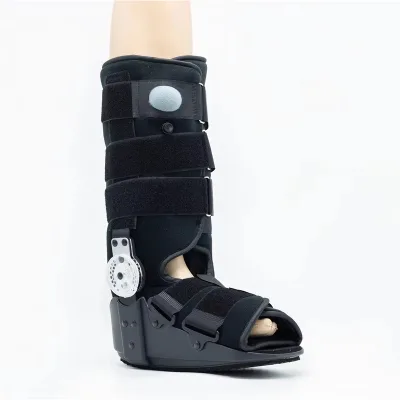
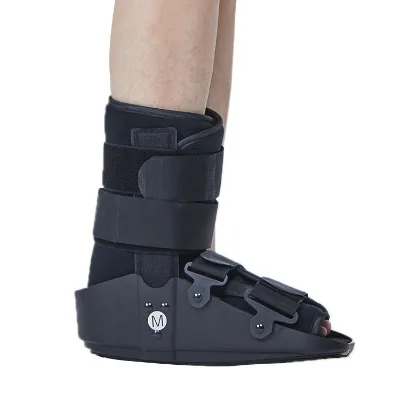
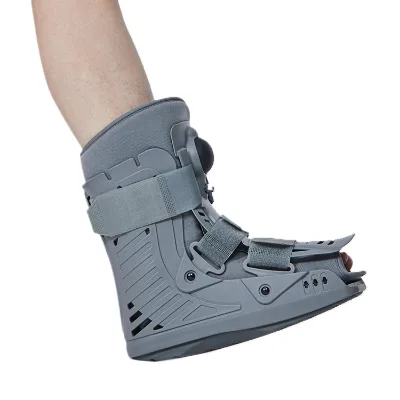
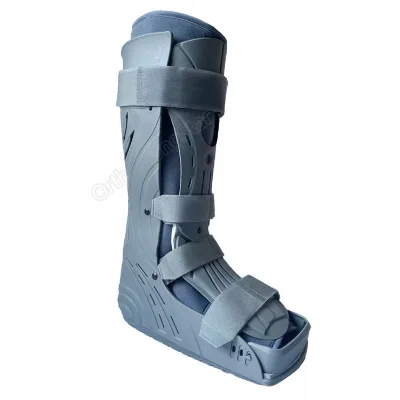
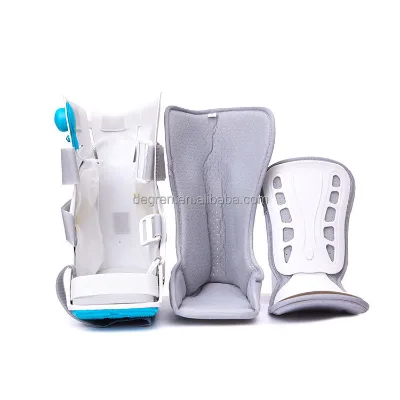
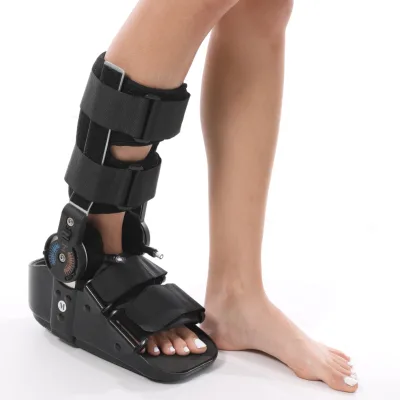
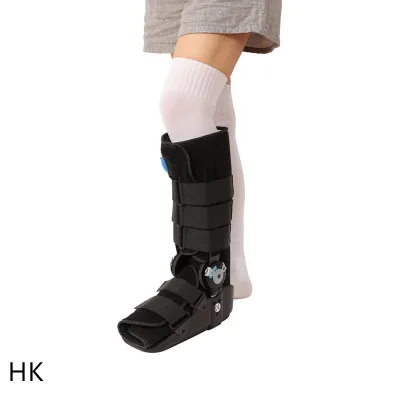
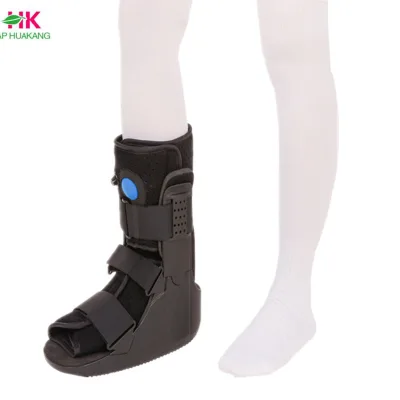
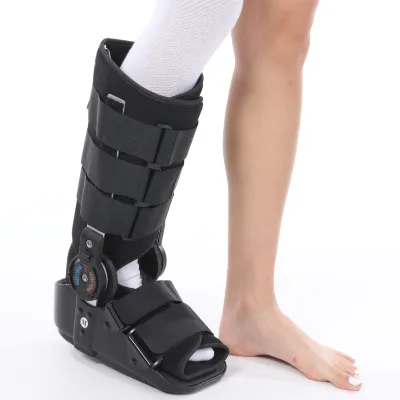
Procuring orthopedic walking boots requires a disciplined approach to balancing clinical efficacy with commercial viability. These devices are primarily designed to immobilize and protect the ankle, facilitating recovery from fractures, sprains, and post-operative conditions. Buyers must navigate a market where product attributes vary significantly, ranging from rigid external fixators to softer foam-based braces. The core keyword, "Ankle Pain Relief Walking Boot," encompasses a broad spectrum of solutions, including cam walkers, air casts, and foam ankle boots. Each variant serves a distinct therapeutic purpose, and understanding these distinctions is critical for aligning procurement with specific medical or retail requirements.
The sourcing landscape is characterized by a wide range of price points and minimum order quantities (MOQs). Observed data indicates a price range from $2.6 to $50 USD, with MOQs varying from as low as 1 piece to 1,000 pieces. This disparity suggests a market segmented by both volume and customization levels. Low-cost, high-volume items often lack extensive customization, while premium options may offer OEM/ODM services and specialized packaging. Buyers must clearly define their target market—whether it is clinical distribution, retail pharmacy, or private label branding—to select the appropriate supplier tier and negotiate terms that reflect the desired level of service and product complexity.
Product Scope and Observed Listing Signals
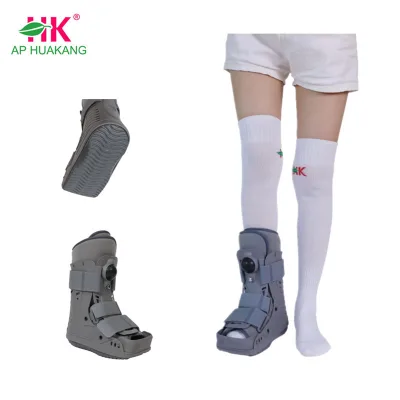
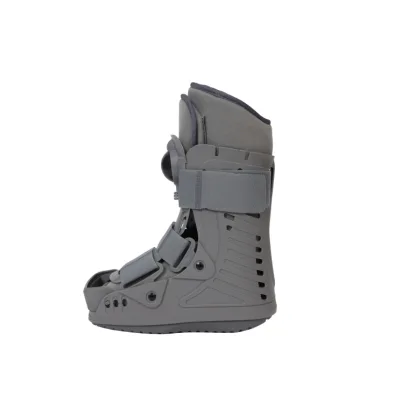
The product scope for ankle pain relief walking boots includes various types of orthopedic supports, such as external fixators, walker braces, and foam ankle boots. Specific models observed in the market include the ASN-20, ASN-17, FG-4002, and FG-W002. These products are typically constructed from materials like neoprene, sponge, and plastic, chosen for their durability, comfort, and protective qualities. The color options generally include black, gray, and customizable shades, allowing for brand differentiation. Understanding the material composition is essential, as it directly impacts the boot’s breathability, weight, and suitability for long-term wear.
Listing signals reveal significant variation in product features and intended use cases. Some products are marketed specifically for fracture fixation, while others focus on general protection, rehabilitation, or decreasing pain symptoms. For instance, the FG-4002 is described as a foam ankle walker boot designed to decrease pain symptoms, whereas the FG-W002 is an orthopedic ankle air cast cam walker boot for post-operative use. These distinctions highlight the importance of verifying the specific function of each model. Buyers should not assume that all walking boots offer the same level of immobilization or support; instead, they must match the product’s stated function, such as "protection" or "rehabilitation," with their clinical or commercial needs.
Technical Specifications to Verify
Technical specifications form the backbone of product quality and user satisfaction. Key attributes to verify include size availability, which typically ranges from S to XL, ensuring a fit for diverse patient demographics. The single package dimensions and gross weight are also critical for logistics planning; for example, the FG-4002 has a single package size of 30x12x34 cm and a gross weight of 0.94 kg. These metrics influence shipping costs and storage requirements. Buyers must confirm these details for each SKU, as variations in packaging and weight can significantly impact the total landed cost and supply chain efficiency.
Material and construction details are equally important. Products may be made from neoprene, sponge, or plastic, each offering different benefits in terms of flexibility and support. The ASN-20, for instance, is made from neoprene, while the FG-4002 combines sponge and plastic. Buyers should assess whether the material aligns with the intended use, such as comfort for long-term wear or rigidity for fracture fixation. Additionally, features like "comfortable, convenient, durable" should be validated through sample testing. Customization options, including logo placement and packaging, are often available, allowing brands to tailor products to their market. However, these customizations may affect lead times and MOQs, so they must be factored into the procurement timeline.
Compliance and Safety Documentation
Compliance is non-negotiable in the medical device sector. Buyers must verify that suppliers hold relevant certifications, such as CE, ISO, FDA, and ISO13485. These certifications indicate that the manufacturer adheres to international quality management and safety standards. The FG-4002 and FG-W002 models, for example, are associated with CE and ISO13485 certifications. It is crucial to confirm the validity and scope of these certificates, as they directly impact the product’s marketability in regulated regions. Buyers should request copies of these documents and verify their authenticity with the issuing bodies to mitigate compliance risks.
Instrument classification is another critical compliance factor. Products are often classified as Class I medical devices, which implies a lower risk profile but still requires strict adherence to quality standards. The ASN-17, for instance, is classified as a Class I instrument. Buyers must ensure that the product’s classification aligns with local regulatory requirements in their target markets. Additionally, quality certifications such as ISO13485 demonstrate a commitment to consistent quality management. Buyers should assess the supplier’s quality management system to ensure it covers the entire production process, from raw material sourcing to final packaging. This due diligence helps prevent regulatory hurdles and ensures that the products meet the necessary safety and performance standards.
Cost Drivers and Commercial Terms
Cost drivers in the walking boot market include material costs, customization levels, and order volume. The observed price range of $2.6 to $50 USD reflects these variations. Basic models with standard packaging and no customization tend to be on the lower end of the spectrum, while customized products with OEM/ODM services command higher prices. Buyers should analyze the cost structure to understand the value proposition of each option. For instance, the FG-4002 has an MOQ of 100 pieces, while the FG-W002 has an MOQ of 20 pieces. These MOQs influence the initial investment and inventory risk.
Commercial terms such as payment methods and sample times are also key considerations. The FG-4002 requires a 50% T/T advance payment, which is a common term in B2B transactions. Sample times, typically around 7 days, allow buyers to evaluate product quality before committing to large orders. Buyers should negotiate terms that align with their cash flow and risk tolerance. Additionally, packaging options, such as customized packaging or standard cartons (e.g., 50 PCS/Carton for the ASN-20), can affect costs. Buyers must balance the desire for brand differentiation with the associated expenses, ensuring that the total cost remains competitive in their target market.
Supplier Qualification and Quality Control
Supplier qualification is a critical step in mitigating procurement risks. Buyers should assess the supplier’s production capabilities, quality control processes, and track record. The ASN brand and OneBrace are examples of brands observed in the market, but buyers should not rely solely on brand names. Instead, they should conduct thorough due diligence, including factory audits and reviews of past performance. Suppliers that offer OEM/ODM services, such as those accepting custom logos and packaging, often have more flexible production lines, which can be advantageous for branded products.
Quality control measures should be clearly defined and enforced. Buyers should request quality assurance protocols, including inspection criteria and testing procedures. The FG-4002 and FG-W002 models, for example, are described as providing professional protection and rehabilitation functions. Buyers should verify that these claims are supported by rigorous testing and quality checks. Additionally, suppliers should provide clear documentation of their quality management systems, such as ISO13485 certification. Establishing a strong relationship with the supplier, including regular communication and feedback loops, can help ensure consistent product quality and timely delivery.
Long-Term Procurement Checks
Long-term procurement success depends on continuous monitoring and adaptation. Buyers should regularly review supplier performance, including on-time delivery, product quality, and responsiveness to issues. The market for ankle pain relief walking boots is dynamic, with evolving regulations and consumer preferences. Buyers must stay informed about changes in compliance requirements, such as new CE or FDA regulations, and adjust their sourcing strategies accordingly. Regular audits and performance reviews help identify potential risks and opportunities for improvement.
Additionally, buyers should explore opportunities for product innovation and customization. The availability of customizable materials, colors, and packaging allows for differentiation in a competitive market. Buyers should work closely with suppliers to develop products that meet specific customer needs, such as enhanced comfort or improved durability. By fostering a collaborative relationship with suppliers, buyers can leverage their expertise to drive innovation and maintain a competitive edge. Long-term procurement checks should also include market analysis to identify emerging trends and adjust inventory levels accordingly, ensuring that the product portfolio remains relevant and profitable.
FAQs
What certifications do these ankle pain relief walking boots have?
These boots carry CE, ISO, and FDA certifications to ensure safety and compliance. Some models specifically hold ISO13485 quality certification for medical devices. Buyers should verify the specific certificate type required for their target market before ordering.
Can I customize the logo and packaging for these boots?
Yes, customization is available for both logos and packaging on these products. Suppliers accept OEM and ODM requests with custom logo options. Buyers can also request customized packaging solutions to meet specific branding or shipping requirements.
What is the minimum order quantity for these walking boots?
The minimum order quantity varies by supplier, ranging from 20 pieces to 1000 pieces. Some listings specify an MOQ of 100 pieces while others accept orders as low as 20 pieces. Buyers should confirm the specific MOQ with the chosen manufacturer.
How long does it take to receive samples of these boots?
Sample time is typically around 7 days for these orthopedic walking boots. This duration allows for the preparation of the specific model requested by the buyer. Expedited options may be available depending on the supplier's current production capacity.
Which materials are used to construct these ankle pain relief boots?
These boots are constructed from materials like neoprene, sponge, and plastic for durability and comfort. Some models offer customizable material options to suit specific patient needs. The combination ensures the device is lightweight yet provides necessary support for fractures.
What is the typical price range for these walking boots?
The observed price range for these products is between 2.6 and 50 USD per unit. Pricing depends on the specific model, material, and customization level selected. Buyers should request a detailed quote based on their required quantity and specifications.