Source Annealed Surgical Titanium Wire for medical implants, dental tools, and industrial sensors
Find 30 listings for Annealed Surgical Titanium Wire suitable for medical implants, dental tools, and industrial sensors. Buyers can compare specifications including diameter, tolerance, and surface finish from suppliers in China.
Key considerations
Products List


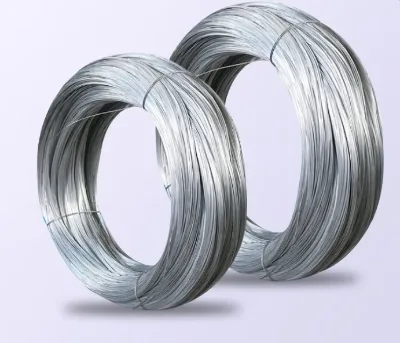


Top Quality Nitinol Alloy Nickle Titanium Wire for Medical Applications
$0.25 - $1.20
MOQ: 1000 Meters



Comprehensive Sourcing Guide
Sourcing Annealed Surgical Titanium Wire: A Comprehensive Procurement Guide
Understanding Material Properties and Technical Specifications
When sourcing Annealed Surgical Titanium Wire, the primary objective is to secure a material that balances biocompatibility with the necessary mechanical flexibility for medical device manufacturing. The core material for this application is typically pure titanium or specific titanium alloys, often designated as GR23 or TC4 ELI in industrial contexts. The "annealed" condition, frequently denoted by the code (M) in technical datasheets, is critical as it provides a soft temper state. This condition ensures the wire possesses high ductility and formability, which are essential for processes like coiling, bending, and forming complex surgical instruments or implants without cracking.
The physical form of the wire is generally round, with a diameter tolerance that must be tightly controlled to ensure consistent performance in surgical applications. Buyers should look for specifications where the diameter range spans from 0.1mm up to 6.0mm or even 8.0mm depending on the specific device requirements. In high-precision surgical contexts, diameter tolerances as tight as ±0.005mm or standard ISO fit classes like H6 and H7 are often observed. The surface finish is another critical technical attribute; a bright surface is standard for surgical wire to minimize friction and facilitate cleaning. The wire is typically supplied in spool-wound formats, though straight wire and custom-cut lengths are also available options.
| Attribute | Typical Observation | Procurement Verification Point |
|---|---|---|
| Material Grade | Pure Titanium, GR23, TC4 ELI | Verify specific alloy composition against ASTM F136 or F67. |
| Condition | Annealed (M) | Confirm temper state (Soft, Half Hard, Full Hard) matches device needs. |
| Shape | Round | Check cross-sectional roundness and surface uniformity. |
| Diameter Range | 0.1mm – 8.0mm | Validate tolerance bands (e.g., ±0.005mm or H6/H7). |
| Surface Finish | Bright Surface | Inspect for scratches, pits, or oxidation that could affect biocompatibility. |
| Supply Form | Spool Wound | Confirm spool type (DIN, Wooden Case) and packaging integrity. |
Compliance, Certification, and Traceability Standards
In the medical device sector, compliance is not merely a regulatory hurdle but a fundamental component of product safety. Sourcing Annealed Surgical Titanium Wire requires strict adherence to international standards that govern material purity, chemical composition, and mechanical properties. The most relevant standards often cited for surgical titanium include ASTM F136 for titanium alloy for surgical implant applications, ASTM F67 for unalloyed titanium, and ASTM F1472 for titanium alloys. Additionally, ISO standards such as ISO 9001 for quality management and ISO 13485 for medical devices are frequently referenced to ensure the manufacturing process meets rigorous quality controls.
Traceability is a non-negotiable aspect of surgical wire procurement. Buyers must verify that the supplier provides an EN 10204 3.1 Certificate. This document offers a certified test report that traces the material back to the specific heat lot, confirming that the chemical and mechanical properties match the ordered specifications. Without this level of traceability, the material cannot be reliably used in implantable devices where failure could have catastrophic consequences. Furthermore, while many suppliers claim ISO certification, buyers should explicitly request proof of certification validity and scope, ensuring it covers the specific manufacturing processes involved in producing the wire.
Cost Drivers and Economic Factors
The cost of Annealed Surgical Titanium Wire is influenced by a complex interplay of material costs, processing techniques, and order volume. The base price of titanium fluctuates with global market conditions, but the processing method significantly impacts the final unit cost. Techniques such as cold rolling, hot rolling, and forging are employed to achieve the desired mechanical properties and dimensions. Cold-rolled wire often commands a premium due to the tighter tolerances and superior surface finish it provides compared to hot-rolled alternatives. The annealing process itself adds a layer of cost, as it requires precise thermal treatment to achieve the soft temper required for surgical applications.
Order volume plays a substantial role in pricing. While some suppliers may offer a minimum order quantity (MOQ) as low as 1kg for prototyping or small-batch medical devices, larger production runs often require an MOQ of 50kg or more. The price range for these products can vary widely, from approximately $0.10 to $395 per unit depending on the diameter, alloy grade, and quantity. Buyers should be aware that custom services, such as cutting to fixed lengths or specifying custom diameters, will incur additional charges. Packaging also affects cost; medical-grade export packaging, often involving wooden cases or specific spool configurations, is more expensive than standard industrial packaging but is necessary to maintain sterility and prevent damage during transit.
Typical Applications in Medical and Industrial Sectors
Annealed Surgical Titanium Wire finds its most critical application in the medical industry, where its biocompatibility and corrosion resistance are paramount. It is extensively used in the manufacturing of orthopedic implants, such as bone screws, plates, and spinal fixation devices. The wire's ability to be formed into complex shapes without losing its structural integrity makes it ideal for surgical sutures, stents, and guidewires used in minimally invasive procedures. The specific alloy grades, such as GR23 (Ti-6Al-4V ELI), are preferred for these applications due to their excellent fatigue resistance and biocompatibility.
Beyond direct surgical implants, the wire is utilized in various industrial applications that require high reliability and resistance to harsh environments. These include components for aerospace engineering, chemical processing equipment, and high-performance automotive parts. The "Industrial, Medical" application tag often seen in product listings reflects this dual utility. In industrial settings, the wire's high strength-to-weight ratio and resistance to corrosion make it suitable for fasteners and springs in demanding environments. However, when sourcing for medical use, the distinction between industrial-grade and medical-grade material is crucial, as the latter requires stricter controls on impurities and surface finish to ensure patient safety.
Supplier Evaluation and Sourcing Strategy
Evaluating a supplier for surgical titanium wire requires a multi-faceted approach that goes beyond price comparison. Buyers should prioritize suppliers who demonstrate a "Fully Independent Processing" capability, meaning they control the entire production chain from raw material melting to final wire drawing and annealing. This vertical integration reduces the risk of contamination and ensures consistent quality. Geographic location is also a factor; major production hubs for titanium wire are located in regions like Changzhou and Baoji in China, where a mature supply chain exists. However, buyers must verify the specific origin and ensure that the supplier's facilities meet international quality standards.
The supplier's ability to offer customization is another key evaluation criterion. Surgical devices often require unique specifications, such as custom diameters, lengths, or specific temper conditions. A capable supplier will offer services like custom cutting and tailored packaging, such as medical-grade export packages or DIN spools. Additionally, the supply type should be verified; "Factory Direct Supply" often indicates better pricing and communication channels, but buyers must ensure that the factory has the capacity to meet their volume requirements without compromising quality. It is essential to conduct a thorough audit of the supplier's quality management system and request samples for independent testing before committing to a large order.
Quality Control and Long-Term Procurement Considerations
Implementing a robust quality control (QC) protocol is essential when sourcing Annealed Surgical Titanium Wire. Buyers should establish clear acceptance criteria based on the technical specifications provided, including diameter tolerance, surface finish, and mechanical properties. Regular incoming inspection of the wire is necessary to verify that the material matches the EN 10204 3.1 certificate and the agreed-upon standards. Testing for biocompatibility, such as cytotoxicity and sensitization tests, may be required depending on the final device classification. The supplier's commitment to continuous improvement and their response to non-conformities are also critical indicators of long-term reliability.
For long-term procurement, building a strategic partnership with the supplier is more beneficial than a transactional relationship. Buyers should consider the supplier's capacity for scaling production as their own device volumes grow. The availability of raw materials, particularly high-purity titanium with 99.9% or 99.99% purity, should be assured to prevent supply chain disruptions. Furthermore, buyers should evaluate the supplier's logistics capabilities, including lead times and packaging integrity, to ensure that the wire arrives in optimal condition. Establishing a clear communication channel for technical support and quality issues will facilitate smoother operations and help mitigate risks associated with medical device manufacturing. By focusing on these long-term factors, buyers can secure a reliable supply of high-quality Annealed Surgical Titanium Wire that supports the safety and efficacy of their medical products.
FAQs
What material grades are available for Annealed Surgical Titanium Wire?
The available material grades include Pure Titanium and Titanium Alloy, specifically GR23 and TC4 ELI. These grades are selected for their biocompatibility and mechanical properties suitable for medical implants and industrial applications.
Which diameter tolerances are offered for this surgical wire?
Diameter tolerances are available in H6, H7, H8, and H9 classes, with precision options reaching ±0.005mm. These tight tolerances ensure consistent performance in high-precision surgical instruments and devices.
Can suppliers provide custom diameter and length services?
Yes, custom services for diameter and length are available to meet specific device requirements. Buyers can request fixed length wire or custom cut wire to fit their manufacturing needs precisely.
What certifications and traceability documents are provided?
Suppliers provide ISO Certified status and EN 10204 3.1 Certificates for traceability. These documents verify the material's heat lot and confirm that chemical and mechanical properties match the ordered specifications.
How is the wire typically supplied and packaged?
The wire is supplied in spool-wound formats, including DIN spools, cartons, and wooden cases. Medical grade export packaging is used to maintain sterility and prevent damage during transit.
What is the minimum order quantity for purchasing this wire?
Minimum order quantities vary, with options starting at 1kg for prototyping and 50kg for larger production runs. Buyers should verify specific MOQ requirements with the supplier based on their order volume.
Which surface finishes are standard for surgical applications?
A bright surface finish is standard for surgical titanium wire to minimize friction and facilitate cleaning. This finish is achieved through processes like cold rolling and hot rolling to ensure a smooth texture.