Find Anniversary Garnet Bracelet Styles for Gifts, Weddings, Parties
Browse this sourcing page to compare Anniversary Garnet Bracelet options across 30 listings, with details on 925 sterling silver and natural stone materials, customization, packaging, and tested nickel- and lead-free finishes for wholesale buyers.
Key considerations
Products List


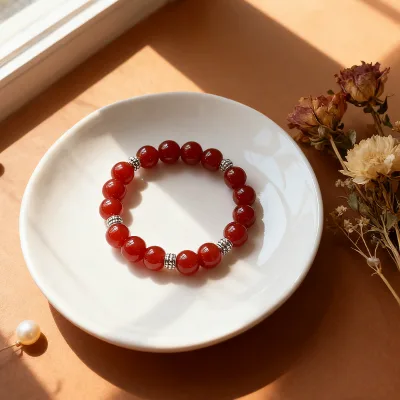
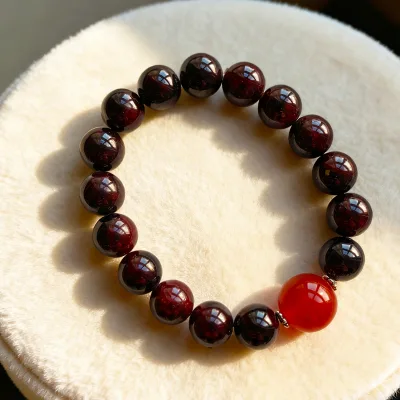
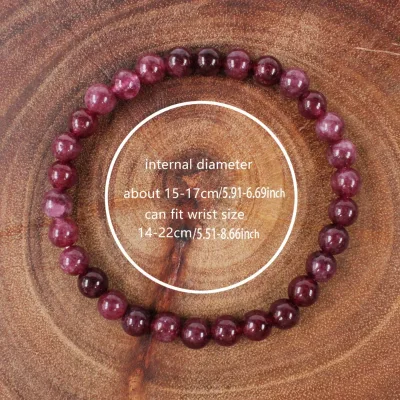
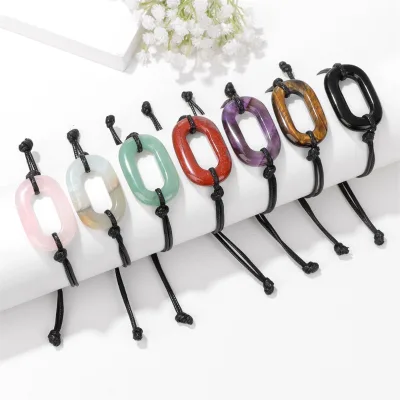
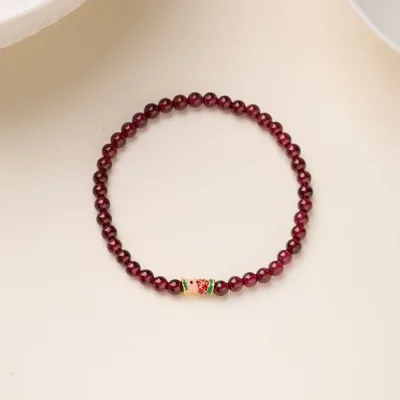


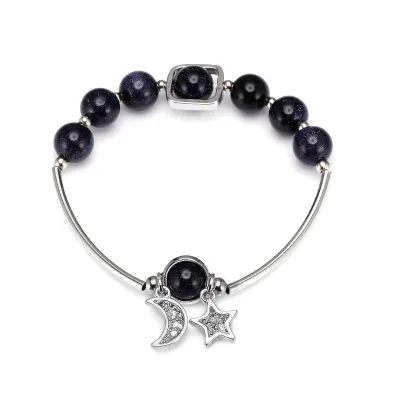
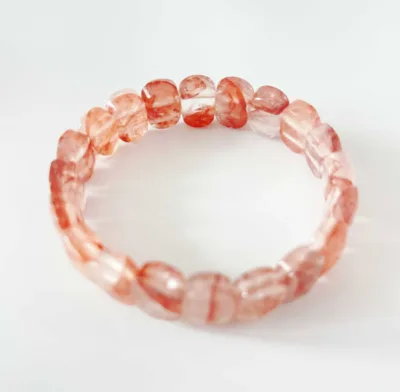
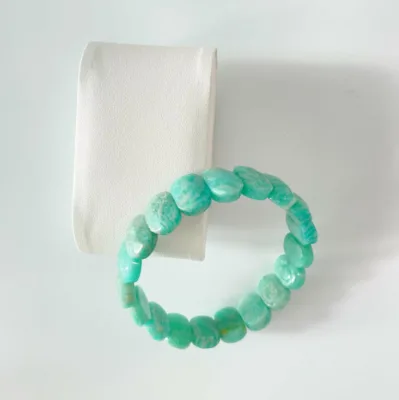
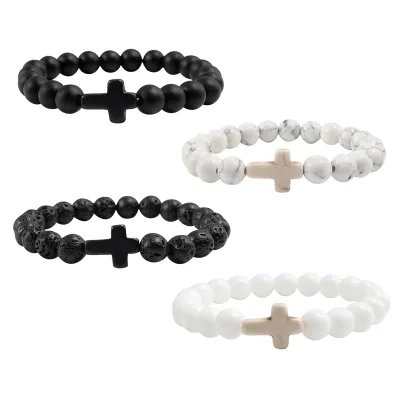
Retro Blue sandstone bracelet girls' simple lovers jewelry natural stone bracelet
$1.49 - $1.79
MOQ: 12 Minimum









Comprehensive Sourcing Guide
Anniversary Garnet Bracelet Sourcing Guide
Sourcing anniversary gifts requires a delicate balance between emotional resonance and commercial viability, with garnet bracelets standing out as a timeless choice for celebrating milestones. Garnet, often associated with deep red hues and symbolic meanings of love and commitment, offers a versatile canvas for jewelry designers targeting both male and female demographics. The market for these items is broad, ranging from simple silver bands to intricate crystal-encrusted designs, allowing buyers to curate collections that appeal to diverse tastes and budget constraints. Understanding the specific material properties and aesthetic variations is crucial for selecting products that align with brand identity and customer expectations.
The procurement landscape for garnet-style bracelets is characterized by significant variability in materials, styles, and price points. While true garnet stones are prized for their durability and color, many listings offer alternatives such as crystal, carnelian, or even jade, which may be marketed under similar aesthetic umbrellas. Buyers must navigate this complexity by verifying the actual composition of the stones and metals used. The observed market includes products made from 925 sterling silver, natural carnelian, and various crystal types, each carrying different value propositions and sourcing considerations. This diversity necessitates a rigorous approach to product verification to ensure that the final goods match the marketing claims and customer promises.
Product Scope and Observed Listing Signals
The current market signals indicate a wide spectrum of bracelet types, from minimalist silver bands to more elaborate designs featuring natural stones. Observed listings highlight products made from 925 sterling silver with simple styles, weighing approximately 2.6 grams, and packaged in individual OPP bags. These items are often marketed for informal occasions, decoration, and gifting, with a focus on affordability and ease of customization. The presence of OEM and ODM acceptance suggests that many suppliers are equipped to handle bespoke orders, allowing buyers to tailor designs to specific anniversary themes or branding requirements. This flexibility is a key advantage for businesses looking to create unique gift sets or personalized jewelry lines.
In contrast, other segments of the market focus on natural stones and healing properties, with products made from pure natural carnelian or jade. These items often carry higher weight specifications, such as 20 to 25 grams, and are marketed with attributes like "healing crystal spirit energy" or "folk art" styles. The price range for these products can vary significantly, with some items listed at lower price points while others command higher values due to the perceived rarity or quality of the stone. Buyers should pay close attention to the specific material descriptions, as terms like "crystal gift items" or "natural carnelian" may refer to different levels of authenticity and quality. The observed MOQs range from 1 piece to 3000 pieces, indicating that suppliers cater to both small-scale retailers and large-volume distributors.
Technical Specifications to Verify
Verifying the technical specifications of garnet bracelets is essential to ensure product consistency and customer satisfaction. Key attributes to confirm include the metal purity, stone authenticity, and dimensional accuracy. For silver-based bracelets, buyers should verify that the metal is indeed 925 sterling silver and not a lower-grade alloy. The weight of the product is another critical specification, as it affects both the perceived value and the shipping costs. Listings may specify weights such as 2.6g, 20g, or 25g, and buyers should ensure that these figures are accurate and consistent across batches. Additionally, the size of the bracelet, often standardized at 18cm or customizable, must be verified to ensure it fits the target demographic appropriately.
The packaging and labeling specifications are also important technical considerations that impact the final product presentation. Many suppliers offer packaging in individual OPP bags, which is cost-effective but may require additional branding efforts. Buyers should inquire about the possibility of custom packaging solutions, such as branded boxes or eco-friendly materials, to enhance the unboxing experience. The single package size and gross weight are crucial for logistics planning, with some items measuring 10x10x2 cm and weighing 0.05 kg. Understanding these details helps in calculating shipping costs and storage requirements, ensuring that the supply chain operates efficiently. Buyers should also verify the shape and pattern options, as some products offer customized shapes or specific patterns that may require additional tooling or design work.
Compliance and Safety Documentation
Compliance with safety standards is non-negotiable when sourcing jewelry, particularly for items intended as gifts or worn close to the skin. Buyers must ensure that all products are free from harmful substances such as nickel, lead, and cadmium. The observed listings mention "Nickel & Lead Free" and "Eco-Friendly" attributes, which are positive indicators, but these claims should be backed by third-party testing reports. Certifications from recognized bodies such as SGS, BV, and Intertek provide a level of assurance that the products have undergone rigorous testing. Buyers should request these certificates for each batch or product line to verify compliance with international safety standards.
In addition to material safety, buyers should be aware of the specific standards applicable to their target markets. For instance, products destined for Europe or North America may need to comply with REACH regulations or CPSIA standards, respectively. The observed listings mention "Us Standard" and "BSCI" certification, which are relevant for quality and social compliance. However, buyers should verify that these certifications are current and cover the specific products being sourced. It is also important to check for any additional regulatory requirements, such as labeling laws or packaging restrictions, which may vary by country. Ensuring full compliance not only protects the brand from legal risks but also builds trust with consumers who are increasingly conscious of product safety and ethical sourcing.
Cost Drivers and Commercial Terms
The cost of garnet bracelets is influenced by several factors, including the raw material costs, labor, and customization requirements. Sterling silver and natural stones like carnelian or jade are more expensive than base metals or synthetic crystals, directly impacting the final price. The weight of the product is a significant cost driver, with heavier items requiring more material and thus commanding higher prices. Buyers should analyze the price-to-weight ratio to ensure they are getting fair value. The observed price range of $0.12 to $10.9 USD reflects this variability, with lower prices corresponding to simpler, lighter designs and higher prices for more complex or heavier items.
Commercial terms such as MOQ, lead time, and payment conditions also play a crucial role in the overall cost structure. The observed MOQs range from 1 to 3000 pieces, offering flexibility for different business models. However, lower MOQs may come with higher unit prices, while bulk orders can benefit from economies of scale. Buyers should negotiate terms that align with their inventory management strategy and cash flow needs. Additionally, the availability of OEM and ODM services may incur additional costs for design and tooling, which should be factored into the total cost calculation. Understanding these commercial dynamics allows buyers to optimize their procurement strategy and maximize profitability.
Supplier Qualification and Quality Control
Selecting the right supplier is critical for ensuring the quality and reliability of garnet bracelets. Buyers should prioritize suppliers who have a proven track record of producing high-quality jewelry and who are transparent about their manufacturing processes. The presence of certifications such as BSCI, SGS, BV, and Intertek is a strong indicator of a supplier's commitment to quality and ethical practices. Buyers should verify these certifications and request references or case studies to assess the supplier's capabilities. Additionally, suppliers located in established jewelry manufacturing hubs, such as Zhejiang or Jiangsu in China, may have access to better raw materials and skilled labor, which can enhance product quality.
Quality control measures should be implemented throughout the production process to minimize defects and ensure consistency. Buyers should establish clear quality standards and inspection criteria, including checks for metal purity, stone authenticity, and finish quality. Regular audits and third-party inspections can help identify and address issues early in the production cycle. It is also important to maintain open communication with the supplier to address any concerns or changes in requirements. By implementing robust quality control practices, buyers can reduce the risk of returns and complaints, thereby protecting their brand reputation and customer satisfaction.
Long-Term Procurement Checks
Long-term success in sourcing garnet bracelets requires ongoing monitoring and evaluation of supplier performance and market trends. Buyers should regularly review supplier metrics such as on-time delivery, defect rates, and responsiveness to issues. Establishing a scorecard system can help track these metrics and identify areas for improvement. Additionally, buyers should stay informed about changes in material costs, regulatory requirements, and consumer preferences, which can impact sourcing decisions. Building strong relationships with suppliers can facilitate better collaboration and innovation, leading to improved product offerings and competitive advantages.
Furthermore, buyers should consider the sustainability and ethical implications of their sourcing practices. Consumers are increasingly demanding transparency regarding the origin of materials and the working conditions in factories. Suppliers who demonstrate a commitment to sustainable practices and ethical labor standards can enhance the brand's image and appeal to conscious consumers. Buyers should encourage suppliers to adopt eco-friendly packaging and production methods, and to provide documentation of their ethical practices. By focusing on long-term value creation and responsible sourcing, buyers can build a resilient and reputable supply chain that supports sustainable growth.
FAQs
Which regions are the main export markets for these bracelets?
Listed suppliers report Europe, North America, and Russia as their main markets, with origins in Zhejiang and Jiangsu, China. These markets generally expect compliance documentation such as nickel, lead, and cadmium free test reports. Align quality standards, such as US standard requirements, with your destination market before confirming production.