Source Anniversary Gothic Earrings for Formal Gifts
Explore 30 listings for Anniversary Gothic Earrings suitable for formal occasions and gifts. Compare materials like stainless steel, leather, and alloy, alongside electroplating processes and customizable packaging options for female buyers; compare the available evidence and request quotations based on your requirements.
Key considerations
Products List
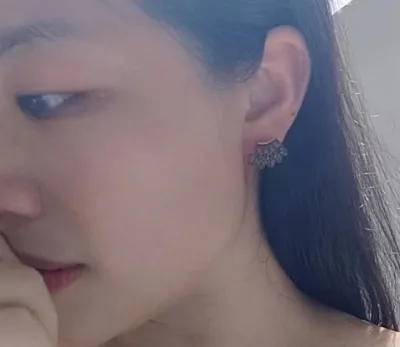


Crystal Geometric Stud Earrings for Women Bohemian Style Vintage Earrings
$2.99 - $3.19
MOQ: 12 Pieces

Bohemian Vintage Statement Earring Ethnic Geometric Jewelry Pearl Earrings
$0.99 - $1.59
MOQ: 6 Pieces

Vintage Gold Color Stud Earrings Acrylic Snake Dangle Earrings Irregular Earrings
$0.52 - $0.58
MOQ: 12 Pieces

Pearl Dangle Earrings Set Vintage Geometric Stud Earrings Gold Color Earrings
$0.86 - $1.06
MOQ: 12 Pieces


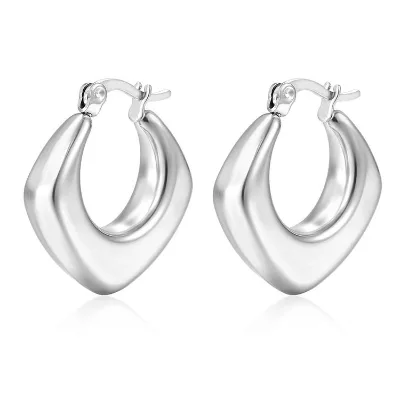


Comprehensive Sourcing Guide
Anniversary Gothic Earrings Sourcing Guide
Sourcing Anniversary Gothic Earrings requires balancing distinct aesthetic demands with rigorous material verification, as the "gothic" style often implies specific dark finishes or intricate metalwork that must be durable for long-term wear. Buyers must scrutinize product listings for explicit mentions of electroplating processes, which are critical for maintaining the deep, matte, or oxidized finishes characteristic of this style without rapid tarnishing. The observed market data indicates a wide range of materials, including stainless steel and alloy, which serve as the foundational base for these decorative pieces, necessitating a clear definition of the desired metal composition before engaging suppliers.
Procurement teams should prioritize suppliers who explicitly list customization capabilities, as gothic designs frequently require unique silhouettes or specific color variations like gold, silver, or antique finishes to match anniversary themes. The available data confirms that customization is a standard offering, yet buyers must verify if the supplier can execute complex shapes such as hearts or geometric patterns while maintaining structural integrity. It is essential to confirm that the "formal occasion" suitability aligns with the intended gifting context, ensuring the final product meets the high aesthetic standards expected for significant personal milestones.
Product Scope and Observed Listing Signals
The current market landscape for gothic-style jewelry reveals a diverse inventory ranging from simple geometric designs to elaborate hollow circle earrings, with observed models like WEH6234 and JE009 representing different design philosophies. Buyers should note that while some listings emphasize "star fashion" or "antique" styles, the core requirement for gothic aesthetics often involves specific shape attributes like hearts or round forms that are rendered in dark or metallic tones. The presence of "Large Circle Gold Hollow Female Earrings" in the data suggests that size and openness of design are key visual signals that differentiate gothic pieces from more conservative formal wear.
Listing signals also include specific packaging details such as dust bags, craft boxes, or OPP bags, which serve as proxies for the perceived value and care taken in the product's presentation. A gothic piece intended as a gift often requires premium packaging to match the emotional weight of the occasion, so buyers must verify if the standard "Ppbag" or "Carton with Dust Bag" options can be upgraded to custom packaging. The observed MOQ range of 1 to 300 units indicates flexibility for small-batch testing, but procurement strategies should account for the potential need to scale orders while maintaining consistent design fidelity across different production runs.
Technical Specifications to Verify
Material composition is the primary technical specification to validate, as the observed data lists stainless steel, leather, and alloy as potential bases, each offering distinct durability and finish characteristics for gothic designs. Buyers must explicitly confirm the alloy composition to ensure it meets nickel-free or hypoallergenic standards, particularly since gothic jewelry often features larger surface areas that increase skin contact. The electroplating process mentioned in the data is critical for achieving the desired dark or antique finishes, and verification should include the thickness of the plating layer to prevent peeling or color fading over time.
Dimensional accuracy and shape consistency are equally vital, with observed standards ranging from specific model numbers to general size ranges like 20-40cm for related items, though earrings typically require precise millimeter-level tolerances. Buyers should request detailed dimension drawings for specific models like XM9115 or JE005 to ensure the "geometric" or "hollow" designs are manufactured to scale without structural weakness. The "Style 1 Silver" through "Style 8 Silver" color variations observed in the data highlight the need for strict color matching protocols, ensuring that the final product matches the specific gothic tone required for the anniversary theme.
Compliance and Safety Documentation
While the supplied facts do not explicitly list specific certification bodies, buyers must demand proof of compliance with international safety standards for jewelry, particularly regarding heavy metal content and plating durability. Gothic earrings often utilize alloys that may contain lead or nickel, so third-party test reports verifying compliance with REACH or similar regulations are essential to ensure the product is safe for prolonged wear. The absence of explicit certification data in the listing signals means that the burden of verification falls entirely on the buyer to request and review these documents before finalizing any purchase agreement.
Documentation regarding the origin of materials is also a critical compliance factor, as the data indicates production origins in China and Zhe Jiang, regions with varying regulatory enforcement levels. Buyers should require a Certificate of Origin and a Material Safety Data Sheet (MSDS) to confirm that the leather or metal components used do not violate import restrictions or environmental standards in the destination market. Ensuring that the "Customized" packaging and branding do not infringe on intellectual property rights is another compliance step that must be addressed through legal review of the supplier's design capabilities.
Cost Drivers and Commercial Terms
The cost of gothic earrings is heavily influenced by the complexity of the electroplating process and the choice of base material, with stainless steel generally commanding a higher price point than standard alloys due to its superior corrosion resistance. The observed price range of 0.52 to 23.2 USD reflects this variance, where intricate designs like hollow circles or antique finishes require more labor-intensive finishing steps that drive up the unit cost. Buyers must analyze the trade-off between material quality and price, ensuring that the lower-cost options do not compromise the durability required for a meaningful anniversary gift.
Commercial terms such as Minimum Order Quantity (MOQ) and customization fees significantly impact the total cost of ownership, with observed MOQs ranging from a single piece to 100 units for specific models. The data shows that some listings accept an MOQ of 1 PCS, which is ideal for sampling, while others require 100 PCS, necessitating a larger upfront investment. Buyers should negotiate clear terms regarding tooling costs for custom molds or dies, as the "Customizable" nature of the product often incurs additional setup fees that must be amortized over the order volume to remain cost-effective.
Supplier Qualification and Quality Control
Supplier qualification for gothic jewelry requires a deep dive into their manufacturing capabilities, specifically their ability to handle electroplating and intricate metalwork without defects. The presence of OEM/ODM acceptance in the data suggests that many suppliers offer design services, but buyers must verify their quality control protocols to ensure that the "antique" or "star fashion" styles are executed consistently across the entire batch. A robust QC process should include visual inspections for plating uniformity and structural checks for hollow or geometric shapes that are prone to bending or breaking during shipping.
Quality control also extends to the packaging stage, where the observed options like "Craft Box" or "OPP Bag" must be evaluated for their ability to protect delicate gothic designs. Buyers should implement a pre-shipment inspection protocol that checks for color consistency, ensuring that the "Style 1 Silver" or "Style 8 Golden" variations match the approved samples exactly. Given the "Customized" nature of the packaging, it is crucial to verify that the supplier can maintain the integrity of the dust bags or custom boxes to prevent damage during transit, which is especially important for high-value anniversary gifts.
Long-Term Procurement Checks
Establishing a long-term partnership for gothic earrings requires regular audits of the supplier's ability to maintain consistent quality and material standards over multiple production cycles. Buyers should schedule periodic reviews of the electroplating process and material sourcing to ensure that the stainless steel or alloy quality has not degraded, which could lead to increased returns or customer dissatisfaction. The "Sourcing Agent" service mentioned in the data can be leveraged to conduct these ongoing checks, providing an independent layer of verification that the supplier continues to meet the agreed-upon specifications.
Continuous monitoring of market trends and design evolution is also essential, as the "gothic" aesthetic may shift in response to fashion cycles, requiring the supplier to adapt their production capabilities accordingly. Buyers should maintain a dynamic relationship with the supplier to ensure they can quickly pivot to new styles or color variations, such as the observed range of silver and gold options, without compromising lead times or quality. Regular feedback loops regarding customer reception of the anniversary earrings will help refine the product line and ensure that the procurement strategy remains aligned with market demands.
FAQs
What materials are used for Anniversary Gothic Earrings?
The available options include stainless steel, leather, and alloy. Stainless steel pieces often feature electroplating for a durable finish. Leather variants offer a simple style suitable for youth. Alloy designs provide geometric or hollow circle aesthetics. Buyers can select the material that best matches their specific gothic aesthetic requirements.
Can these earrings be customized for special orders?
Yes, customization is available for many items. Buyers can request customized packaging, such as dust bags, craft boxes, or cartons. Logo customization is also supported for bulk orders. Some products accept OEM and ODM requests. This flexibility allows businesses to tailor the final product to their brand identity and specific client needs effectively.
What is the minimum order quantity for these earrings?
The minimum order quantity varies by product. Some items have an MOQ of just one piece, while others require 100 pieces or more. For example, certain alloy earrings have a minimum of 100 PCS. Buyers should check the specific product page for the exact MOQ to ensure it aligns with their purchasing volume and budget constraints.
Where are these Anniversary Gothic Earrings manufactured?
These products are primarily manufactured in China. Specific origins include Zhe Jiang province. The manufacturing base supports various processing technologies like electroplating. Buyers sourcing from this region benefit from established supply chains. The location data helps in calculating logistics costs and estimating lead times for international shipments effectively.
What styles are available for female gothic earrings?
Styles range from simple and antique to star fashion. Options include heart shapes, round designs, and large hollow circles. Colors feature gold and silver finishes. Some pieces are designed as eardrops. The geometric and hollow designs cater to modern gothic tastes. Buyers can choose based on occasion, such as formal events or daily decoration.
How are the earrings packaged for shipping?
Packaging methods include PP bags, OPP bags, and dust bags. Some items come in craft boxes or cartons with dust bags. Customized packaging is available for larger orders. The choice depends on the specific product model. Secure packaging ensures the earrings arrive in pristine condition. Buyers should specify their preferred packaging style during the sourcing process to meet their retail needs.