Source Anodized CNC Machined Components for Hardware and Auto Parts
Find 30 listings for Anodized CNC Machined Components suitable for hardware tools, machinery accessories, and automotive parts. Compare specifications including material options like aluminum and steel, surface treatments, and accuracy levels to identify suitable suppliers for your manufacturing needs; compare the available evidence and request quotations based on your requirements.
Key considerations
Products List


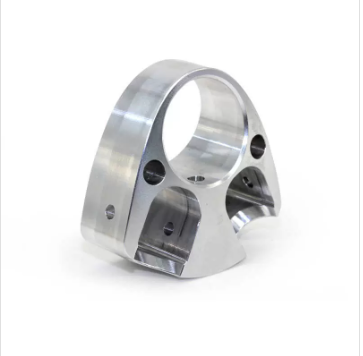


Precision CNC Machined Anodized Aluminum Parts for Industrial Applications
$2.50 - $3.00
MOQ: 100 Pieces


Comprehensive Sourcing Guide
Anodized CNC Machined Components Sourcing Guide
Buyers must first define the specific metal casting, coating, or drawing machinery parts required, as the observed listings indicate these components serve diverse industrial sectors including hardware tools and automotive accessories. The product scope encompasses aluminum, steel, brass, and alloy parts processed through CNC milling, turning, and five-axis machining, with surface treatments ranging from anodizing to zinc plating. Understanding these application boundaries ensures that the selected supplier possesses the precise equipment, such as 3/4/5 axis CNC centers, necessary to meet the geometric complexity of the requested hardware.
Procurement teams should verify that the observed product attributes align with the intended operational environment, noting that customization is widely available for both the component model and the final packaging. The listings confirm that materials can be selected from a broad spectrum including iron, nylon, and various plastics, allowing for tailored solutions in mass production or single-unit scenarios. Buyers must explicitly confirm whether the supplier offers rapid prototyping capabilities alongside mass production, as this distinction significantly impacts the timeline and cost structure for new product development cycles.
Product Scope and Observed Listing Signals
The market signals indicate a wide variance in minimum order quantities, ranging from small orders accepted for single production runs up to 5000 units for mass manufacturing. This flexibility suggests that suppliers are equipped to handle both rapid prototype development and large-scale industrial deployment, provided the buyer clearly communicates the production type required. The presence of customized packaging options and the ability to accept custom logos further demonstrate that vendors are prepared to integrate these components into specific supply chain workflows without requiring standard off-the-shelf solutions.
Buyers should scrutinize the listed drawing formats, which typically include DWG, PDF, STEP, and IGES files, to ensure seamless integration with existing design software. The observed accuracy of +/- 0.01mm and surface roughness options like Ra0.4 or Ra0.8 serve as critical benchmarks for evaluating the precision capabilities of potential vendors. It is essential to confirm that the supplier can consistently deliver these specific tolerances across the entire batch, as the variation in observed product models suggests that not every listed item may satisfy the strictest engineering requirements without explicit verification.
Technical Specifications to Verify
Technical due diligence must focus on the specific machining methods and surface finishing processes that define the component's longevity and performance. The available data highlights anodizing in various colors such as black, red, and blue, alongside powder coating and bead blasting, which are critical for corrosion resistance and aesthetic requirements. Buyers must verify that the chosen surface treatment matches the environmental conditions of the end application, ensuring that the selected finish provides adequate protection against wear and chemical exposure in metal processing machinery.
Dimensional accuracy and material composition are equally vital, with observed specifications listing materials like stainless steel, copper, and aluminum alloys. The standard drawing formats and the ability to provide 3D or 2D drawings allow for precise validation of the component geometry before production begins. Procurement teams should explicitly request sample data or test results to confirm that the supplier can achieve the stated roughness values and accuracy levels, as these parameters directly influence the fit and function of the final assembly within complex machinery systems.
Compliance and Safety Documentation
Compliance verification requires a rigorous review of the certifications held by the supplier, with observed listings citing ISOGS, RoHS, and CE marks as key indicators of adherence to international standards. While specific ISO 9001 or ISO 13485 statuses are noted as background information, buyers must demand current, valid certificates that explicitly cover the manufacturing processes used for the anodized components. This documentation ensures that the production facility maintains a quality management system capable of sustaining consistent output and meeting the safety requirements of regulated industries.
Safety and material compliance are further validated by the adherence to various international standards such as BS, ANSI, JIS, GB, and ASTM, which govern the mechanical properties and chemical composition of the raw materials. Buyers should request material test reports that confirm the specific alloy grades used, ensuring they meet the necessary strength and durability criteria for the intended application. It is imperative to verify that the surface treatments and plating processes do not introduce hazardous substances, thereby maintaining compliance with environmental regulations and ensuring the safety of the end-user.
Cost Drivers and Commercial Terms
Cost structures for anodized CNC components are heavily influenced by the complexity of the machining type, such as 5-axis operations versus standard milling, and the volume of the order. The observed MOQ range of 1 to 5000 units allows for significant negotiation leverage, but buyers must understand that smaller batches often incur higher per-unit costs due to setup and programming time. Additionally, the choice of material, such as switching from standard aluminum to specialized alloys, and the selection of complex surface finishes like multi-color anodizing will directly impact the final price and commercial terms.
Commercial terms must clearly define the lead time, which is noted as dependent on design complexity, and the specific delivery methods available, including FedEx, DHL, and sea freight. Buyers should negotiate clear milestones for production and shipping to mitigate the risk of delays, especially when dealing with customized sizes or unique packaging requirements. It is crucial to establish a transparent pricing model that accounts for tooling costs, inspection fees, and any potential surcharges for expedited delivery, ensuring that the total cost of ownership remains within the project budget.
Supplier Qualification and Quality Control
Supplier qualification hinges on the implementation of robust quality control protocols, with observed listings emphasizing 100% inspection before shipment as a standard practice. Buyers must verify the specific inspection methods used, such as coordinate measuring machine (CMM) checks or visual inspections against the provided drawing data, to ensure that every component meets the specified tolerances and surface finish requirements. This rigorous approach minimizes the risk of receiving defective parts and ensures that the supplier maintains a high standard of consistency across all production batches.
The capability to handle customized designs and accept custom logos indicates a supplier's flexibility, but this must be balanced against their ability to maintain strict quality standards during the customization process. Buyers should request a detailed quality assurance plan that outlines the steps taken to prevent defects during CNC machining, surface treatment, and final packaging. Establishing a clear communication channel for quality issues and defining the protocol for handling non-conforming products is essential for maintaining a reliable supply chain and ensuring long-term operational stability.
Long-Term Procurement Checks
Long-term procurement success depends on establishing a partnership with a supplier who can scale production while maintaining the high precision and quality standards observed in the initial listings. Buyers should conduct periodic audits to verify that the supplier continues to adhere to the cited certifications and standards, such as EN, GB, and ASME, as these may evolve over time. Regular performance reviews that assess on-time delivery, defect rates, and responsiveness to design changes will help identify any potential risks in the supply chain before they impact production schedules.
Sustainability and supply chain resilience are critical factors for long-term planning, requiring buyers to monitor the supplier's ability to source raw materials like aluminum and steel consistently. The observed production types, ranging from single production to mass production, suggest that the supplier has the capacity to adapt to fluctuating demand, but buyers must ensure that this flexibility does not compromise quality. Establishing a strategic relationship that includes shared forecasting and joint development initiatives can further secure the supply of anodized CNC components and drive continuous improvement in product performance and cost efficiency.
FAQs
What certifications do the Anodized CNC Machined Components have?
The components carry ISOGS, RoHS, and CE certifications. These standards ensure compliance with international safety and environmental requirements for metal processing machinery parts and hardware tools used in various industrial applications.
Which materials are available for custom Anodized CNC Machined Components?
Available materials include iron, aluminum, alloy, brass, plastic, steel, and nylon. Buyers can select specific materials based on their project needs, with options for steel, plastic, brass, copper, and aluminum to suit different durability requirements.
Can I request custom Anodized CNC Machined Components with specific colors?
Yes, customization is available for anodizing colors including gloss, matte, black, red, green, blue, purple, and clear. Buyers can also specify colors per Pantone or Ral color codes to match their brand or design specifications exactly.
How is the accuracy of Anodized CNC Machined Components ensured?
Accuracy is maintained at plus or minus 0.01mm through precision CNC milling, turning, and 5-axis machining processes. Every item undergoes 100% inspection before shipment to guarantee that surface roughness and dimensions meet the required drawing data.
What surface treatments are offered for Anodized CNC Machined Components?
Surface treatments include anodizing, zinc plating, nickel plating, beadblasting, and powder coating. These processes enhance durability and appearance, with options like anodizing available in various colors to meet specific aesthetic and functional requirements for metal parts.
What is the lead time for Anodized CNC Machined Components orders?
Lead time depends on the specific designs and production complexity of the order. While rapid prototypes are available, mass production schedules vary, and delivery can be arranged via FedEx, DHL, UPS, air, or sea freight based on urgency.
Can small orders be accepted for Anodized CNC Machined Components?
Yes, small orders are accepted with a minimum order quantity ranging from one to five thousand units. The supplier supports both single production and mass production types, accommodating diverse buyer needs from prototyping to large-scale manufacturing runs.