Source Anodized Finish Aluminium Plate for Car, Office, and Home
Find 30 listings for Anodized Finish Aluminium Plate suitable for automotive parts, office equipment, and home decorations. Compare specifications like CNC machining precision, surface finishing, and material grades from verified suppliers in Ningbo, China.
Key considerations
Products List


Mill Finish Polished Aluminium/Aluminum Alloy Plain Plate for building material
$3000.00 - $4000.00
MOQ: 2 Tons


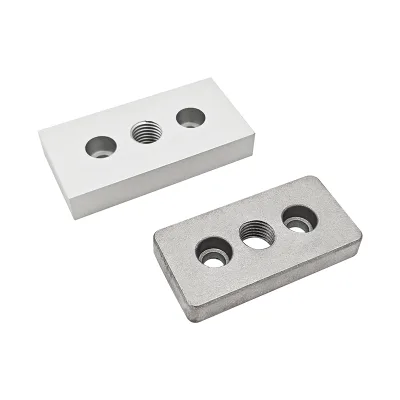


Lightweight Aluminum Plate for Easy Handling and Versatile Applications
$2325.00 - $2625.00
MOQ: 1 Tons


Comprehensive Sourcing Guide
Strategic Sourcing Guide for Anodized Finish Aluminium Plate
Understanding Technical Specifications and Processing Capabilities
When sourcing Anodized Finish Aluminium Plate, buyers must first establish a clear understanding of the technical parameters that define product quality and suitability for specific industrial applications. The core material for these components is typically aluminium or aluminium alloy, selected for its favorable strength-to-weight ratio and corrosion resistance. The manufacturing process for these plates often involves high-precision CNC machining, including operations such as milling, turning, lathe work, and grinding. This ensures that the final product meets tight dimensional tolerances, with observed processing precision ranging from 0.01 to 0.02 millimeters. Such precision is critical for applications requiring tight fits or high-performance mechanical interactions.
The surface treatment is a defining characteristic of the product. The anodized finish is frequently paired with additional surface treatments such as polishing, sandblasting, or diamond cutting to achieve specific aesthetic or functional outcomes. The surface condition can vary, with some products offered in a polished state while others undergo sandblasting to create a matte texture. The color options are also a variable, with black being a documented finish, though other colors may be available depending on the customization requirements. The production of these plates is supported by advanced machinery, including high-end CNC machine tools that utilize contour control and closed-loop control methods. These systems ensure consistent quality across large production runs, whether the application involves metal cutting, metal forming, or non-conventional machining processes.
Buyers should verify that the supplier possesses the capability to handle both new and used machinery conditions if they are sourcing refurbished equipment or components, though the plates themselves are typically manufactured as new items. The material composition is often specified as aluminium or alloy, which directly influences the anodizing process and the final hardness of the surface. The standard production time for custom orders typically ranges between 10 and 30 days, while sample production can be completed in a shorter window of 2 to 3 days. Understanding these timelines is essential for supply chain planning, particularly for projects with tight deadlines.
Compliance, Certification, and Standard Verification
In the global B2B market, compliance with international standards and certifications is non-negotiable for ensuring product safety and marketability. For anodized aluminium plates, buyers must verify that the supplier adheres to recognized certification frameworks. Common certifications observed in this sector include ISO, RoHS, CE, and GS. These certifications indicate that the manufacturing process and the final product meet specific environmental, safety, and quality benchmarks. RoHS compliance, for instance, ensures that the product does not contain restricted hazardous substances, which is a critical requirement for electronics and automotive applications.
Beyond general certifications, the product must align with specific industry standards. While some products may be manufactured to custom standards, others adhere to national or international specifications such as GOST, ASTM, and DIN. These standards dictate the chemical composition, mechanical properties, and surface finish requirements of the aluminium plate. Buyers should explicitly request documentation proving that the product meets the relevant ASTM or DIN standards for the intended application. The standard for the product itself may be listed as "Custom" or "Customizable," which requires a detailed review of the technical data sheet to ensure that the custom specifications do not compromise the material's integrity or the anodizing quality.
The origin of the product also plays a role in compliance. Products originating from specific manufacturing hubs, such as Ningbo or China, often have established supply chains that support these certifications. However, buyers must not assume that all products from a region automatically meet every standard. The verification process should include a request for valid certification certificates and a review of the supplier's quality management system. For applications in regulated industries like automotive or medical devices, the absence of specific certifications like CE or GS could be a dealbreaker. Therefore, the procurement strategy must prioritize suppliers who can provide transparent and up-to-date compliance documentation.
Cost Drivers and Pricing Structure Analysis
The pricing of anodized finish aluminium plates is influenced by a complex interplay of factors, including material costs, processing complexity, customization levels, and order volume. The observed price range for these products can be quite broad, spanning from $0.10 to $5,000, depending on the size, thickness, and complexity of the plate. This wide variance highlights the importance of defining precise requirements before requesting quotes. A simple, standard-sized plate will cost significantly less than a custom-machined component with intricate contours and high-precision tolerances.
Material costs are a primary driver, with the choice between pure aluminium and various aluminium alloys affecting the base price. The anodizing process itself adds a layer of cost, particularly if multiple surface treatments like sandblasting or diamond cutting are required. Additionally, the level of customization is a significant cost factor. While standard products may be available at lower price points, custom orders involving specific dimensions, colors, or surface finishes will incur higher costs. The minimum order quantity (MOQ) also impacts the unit price. Buyers may find that ordering in larger quantities reduces the per-unit cost, with MOQs ranging from 1 to 2,000 units depending on the supplier and the product complexity.
Sample costs are another consideration in the procurement process. For buyers evaluating a new supplier or testing a new design, the cost of samples is typically around $15. This fee covers the material and the machining time required to produce a single unit. It is important to note that sample production times are generally faster, often completed within 2 to 3 days, allowing for rapid prototyping and validation. However, the transition from sample to mass production involves a longer lead time, typically 10 to 30 days. Buyers should factor these timelines and costs into their overall budget and project schedule to avoid unexpected delays or expenses.
Typical Applications and Usage Scenarios
Anodized finish aluminium plates are versatile components used across a wide array of industries due to their durability, aesthetic appeal, and corrosion resistance. One of the primary applications is in the automotive sector, where these plates are used for various parts requiring high precision and resistance to environmental factors. The "Car" application category indicates that these components are suitable for vehicle manufacturing, potentially for interior trim, structural parts, or decorative elements. The corrosion-resistant feature is particularly valuable in this context, as vehicles are exposed to various weather conditions and road salts.
Beyond automotive use, these plates find applications in office environments, where they may be used for decorative panels, signage, or furniture components. The "Office" suitability suggests that the plates can be customized to meet specific design requirements, such as color and finish, to match corporate branding or interior design schemes. The "Personal Decorations," "Promotion Gifts," and "Souvenirs" categories highlight the use of these plates in the consumer goods sector. Here, the anodized finish provides a premium look that is ideal for promotional items, collectibles, and religious crafts. The ability to customize the surface through processes like diamond cutting or brushing allows for unique designs that stand out in the market.
In the industrial sector, these plates are essential for metal processing machinery parts, metal drawing machinery, and metal spinning machinery. The high-precision machining capabilities ensure that these components fit perfectly within complex machinery, contributing to overall operational efficiency. The "Metal" application classification underscores their role in heavy industry, where they may be used as structural elements or functional parts. The versatility of the anodized aluminium plate makes it a critical material for manufacturers looking to balance performance, aesthetics, and cost-effectiveness.
Supplier Evaluation and Quality Control Protocols
Selecting the right supplier is a critical step in the procurement process for anodized finish aluminium plates. Buyers should evaluate potential suppliers based on their technical capabilities, quality control systems, and track record. The supplier's ability to provide high-precision machining, with tolerances as tight as 0.01 to 0.02 mm, is a key indicator of their technical proficiency. Additionally, the availability of advanced machinery, such as CNC/MNC tools, suggests that the supplier can handle complex orders with consistency.
Quality control should be a central focus during the supplier evaluation. Buyers must inquire about the supplier's inspection processes, including how they verify the anodizing thickness, surface finish, and dimensional accuracy. The use of closed-loop control systems in production indicates a commitment to maintaining quality throughout the manufacturing process. Suppliers should also be able to provide evidence of their adherence to relevant standards, such as ASTM, DIN, or GOST, and certifications like ISO, RoHS, CE, and GS.
Packaging is another aspect of quality control that should not be overlooked. The product packing may vary from simple cartons to corrugated cartons, depending on the size and fragility of the item. Proper packaging ensures that the anodized finish remains intact during transit. Buyers should verify that the supplier uses appropriate packaging materials to prevent scratches or damage. Furthermore, the supplier's ability to handle custom orders and provide samples quickly demonstrates their flexibility and responsiveness, which are valuable traits in a long-term partnership.
Long-Term Procurement Considerations and Supply Chain Stability
Sourcing anodized finish aluminium plates is not just a one-time transaction but a strategic decision that impacts long-term supply chain stability. Buyers should consider the supplier's production capacity and lead times when planning for future needs. The typical production time of 10 to 30 days for custom orders requires careful scheduling to avoid bottlenecks. For projects with tight deadlines, buyers may need to negotiate expedited production or maintain a buffer stock of standard items.
The customization aspect of these plates offers significant flexibility but also introduces complexity. As requirements evolve, the ability to adjust specifications without compromising quality is essential. Buyers should work with suppliers who have a robust customization process, allowing for changes in material, finish, or dimensions while maintaining the high standards of the anodized finish. The "Custom" and "Customizable" standards observed in the market indicate that suppliers are prepared to adapt to specific buyer needs, but this requires clear communication and detailed technical specifications.
Finally, buyers should consider the total cost of ownership, which includes not only the purchase price but also the costs associated with maintenance, replacement, and potential downtime. High-quality anodized aluminium plates with proper surface treatments can significantly reduce maintenance needs and extend the lifespan of the components. By investing in high-quality suppliers and products, buyers can ensure long-term reliability and performance, ultimately contributing to the success of their projects and operations.
FAQs
What certifications do anodized finish aluminium plates typically have?
These plates commonly carry ISO, RoHS, CE, and GS certifications. Buyers should verify that the specific supplier provides valid documentation for these standards to ensure compliance with safety and environmental regulations.
How precise is the machining process for these aluminium plates?
The processing precision typically ranges from 0.01 to 0.02 millimeters. This high level of accuracy is achieved using CNC machine tools with contour control and closed-loop control methods for consistent results.
Can I get a sample of the anodized aluminium plate before ordering?
Yes, sample production is available with a cost of $15. Samples can be produced within 2 to 3 days, allowing for quick validation of quality and specifications before committing to a larger order.
What is the standard production time for custom orders?
Custom production typically takes between 10 and 30 days. This timeline accounts for the machining, anodizing, and finishing processes required to meet specific customization requests and quality standards.
Which surface finishes are available for these aluminium plates?
Available surface treatments include anodizing, polishing, sandblasting, and diamond cutting. Colors such as black are documented, and finishes can be customized to meet specific aesthetic or functional requirements.
What is the minimum order quantity for these plates?
The minimum order quantity ranges from 1 to 2000 units depending on the supplier and product complexity. Some listings specify an MOQ of 10 pieces, while others allow for smaller trial orders.
Where are these anodized aluminium plates manufactured?
Products originate from Ningbo, China. Buyers should confirm the specific origin and shipping details with the supplier to ensure the location aligns with their logistical and compliance requirements.