Source Anodized Aluminum Solar Carport Clamp for Roof, Ground, and Tin Applications
Find and compare 30 listings for Anodized Aluminum Solar Carport Clamp solutions designed for residential, commercial, and open terrain installations. Evaluate options featuring anti-corrosion properties, easy installation, and customizable configurations to meet specific wind and snow load requirements.
Key considerations
Products List


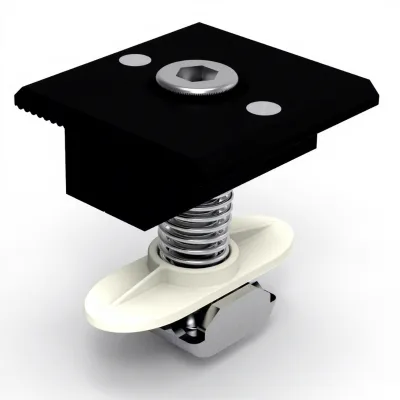
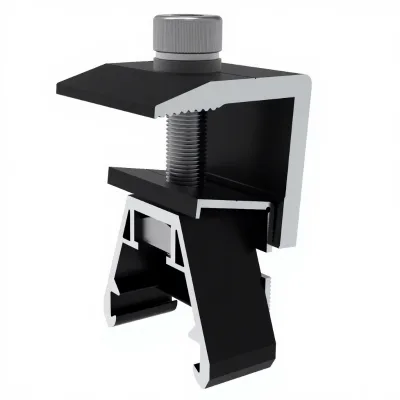


Anodized Aluminum Powder Coated Solar Carport Panel Mounting Bracket/Accessories
$0.17 - $0.20
MOQ: 30000000 W


Comprehensive Sourcing Guide
Anodized Aluminum Solar Carport Clamp Sourcing Guide
Sourcing anodized aluminum solar carport clamps requires a disciplined approach to material verification and surface treatment analysis. These components serve as the critical interface between photovoltaic modules and the supporting carport structure, demanding high mechanical integrity and long-term environmental resistance. Buyers must prioritize suppliers who demonstrate consistent control over alloy composition and anodizing thickness, as these factors directly influence the clamp’s ability to withstand wind loads and corrosion over its operational lifespan. The decision to specify aluminum over steel is often driven by weight reduction and inherent corrosion resistance, but it introduces specific requirements for galvanic isolation and torque management during installation.
The procurement process for these accessories is heavily influenced by customization capabilities and supply chain transparency. Since carport designs vary significantly in beam geometry and module dimensions, off-the-shelf solutions may not fit every project requirement. Buyers should evaluate suppliers based on their ability to provide custom manufacturing options while maintaining strict adherence to standard specifications. This balance ensures that the clamps fit precisely without compromising structural integrity. Furthermore, understanding the origin of materials and the specific manufacturing processes, such as anodic oxidation, allows procurement teams to assess the long-term durability and aesthetic consistency of the final product.
Product Scope and Observed Listing Signals
The market for solar mounting accessories includes a diverse range of products, from roof brackets to ground mounts, with clamps serving as a versatile component across these categories. Observed listings indicate that these clamps are primarily constructed from aluminum alloy or steel, with aluminum being the preferred material for carport applications due to its lightweight nature and corrosion resistance. The product scope extends to various mounting types, including carport mounting, where the clamps secure solar panels to the structural beams of the carport. Buyers should note that while some listings mention steel, the specific requirement for anodized aluminum suggests a focus on high-quality, corrosion-resistant components suitable for outdoor exposure.
Surface treatment is a key differentiator in this product category, with anodic oxidation being a common process to enhance durability. This treatment provides a protective layer that resists weathering, UV exposure, and mechanical wear, which is essential for components installed in open terrain or on carport structures. The observed color options typically include natural silver, which is the standard finish for anodized aluminum, though customizable colors are available for aesthetic integration with the carport design. Buyers should verify that the anodizing process meets industry standards for thickness and uniformity, as inadequate treatment can lead to premature failure of the clamp in harsh environmental conditions.
Technical Specifications to Verify
Material composition is the first technical parameter to verify, as the mechanical properties of the aluminum alloy directly impact the clamp’s load-bearing capacity. Buyers should confirm that the supplier uses high-grade aluminum alloys that meet specific strength and ductility requirements. The thickness of the module and the length of the solar module are also critical dimensions that must align with the clamp’s design. For instance, clamps designed for modules with a thickness of 30-40 mm and a length of less than 2200 mm must be selected to ensure a secure fit. Mismatched dimensions can lead to improper clamping force, resulting in panel movement or damage during high-wind events.
Wind and snow load ratings are essential technical specifications that determine the structural safety of the solar installation. Buyers must verify that the clamps are rated to withstand the specific environmental loads of the installation site, such as wind speeds up to 60 m/s and snow loads of 1.4 to 1.8 kN/m². These ratings should be supported by engineering calculations or test data from the supplier. Additionally, the tilt angle of the carport mounting, often set at 5 degrees, influences the stress distribution on the clamps. Ensuring that the clamps are designed to handle these specific load conditions is crucial for maintaining the integrity of the solar array over its warranty life, which is typically around 10 years.
Compliance and Safety Documentation
Certification is a fundamental requirement for ensuring that solar mounting components meet international safety and quality standards. Buyers should request documentation for certifications such as CE, ISO, and TUV, which indicate that the products have undergone rigorous testing and comply with relevant regulations. These certifications provide assurance that the clamps are manufactured in facilities that adhere to strict quality management systems. The presence of these certifications also facilitates the approval process for solar projects in various markets, reducing the risk of compliance-related delays or rejections.
In addition to product certifications, buyers should verify that the supplier adheres to standard specifications or offers customized solutions that meet local building codes. The standard specifications for solar mounting accessories often include requirements for material purity, surface treatment quality, and mechanical performance. Buyers should ensure that the supplier provides detailed technical datasheets that outline these specifications, including the grade of aluminum used and the thickness of the anodized layer. This documentation is essential for engineering reviews and for ensuring that the clamps are suitable for the specific application, whether it is a residential carport or a commercial installation.
Cost Drivers and Commercial Terms
The cost of anodized aluminum solar carport clamps is influenced by several factors, including the price of raw materials, the complexity of the manufacturing process, and the volume of the order. Aluminum prices fluctuate based on global market conditions, which can impact the final cost of the clamps. Buyers should consider the trade-off between cost and quality, as cheaper alternatives may use lower-grade alloys or thinner anodized layers, compromising long-term durability. The surface treatment process, specifically anodic oxidation, adds to the manufacturing cost but is essential for ensuring the product’s resistance to corrosion and wear.
Commercial terms such as minimum order quantity (MOQ) and lead time are also significant cost drivers. Suppliers may offer different pricing tiers based on the order volume, with lower prices available for larger quantities. Buyers should negotiate MOQs that align with their project requirements to avoid excess inventory or stockouts. Lead times, which can range from 5 to 15 days, should be factored into the project schedule to ensure timely delivery. Additionally, packaging methods, such as export-standard boxing or wooden/steel pallets, can affect shipping costs and the risk of damage during transit. Buyers should specify packaging requirements to protect the clamps during transportation.
Supplier Qualification and Quality Control
Supplier qualification is a critical step in the procurement process, as it ensures that the manufacturer has the capability to produce high-quality clamps consistently. Buyers should evaluate suppliers based on their production capacity, quality control systems, and experience in the solar mounting industry. Factories located in regions such as Tianjin, Xiamen, and Shanghai in China are known for their manufacturing expertise in this sector. Buyers should request site audits or virtual tours to verify the supplier’s production facilities and quality control processes. This due diligence helps to identify potential risks and ensures that the supplier can meet the project’s quality and delivery requirements.
Quality control measures should include regular inspections of raw materials, in-process checks during manufacturing, and final product testing. Buyers should verify that the supplier conducts tests for mechanical strength, corrosion resistance, and dimensional accuracy. The use of standardized testing procedures, such as those outlined in ISO standards, provides a reliable basis for assessing product quality. Additionally, buyers should request samples for pre-production testing to verify that the clamps meet the specified technical requirements. Establishing a clear quality agreement with the supplier, including acceptance criteria and rejection procedures, helps to maintain consistent product quality throughout the supply chain.
Long-Term Procurement Checks
Long-term procurement success depends on establishing a robust relationship with the supplier and implementing continuous improvement processes. Buyers should conduct regular performance reviews to assess the supplier’s adherence to quality standards, delivery schedules, and customer service. Feedback from installation teams and field performance data can provide valuable insights into the clamps’ durability and ease of installation. Buyers should use this information to refine their specifications and negotiate improvements with the supplier. Maintaining open communication channels with the supplier helps to address any issues promptly and ensures that the procurement process remains efficient and effective.
Warranty and after-sales support are also important considerations for long-term procurement. Buyers should verify the supplier’s warranty policy, which typically covers defects in materials and workmanship for a specified period, such as 10 years. Understanding the terms and conditions of the warranty helps to mitigate the risk of unexpected costs due to product failures. Additionally, buyers should ensure that the supplier provides adequate technical support and spare parts availability. This support is essential for maintaining the solar installation over its operational life and addressing any maintenance or repair needs that may arise. By focusing on these long-term factors, buyers can ensure a reliable and cost-effective supply of anodized aluminum solar carport clamps.
FAQs
What materials are used for anodized aluminum solar carport clamps?
These clamps are primarily manufactured from aluminum alloy or steel to ensure structural integrity. The aluminum alloy variants undergo anodic oxidation surface treatment to provide high-quality anti-corrosion protection. This material selection supports both home and commercial applications, ensuring durability against environmental exposure while maintaining a natural silver or customizable color finish for aesthetic integration.
Can anodized aluminum solar carport clamps be customized for specific projects?
Yes, customization is available for these mounting accessories to meet unique project requirements. Buyers can select from standard specifications or request customized designs to fit specific installation sites. The color can be adjusted to natural silver or other custom options, and the mounting type can be tailored for carport applications, ensuring the hardware aligns precisely with architectural and engineering needs.
What certifications do these solar mounting clamps typically hold?
These products commonly hold CE, TUV, and ISO certifications to verify compliance with international standards. Some listings also reference GB standards, ensuring quality assurance for global markets. These certifications confirm that the clamps meet rigorous safety and performance criteria, providing confidence for commercial and residential solar installations that require verified component reliability and regulatory adherence.
What is the typical lead time for ordering these solar clamps?
The standard lead time for production and delivery ranges from 5 to 15 days. This timeframe allows for efficient processing of orders while maintaining quality control standards. Buyers should note that lead times may vary based on order volume and customization requirements, so early planning is recommended to ensure timely installation of solar mounting systems without project delays.
How are anodized aluminum solar carport clamps packaged for export?
Products are packaged using export-standard methods to ensure safe transit. Common packaging includes box and wooden or steel pallet configurations to protect components during shipping. This robust packaging approach minimizes the risk of damage, ensuring that the clamps arrive in pristine condition ready for installation, while also facilitating efficient handling and storage at the destination site.
What wind and snow load capacities do these clamps support?
These clamps are engineered to withstand significant environmental stresses, with wind load capacities reaching up to 60 M/S. Snow load resistance typically ranges from 1.4 to 1.8 kN/M2, depending on the specific model and installation configuration. These performance metrics ensure reliable stability for solar arrays in diverse climatic conditions, providing long-term structural security for the mounted photovoltaic modules.