Source Anodized Custom Metal Card for gifts, decor, and souvenirs
Explore 30 listings for Anodized Custom Metal Card options tailored for personal decorations, promotion gifts, and souvenirs. Buyers can compare specifications, customization levels, and pricing to find the ideal solution for their needs.
Key considerations
Products List


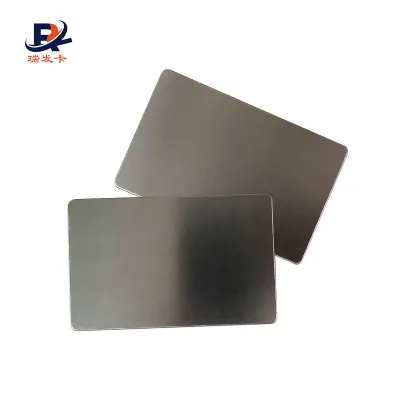
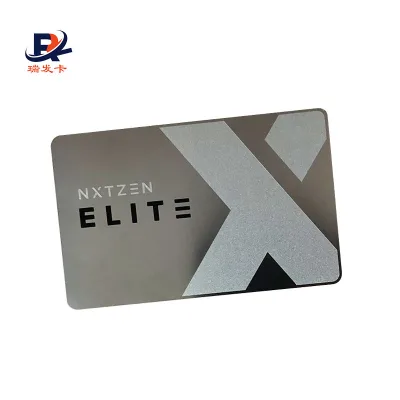
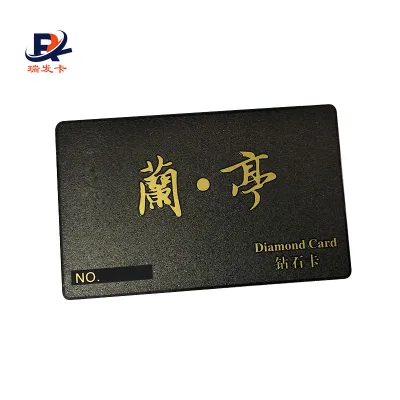
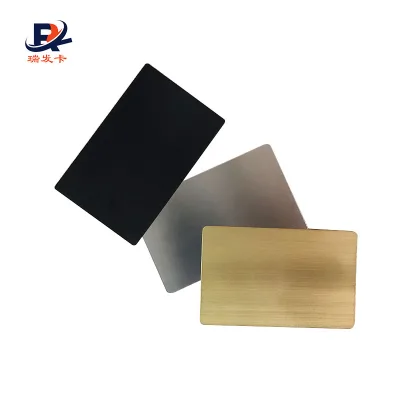


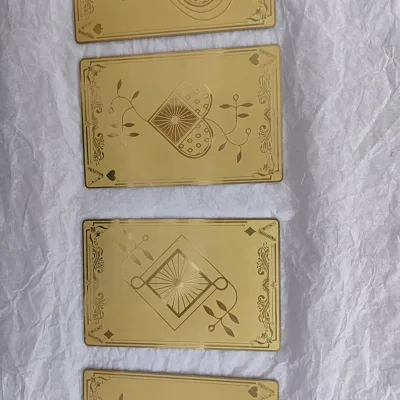

Sheet Metal Fabrication Stamping Aluminum Business Blank Card Anodized Metal Card
$0.20 - $0.50
MOQ: 1000 Pieces


Comprehensive Sourcing Guide
Strategic Sourcing Guide for Anodized Custom Metal Cards
The procurement of anodized custom metal cards represents a specialized segment within the broader metal fabrication and promotional product markets. While the core keyword suggests a specific surface treatment process, the actual market offerings often encompass a diverse array of metal card types, including stainless steel business cards, decorative metal nameplates, and custom credit card-sized items. Buyers must navigate a landscape where "anodized" is one of several potential finishes, alongside plating, painting, and polishing. This guide provides a disciplined framework for evaluating suppliers, verifying technical capabilities, and ensuring that the final product meets rigorous quality and compliance standards without relying on unverified claims.
Understanding Technical Specifications and Material Composition
The foundation of any successful procurement begins with a precise definition of technical specifications. In the observed market data, the primary material identified for these products is stainless steel, with thickness ranges typically falling between 0.2mm and 1.0mm. This variation in thickness is critical; a card at 0.2mm offers a lightweight, flexible feel, whereas a 1.0mm card provides a substantial, premium tactile experience. Buyers must explicitly define the required thickness based on the intended application, whether it is for a high-end business card or a durable industrial nameplate.
The surface finish is another pivotal specification. While the search term highlights "anodized," the available product data indicates a wide spectrum of techniques, including die casting, polishing, plating, painting, enamel, embossing, debossing, and epoxy coating. Anodizing is a specific electrochemical process primarily used on aluminum to create a durable, corrosion-resistant oxide layer. However, stainless steel cards often utilize polishing, plating (such as gold or silver plating), or painting to achieve their final aesthetic. If anodizing is strictly required, the buyer must verify that the supplier possesses the specific capability to anodize the chosen metal substrate, as this process is not universally applicable to all metal types used in card manufacturing.
Dimensions also require careful attention. The market supports customization, with sizes ranging from standard credit card dimensions to fully bespoke formats. The edge work is equally important, with options including ground or polished edges, and flat or round edge profiles. These physical attributes directly influence the user experience and the perceived value of the product.
Compliance, Certification, and Regulatory Standards
In the B2B procurement of metal products, compliance is not merely a formality but a critical risk mitigation strategy. The observed market data confirms that suppliers often hold ISO certifications, and some listings mention CE, RoHS, and CCC certifications. These certifications indicate adherence to international management standards and specific regional safety or environmental regulations.
Buyers should not assume that a supplier's general ISO certification covers the specific product line they are purchasing. It is essential to request valid, current certificates that explicitly cover the manufacturing facility and the specific production process. For products intended for export to Europe, the CE mark and RoHS compliance are vital to ensure the absence of restricted hazardous substances. Similarly, for markets in China, the CCC certification may be relevant.
Furthermore, the "Customized" nature of these products means that standard certifications may need to be supplemented with product-specific testing. Buyers must verify that the supplier can provide test reports for the specific finishes used, such as plating thickness or paint adhesion, to ensure the product meets the intended durability and safety requirements. The presence of "Safe Exportation Packing" and "Shockproof Package" in supplier descriptions suggests an awareness of logistics risks, but formal packaging standards should be verified against the destination country's import regulations.
Cost Drivers and Pricing Structures
The pricing of custom metal cards is influenced by a complex interplay of factors, including material costs, processing complexity, and order volume. The observed price range in the market spans from $0.10 to $10.00 USD, a wide variance that reflects differences in material grade, finish complexity, and order quantity.
Material costs are a primary driver. Stainless steel prices fluctuate based on global commodity markets, and the grade of steel used (e.g., 304 vs. 316) will significantly impact the base cost. The thickness of the card also plays a role; thicker cards consume more raw material. Processing costs are equally significant. Techniques such as die casting, multi-step plating, or complex 3D embossing require specialized machinery and skilled labor, driving up the unit price compared to simple etching or printing.
Order volume is a decisive factor in unit pricing. The observed Minimum Order Quantity (MOQ) ranges from 1 to 1000 units. Suppliers offering low MOQs, such as single units, often charge a premium to cover setup costs for custom tooling and machine calibration. Conversely, bulk orders benefit from economies of scale. Buyers must balance the need for small batch testing against the desire for lower unit costs. Additionally, customization levels, such as unique packaging requirements or specific color matching, can introduce additional fees that must be factored into the total cost of ownership.
Typical Applications and Usage Scenarios
The versatility of custom metal cards allows them to serve a multitude of functions across various industries. The observed usage categories include personal decorations, promotion gifts, souvenirs, home decorations, commerce gifts, collections, and religious crafts. This broad applicability means that the procurement strategy must be tailored to the specific end-use case.
For promotional and commerce gift applications, the focus is often on brand visibility and durability. Metal cards serve as high-value business cards that convey a sense of prestige and longevity. In these scenarios, the finish must be resistant to wear and tear, and the design should be crisp and legible. For personal decorations and home decor, aesthetic appeal takes precedence. The style, which can range from creative to European & American, and the color, such as silver or gold, become the primary selection criteria.
Industrial and religious applications may require specific material properties. For instance, cards intended for outdoor use must be resistant to weathering and corrosion. The observed data notes that some products are suitable for outdoor environments, implying a need for robust sealing or specific alloy compositions. In religious crafts, the symbolism of the material and the precision of the engraving or etching are paramount. Understanding the specific context of use ensures that the selected supplier can deliver a product that performs well in its intended environment.
Supplier Evaluation and Capability Assessment
Selecting the right supplier requires a rigorous evaluation of their technical capabilities and operational history. The market data indicates that suppliers are located primarily in Guangdong and Shenzhen, China, regions known for their robust manufacturing ecosystems. However, geographic proximity to manufacturing hubs does not guarantee quality.
Buyers should prioritize suppliers who explicitly offer OEM (Original Equipment Manufacturer) and ODM (Original Design Manufacturer) services. This indicates a capacity for customization beyond standard catalog items. The ability to handle "Customized" sizes, themes, and patterns is a key differentiator. Suppliers should demonstrate experience with the specific techniques required, such as etching, plating, or 3D modeling.
Communication and responsiveness are also critical indicators of supplier reliability. The acceptance of small orders suggests flexibility, but buyers must verify the supplier's ability to scale production if demand increases. It is advisable to request samples to evaluate the quality of the edge work, the consistency of the finish, and the accuracy of the printing or engraving. Additionally, verifying the supplier's export experience, particularly their familiarity with "Global" export markets, can provide insight into their logistics and compliance capabilities.
Quality Control and Long-Term Procurement Considerations
Maintaining quality over time requires a proactive approach to quality control and supplier relationship management. The observed product attributes include "Edges Ground or Polished" and "Safe Exportation Packing," which are good starting points for quality expectations. However, buyers must establish clear acceptance criteria for these attributes.
For long-term procurement, consistency is key. Buyers should implement a quality assurance protocol that includes pre-production sample approval, in-process inspections, and final random sampling. The specific thickness tolerance, finish uniformity, and color accuracy should be documented and agreed upon before production begins. Suppliers with "ISO" certification are more likely to have established quality management systems, but buyers should still verify the specific procedures used for metal card production.
Packaging is another critical aspect of long-term success. The "Shockproof Package & Strong Carton Box" and "Water-Proof" features mentioned in the data are essential for protecting the cards during transit. Buyers should ensure that the packaging design protects the delicate finishes from scratching or tarnishing. Furthermore, considering the "Customized" nature of the product, the packaging itself can be a branding opportunity, and suppliers should be able to accommodate specific packaging requirements.
Comparative Analysis of Product Attributes
To facilitate decision-making, buyers can compare the key attributes of available products against their specific requirements. The following table summarizes the observed variations in the market to highlight areas of focus during the sourcing process.
| Attribute Category | Observed Variations | Procurement Focus |
|---|---|---|
| Material | Stainless Steel | Verify grade and thickness (0.2-1.0mm) |
| Technique | Etching, Die Casting, Plating, Painting, Enamel | Match technique to durability needs |
| Finish | Silver, Gold, Mirror Finish, Painted | Confirm color accuracy and corrosion resistance |
| Size | Credit card size, Customized, Any sizes | Define exact dimensions and edge profile |
| Certification | ISO, CE, RoHS, CCC, Custom | Request valid certificates for specific products |
| MOQ | 1 to 1000 units | Balance sample needs with cost efficiency |
| Origin | Guangdong, Shenzhen, China | Assess logistics and export experience |
This comparison underscores the importance of defining requirements clearly. A product suitable for a high-end business card may not be ideal for an outdoor souvenir, and vice versa. By systematically evaluating these attributes, buyers can narrow down the supplier pool to those who can consistently deliver the desired quality and specifications.
In conclusion, sourcing anodized custom metal cards requires a disciplined approach that balances technical precision with commercial pragmatism. By focusing on material specifications, verifying certifications, understanding cost drivers, and rigorously evaluating supplier capabilities, buyers can secure high-quality products that meet their specific needs. The diversity of the market offers numerous opportunities, but success depends on the buyer's ability to navigate the complexities of customization and quality assurance.
FAQs
Can I order a single Anodized Custom Metal Card?
Yes, small orders are accepted with a minimum quantity of one unit. This allows buyers to test quality before committing to larger batches, though unit costs may be higher due to setup fees.
What materials are used for custom metal business cards?
Stainless steel is the primary material used for these cards. The thickness typically ranges from 0.2mm to 1.0mm, allowing for variations from lightweight flexibility to a substantial premium feel.
Which certifications do these metal card manufacturers hold?
Suppliers often hold ISO, CE, RoHS, and CCC certifications. Buyers should verify that these certificates cover the specific production facility and process to ensure compliance with international safety and environmental standards.
How can I customize the size and finish of the card?
Sizes can be customized to credit card dimensions or any specific format required. Finishes include polishing, plating, painting, and etching, with edge options like ground, polished, flat, or round profiles.
What is the typical price range for these metal cards?
The observed price range spans from 0.10 to 10.00 USD per unit. Costs vary based on material grade, thickness, finish complexity, and order volume, with bulk orders benefiting from lower unit prices.
Where are these metal card products manufactured?
Products originate primarily from Guangdong and Shenzhen, China. These regions offer robust manufacturing ecosystems capable of handling global export markets with various customization and packaging requirements.
Can these cards be used for outdoor applications?
Yes, some products are suitable for outdoor use. Buyers should ensure the selected finish provides adequate corrosion resistance and durability against weathering for long-term outdoor exposure.