Source Anthocyanidin Elderberry Extract for Health, Food, and Cosmetics
Compare 30 listings for Anthocyanidin Elderberry Extract from verified Chinese suppliers. Evaluate purity levels, certifications like HACCP and ISO, and packaging options for health care, food, and cosmetic applications; compare the available evidence and request quotations based on your requirements.
Key considerations
Products List


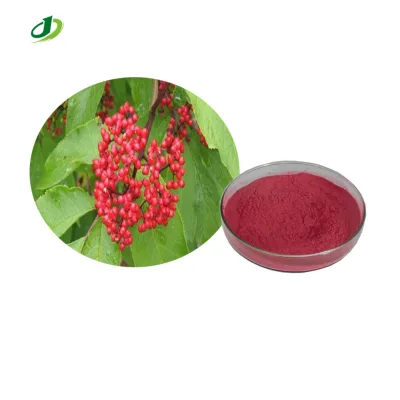


Natural Elderberry Extract Organic Elderberry Extract Herbal Extract Food Ingredient
$1.00 - $100.00
MOQ: 1 Pieces


Natural Plant Extract Health Food Supplement Additive Elderberry Extract
$25.00 - $28.00
MOQ: 1 kilograms


Comprehensive Sourcing Guide
Anthocyanidin Elderberry Extract Sourcing Guide
Procuring high-quality Anthocyanidin Elderberry Extract requires a disciplined approach to verifying botanical authenticity and chemical potency. Buyers must prioritize suppliers who provide transparent assay results, as the active ingredient profile directly influences product efficacy in health care and cosmetic applications. The market offers various forms, primarily powders, with distinct color profiles ranging from purple red to fuchsia, which serve as initial visual indicators of extraction quality. Understanding these physical attributes helps in selecting the right grade for specific end-use formulations, whether for dietary supplements or skin care products.
Beyond visual inspection, the extraction method plays a critical role in determining the final product's consistency and purity. Solvent extraction is a common technique, but buyers should verify how residual solvents are managed to ensure safety compliance. The source material, typically elderberry fruit, must be sourced from reputable agricultural regions to minimize contamination risks. Establishing a clear specification for the active ingredient concentration is essential, as variations in anthocyanidin content can significantly impact the performance of the final consumer product.
Product Scope and Observed Listing Signals
The current market landscape for elderberry extract features a diverse range of product listings, with observed prices spanning from $0.5 to $500 USD. This wide variance reflects differences in purity levels, packaging formats, and supplier scale. Minimum order quantities typically range from 1 to 100 units, offering flexibility for both small-scale trials and bulk industrial procurement. Many suppliers indicate that products are currently in stock, which can expedite the sourcing timeline for urgent procurement needs. Buyers should carefully evaluate these signals to align their inventory strategy with supplier availability.
Product attributes vary significantly across listings, with some offering customized services while others provide standard non-customized options. Packaging formats include bags, bottles, drums, and vacuum-packed containers, often weighing 1kg or 25kg. The primary ingredient is consistently identified as elderberry fruit extract, with applications extending to medicine, health care products, and food. Some listings also highlight suitability for skin care, indicating a dual-use potential for cosmetic formulations. Buyers must cross-reference these attributes with their specific technical requirements to avoid mismatches in application suitability.
Technical Specifications to Verify
Verifying the assay method is a critical step in ensuring the accuracy of potency claims. Suppliers may utilize UV or HPLC methods to determine the concentration of active ingredients, with HPLC generally offering higher precision for complex botanical extracts. The standard purity levels observed in the market often exceed 98%, but buyers should request specific assay certificates to confirm the exact concentration of anthocyanidins. Some listings specify a 25% anthocyanidin content, which serves as a key benchmark for quality differentiation. Confirming these numerical values prevents discrepancies between ordered specifications and delivered goods.
Physical characteristics such as color and form provide additional verification points for quality control. The extract is typically available as a powder, with colors ranging from purple red to fuchsia, indicating the presence of natural pigments. The grade of the product, whether for cosmetics or food, must align with the intended application. Buyers should also verify the extraction type, as solvent extraction methods can influence the final profile of the extract. Ensuring that the product model or identifier matches the supplier's internal tracking systems helps in maintaining consistency across multiple orders.
Compliance and Safety Documentation
Compliance with international standards is non-negotiable for global procurement. Suppliers should provide certifications such as HACCP, ISO, and FDA registration to demonstrate adherence to safety and quality management systems. These certifications indicate that the manufacturing facility follows rigorous protocols for hygiene, documentation, and process control. Buyers must verify the validity of these certificates, as they are often subject to periodic audits and renewals. The presence of a COA (Certificate of Analysis) and MSDS (Material Safety Data Sheet) is essential for understanding the product's chemical properties and handling requirements.
Storage and handling instructions are equally important for maintaining product integrity. The extract should be stored in a cool, dry place to prevent degradation of the active anthocyanin compounds. Buyers should ensure that their own storage facilities meet these conditions to preserve potency over time. The quality guarantee period, often cited as two years, provides a baseline for shelf-life expectations. However, actual stability may vary based on packaging and environmental conditions, so buyers should conduct their own stability testing if long-term storage is planned.
Cost Drivers and Commercial Terms
Several factors influence the final cost of Anthocyanidin Elderberry Extract, including purity, packaging, and order volume. Higher purity levels and specialized packaging, such as vacuum-sealed drums, typically command premium prices. Buyers should negotiate based on the total cost of ownership, which includes shipping, insurance, and potential customs duties. Payment methods vary, with options like T/T, credit card, and PayPal available, each carrying different transaction fees and security levels. Understanding these commercial terms helps in budgeting accurately and avoiding unexpected expenses.
Shipping methods and lead times also impact the overall procurement cost. Express delivery options, such as air freight, offer faster turnaround times but at a higher cost, while sea freight is more economical for large volumes. Suppliers often provide cost-effective shipping solutions, but buyers should compare quotes from multiple carriers to find the best balance between speed and expense. The express time for delivery is typically around 5-7 days for air freight, which is crucial for just-in-time inventory management. Clarifying these logistics details early in the negotiation process prevents delays and ensures smooth supply chain operations.
Supplier Qualification and Quality Control
Supplier qualification involves a thorough assessment of their manufacturing capabilities and quality control processes. Buyers should request detailed information about the supplier's production facilities, including equipment used for extraction and purification. The ability to provide free samples is a positive indicator, allowing buyers to test the product's quality before committing to a large order. However, sample quality does not always guarantee batch consistency, so buyers should establish clear quality benchmarks for bulk production. Verifying the supplier's track record and customer references can provide additional confidence in their reliability.
Quality control measures should be integrated into the procurement process from the outset. Buyers should specify the test methods and acceptance criteria in the purchase contract to ensure alignment with supplier practices. Regular audits of the supplier's quality management system can help identify potential issues before they impact production. The use of standardized models and identifiers, such as ST-elderberry extract, facilitates consistent communication and tracking. Establishing a robust quality control framework protects the buyer from receiving substandard products and ensures compliance with regulatory requirements.
Long-Term Procurement Checks
Long-term procurement success depends on continuous monitoring of supplier performance and market trends. Buyers should regularly review supplier certifications to ensure they remain valid and up-to-date. Changes in regulatory standards or customer preferences may require adjustments in product specifications, so maintaining open communication with suppliers is essential. Tracking the performance of delivered batches, including any deviations from specifications, helps in identifying trends and addressing issues proactively. This data-driven approach enables buyers to make informed decisions about supplier relationships and product sourcing strategies.
Sustainability and ethical sourcing are increasingly important considerations for long-term procurement. Buyers should inquire about the supplier's practices regarding raw material sourcing, including agricultural methods and labor conditions. Ensuring that the elderberry fruit is sourced responsibly can enhance brand reputation and meet consumer expectations. Additionally, monitoring market prices and availability helps in anticipating supply chain disruptions and negotiating favorable terms. By staying informed about industry developments, buyers can maintain a competitive edge and ensure a stable supply of high-quality Anthocyanidin Elderberry Extract.
FAQs
What is the active ingredient in Anthocyanidin Elderberry Extract?
The primary active ingredient is anthocyanins, derived from elderberry fruit extract. This powder typically contains at least 25% anthocyanidin content. It is processed using solvent extraction methods to ensure high purity levels above 98%. The resulting material appears as a purple red or fuchsia powder suitable for various applications.
Which certifications are available for this elderberry extract product?
The product holds HACCP, ISO, and FDA certifications. Additionally, a Certificate of Analysis and Material Safety Data Sheet are provided. These documents verify quality and safety standards. The manufacturing process adheres to strict guidelines, ensuring the extract meets international regulatory requirements for food, medicine, and health care products.
How should Anthocyanidin Elderberry Extract be stored to maintain quality?
Store the powder in a cool and dry place to preserve its integrity. The recommended storage method prevents degradation of the active anthocyanins. Proper packaging, such as vacuum-packed drums or aluminum foil bags, helps maintain freshness. Keeping the product away from moisture and direct sunlight ensures optimal stability throughout its two-year quality guarantee period.
Can this elderberry extract be customized for specific applications?
Yes, customized service is available for this product. Buyers can request specific packaging options, such as 1kg bags or 25kg drums. The supplier offers tailored solutions for different industries, including cosmetics and food. Customization allows for precise alignment with your formulation needs, ensuring the extract integrates seamlessly into your final product design.
What is the minimum order quantity for this extract?
The minimum order quantity is 1 kilogram. This low MOQ allows buyers to test the product quality before committing to larger purchases. Samples are often available for free evaluation. The flexible ordering structure supports both small-scale trials and bulk industrial requirements, making it accessible for various business sizes and project scopes.
What forms and colors does this elderberry extract come in?
The extract is available in powder form with a distinct purple red or fuchsia color. It is produced via solvent extraction to achieve high purity. The powder is suitable for use in skin care, food, and health care products. The visual appearance indicates the presence of natural anthocyanins, providing both functional benefits and aesthetic appeal.