Source Anti-Aging Hydra Dermabrasion Machine for Salons
Find 30 Anti-Aging Hydra Dermabrasion Machine options for salon and home use. Compare features like RF, vacuum, and ion therapy to select the right equipment for facial cleaning and skin rejuvenation; compare the available evidence and request quotations based on your requirements.
Key considerations
Products List


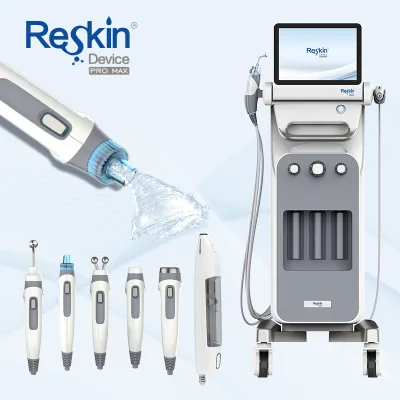


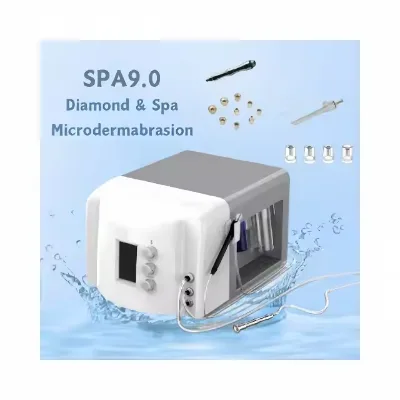


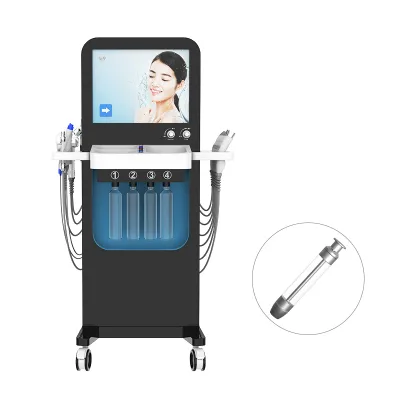


4 in 1 Hydrodermabrasion Machine Water Dermabrasion Oxygen Beauty Machine
$500.00 - $800.00
MOQ: 1 Pieces


Professional Hydra Dermabrasion Machine / Hydro Microdermabrasion Facial Machine
$1600.00 - $2500.00
MOQ: 1 Pieces


Comprehensive Sourcing Guide
Anti-Aging Hydra Dermabrasion Machine Sourcing Guide
The market for anti-aging hydra dermabrasion machines presents a diverse array of multifunctional beauty equipment designed for both commercial salons and home use. Buyers observe listings featuring devices that combine vacuum dermabrasion with radio frequency and photon technologies to address skin tightening, whitening, and acne control. These units often target combination skin types and are engineered to perform deep facial cleaning while simultaneously delivering moisturizing benefits to the epidermis.
Procurement decisions must account for the variability in product models, such as the YC-002 and QA06 series, which differ in physical dimensions and operational theories. While some units rely on laser theories, others utilize RF frequencies up to 5MHz to stimulate collagen production. Sourcing agents should verify that the specific model selected aligns with the intended application, whether for professional salon environments or personal home care routines, ensuring the technology matches the desired clinical outcomes.
Product Scope and Observed Listing Signals
Current listings indicate a price range between 85 and 4000 USD, reflecting significant variation in feature sets and build quality across different suppliers. The minimum order quantity is frequently observed at just one set, allowing for low-risk trial purchases of these complex beauty devices. Buyers should note that while the core function remains consistent, the specific combination of features like exfoliation, skin revitalization, and pigment removal varies by manufacturer and model specification.
Product attributes observed in the market include portable designs with color options in green or grey, constructed from durable ABS and metal materials. The devices are typically packaged in cartons or boxes and originate primarily from China, with specific manufacturing hubs in Guangdong. When evaluating listings, purchasers must distinguish between general descriptions and specific capabilities, such as the inclusion of ion technology or vibration functions, which are critical for effective blackhead removal and skin rejuvenation.
Technical Specifications to Verify
Technical due diligence requires confirming the voltage compatibility and plug types to ensure global operational readiness. Observed specifications list voltage ranges of 110V to 220V at 50-60Hz, with plug configurations available for regions including the US, EU, UK, and Australia. Buyers must verify that the power supply matches their local grid standards to prevent equipment damage, as the listed voltage range suggests adaptability but requires specific plug adapters for different markets.
Performance metrics such as vacuum pressure and RF frequency are critical for validating the efficacy of the treatment. Listings cite vacuum pressures ranging from 0 to 90kpa and RF frequencies up to 5MHz, which are essential for deep cleaning and skin tightening. Procurement teams should request detailed test data or operational manuals to confirm that the device maintains these parameters consistently, ensuring the machine delivers the promised results for anti-aging and acne treatment without compromising safety or performance.
Compliance and Safety Documentation
Regulatory compliance is a primary concern when importing medical-grade beauty equipment, with CE certification appearing as a key standard in available listings. Buyers must insist on valid certification documents that verify the device meets international safety requirements for electrical appliances and medical devices. The presence of CE marking suggests adherence to specific health and safety standards, but verification of the certificate's authenticity and scope is necessary to ensure legal market entry.
Safety features and after-sales support structures are equally vital for long-term operational reliability. Suppliers often provide free spare parts, video technical support, and online assistance to mitigate downtime risks. Procurement contracts should explicitly define the scope of these support services, ensuring that the buyer has access to replacement components and expert guidance for troubleshooting. This documentation serves as a critical safety net for maintaining equipment integrity and user safety in professional settings.
Cost Drivers and Commercial Terms
The final cost of an anti-aging hydra dermabrasion machine is influenced by the complexity of its technology, including the integration of RF, photon, and ion systems. Units offering advanced features like skin rejuvenation and deep cleaning typically command higher price points within the observed 85 to 4000 USD range. Buyers should analyze the cost-to-feature ratio carefully, ensuring that the premium paid for multifunctional capabilities translates into tangible business value for their specific service offerings.
Commercial terms such as packaging dimensions and weight impact logistics expenses and storage requirements. Observed product standards list dimensions ranging from 46x31x48cm to 110x81x65cm, with weights varying significantly based on the model. Sourcing agents must calculate total landed costs by factoring in shipping fees for these bulky items, as the physical specifications directly affect freight charges and warehouse space allocation. Clear agreement on Incoterms is essential to manage these logistical variables effectively.
Supplier Qualification and Quality Control
Supplier qualification should focus on verifying the origin and manufacturing capabilities of the provider, with many units originating from Guangdong, China. Buyers must assess the supplier's ability to provide OEM services and customization options, as these factors determine the flexibility to brand the equipment or modify features for specific market needs. Establishing a direct relationship with a manufacturer capable of supporting custom orders ensures better control over product specifications and quality consistency.
Quality control protocols must be established to validate the durability and performance of the equipment before mass deployment. The use of high-grade materials like ABS and metal suggests robust construction, but independent verification of build quality is recommended. Procurement teams should request sample units for testing to confirm that the vacuum pressure, voltage stability, and functional features meet the advertised specifications, ensuring that the final product delivers reliable results for end-users.
Long-Term Procurement Checks
Sustained procurement success depends on monitoring the shelf life and long-term performance of the beauty equipment. Listed products typically offer a shelf life of two years, which sets a baseline for warranty expectations and replacement planning. Buyers should establish a maintenance schedule that aligns with this timeline, ensuring that the devices remain in optimal working condition throughout their operational lifespan and that any degradation in performance is addressed promptly.
Future-proofing the procurement strategy involves staying informed about evolving technology standards and after-sales service updates. As the beauty industry advances, newer models may incorporate enhanced features like improved pigmentation removal or more efficient skin tightening mechanisms. Maintaining open communication with suppliers regarding product updates and service enhancements allows buyers to adapt their inventory to meet changing consumer demands and technological advancements in the anti-aging skincare sector.
FAQs
What technology does the Anti-Aging Hydra Dermabrasion Machine use?
The device utilizes a combination of RF, Photon, Vibration, Ion, and Cool technologies alongside Vacuum Dermabrasion. This multi-functional approach targets skin tightening, whitening, and rejuvenation. It is designed for both salon and home use, offering deep cleaning and acne control for combination skin types with a portable design.
Can the Anti-Aging Hydra Dermabrasion Machine be customized for branding?
Yes, customization is available for this equipment. Buyers can request OEM services to tailor the product to their specific brand requirements. The machine supports various plug types including Au, UK, EU, US, CN, JP, and ZA, ensuring global compatibility for different market needs and commercial applications.
What is the MOQ for ordering an Anti-Aging Hydra Dermabrasion Machine?
The minimum order quantity is one set. This low MOQ allows buyers to test the product quality before committing to larger volumes. The machine is priced between 85 and 4000 USD, making it accessible for various business scales, from small salons to larger commercial beauty centers seeking versatile equipment.
What certifications does the Anti-Aging Hydra Dermabrasion Machine have?
The machine holds CE certification, ensuring it meets European health, safety, and environmental protection standards. This certification is crucial for importing and selling in regulated markets. The device is manufactured in Guangdong, China, and includes after-sales services like free spare parts and video technical support for long-term reliability.
How does the Anti-Aging Hydra Dermabrasion Machine handle vacuum pressure?
The device operates with a vacuum pressure range of 0 to 90kpa. This adjustable pressure allows for gentle exfoliation and deep pore cleaning without causing damage. It is particularly effective for blackhead removal and skin revitalization, targeting the face and nose areas to improve overall skin texture and appearance for adult users.
What are the dimensions of the Anti-Aging Hydra Dermabrasion Machine?
The product standard dimensions vary by model, with common sizes around 46x31x48cm or 47x32x49cm. The weight is approximately 8.5kg, making it portable for salon use. The packaging is typically a carton or box, ensuring safe transport. These compact dimensions facilitate easy storage and movement within beauty treatment rooms.