Source Nylon Monofilament Bristle for brushes, fishing, and sewing
Compare 30 listings for Nylon Monofilament Bristle from verified suppliers in China. Buyers can evaluate specifications like diameter, material grades, and customization options for applications in facial cleansing brushes, fishing lines, and sewing threads.
Key considerations
Products List


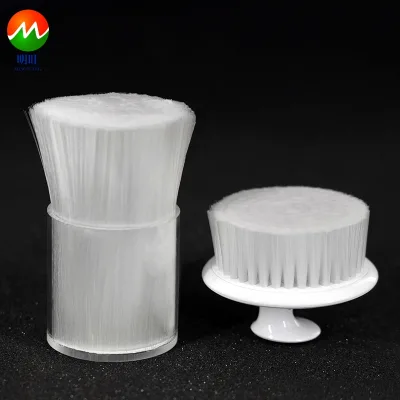
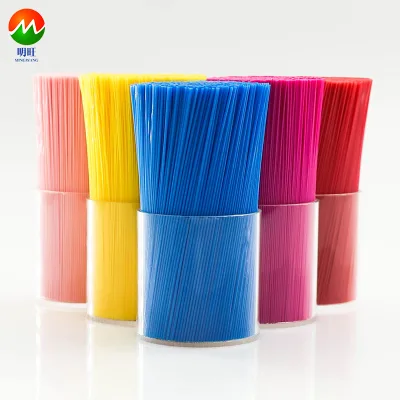


Multi-Colored Solid Bristle Synthetic Monofilament Bristle for Paint Brush Making
$10000.00 - $100000.00
MOQ: 1 Sets


Boar Bristle Paint Brush Bristles Tapered Painting Tools Filament for Paint Brush
$10000.00 - $100000.00
MOQ: 1 Sets

Pet Plastic Monofilament Machine for Crimping/Flagging/Round/Triangle Broom Bristles
$10000.00 - $100000.00
MOQ: 1 Sets




Comprehensive Sourcing Guide
Nylon Monofilament Bristle Sourcing Guide
Sourcing nylon monofilament bristles requires a disciplined approach to material selection, dimensional precision, and regulatory compliance. These components serve as the structural backbone for a wide array of industrial and consumer products, ranging from facial cleansing devices and industrial brushes to specialized filtration systems. The procurement process is not merely about purchasing a commodity; it is about securing a consistent supply of high-performance filaments that meet exacting mechanical and aesthetic standards. Buyers must navigate a landscape where material properties, such as elasticity and thermal resistance, directly impact the final product’s durability and user experience.
This guide provides a structured framework for evaluating suppliers and specifications based on observed market data and trusted industry knowledge. It focuses on the critical decision points that determine supply chain stability and product quality. By understanding the interplay between polymer types, manufacturing processes, and commercial terms, procurement professionals can mitigate risks associated with inconsistent quality, regulatory non-compliance, and supply disruptions. The following sections detail the essential verification steps and strategic considerations necessary for successful sourcing.
Product Scope and Observed Listing Signals
The market for nylon monofilament bristles exhibits significant variability in product configurations, reflecting diverse end-use requirements. Observed listings indicate a broad diameter range, typically spanning from 0.05mm to 3.0mm, with specific segments focusing on ultra-fine filaments between 0.15mm and 0.25mm for delicate applications. This variance allows buyers to select filaments tailored to specific stiffness and flexibility needs. For instance, finer diameters are often preferred for personal care items where softness is paramount, while thicker filaments provide the necessary rigidity for heavy-duty cleaning or industrial brushing tasks.
Color and packaging options further define the product scope, with standard offerings including white, black, and clear variants, alongside custom Pantone color matching. Packaging is typically designed for bulk efficiency, utilizing PE soft film, wrap, and crepe paper to protect the filaments during transit. Suppliers often report supply abilities ranging from 2,000 kilograms per month to 3,000 tons per year, indicating that both small-batch prototyping and large-scale industrial procurement are feasible. Buyers should verify the specific packaging dimensions and weight limits, such as single package sizes around 10x10x8 cm or 12x20x5 cm, to ensure compatibility with their internal logistics and storage infrastructure.
Technical Specifications to Verify
Material composition is the primary technical determinant of bristle performance, with common polymers including PA6, PA66, PA610, PA612, PBT, and PP. Each material offers distinct advantages; for example, PA66 provides high strength and heat resistance, while PBT offers superior chemical resistance and lower moisture absorption. Buyers must verify the specific polymer grade and its melting point, which typically ranges from 160°C to 260°C, to ensure compatibility with downstream processing methods such as molding or cutting. The density of the material, generally between 1.04 and 1.35 g/cm³, also influences the weight and feel of the final product, requiring precise specification alignment.
Dimensional accuracy and cross-sectional geometry are equally critical for consistent performance. Filaments are available in solid round, round hollow, and level sections, with standard cutting lengths varying from 40mm to 1230mm±10mm. Buyers should confirm whether the supplier offers custom length cutting services, as many applications require specific fiber lengths to achieve desired bristle density and flexibility. Additionally, the processing service, whether extruding, molding, or cutting, must align with the buyer’s manufacturing capabilities. Verification of the single package gross weight and net weight per carton, often around 25kg, is essential for accurate freight cost calculation and inventory management.
Compliance and Safety Documentation
Regulatory compliance is non-negotiable for nylon monofilament bristles, particularly those intended for consumer goods, personal care, or food-contact applications. Buyers must request and verify certification documents such as RoHS, REACH, SVHC, and PAHS compliance. These certifications ensure that the filaments are free from restricted hazardous substances, protecting both the end-user and the brand from legal and reputational risks. The presence of these approvals indicates that the supplier adheres to stringent environmental and safety standards, which is increasingly important in global markets with strict chemical regulations.
Beyond chemical compliance, buyers should assess the supplier’s ability to provide material safety data sheets (MSDS) and test reports that confirm the physical properties of the bristles. Features such as low elasticity, high strength, and eco-friendliness should be substantiated by third-party testing rather than relying solely on supplier claims. For products requiring specific color fastness or dye stability, buyers should inquire about the dyeing process and verify that the pigments used are also compliant with relevant safety standards. Ensuring that all documentation is up-to-date and verifiable is a critical step in mitigating supply chain risk.
Cost Drivers and Commercial Terms
The cost of nylon monofilament bristles is influenced by several key factors, including raw material prices, production volume, and customization requirements. The choice of polymer significantly impacts cost, with PA66 and PBT generally commanding higher prices than standard PA6 due to their enhanced performance characteristics. Customization, such as specific diameters, colors, or cutting lengths, can also increase unit costs due to the additional setup and processing time required. Buyers should evaluate the trade-off between customization and cost, considering whether standard specifications can meet their functional requirements without incurring premium pricing.
Commercial terms, including minimum order quantities (MOQ) and payment conditions, play a crucial role in total cost of ownership. Observed MOQs range from 1 to 5,000 units, offering flexibility for both trial orders and large-scale procurement. Buyers should negotiate terms that align with their inventory management strategy, balancing the benefits of bulk discounts against the risks of excess stock. Additionally, logistics costs, determined by the port of dispatch (such as Guangzhou or Shenzhen) and packaging efficiency, should be factored into the total landed cost. Understanding these cost drivers enables buyers to make informed decisions that optimize budget allocation without compromising quality.
Supplier Qualification and Quality Control
Supplier qualification begins with a thorough assessment of manufacturing capabilities and quality management systems. Buyers should verify the supplier’s production processes, including extruding and molding techniques, to ensure they can maintain consistent dimensional tolerances and material properties. Facilities located in key manufacturing hubs like Yangzhou, Jiangsu, or Guangdong, China, often have established supply chains and expertise in nylon filament production. However, geographic location alone is not a guarantee of quality; buyers must conduct on-site audits or request detailed process documentation to confirm adherence to best practices.
Quality control measures should be explicitly defined in the purchase agreement, including incoming material inspection, in-process monitoring, and final product testing. Buyers should establish clear acceptance criteria for diameter, length, color consistency, and mechanical strength. Regular sampling and third-party inspections can help detect deviations early, preventing costly rejections or production delays. Furthermore, suppliers should demonstrate a commitment to continuous improvement, with mechanisms in place to address non-conformities and enhance product reliability over time. Building a partnership based on transparent communication and rigorous quality standards is essential for long-term success.
Long-Term Procurement Checks
Sustaining a reliable supply of nylon monofilament bristles requires ongoing monitoring of supplier performance and market dynamics. Buyers should establish key performance indicators (KPIs) related to delivery reliability, quality consistency, and responsiveness to issues. Regular reviews of these metrics help identify potential risks before they escalate, allowing for proactive mitigation strategies. Additionally, maintaining a diversified supplier base can reduce dependency on a single source, providing greater flexibility in response to demand fluctuations or supply disruptions.
As regulatory landscapes and material technologies evolve, buyers must stay informed about emerging standards and innovations in nylon filament production. This includes monitoring changes in chemical regulations, such as updates to REACH or RoHS directives, and assessing the availability of sustainable or recycled material options. Engaging in continuous dialogue with suppliers about future needs and technological advancements can foster collaborative relationships that drive value. By prioritizing long-term partnership over transactional purchasing, buyers can secure a stable, high-quality supply of nylon monofilament bristles that supports their business objectives.
FAQs
What materials are used for nylon monofilament bristles?
The bristles are made from PA66, PA610, PA612, PBT, or 100% Nylon. These materials offer high strength and temperature resistance suitable for various industrial applications.
Can I customize the diameter and length of the bristles?
Yes, customization is available for both diameter and length. The diameter ranges from 0.06mm to 3.0mm, and lengths can be cut to specific requests or standard sizes.
Which certifications do these nylon bristles hold?
The products hold RoHS, PAHS, SVHC, and REACH certifications. These approvals ensure the materials meet international safety and environmental standards for various global markets.
How is the Nylon Monofilament Bristle packaged for shipping?
Packaging includes PE soft film, PE wrap, crepe paper, or spools. Approximately 11 tons can be loaded into a 20-foot container depending on the specific packaging configuration.
What is the supply capacity for nylon monofilament bristles?
Supply ability reaches up to 3000 tons per year for facial cleansing brush filaments. Some variants offer a monthly capacity of 2000 kilograms to meet specific order volumes.
Where are these nylon bristles manufactured?
Products originate from Yangzhou, Jiangsu, and Guangdong, China. The dispatch ports are Guangzhou and Shenzhen, facilitating efficient logistics for international buyers.