Source Anti-Aging Pro-Xylane Powder for Cosmetics, Skincare, and Serums
Explore 30 listings for anti-aging pro-xylane powder with varying purity levels and packaging options. Buyers can compare specifications, MOQs, and supplier details for cosmetic raw materials directly from verified manufacturers.
Key considerations
Products List
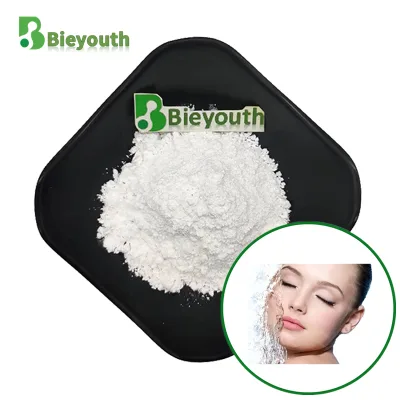
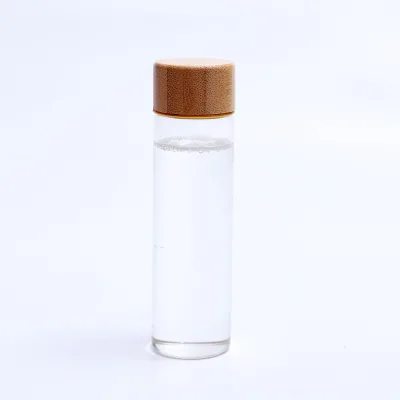
Skincare Raw Material Proxylane Anti Wrinkle Pro-Xylane Bosin Pro-Xylane
$213.96 - $219.20
MOQ: 1 kilograms


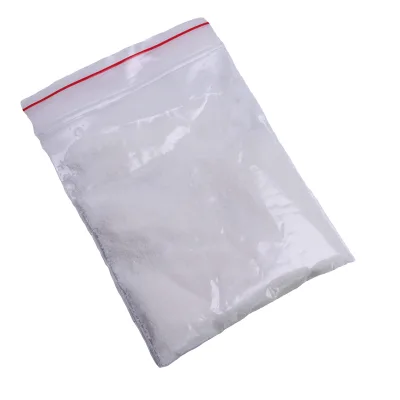
L-Proline for Cosmetics Anti-aging Agents 147-85-3 Food Nutrition Reinforcement
$18.00 - $28.00
MOQ: 1 Minimum


Comprehensive Sourcing Guide
Strategic Sourcing Guide for Anti-Aging Pro-Xylane Powder
Understanding Product Identity and Technical Specifications
The procurement of anti-aging pro-xylane powder requires a precise understanding of the chemical identity and physical attributes that distinguish high-quality raw materials from generic alternatives. In the current market, the core keyword "anti-aging pro-xylane powder" often encompasses variations in purity, physical state, and molecular composition. Buyers must first verify the exact chemical specifications against their formulation requirements. The supplied data indicates that the product is frequently described by the molecular formula C8H16O5, though some listings reference C15H2O3, suggesting potential confusion in product naming or the presence of different derivative forms. A critical observation is the variance in molecular weight, with figures ranging from 192.21 to 618.93, which necessitates strict verification of the specific batch or lot being sourced.
Physical appearance is another primary differentiator. While the target keyword specifies "powder," the observed product attributes list appearances ranging from "white powder" to "colorless, odorless, transparent liquid." This discrepancy highlights the importance of defining the desired physical state before initiating a request for quotation. High-purity variants are consistently noted to have a purity of 99%, with some specifications extending to 99.9%. The product is generally categorized as a cosmetic grade herbal extract or solvent extraction product, often marketed under aliases such as "Poly" or "Pro-Xylane." The shelf life is typically standardized at 2 years, provided the material is stored in a cool, dry place. Buyers should explicitly confirm whether the specific lot they are evaluating matches the powder form, as the liquid form may require different handling and storage protocols.
Compliance, Certification, and Regulatory Verification
Navigating the regulatory landscape for cosmetic ingredients is a fundamental step in the sourcing process. The market data reveals a spectrum of certifications claimed by suppliers, including Halal, ISO, and Kosher. While these certifications are valuable for market access in specific regions, buyers must treat them as observations rather than universal guarantees. The presence of an EINECS number (213-767-3) and a CAS number (439685-79-7) provides a baseline for chemical identification, but these numbers must be cross-referenced with the specific batch documentation to ensure regulatory compliance in the destination market.
The standard purity levels observed in the market include 98%, 99%, and 99.9%. However, the absence of a universally mandated standard in the provided context means that buyers cannot assume all products labeled "99%" meet the same internal quality benchmarks. It is essential to verify if the supplier holds valid ISO 9001 certification, although this is noted as a low-confidence background fact in the available data. Therefore, procurement teams should request current, verifiable certificates of analysis (CoA) and certificates of compliance (CoC) for every order. The "Cosmetic Grade" designation is a critical baseline, but it should be supplemented with specific safety data sheets (SDS) that address the "Not Applicable People" category, which includes children, to ensure the ingredient is safe for the intended demographic.
Cost Drivers and Economic Factors in Procurement
The economic landscape for pro-xylane is characterized by significant volatility in pricing and minimum order quantities (MOQ). The observed price range in the market spans from $1.02 to $1,800 USD, a disparity that reflects differences in purity, packaging size, and supplier positioning. A unit price of $1.02 likely corresponds to a very small sample or a specific low-volume transaction, whereas the $1,800 figure may represent a bulk industrial drum or a specialized high-concentration batch. Understanding these drivers is crucial for budgeting and cost-of-goods-sold (COGS) calculations.
MOQs are equally variable, ranging from a single unit to 1,000 units, with specific listings indicating an MOQ of 2kg. This variance allows for flexibility but also introduces complexity in supply chain planning. Smaller MOQs, such as 1kg per bottle or bag, are suitable for R&D and small-batch production, while larger volumes, such as 25kg drums, are necessary for mass manufacturing. The packaging format directly influences the unit cost; for instance, foil bags and drums with vacuum packing may carry a premium over standard cartons. Buyers should also consider the "Single gross weight" of the product, which varies from 0.500 kg to 2.000 kg depending on the packaging configuration. These weight differences impact shipping costs and logistics planning, which should be factored into the total landed cost rather than just the ex-works price.
Typical Applications and Formulation Integration
Pro-xylane is predominantly utilized in the cosmetic industry, specifically as an anti-aging and anti-wrinkle active ingredient. The product features are often marketed as "high purity" and "colorless and odorless," which are desirable traits for formulators aiming to maintain the sensory profile of their final products. The application scope is broad, covering various cosmetic formulations where the ingredient acts to improve skin elasticity and reduce the appearance of fine lines. The "All Seasons" designation suggests stability across different environmental conditions, making it suitable for products intended for global distribution.
The versatility of the ingredient is further evidenced by the availability of different concentrations, including 30%, 35%, 50%, and 99%. This allows formulators to tailor the dosage to achieve specific efficacy targets without compromising the stability of the base formula. The "Customization: Available" attribute indicates that suppliers may offer bespoke solutions, such as specific packaging sizes or tailored purity levels, to meet unique client needs. However, the "Not Applicable People: Children" warning serves as a critical boundary for application, restricting the use of this ingredient in products marketed specifically for pediatric use. Formulators must ensure that their final product labeling and marketing claims align with these safety restrictions to avoid regulatory penalties.
Supplier Evaluation and Operational Due Diligence
Evaluating suppliers for pro-xylane requires a rigorous due diligence process that goes beyond the information presented on product pages. The market features multiple brand names, including "Beiyouth" and "Bright Future," alongside generic listings. This diversity necessitates a careful assessment of the supplier's operational capabilities. Key factors to evaluate include the consistency of the "Place of Origin," which is listed as Shaanxi, China, and the reliability of their extraction methods, such as solvent extraction.
Buyers should prioritize suppliers who offer sample availability, as the "Sample: Available" and "Samples: Avaliable" attributes indicate a willingness to facilitate testing. The ability to provide samples is a strong indicator of a supplier's confidence in their product quality. Furthermore, the "Customization: Available" feature suggests a level of flexibility that can be advantageous for long-term partnerships. However, buyers must verify the supplier's capacity to maintain consistent quality across different batches. The variation in molecular weight and formula observed in the market underscores the need for strict quality control protocols. Suppliers should be able to demonstrate a robust system for managing the "Single package size" and "Single gross weight" to ensure that the product delivered matches the specifications agreed upon in the purchase order.
Quality Control Protocols and Long-Term Procurement Strategy
Establishing a robust quality control (QC) framework is essential for mitigating risks associated with sourcing pro-xylane. The observed attributes, such as "Cool Dry Place" storage requirements and a "2 Years" shelf life, provide a baseline for handling and storage protocols. However, buyers must implement their own QC checks to verify these claims upon receipt. This includes visual inspection for the "White" color and "powder" texture, as well as laboratory testing for purity levels, which are claimed to be 99% or higher.
Long-term procurement strategies should focus on building relationships with suppliers who demonstrate transparency and consistency. The availability of "Certificates: Halal, ISO, Kosher" suggests that some suppliers are committed to international standards, but these should be verified annually. Buyers should also consider the "Packaging: Drum, Vacuum Packed, Carton" options to ensure the product remains stable during transit. The "Extraction Type: Solvent Extraction" method requires careful monitoring to ensure no residual solvents remain in the final product. By establishing clear specifications for molecular weight, purity, and physical appearance, buyers can create a standardized procurement process that minimizes variability and ensures the consistent quality of their anti-aging cosmetic products.
Comparative Analysis of Product Attributes
To facilitate decision-making, the following table summarizes the key variations observed in the market for anti-aging pro-xylane powder. This comparison highlights the critical attributes that buyers must verify to ensure alignment with their specific needs.
| Attribute Category | Observed Variations | Procurement Implication |
|---|---|---|
| Physical State | White powder, Colorless liquid, Odorless transparent liquid | Must specify desired state; affects storage and handling. |
| Purity Levels | 98%, 99%, 99.9% | Higher purity commands premium pricing; verify via CoA. |
| Molecular Data | Formula C8H16O5 vs. C15H2O3; MW 192.21 vs. 618.93 | Critical for chemical accuracy; prevents formulation errors. |
| Packaging | 1kg/bottle, 25kg/Drum, Foil Bag, Carton | Impacts MOQ, shipping costs, and shelf life management. |
| Certifications | Halal, ISO, Kosher (Variable availability) | Verify current status; essential for specific market entry. |
| MOQ | 1 unit to 1000 units; specific 2kg minimum | Aligns with production scale; affects cash flow and inventory. |
| Origin | Shaanxi, China | Consistent location; verify logistics and lead times. |
This structured approach to sourcing ensures that buyers can navigate the complexities of the pro-xylane market effectively. By focusing on verified attributes, maintaining strict quality control, and understanding the economic drivers, procurement teams can secure high-quality raw materials that support the development of effective anti-aging cosmetic products.
FAQs
What is the typical purity level for anti-aging pro-xylane powder?
The typical purity level is 99%, with some specifications reaching 99.9%. Buyers should verify the specific batch via a certificate of analysis to ensure it meets their formulation requirements.
Can I request samples before placing a bulk order?
Yes, samples are available for most listings to facilitate testing. This allows buyers to verify the physical state and purity before committing to larger minimum order quantities.
Which certifications are commonly associated with this product?
Common certifications include Halal, ISO, and Kosher. Buyers must verify the current status of these certificates for each supplier to ensure compliance with their target market regulations.
How should anti-aging pro-xylane powder be stored?
The product should be stored in a cool, dry place to maintain stability. Proper storage ensures the material retains its 2-year shelf life and physical appearance as a white powder.
What is the minimum order quantity for this ingredient?
Minimum order quantities vary from 1 unit to 1000 units, with some specific listings requiring a 2kg minimum. Smaller MOQs suit R&D, while larger volumes support mass manufacturing.
What is the shelf life of the pro-xylane powder?
The standard shelf life is 2 years when stored correctly. This duration assumes the product remains in a cool, dry environment and is kept in its original packaging.
Which molecular formula corresponds to the high-purity variant?
The high-purity variant often corresponds to the molecular formula C8H16O5. Buyers must confirm the exact formula and molecular weight to avoid confusion with other derivative forms.
Can suppliers customize the packaging for this product?
Yes, customization is available for packaging requirements such as drums, cartons, or foil bags. Suppliers can often tailor the package size to match specific logistics or storage needs.