Source Toddler Summer Kids Suit for Baby, Boy, and Unisex Needs
Explore 30 options for Toddler Summer Kids Suit including rompers and suits in cotton and polyester blends. Buyers can compare customization, fabric weight, and OEM services from verified manufacturers in China.
Key considerations
Products List


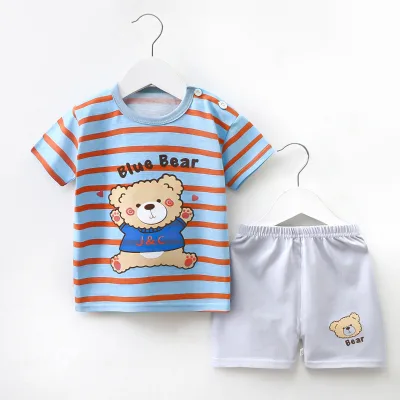
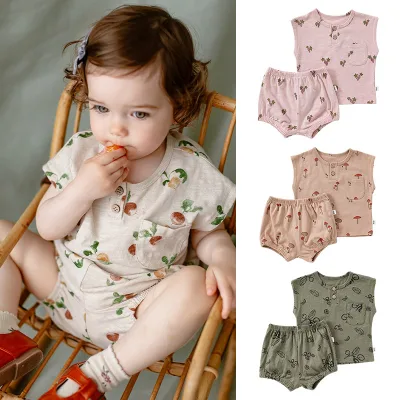
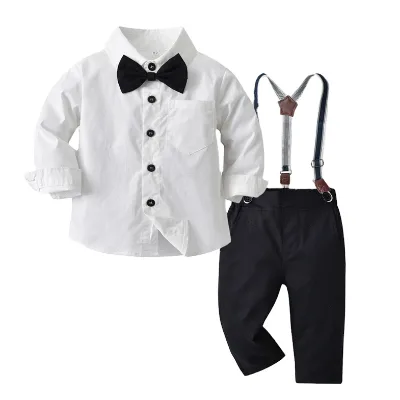


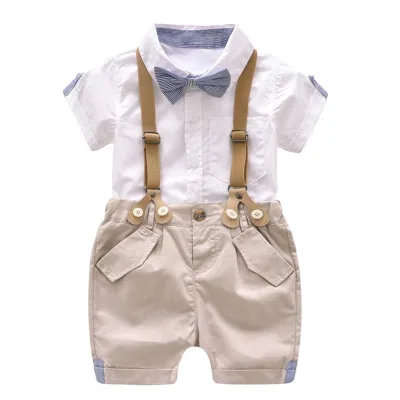
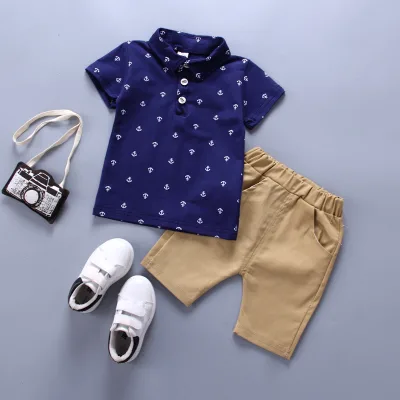
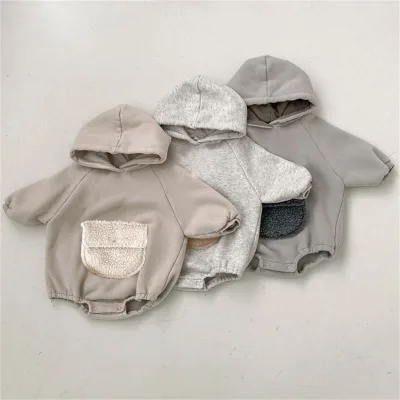
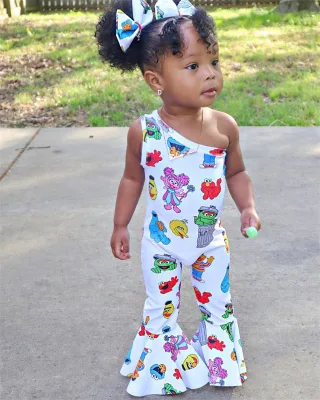
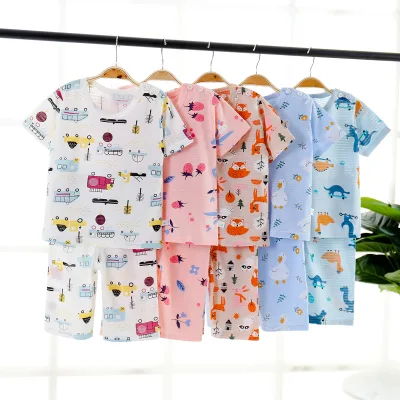


Comprehensive Sourcing Guide
Strategic Sourcing Guide for Toddler Summer Kids Suits
Procuring toddler summer kids suits requires a nuanced understanding of the intersection between seasonal fabric requirements, safety compliance, and manufacturing capabilities. The market for this specific category is defined by the need for breathable materials that withstand active play while adhering to strict textile standards for young children. Buyers must navigate a landscape where product attributes vary significantly between suppliers, necessitating a rigorous verification process. This guide outlines the essential technical, compliance, and operational factors to consider when sourcing these garments, ensuring that the final procurement aligns with quality expectations and regulatory requirements.
Technical Specifications and Material Composition
The foundation of a successful toddler suit lies in the technical specifications of the fabric and construction. For summer-specific items, the primary concern is breathability and moisture management. The supplied data indicates that high-confidence observations include products made from 100% Cotton, which is a standard choice for its softness and breathability, suitable for the sensitive skin of toddlers. However, variations exist, with some listings noting a Polyester/Cotton blend, which may offer different durability or wrinkle-resistance profiles. Buyers must verify the exact material composition for each order, as the "100% Cotton" attribute is not universal across all listings.
Fabric weight is another critical technical parameter. The observed data presents a range of weights, specifically noting 180GSM and 140GSM. For summer suits, a lighter weight such as 140GSM is often preferred to prevent overheating, while 180GSM might be selected for slightly cooler summer evenings or higher durability needs. The workmanship is frequently described as "Great Knitted," suggesting a focus on the integrity of the knit structure. Additionally, the design often includes features like buttons, round necks, and specific sleeve styles ranging from long to short or sleeveless. When sourcing, buyers should explicitly request the GSM and fiber content for the specific model number, such as ZS-5027 or ZC014, to ensure the physical properties match the intended seasonal use.
Compliance and Certification Verification
Compliance is non-negotiable when sourcing for toddlers, given the heightened sensitivity of this demographic to chemical residues and physical hazards. The supplied facts highlight specific certifications and standards that buyers should look for during the supplier evaluation phase. Notably, some products list BSCI and Oeko-Tex100 certifications, which are strong indicators of ethical manufacturing practices and restricted substance compliance. The Oeko-Tex100 standard specifically tests for harmful substances, a crucial check for baby and toddler wear.
Beyond the specific certifications mentioned, buyers must verify the existence of SGS testing reports. The data references SGS as a standard, implying that third-party testing is a common practice in this supply chain. However, the presence of a certification on a product page does not guarantee that every unit in a bulk order carries the same certification status. Buyers should request current, valid certificates that cover the specific production batch. It is also important to distinguish between high-confidence facts, such as the listed BSCI and Oeko-Tex100, and background information like GOTS or general OEKO-TEX references, which should be treated as potential but unverified attributes until confirmed by the supplier.
Cost Drivers and Pricing Dynamics
Understanding the cost structure of toddler summer suits is essential for budgeting and negotiation. The observed price range in the market spans from 1.4 to 15 USD, a significant variance that reflects differences in material quality, design complexity, and order volume. The Minimum Order Quantity (MOQ) is a primary driver of unit cost, with observed ranges extending from 1 to 1500 units. Suppliers offering lower MOQs, such as 100PCS for specific items like the "Custom Breathable Dry Fit Soccer Jersey Set," may charge a higher unit price due to the overhead of managing smaller batches. Conversely, larger orders typically benefit from economies of scale.
Other cost drivers include customization options. The availability of OEM and ODM services suggests that buyers can tailor designs, colors, and packaging, which often incurs additional costs. The "Great Knitted" workmanship and specific fabric weights like 180GSM may also command a premium over standard knits. Furthermore, the origin of the product, identified as China, influences logistics and duty costs, though it remains a major manufacturing hub for these goods. Buyers should analyze the total landed cost, including the base price, customization fees, and shipping, rather than focusing solely on the unit price listed on the product page.
Typical Applications and Design Considerations
The intended application of the toddler suit dictates the necessary design features. The data indicates that these suits are specifically "Suit for Baby" and "Suit for Baby" in various listings, with age ranges spanning from 0-24 months to 0-5 years. This broad age range implies that sizing and fit are critical. The observed size ranges, such as 0-12m and 0-24m, suggest that buyers must carefully map their target demographic to the supplier's size charts. The design attributes, including "Baby Suit" and "Striped" patterns, along with color options like Brown, Gray, and Black, allow for versatility in styling.
For summer applications, the sleeve style is a key design consideration. The market offers Long Sleeve, Short Sleeve, and Sleeveless options. While long sleeves might be preferred for sun protection, short or sleeveless styles offer better cooling. The presence of buttons and round necks adds to the functional design, facilitating easy dressing for toddlers. Buyers should ensure that the chosen design aligns with the specific climate conditions of the target market. For instance, a "Soft" feature is highlighted in the data, which is a critical attribute for comfort in hot weather. The "Custom Breathable Dry Fit" attribute further suggests that performance fabrics are available for active toddler wear, distinguishing them from standard casual suits.
Supplier Evaluation and Business Models
Evaluating suppliers requires a focus on their business type and service capabilities. The supplied facts identify the business type as "Manufacturer" and "Baby Suit Manufacturer," which generally implies direct control over the production process and potentially better pricing compared to trading companies. The availability of OEM and ODM services is a significant advantage for buyers looking to create private label products. The sample time is listed as 7-14 days, which is a standard lead time for creating prototypes. Buyers should verify if this timeline is consistent across different suppliers and if expedited options are available.
When assessing suppliers, buyers should look for evidence of the "Great Knitted" workmanship and "Great Knitted Baby Suit" quality claims. These are observational attributes that should be validated through physical samples. The packing method, described as "OPP Bag, or as Your Requirements," indicates flexibility in logistics. However, buyers must confirm if the supplier can meet specific packaging requirements for retail readiness. The model numbers, such as ZS-5076, ZN-820, and Jg18-Ks001, serve as unique identifiers for specific product lines. Buyers should request detailed specifications for these exact models to ensure consistency in quality and design before placing a bulk order.
Quality Control and Long-Term Procurement
Quality control is paramount in the toddler clothing sector. The data mentions specific technical parameters like "Color Fastness" ranging from 4-4.5 and "Washing Shrinkage" of +-3%. These are precise metrics that buyers should use as benchmarks for acceptance. A color fastness of 4-4.5 is generally acceptable for children's wear, but buyers must verify if this applies to the specific fabric and dye used in their order. Similarly, a shrinkage rate of +-3% is a standard tolerance, but exceeding this could lead to fit issues after washing.
For long-term procurement, consistency in the "100% Cotton" material and "Great Knitted" workmanship is essential. Buyers should establish a quality agreement that includes regular testing for the stated standards, such as SGS and Oeko-Tex100. The "Soft" feature and the specific age suitability (0-5 years) must be maintained across all production runs. Additionally, the "Technics" of the product, whether "Printed" or "Knitted," should be verified to ensure the design integrity remains intact. Establishing a relationship with a manufacturer that offers flexible packaging and reliable sample times will facilitate smoother scaling of orders. Buyers should also monitor the "Business Type" to ensure the supplier remains a direct manufacturer, as this often correlates with better quality control and communication channels.
Conclusion
Sourcing toddler summer kids suits involves a careful balance of technical verification, compliance checks, and supplier evaluation. The market offers a diverse range of options, from 100% Cotton suits with 140GSM weight to Polyester/Cotton blends with specific certifications like BSCI and Oeko-Tex100. Buyers must navigate the variance in prices, MOQs, and design features to find the right fit for their needs. By focusing on the specific attributes provided, such as fabric weight, color fastness, and workmanship, and by rigorously verifying certifications and sample quality, buyers can mitigate risks and ensure the delivery of high-quality products. The key to success lies in treating product attributes as observations to be validated rather than guaranteed claims, ensuring that every procurement decision is grounded in verified data and strict quality standards.
FAQs
What materials are used for toddler summer kids suits?
Products are primarily made from 100% Cotton or Polyester/Cotton blends. Buyers should verify the specific fiber content for each model, as some listings indicate 100% Cotton while others note a blend for different durability profiles.
Can I customize the design and packaging of these suits?
Yes, OEM and ODM services are available for customization. Buyers can request specific designs, colors, and packaging options like OPP bags, though custom requirements may affect the final unit price and lead time.
What is the typical sample time for these orders?
The standard sample time ranges from 7 to 14 days. This duration applies to creating prototypes, but buyers should confirm if expedited options exist for urgent project timelines before placing a bulk order.
Which certifications are verified for these toddler suits?
Some products list BSCI and Oeko-Tex100 certifications as high-confidence facts. Buyers must request current certificates for specific batches, as these standards verify ethical practices and restricted substance compliance for young children.
How does fabric weight affect the suitability for summer?
Observed weights include 140GSM and 180GSM, with lighter options preferred for summer breathability. Buyers should explicitly request the GSM for their chosen model to ensure the fabric prevents overheating during active play.
What is the minimum order quantity for these products?
The MOQ range spans from 1 to 1500 units depending on the supplier. Specific items like custom soccer jersey sets may require 100PCS, while other models offer lower thresholds to accommodate smaller initial orders.