Source anti-aging retinol body cream for skin repair, hydration, and firming
Compare 30 verified listings for anti-aging retinol body cream featuring moisturizing, whitening, and firming benefits. Buyers can evaluate customization options, certifications, and ingredient profiles to find suitable private label suppliers.
Key considerations
Products List


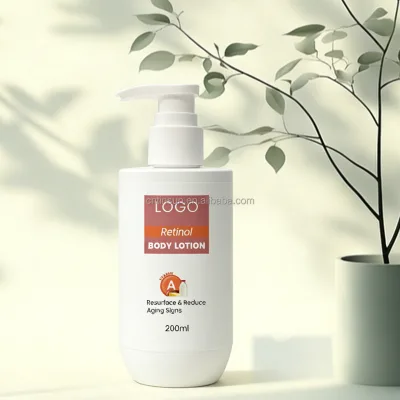
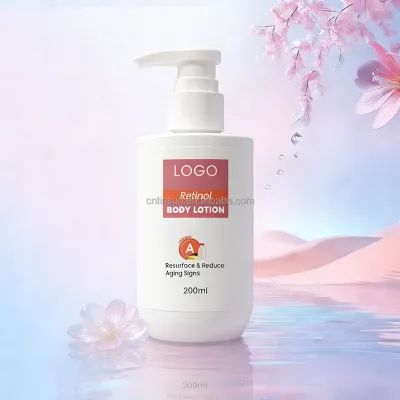


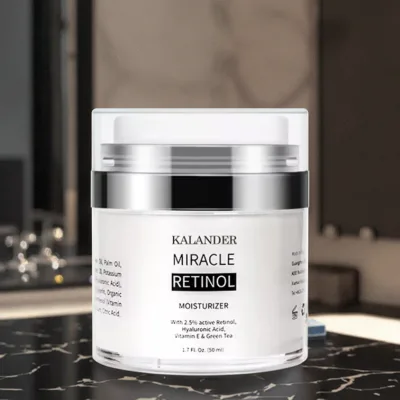
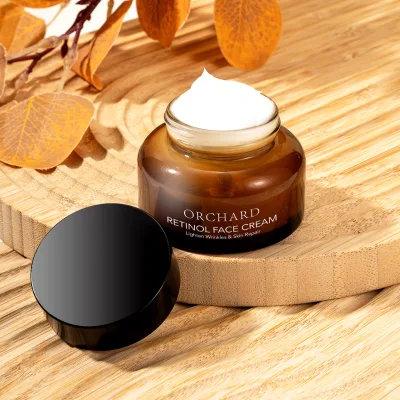
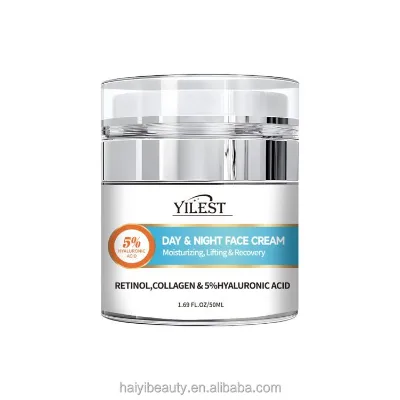


Private Label Retinol & Peptide Anti-Aging Cream for Firm and Smooth Skin
$1.37 - $3.65
MOQ: 1000 Pieces

Comprehensive Sourcing Guide
Strategic Sourcing Guide for Anti-Aging Retinol Body Cream
Understanding Product Specifications and Formulation Variants
When sourcing anti-aging retinol body cream, buyers must first navigate the diverse technical specifications available in the current market. The product landscape is not monolithic; it encompasses various formulations ranging from creams to lotions, each designed for specific application needs. Based on observed market data, the primary form factors include cream and lotion variants. The cream form is frequently associated with intensive moisturizing and nourishing properties, often packaged in bottles or boxes, while lotions may offer a lighter texture suitable for broader body application.
A critical distinction in specifications lies in the active ingredients and base composition. The core keyword "retinol" appears in specific product listings, often paired with names like "Retinel Body Lotion," suggesting a focus on anti-aging and whitening functions. However, other formulations rely on different active profiles, such as Aloe Vera, Shea Butter, and Glycerin. These ingredients serve as the foundation for moisturizing and nourishing claims. The presence of organic and sulfate-free attributes is also a significant specification trend, indicating a shift toward cleaner beauty standards. Buyers should verify whether the specific SKU they are evaluating contains the targeted retinol concentration or if it relies on alternative botanical actives for similar anti-aging effects.
The packaging specifications vary significantly, influencing both the perceived value and the functional integrity of the product. Observed packaging types include bottles, boxes, and custom-configured options. Standard net weights observed in the market range from 30g to 200g, with some specifications noting a standard volume of 50ml. This variation in size and form factor directly impacts the unit economics and the target demographic. For instance, smaller 30g units might be positioned as trial sizes or targeted at specific facial applications, whereas 200g bottles are more indicative of full-body treatment products. The ability to customize packaging, including the option for private labeling and custom logos, is a standard feature for many suppliers, allowing brands to align the physical product with their specific market positioning.
Compliance, Certification, and Regulatory Standards
Navigating the regulatory landscape is a paramount concern for B2B buyers importing cosmetic and personal care products. The anti-aging and retinol categories are subject to rigorous scrutiny regarding safety and efficacy. In the observed product data, several certification types are explicitly mentioned, including FDA, CE, GMP, and MSDS. These certifications serve as critical indicators of a supplier's adherence to international quality and safety standards.
FDA certification suggests compliance with United States Food and Drug Administration regulations, which is essential for selling in the North American market. CE marking indicates conformity with health, safety, and environmental protection standards for products sold within the European Economic Area. GMP (Good Manufacturing Practice) certification is a global benchmark for quality assurance, ensuring that products are consistently produced and controlled according to quality standards. MSDS (Material Safety Data Sheet) provides detailed information on the chemical composition and safety handling of the ingredients, which is crucial for logistics and regulatory compliance.
Buyers must exercise caution when interpreting these certifications. While the data lists these certifications as attributes of specific products, it does not guarantee that every listed item possesses all of them simultaneously. A product model might hold FDA and MSDS certifications, while another might only carry CE and GMP. Therefore, the procurement strategy must involve a direct verification process where the buyer requests current, valid certificates for the specific batch or model they intend to purchase. Relying on general category claims without verifying the specific documentation for the selected SKU can lead to regulatory hurdles at customs or in retail markets. Additionally, the presence of "Vegan" and "Organic" attributes should be backed by recognized organic certification bodies, as these claims are often subject to specific labeling laws that vary by region.
Cost Drivers and Pricing Dynamics
The pricing structure for anti-aging retinol body cream is influenced by a complex interplay of factors, including formulation complexity, certification status, packaging customization, and order volume. The observed price range in the market spans from $0.35 to $4.85 USD. This wide disparity highlights the significant impact of value-added services and ingredient quality on the final unit cost.
At the lower end of the price spectrum, products typically feature standard formulations with basic packaging and minimal customization. These items often rely on common ingredients like Glycerin and Shea Butter without the premium pricing associated with specialized retinol derivatives or organic certifications. Conversely, products at the higher end of the range likely incorporate advanced actives, hold multiple international certifications (such as both FDA and CE), and offer extensive private label customization. The inclusion of specific features like "Whitening," "Skin Revitalizer," and "Anti-Wrinkle" also adds to the perceived value and cost.
Minimum Order Quantity (MOQ) is another critical cost driver. The observed MOQ range extends from 1 unit to 3,000 units. Suppliers often offer lower prices for larger volume orders, leveraging economies of scale in production and packaging. However, the flexibility to order as few as one unit suggests that some suppliers cater to small businesses or sample testing, albeit potentially at a higher per-unit cost. Buyers must balance the need for inventory depth against the upfront capital expenditure. The "Private Label" nature of many products means that the cost of tooling for custom molds or printing custom packaging is often amortized over the order quantity. Therefore, a detailed cost-benefit analysis should consider the total landed cost, including shipping, duties, and the amortization of customization fees, rather than just the base unit price.
Typical Applications and Target Demographics
Understanding the intended application and target demographic is essential for aligning product selection with market demand. The observed data indicates a strong focus on adult consumers, with specific attributes listing "Age Group: Adults" and "All Ages." This suggests that while the products are generally suitable for adults, certain formulations may be marketed as safe for a broader age range, provided they meet safety standards.
The application context is primarily for home use, with specific indications for body care. The "Use: Body" attribute confirms that these products are designed for full-body application rather than just facial use, distinguishing them from traditional anti-aging face creams. The features listed, such as "Lightening," "Moisturizer," "Nourishing," and "Whitening," address common consumer concerns regarding skin texture, tone, and hydration. The "Time Used: Day" specification indicates that many of these formulations are designed for daytime application, potentially implying non-greasy textures or the inclusion of sun-protective elements, although specific SPF ratings are not explicitly detailed in the provided data.
The functional claims extend to addressing specific skin concerns like "Acne Treatment," "Dark Circles," and "Firming." While "Dark Circles" is typically associated with facial care, its inclusion in body cream attributes suggests a comprehensive approach to skin rejuvenation or a marketing overlap where the product is versatile. The "Anti-Aging Retinol Body Lotion" specifically targets the aging process, aiming to reduce the appearance of wrinkles and improve skin elasticity. Buyers should ensure that the marketing materials they plan to use align with the actual performance claims supported by the product's ingredient profile and testing data.
Supplier Evaluation and Quality Assurance Protocols
Selecting the right supplier requires a rigorous evaluation process that goes beyond surface-level product descriptions. The "Place of Origin" is consistently listed as China, with specific mentions of Guangdong as a manufacturing hub. This region is known for a robust supply chain in the cosmetics industry, but it also necessitates thorough due diligence regarding factory capabilities and quality control systems.
Key evaluation criteria should include the verification of GMP and other relevant certifications. Buyers should request audit reports or third-party validation to confirm that the manufacturing facility adheres to the claimed standards. The availability of samples is a significant advantage; the data notes that samples are "Freely Provided," which allows buyers to physically assess the texture, scent, and packaging quality before committing to a large order. This step is crucial for validating that the "Organic" or "Vegan" claims translate into a tangible product experience.
Quality control protocols should be established to ensure consistency across batches. Given the variability in ingredients like Retinol, Aloe Vera, and Shea Butter, stability testing is essential to confirm that the product maintains its efficacy and safety over its shelf life. The observed shelf life is noted as "3 Years Under Proper Condition," which is a standard benchmark for many cosmetic products. Buyers should verify the storage conditions required to maintain this shelf life and ensure that their logistics partners can meet these requirements. Furthermore, the "Customization" aspect of the product line requires clear communication channels to ensure that private labels and packaging designs are executed accurately without compromising the structural integrity of the container.
Long-Term Procurement and Market Sustainability
Sourcing anti-aging retinol body cream is not merely a transactional activity but a strategic decision that impacts long-term brand viability. The "Private Label" and "Customized Private Logo" features indicate that these products are designed to build brand equity. However, maintaining this equity requires a reliable supply chain that can scale with demand.
Buyers should consider the scalability of the supplier's production capacity. With an observed MOQ range up to 3,000 units, suppliers appear capable of handling moderate to large orders, but capacity constraints may arise during peak seasons. Establishing a long-term partnership with a supplier who can guarantee consistent quality and timely delivery is vital. The "Shelf Life" of 3 years offers a buffer for inventory management, but buyers must plan their order cycles to ensure stock freshness, especially for products containing active ingredients like retinol which can degrade over time if not stored correctly.
Sustainability is another growing consideration in the cosmetics sector. The presence of "Vegan" and "Organic" attributes suggests a market trend toward eco-friendly and ethically sourced ingredients. Buyers should evaluate whether their suppliers are committed to sustainable sourcing practices and if the packaging materials align with environmental goals. The ability to customize packaging allows for the adoption of recyclable or biodegradable materials, which can enhance the brand's market appeal.
Finally, the dynamic nature of the regulatory environment means that compliance requirements may evolve. A supplier with a strong track record of maintaining certifications like FDA, CE, and GMP is better positioned to adapt to new regulations. Buyers should maintain open communication with their suppliers to stay informed about any changes in ingredient restrictions or labeling requirements that could affect their product line. By focusing on these long-term considerations, buyers can build a resilient supply chain that supports the growth and success of their anti-aging body cream offerings.
FAQs
What certifications are available for anti-aging retinol body cream?
Products may hold FDA, CE, GMP, or MSDS certifications depending on the specific model. Buyers must verify the exact certificate for their chosen SKU as not every item contains all listed credentials. Requesting current documentation for the specific batch is essential for regulatory compliance before import.
Can I customize the packaging and logo for this product?
Yes, customization is available for packaging, logos, and private labeling. Suppliers offer options like bottles, boxes, or custom configurations to match brand needs. The minimum order quantity for these custom services varies, so confirm the specific MOQ with the vendor before placing an order.
What is the typical price range for anti-aging retinol body cream?
The observed market price ranges from 0.35 to 4.85 USD per unit. Costs depend heavily on formulation complexity, certification status, and order volume. Lower prices often correspond to standard formulations while higher prices reflect advanced actives and extensive customization services.
Which ingredients are commonly used in these anti-aging creams?
Common ingredients include Aloe Vera, Shea Butter, Glycerin, and Retinol. Some formulations are also labeled as vegan, organic, or sulfate-free. Buyers should check the specific product model to confirm the active ingredient profile matches their target market requirements.
What is the minimum order quantity for private label orders?
The minimum order quantity ranges from 1 to 3000 units depending on the supplier and customization level. Some vendors offer low MOQs for sample testing while others require larger volumes for full private label production. Always confirm the specific MOQ for the desired model before negotiating.
Where are these anti-aging retinol body creams manufactured?
Products are primarily manufactured in China, with specific origins noted in Guangdong. This region is a known hub for cosmetic supply chains. Buyers should verify the specific factory location and capabilities during the supplier evaluation process to ensure quality control standards are met.
How long is the shelf life of the anti-aging body cream?
The standard shelf life is 3 years under proper storage conditions. This duration applies to most formulations provided the packaging remains sealed and stored correctly. Buyers must ensure their logistics partners can maintain the required storage environment to preserve product efficacy.