Source Anti-Apnea Knitted Massage Bed Sheet for Hotel, Home, and Salon
Source the Anti-Apnea Knitted Massage Bed Sheet for commercial and home use. Compare 30 listings featuring non-woven materials, eco-friendly designs, and customizable options from suppliers in China to find the best fit for your business needs; compare the available evidence and request quotations based on your requirements.
Key considerations
Products List


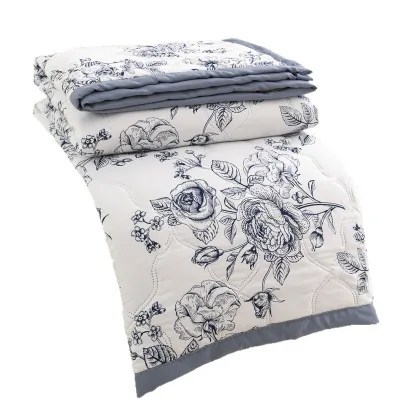
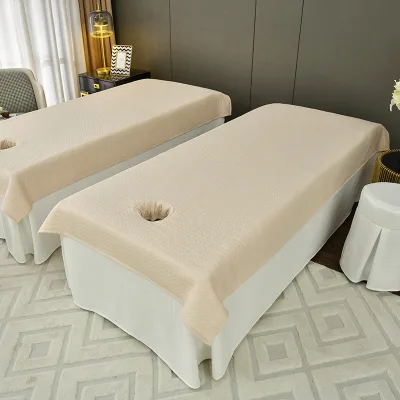


Soft Skin-Friendly Non-Woven Massage Bed Cover Disposable Massage Bed Sheet
$0.11 - $0.35
MOQ: 5000 Pieces


Disposable Non Woven Massage Waterproof Bed Sheet Roll for Massage Table
$4.30 - $4.60
MOQ: 1000 Pieces


Comprehensive Sourcing Guide
Anti-Apnea Knitted Massage Bed Sheet Sourcing Guide
Procuring anti-apnea knitted massage bed sheets requires distinguishing between standard disposable linens and specialized therapeutic textiles designed for respiratory support. While the supplied market data highlights non-woven disposable bed sheets and exam table paper rolls, true anti-apnea solutions often involve knitted fabrics with specific elasticity and breathability profiles. Buyers must verify that the "knitted" attribute aligns with therapeutic needs rather than generic non-woven construction, as the latter lacks the structural integrity required for massage therapy applications.
The observed product listings reveal a mix of commercial and home-use items, including disposable sheets for hotels and surgical supplies. However, specific claims regarding anti-apnea functionality are not explicitly present in the provided catalog facts. Sourcing teams should treat general "Eco-Friendly" and "Commercial Use" labels as baseline indicators while actively seeking suppliers who can demonstrate specific knitting techniques that facilitate airflow and pressure distribution essential for sleep apnea management.
Product Scope and Observed Listing Signals
The current market signals indicate a strong presence of non-woven disposable products, with observed materials ranging from standard non-woven fabric to specific surgical supplies. Listings frequently mention dimensions like 80200CM or 100180, alongside packaging formats such as 10PCS/Bag or Master Carton Packaging. These signals suggest a mature supply chain for general hospitality and medical disposables, yet they do not inherently confirm the presence of knitted, therapeutic-grade massage sheets.
Buyers must carefully filter these listings to identify products that deviate from the standard disposable profile. The observed "Folded" and "Plain" attributes are common across the dataset, but the specific "knitted" texture required for massage therapy is a distinct manufacturing process. Procurement teams should prioritize suppliers who explicitly define their knitting density and fabric weight, as the generic "Non-Woven" classification found in many listings is insufficient for specialized anti-apnea applications.
Technical Specifications to Verify
Technical verification must focus on the distinction between non-woven and knitted structures, as the latter offers the necessary elasticity for massage therapy. While the data lists "Three-Thread Overlock" processes and GSM weights like 50/60/70/80, these metrics often apply to disposable sheets rather than durable, knitted therapeutic textiles. Buyers should request detailed fabric composition reports to confirm the presence of knitted yarns that provide the stretch and recovery needed for effective massage bed integration.
Dimensional consistency is another critical verification point, with observed standards ranging from 60x60 cm to 80*200CM. For anti-apnea applications, the sheet must maintain its shape under tension without restricting breathing. Procurement teams should verify that the "Customized" size options available in the market align with specific bed dimensions and that the fabric weight supports the mechanical stress of massage movements without tearing or losing structural integrity.
Compliance and Safety Documentation
Safety documentation for therapeutic bed sheets must extend beyond general commercial certifications to include specific medical or textile safety standards. The observed listings mention CE/ISO 9001 certifications and "Without Ethylene Oxide Sterilization," which are relevant for surgical supplies but may not fully cover the safety requirements for long-term therapeutic use. Buyers should ensure that any knitted fabric used in anti-apnea applications meets relevant biocompatibility standards for skin contact and respiratory safety.
The "Quality Guarantee Period" of two years observed in some listings suggests a potential for durable goods, yet this must be cross-referenced with material safety data sheets. For products intended to support sleep apnea, it is essential to verify that the dyes and finishing agents used in the "Plain Dyed" or "Solid" patterns are non-toxic and hypoallergenic. Procurement teams should demand evidence of chemical safety testing to ensure the fabric does not release harmful volatiles during extended use in a bedroom environment.
Cost Drivers and Commercial Terms
Cost drivers for anti-apnea knitted sheets are heavily influenced by the complexity of the knitting process and the quality of raw materials. The observed MOQ range of 5 to 10,000 units indicates a flexible market, but specialized knitted fabrics often command higher prices due to lower production volumes compared to mass-produced non-woven disposables. Buyers should anticipate that customizing the knit pattern or density for therapeutic benefits will increase the unit cost significantly above the observed 0.04-8.98 USD range for standard items.
Commercial terms regarding packaging and logistics also play a vital role in the total cost of ownership. The data shows varied packing methods from "10PCS/Bag" to "Master Carton Packaging," which affects shipping efficiency and storage requirements. When sourcing specialized therapeutic sheets, buyers should negotiate terms that account for the potential need for protective packaging to prevent damage to the delicate knitted structure during transit, ensuring the product arrives in optimal condition for immediate deployment.
Supplier Qualification and Quality Control
Supplier qualification requires a rigorous assessment of their manufacturing capabilities, specifically their ability to produce knitted textiles rather than just non-woven disposables. The observed origins in Hubei, Ningbo, and Zhejiang suggest a robust manufacturing base in China, but buyers must verify that specific factories possess the knitting machinery required for therapeutic applications. Relying solely on suppliers who list "Non-Woven" as their primary material may result in sourcing products that fail to meet the mechanical demands of massage therapy.
Quality control protocols must be tailored to the specific performance metrics of anti-apnea sheets. While the dataset mentions "Three-Thread Overlock" and "Square" shapes, these are generic manufacturing details. Buyers should implement incoming quality checks that test for fabric elasticity, breathability, and seam strength. Establishing a clear acceptance criteria for the "Customized" features is essential to ensure that the final product consistently delivers the therapeutic benefits required for sleep apnea management.
Long-Term Procurement Checks
Long-term procurement success depends on monitoring the durability and performance of the knitted sheets over extended usage cycles. The observed "Two Years" quality guarantee period provides a baseline for expectation, but buyers must track actual wear and tear in real-world settings to validate these claims. Regular audits of the fabric's ability to maintain its shape and elasticity after repeated washing or mechanical stress are necessary to ensure continued efficacy in supporting sleep apnea patients.
Supply chain stability is another critical factor for long-term procurement, especially given the "Ready" supply type noted in some listings. Buyers should assess the supplier's capacity to maintain consistent production schedules and material quality over time. Developing a strategic partnership with a supplier who can adapt to changing therapeutic requirements ensures a reliable flow of high-quality anti-apnea bed sheets, minimizing the risk of supply disruptions that could impact patient care or hotel service levels.
FAQs
What material is used for the disposable bed sheet?
The product is made from non-woven fabric, which is lightweight and suitable for single-use applications. This material ensures comfort while maintaining hygiene standards for commercial and home settings. It is available in various weights ranging from 50 to 80 GSM to meet different usage requirements.
Can the bed sheet be customized with a specific logo?
Customization is available for this product, allowing buyers to request specific designs or branding. However, some listings indicate options without logo printing, so the final configuration depends on the specific supplier agreement. Buyers should confirm logo requirements during the sourcing process to ensure the desired outcome.
What are the standard dimensions for the bed sheet?
Standard sizes include 80 by 200 centimeters and 100 by 180 centimeters, catering to various bed types. Other specifications like 60 by 60 centimeters or 80 by 50 centimeters are also observed in the product range. These dimensions ensure compatibility with different furniture and medical equipment setups.
How is the product packed for shipment?
The product is typically packed in cartons with 10 pieces per bag and 100 pieces per carton. Master carton packaging is also used to ensure safe transport and easy handling. This packaging method protects the non-woven fabric from damage during transit and storage.
Which certifications does the product hold?
The product holds CE and ISO 9001 certifications, indicating compliance with international quality and safety standards. These certifications are essential for suppliers targeting commercial and medical markets. Buyers can verify these credentials to ensure the product meets regulatory requirements for their specific region.
What is the minimum order quantity for this item?
The minimum order quantity ranges from 5 pieces to 10,000 pieces depending on the supplier. Some vendors offer flexible MOQs starting at just 5 pieces for trial orders. Buyers should check specific supplier terms to find an order size that fits their budget and inventory needs.
Where are these bed sheets manufactured?
Manufacturing locations include Hubei, Ningbo, and Zhejiang in China. These regions are known for producing non-woven fabrics and surgical supplies materials. Buyers can source directly from these origins to ensure authenticity and potentially reduce shipping costs.