Source Anti-Allergy Ventilation Silicone Scar Dressing for Keloids
Find and compare 30 Anti-Allergy Ventilation Silicone Scar Dressing options from verified manufacturers. Evaluate features like waterproofing, CE and ISO certifications, and customized sizes for hypertrophic scar management and skin care treatment needs.
Key considerations
Products List


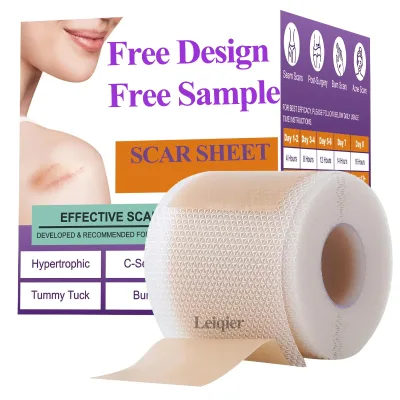


Advanced Borderless Silicone Wound Dressing Easy to Use Trauma Foam Dressing
$0.01 - $1.00
MOQ: 1000 Pieces


Advanced Borderless Silicone Wound Dressing Easy to Use Trauma Foam Dressing
$0.50 - $1.80
MOQ: 1000 Pieces


Comprehensive Sourcing Guide
Anti-Allergy Ventilation Silicone Scar Dressing Sourcing Guide
Procuring medical-grade silicone scar dressings requires a nuanced understanding of material science, regulatory compliance, and supply chain reliability. These products are designed to manage hypertrophic and keloid scars by providing a hydrocolloid environment that hydrates the skin while regulating temperature and oxygen levels. The specific focus on "anti-allergy" and "ventilation" attributes indicates a need for breathable, hypoallergenic materials that minimize skin irritation during prolonged wear. Buyers must distinguish between generic silicone sheets and clinically validated biologically active dressings that offer superior scar reduction outcomes.
The sourcing landscape for these items is diverse, with manufacturers primarily located in key Chinese production hubs such as Zhejiang and Henan provinces. Listings reveal a wide variance in product specifications, ranging from small 10x10cm patches to extensive 5x300cm strips, catering to both localized scar treatment and larger surface area coverage. Understanding these physical dimensions and material compositions is critical for aligning procurement with clinical requirements and end-user comfort. This guide provides a structured approach to evaluating suppliers, verifying technical claims, and ensuring commercial viability for bulk procurement.
Product Scope and Observed Listing Signals
The market for silicone scar dressings encompasses a variety of forms, including gel sheets, patches, and strips, often marketed under terms like "silicone gel scar sheet" or "biologically active dressing." Observed listings highlight products made from silicone gel or a combination of silica gel and PU, with some items explicitly labeled as having anti-allergy and ventilation features. These features are crucial for patient compliance, as breathable materials reduce the risk of maceration and allergic contact dermatitis associated with non-porous occlusive dressings. Buyers should note that while many products claim customization, the core material remains silicone-based to ensure effective scar management.
Physical specifications vary significantly across suppliers, with standard sizes including 5x5cm, 7.5x7.5cm, 10x10cm, and 15x15cm, alongside longer formats like 4cm150cm or 5300cm. Some manufacturers offer customized sizes to meet specific clinical needs, while others stick to predefined standards. The packaging also differs, with options ranging from individual pouches to bulk cartons containing multiple boxes. Understanding these variations is essential for inventory planning and ensuring that the procured items match the intended application, whether for small facial scars or larger body areas.
Technical Specifications to Verify
When evaluating technical specifications, buyers must prioritize the material composition and structural integrity of the dressing. High-quality silicone gel dressings should be transparent, durable, and reusable, with a shelf life typically spanning three years. It is important to verify whether the product is a simple silicone sheet or a more complex biologically active dressing, as the latter may offer enhanced therapeutic benefits. The presence of ventilation features suggests a design that allows air circulation, which is vital for maintaining skin health during extended use. Buyers should request detailed material data sheets to confirm the absence of harmful additives that could trigger allergic reactions.
Dimensional accuracy and form factor are equally critical, as inconsistencies can lead to poor adhesion or ineffective scar compression. Specifications such as 2.5300cm or 5150cm indicate long, narrow strips suitable for linear scars, while square formats like 15x15cm are better for broader areas. Buyers should verify if the product is supplied in a gel form or a solid sheet, as this affects application and handling. Additionally, the instrument classification, often listed as Class II for medical devices, should be confirmed to ensure the product meets the necessary regulatory standards for wound care and skin treatment applications.
Compliance and Safety Documentation
Regulatory compliance is non-negotiable for medical-grade scar dressings, and buyers must ensure that suppliers provide valid certification documents. Common certifications observed in the market include CE marking and ISO standards, with some manufacturers holding ISO 13485 for medical device quality management systems. These certifications indicate that the supplier adheres to rigorous quality control processes and regulatory requirements for manufacturing and distribution. Buyers should verify the validity of these certificates and ensure they cover the specific product models being procured, as certifications may not always apply to the entire product range.
Safety documentation should also include information on sterilization methods, such as Ethylene Oxide (EO) disinfection, which is common for single-use or sterile-packaged medical devices. The presence of MSDS (Material Safety Data Sheet) provides additional assurance regarding the chemical composition and handling safety of the product. Buyers should request proof of biocompatibility testing, especially for products claiming anti-allergy properties, to ensure they are safe for prolonged skin contact. Ensuring that all documentation is up-to-date and verifiable is crucial for maintaining compliance in international markets and avoiding regulatory hurdles.
Cost Drivers and Commercial Terms
Pricing for silicone scar dressings is influenced by several factors, including material quality, certification status, and order volume. Observed price ranges vary widely, from low-cost generic items to premium, certified medical devices. Buyers should be cautious of prices that seem unusually low, as they may indicate compromised quality or lack of necessary certifications. The minimum order quantity (MOQ) is another significant factor, with some suppliers requiring orders of 20,000 units or more, while others offer lower MOQs for trial orders. Understanding these commercial terms is essential for budgeting and negotiating favorable deals.
Packaging and logistics also impact the total cost of procurement. Products are typically packed in cartons, with individual items sealed in pouches or boxes to maintain sterility and hygiene. Buyers should consider the shipping volume and weight, as larger packaging formats can increase freight costs. Additionally, the availability of free samples can be a valuable tool for evaluating product quality before committing to a large order. Negotiating clear terms for sample provision, payment methods, and delivery timelines can help mitigate risks and ensure a smooth procurement process.
Supplier Qualification and Quality Control
Supplier qualification is a critical step in ensuring the reliability and consistency of the supply chain. Buyers should prioritize suppliers with established manufacturing capabilities and a proven track record in producing medical-grade silicone products. Factories located in Zhejiang and Henan provinces are known for their expertise in this sector, but buyers should still conduct thorough due diligence to verify their production capacity and quality control processes. Requesting factory audits or third-party inspections can provide valuable insights into the supplier’s operational standards and compliance with international regulations.
Quality control measures should include rigorous testing for material purity, dimensional accuracy, and sterility. Buyers should ask for quality assurance protocols, including how defects are identified and managed, and whether the supplier conducts regular batch testing. The availability of OEM services indicates a supplier’s flexibility and ability to customize products to meet specific buyer requirements. However, buyers should ensure that any customizations do not compromise the product’s safety or efficacy. Establishing a strong relationship with a qualified supplier can lead to better pricing, improved service, and consistent product quality over time.
Long-Term Procurement Checks
Long-term procurement success depends on continuous monitoring of supplier performance and product quality. Buyers should establish key performance indicators (KPIs) to track metrics such as delivery times, defect rates, and customer feedback. Regular reviews of these metrics can help identify potential issues early and allow for corrective actions before they impact the supply chain. Additionally, staying informed about changes in regulatory requirements and market trends is essential for maintaining compliance and competitiveness. Buyers should engage in ongoing dialogue with suppliers to discuss product improvements, new developments, and potential supply chain risks.
Building a diversified supplier base can also mitigate risks associated with single-source dependencies. By working with multiple qualified suppliers, buyers can ensure continuity of supply and negotiate better terms based on competitive bidding. It is also important to maintain open lines of communication regarding product updates and feedback from end-users. This collaborative approach can lead to product enhancements that better meet clinical needs and improve patient outcomes. Ultimately, a strategic and proactive approach to procurement will ensure that the organization receives high-quality, compliant, and cost-effective silicone scar dressings.
FAQs
What certifications do the silicone scar dressings hold?
The products hold CE and ISO certifications, with some items specifically meeting ISO13485 standards for medical devices. These certifications ensure the silicone gel scar sheets comply with international safety and quality requirements for wound care and skin treatment applications.
Can I request customized sizes for the scar dressing sheets?
Yes, customized sizes are available for the silicone gel scar dressings to meet specific wound care needs. The standard options include dimensions like 10x10cm, 15x15cm, and 2.5x300cm, but manufacturers support custom specifications upon request for hypertrophic and keloid scar applications.
How is the silicone scar sheet packaged for shipping?
The dressings are typically packed individually in paper-plastic pouches and then grouped into boxes or cartons. Common packaging configurations include one piece per pouch, ten pieces per box, and forty boxes per carton to ensure sterile protection during transport and storage.
What is the shelf life of the silicone gel scar dressing?
The silicone gel scar sheets have a shelf life of three years when stored properly. This duration applies to the biologically active dressing used for scar removal and skin care treatment, ensuring the material remains effective and safe for wound care applications until expiration.
Which features make the scar dressing suitable for sensitive skin?
The dressing features waterproof, ventilation, and anti-allergy properties to ensure comfort during use. It is designed to be breathable and durable, making it ideal for treating hypertrophic and keloid scars while providing a comfortable experience for patients requiring long-term skin care treatment.
What is the minimum order quantity for these scar dressings?
The minimum order quantity varies by supplier but can be as low as one unit or as high as 20,000 units depending on the specific product configuration. Some listings indicate an MOQ of 20,000 for bulk orders, while others may accept smaller quantities for sample testing.
Where are these silicone scar dressings manufactured?
The products originate from manufacturing locations in China, specifically in provinces like Zhejiang and Henan. These regions are known for producing medical-grade silicone gel scar dressings that meet international standards for wound care and skin treatment applications.