Source Anti-Bacteria Massage Car Backrest Pillow for Office, Home, and Travel
Find and compare 30 listings for the Anti-Bacteria Massage Car Backrest Pillow designed for office, home, and travel use. These products feature memory foam filling, waterproof materials, and customizable options to meet diverse ergonomic needs.
Key considerations
Products List




Comprehensive Sourcing Guide
Anti-Bacteria Massage Car Backrest Pillow Sourcing Guide
Sourcing specialized automotive comfort accessories requires a nuanced understanding of material science, ergonomic design, and supply chain transparency. The market for car backrest pillows has evolved from simple foam inserts to complex, multi-functional products that address health, hygiene, and aesthetic integration within the vehicle cabin. Buyers must navigate a landscape where claims regarding antibacterial properties, massage functionality, and ergonomic support are often marketing-driven rather than technically verified. This guide provides a structured approach to evaluating these products, ensuring that procurement decisions are based on observable specifications, verifiable supplier capabilities, and realistic commercial terms. By focusing on evidence-based criteria, buyers can mitigate the risks associated with low-quality imports and ensure that the final product meets both regulatory standards and end-user expectations.
The following sections break down the sourcing process into actionable steps, beginning with an analysis of current market signals and technical specifications. We will then examine the critical compliance documentation required for international trade, followed by an assessment of cost drivers and commercial negotiations. Supplier qualification and quality control measures are detailed to help buyers establish robust vendor relationships, while long-term procurement checks ensure sustained product performance and supply chain resilience. This comprehensive framework is designed to empower procurement professionals with the knowledge needed to make informed decisions in a competitive and often opaque market.
Product Scope and Observed Listing Signals
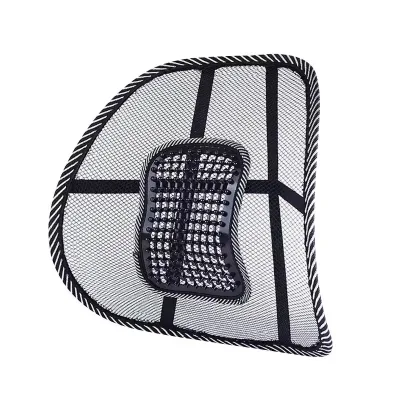
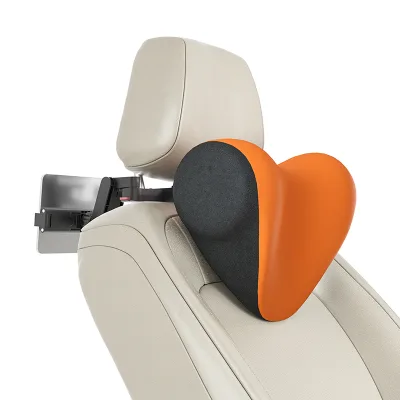
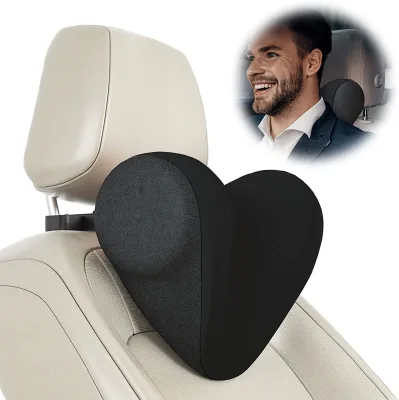
The current market for car backrest pillows exhibits a wide range of product variations, often blurring the lines between distinct categories such as seat cushions, neck pillows, and lumbar supports. Observed listings frequently highlight features like "massage," "waterproof," and "anti-static" properties, which suggest a focus on user comfort and ease of maintenance. However, buyers should treat these attributes as observations rather than guaranteed specifications for every listed item. For instance, while some products are described as having a "siliconized" pattern or "memory foam" filling, others may utilize different materials such as "compound mesh pressure line" or even "aluminum" components, indicating a diverse manufacturing base. The shape of these products also varies, with rectangular and square designs being common, but the specific dimensions, such as 333210cm, must be verified against the intended vehicle model to ensure proper fit and ergonomic alignment.
Customization is a prevalent feature in this sector, with many suppliers offering OEM logo acceptance and customized packaging options. This flexibility allows buyers to create branded products that align with their corporate identity or retail strategy. However, the availability of customization often comes with minimum order quantities (MOQs) that can range significantly, from as low as 100 pieces to over 800 pieces, depending on the complexity of the design and the materials used. Buyers must also consider the seasonal classification of the product, as some items are marketed as "four seasons" solutions, while others are specifically designed for winter or summer use, such as leather car seats or feather cushions. Understanding these distinctions is crucial for inventory planning and ensuring that the product mix meets the diverse needs of the target market.
Technical Specifications to Verify
When evaluating technical specifications, buyers should prioritize the verification of material composition and construction techniques. The presence of "memory foam" filling is a common indicator of ergonomic support, but the density and quality of this foam can vary widely between suppliers. Similarly, the use of "knitted" or "handmade" technics suggests a higher level of craftsmanship, which may impact both the durability and the aesthetic appeal of the product. Buyers should request detailed material breakdowns, including the type of fabric used for the cover, such as "compound mesh pressure line," and the backing material, which is often described as "universal" but may require specific compatibility checks. Additionally, features like "cold-resistant," "heat-resistant," and "wear-resistant" properties should be validated through supplier documentation or third-party testing, as these claims are critical for products intended for use in varying environmental conditions.
Dimensional accuracy and packaging standards are equally important technical considerations. The listed dimensions of 333210cm provide a baseline, but buyers should confirm whether these measurements include the outer casing or just the inner filling, as this can affect the final product size. Packaging options, such as "carton packing," "PVC bag," or "OPP pack with color card," not only impact the product's protection during transit but also influence the unboxing experience for the end consumer. Furthermore, the "standard packaging" versus "customized package" options should be evaluated based on the buyer's logistics capabilities and branding requirements. It is also essential to verify the "place of origin," as products sourced from different regions, such as Shandong, Dongguan, or Zhejiang, may have varying quality control standards and production efficiencies.
Compliance and Safety Documentation
Compliance with international safety and environmental standards is a non-negotiable aspect of sourcing car accessories. Buyers must ensure that suppliers can provide valid certification documents, such as CE, ISO, and RoHS, which indicate adherence to European and global regulatory frameworks. These certifications are particularly important for products that come into direct contact with users, as they ensure that materials are free from harmful substances and that the manufacturing process meets specific quality benchmarks. However, the presence of these certifications should be verified through official channels, as counterfeit documents are not uncommon in the industry. Buyers should also inquire about any additional testing required for specific markets, such as flammability tests for automotive interiors or chemical safety assessments for antibacterial treatments.
In addition to regulatory compliance, buyers should consider the ethical and sustainability aspects of the supply chain. While not always explicitly stated in product listings, many buyers are increasingly interested in the environmental impact of their sourcing decisions. This includes the recyclability of materials, the energy efficiency of the manufacturing process, and the labor practices of the supplier. Requesting information on these aspects can help buyers align their procurement strategies with corporate social responsibility goals. Furthermore, buyers should establish clear communication channels with suppliers to address any compliance-related issues promptly, ensuring that any non-conformities are resolved before shipment. This proactive approach can help prevent costly delays and reputational damage associated with non-compliant products.
Cost Drivers and Commercial Terms
The cost of car backrest pillows is influenced by a variety of factors, including material costs, labor intensity, and customization requirements. Products with "memory foam" filling and "handmade" construction typically command higher prices due to the increased labor and material expenses involved. Similarly, items with specialized features, such as "massage" functionality or "antibacterial" treatments, may have higher production costs that are reflected in the final price. Buyers should be aware that the observed price range of 0.49-51 USD reflects this diversity, with lower-end products likely being simpler in design and higher-end products offering more advanced features. Understanding these cost drivers can help buyers negotiate more effectively and allocate their budget appropriately.
Commercial terms, including MOQs, payment terms, and lead times, play a significant role in the overall cost of procurement. The observed MOQ range of 1-1000 pieces indicates that suppliers are flexible, but buyers should consider the implications of ordering in smaller versus larger quantities. Smaller orders may offer greater flexibility but could result in higher per-unit costs, while larger orders may provide economies of scale but require more significant upfront investment. Lead times, which can vary based on the complexity of the order and the supplier's production capacity, should also be factored into the procurement timeline. Buyers should establish clear agreements on these terms to avoid unexpected delays or cost overruns, ensuring a smooth and predictable supply chain.
Supplier Qualification and Quality Control
Supplier qualification is a critical step in ensuring the reliability and consistency of the product supply. Buyers should conduct thorough due diligence on potential suppliers, including verifying their business licenses, production capabilities, and quality management systems. This may involve requesting factory audits, reviewing past performance records, and checking references from other clients. Suppliers that offer "online technical support" and "OEM logo acceptance" demonstrate a level of professionalism and customer service that can be indicative of their overall reliability. Additionally, buyers should assess the supplier's ability to handle customization requests, as this can impact the lead time and cost of the order.
Quality control measures should be integrated into the procurement process from the outset. Buyers should establish clear quality standards and inspection criteria, which may include visual inspections, dimensional checks, and functional tests. It is also advisable to implement a sampling process, where a small batch of products is produced and evaluated before full-scale production begins. This can help identify any potential issues early in the process, allowing for corrective actions to be taken before significant resources are committed. Furthermore, buyers should maintain open communication with suppliers regarding quality concerns, fostering a collaborative relationship that prioritizes product excellence and continuous improvement.
Long-Term Procurement Checks
Long-term procurement success depends on the ability to monitor and adapt to changes in the market and supply chain. Buyers should regularly review supplier performance metrics, including on-time delivery rates, product quality, and responsiveness to issues. This data can help identify trends and potential risks, allowing buyers to take proactive measures to mitigate them. Additionally, buyers should stay informed about industry developments, such as new materials, technologies, and regulatory requirements, that may impact the sourcing of car backrest pillows. This ongoing education can help buyers make more informed decisions and maintain a competitive edge in the market.
Building a resilient supply chain also involves diversifying suppliers and establishing backup plans for critical components. Relying on a single supplier can expose buyers to significant risks, such as production disruptions or quality inconsistencies. By cultivating relationships with multiple suppliers, buyers can ensure continuity of supply and negotiate better terms. Furthermore, buyers should regularly reassess their product offerings in light of changing consumer preferences and market trends. This may involve introducing new products, updating existing designs, or exploring new markets. By staying agile and responsive, buyers can ensure that their procurement strategies remain aligned with their business objectives and customer needs.
FAQs
What customization options are available for the car backrest pillow?
Customization is available for this product, allowing buyers to request specific designs or features. The product supports OEM logo acceptance and offers customized packaging options to meet unique branding needs.
Which certifications does the Anti-Bacteria Massage Car Backrest Pillow hold?
The product holds CE, ISO, and RoHS certifications, ensuring compliance with international safety and environmental standards. These certifications verify the quality and safety of the materials used in the manufacturing process.
How is the product packed for shipping and delivery?
The product is packed in standard cartons or OPP bags with color cards, depending on the specific order requirements. This packaging ensures the items remain protected during transit while allowing for customized presentation.
Can I order a small quantity of the car backrest pillow?
Yes, you can order as few as 100 pieces, as the minimum order quantity is set at 100 PCS. Some listings indicate a minimum of 200 or 800 pieces, so verify the specific supplier requirements before ordering.
What are the dimensions of the rectangular car backrest pillow?
The standard dimensions are 33 by 32 by 10 centimeters, providing a compact yet supportive fit for car seats. This size is designed to fit various vehicle models while offering effective lumbar support.
Which materials are used to make the car backrest pillow?
The pillow features memory foam filling and may include compound mesh pressure line fabric with a one-centimeter thickness. Some variants utilize aluminum or feather materials depending on the specific seasonal or functional requirements.
What features does the Anti-Bacteria Massage Car Backrest Pillow offer?
The product offers massage functionality and is waterproof, making it suitable for various environments. It also includes anti-static and anti-dust mite characteristics to enhance hygiene and comfort during use.
Where is the product manufactured and what is the lead time?
The product originates from locations such as Shandong, Dongguan, and Zhejiang in China. Lead times and production schedules vary, with some packaging details indicating a duration of up to 40 days for specific orders.