Source Anti-Counterfeit Gloss Hologram Poker Chips for Gaming, Casino, and Home Use
Find and compare 30 listings for anti-counterfeit gloss hologram poker chips designed for gaming, casino, and home entertainment. Evaluate specifications such as material, customization options, and packaging to select the right chips for your needs.
Key considerations
Products List
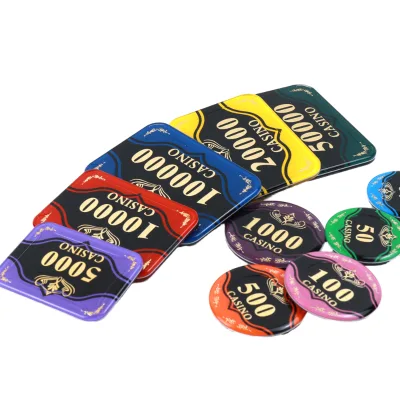


Texas Hold ′ Em Chips Game Clay Poker Chips Anti-Counterfeiting Chips
$0.35 - $1.99
MOQ: 1000 Pieces


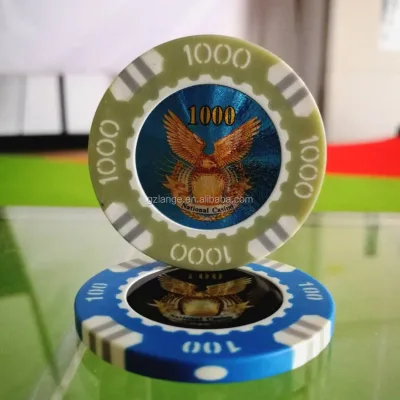


Comprehensive Sourcing Guide
Anti-Counterfeit Gloss Hologram Poker Chips Sourcing Guide
Procuring anti-counterfeit gloss hologram poker chips requires a strategic approach that balances aesthetic appeal with rigorous security verification. While the market offers a wide array of gaming accessories, the specific demand for holographic features indicates a need for high-value chips used in professional or high-stakes environments where authenticity is paramount. Buyers must distinguish between standard decorative chips and those engineered with genuine security elements, as the latter often involve complex manufacturing processes that differ significantly from basic acrylic or plastic production.
The sourcing process begins with a clear definition of the intended application, whether for commercial casino operations, private high-stakes tournaments, or premium entertainment venues. The presence of holographic elements suggests a focus on preventing counterfeiting, which necessitates a deeper investigation into the supplier's capability to produce these specific security features rather than simply applying a surface sticker. Understanding the distinction between a glossy finish and a true holographic security layer is critical, as the latter requires specialized materials and production techniques that are not universally available among general gaming chip manufacturers.
Product Scope and Observed Listing Signals
The current market landscape for poker chips reveals a diverse range of materials, with observed listings frequently citing acrylic and plastic as primary components. While many suppliers offer customizable options with features like durable finishes and specific color palettes such as orange, the specific inclusion of anti-counterfeit holograms is not a universal attribute across all listed products. Buyers must carefully scrutinize product descriptions to confirm the presence of genuine holographic security features, as many items may only offer a glossy appearance without the complex light-diffraction properties required for anti-counterfeit protection.
Listing signals often highlight customization capabilities, including the ability to accept customized logos and specific packaging requirements like carton boxes. However, the observed data indicates a wide variance in product models, ranging from standard casino poker chips to specific model numbers like S741 or YM-CP11-12, which may not inherently possess holographic security. It is essential for buyers to verify that the specific model selected includes the necessary holographic technology, as the general category of "casino chips" encompasses both basic gaming tokens and high-security items with distinct manufacturing standards.
Technical Specifications to Verify
When evaluating technical specifications, the primary focus must be on the material composition and the integration of security features. While standard listings mention materials like acrylic or plastic, the verification of anti-counterfeit capabilities requires confirming the specific type of holographic film or embossing technology used. Buyers should request detailed technical sheets that describe the hologram's optical properties, such as its ability to change appearance under different lighting angles, rather than relying on general terms like "gloss" or "durable" which do not guarantee security.
Dimensional consistency and weight are also critical technical parameters that influence the perceived value and security of the chips. Observed data suggests single package sizes around 24x16x16 cm and gross weights of approximately 0.400 kg for individual units, but these figures can vary significantly based on the chip's thickness and density. For anti-counterfeit chips, the weight and dimensions must be precise to prevent the use of counterfeit blanks, and buyers should verify that the supplier maintains strict tolerances on these physical attributes to ensure uniformity across the entire batch.
Compliance and Safety Documentation
Compliance and safety documentation for poker chips often revolve around material safety and general product standards rather than specific anti-counterfeit certifications. While some listings mention "Casino Quality" as a standard, this term is not a regulated certification but rather a marketing descriptor that implies a certain level of durability and finish. Buyers should not assume that a product labeled as "Casino Quality" automatically meets international security standards for anti-counterfeit measures and must request specific documentation regarding the materials used to ensure they are non-toxic and safe for handling.
In the context of gaming equipment, safety documentation typically covers the absence of hazardous substances and the durability of the product under repeated use. Since the observed listings do not explicitly mention specific safety certifications like ISO or ASTM for the holographic components, buyers must proactively ask for test reports or material safety data sheets (MSDS) that confirm the safety of the holographic film and the underlying plastic or acrylic substrate. This verification step is crucial to ensure that the chips meet the safety requirements of the target market, particularly if they are intended for use in commercial establishments with strict health and safety regulations.
Cost Drivers and Commercial Terms
The cost of anti-counterfeit gloss hologram poker chips is driven primarily by the complexity of the security features and the customization level required. Unlike standard chips, which may have a low minimum order quantity (MOQ) and a narrow price range, holographic chips involve specialized tooling and materials that increase the unit cost. Buyers should anticipate that the price will be influenced by the specific design of the hologram, the quantity ordered, and the level of customization for logos and colors, as these factors add significant value and production time to the order.
Commercial terms such as lead times and payment conditions are also critical factors in the procurement process. While some suppliers indicate production lead times within 7 workdays, the complexity of producing holographic security features may extend this timeline, especially for large orders or highly customized designs. Buyers must clarify the production schedule and confirm that the supplier has the capacity to meet the required delivery dates without compromising the quality of the holographic elements, as rushed production can lead to defects that undermine the anti-counterfeit properties of the chips.
Supplier Qualification and Quality Control
Supplier qualification for anti-counterfeit poker chips requires a thorough assessment of their manufacturing capabilities and quality control processes. Buyers should verify that the supplier has experience in producing security features and can demonstrate a track record of delivering high-quality holographic products. This involves checking for evidence of consistent production standards, such as the ability to maintain uniform holographic effects across large batches, and ensuring that the supplier has the necessary equipment to produce these specialized features.
Quality control measures must be robust to ensure that every chip meets the specified security and aesthetic standards. Buyers should request a detailed quality control plan that outlines the inspection steps for holographic features, including checks for optical clarity, adhesion, and durability. It is essential to establish clear acceptance criteria for the holographic elements, as even minor defects can render the chips ineffective for anti-counterfeit purposes. Additionally, buyers should consider implementing third-party inspection services to verify the quality of the final product before shipment.
Long-Term Procurement Checks
Long-term procurement checks for anti-counterfeit poker chips involve establishing a framework for ongoing quality assurance and supplier performance monitoring. Buyers should implement regular audits of the supplier's production processes to ensure that the quality of the holographic features remains consistent over time. This includes periodic testing of the chips to verify that the anti-counterfeit properties have not degraded due to wear and tear or changes in the manufacturing process.
Building a long-term relationship with a qualified supplier is essential for maintaining the integrity of the anti-counterfeit system. Buyers should work closely with the supplier to stay informed about any advancements in holographic technology and to ensure that the chips remain up-to-date with the latest security standards. This collaborative approach allows for continuous improvement and adaptation to new counterfeiting techniques, ensuring that the poker chips remain a secure and reliable component of the gaming operation for years to come.
FAQs
What material are the custom casino poker chips made from?
The chips are constructed from durable acrylic and plastic materials. This composition ensures they are easily cleaned and suitable for repeated gaming sessions in entertainment settings.
Can buyers request a customized logo on the poker chips?
Yes, customized logos are available for these casino poker chips. Buyers can specify their branding needs, and the product supports full customization to meet specific design requirements.
How long does production take for these casino chips?
Production lead time is within 7 workdays for standard orders. This timeframe applies to the manufacturing process before the items are packaged and ready for shipment to the buyer.
What is the minimum order quantity for these poker chips?
The minimum order quantity is 100 pieces for this product. Buyers must meet this threshold to place an order, though the observed range across similar items extends up to 200,000 units.
Where are these casino poker chips manufactured?
These chips originate from Zhejiang, China, or Mainland China. The products are manufactured in facilities located within these regions before being packaged for international distribution.
What packaging options are available for the poker chips?
The chips come in boxes or carton packages for protection. Each single package measures 24x16x16 cm and weighs 0.400 kg, ensuring safe transport during shipping.