Source anti-dandruff amino acid shampoo and body wash set for Home Use, Dry Hair, and All Hair Types
Find 30 verified options for anti-dandruff amino acid shampoo and body wash set designed for home use, dry hair, and all hair types. Buyers can compare features like oil control, moisturizing, and organic ingredients from suppliers in Guangdong, China offering OEM services.
Key considerations
Products List
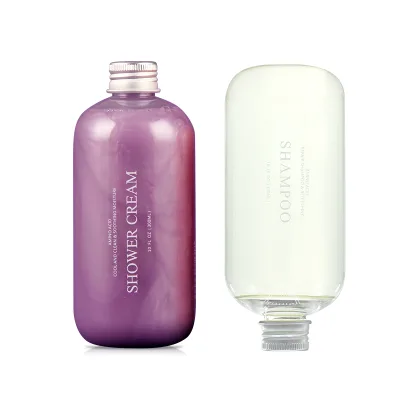
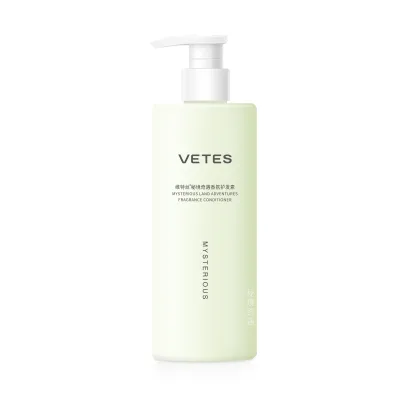
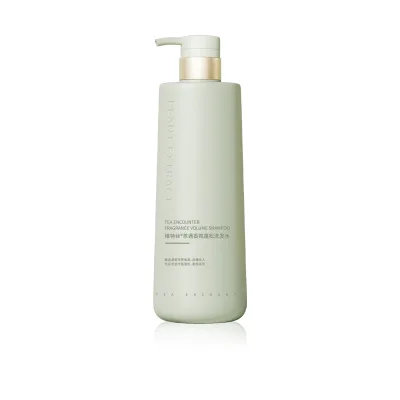
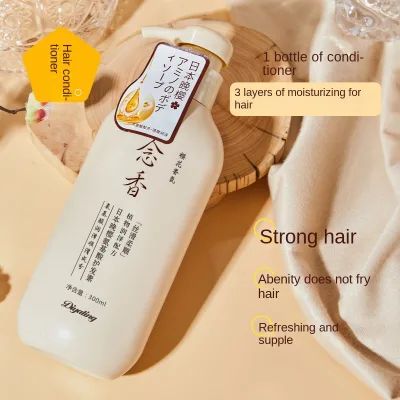
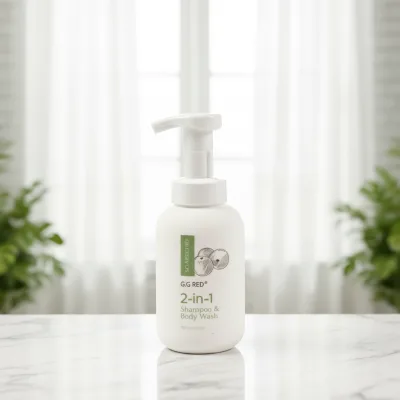
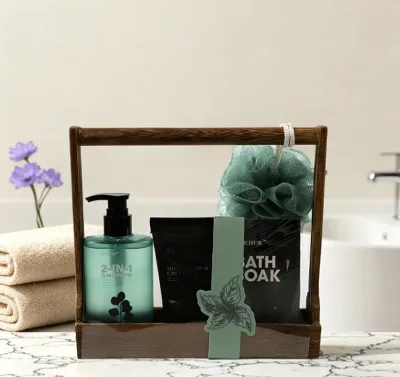


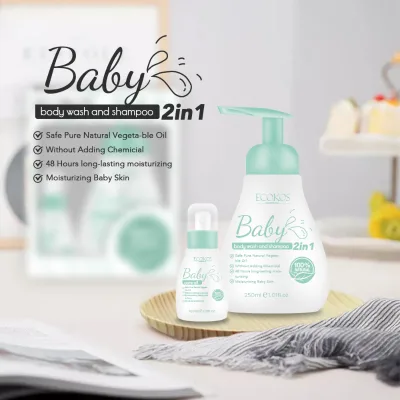
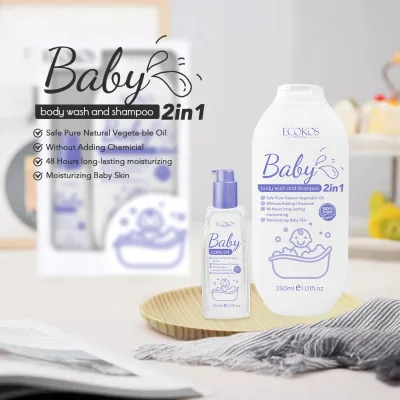

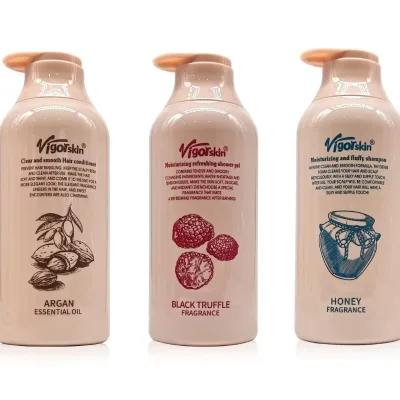
Multiple Functional Ingredients Shampoo Conditioner and Body Wash for Hair Care
$2.38 - $2.42
MOQ: 72 pieces


High Quality Set Shampoo and Conditioner Body Wash and Body Lotion Hand Wash
$0.05 - $0.05
MOQ: 5000 Pieces

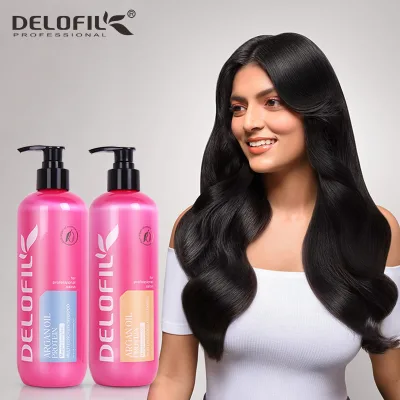


Hot-Selling Disposable Care Set Shampoo Body Wash Conditioner Body Lotion in Tubes
$0.09 - $0.10
MOQ: 5000 pieces
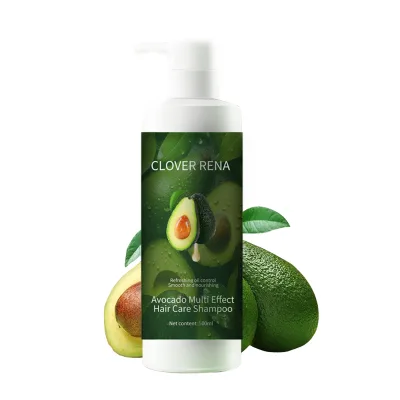
Comprehensive Sourcing Guide
Strategic Sourcing Guide for Anti-Dandruff Amino Acid Shampoo and Body Wash Sets
The global demand for specialized personal care products has driven a significant shift toward multifunctional sets that address scalp health while maintaining skin integrity. For procurement professionals targeting the specific niche of anti-dandruff amino acid shampoo and body wash sets, the sourcing landscape requires a nuanced understanding of formulation chemistry, regulatory compliance, and supply chain logistics. This guide synthesizes available market data to provide a structured approach for evaluating potential suppliers and securing high-quality inventory without relying on unverified claims.
Technical Specifications and Formulation Analysis
When sourcing a "Washing and care set" or a "Shampoo Shower Gel Set," the primary technical differentiator lies in the active ingredients and the physical form of the product. The core keyword emphasizes amino acid-based surfactants, which are known for their mildness compared to traditional sulfates. While the provided data indicates a "Herbal" and "Organic" ingredient profile for several listings, buyers must verify if the amino acid component is explicitly stated in the formulation sheet, as "Herbal" alone does not guarantee amino acid surfactants.
The physical form of the product varies across suppliers. Market observations show products available in "Gel," "Cream," and "2-IN-1" formulas. The "2-IN-1" formula is particularly relevant for cost-effective logistics but requires rigorous stability testing to ensure the shampoo and body wash components do not separate or degrade when mixed. The concentration of the active ingredients is another critical variable; the data notes a "Concentration" formula type, suggesting that buyers should request specific percentage breakdowns of anti-dandruff agents and amino acid surfactants.
Packaging dimensions and weight are essential for logistics planning. Observed single package sizes range from 8x8x20 cm to 10x10x27 cm, with corresponding gross weights varying from 0.500 kg to 1.100 kg. Volume capacities also differ, with listings showing 300 mL, 800 mL, and other unspecified volumes. Procurement teams must align these specifications with their target market's retail preferences. For instance, a 300 mL unit may be suitable for travel or premium gift sets, whereas an 800 mL unit targets bulk household usage. The "Single package size" and "Single gross weight" must be cross-referenced with shipping container calculations to optimize freight costs.
Compliance, Certification, and Regulatory Standards
Regulatory compliance is the cornerstone of safe procurement in the personal care sector. The data explicitly lists several certifications that serve as indicators of a supplier's adherence to international quality standards. These include BSCI (Business Social Compliance Initiative), GMPC (Good Manufacturing Practice for Cosmetics), ISO22716 (Cosmetics Good Manufacturing Practices), and MSDS (Material Safety Data Sheet).
Buyers should treat these certifications as mandatory verification points rather than optional features. ISO22716 is the global standard for cosmetic manufacturing, ensuring that the production environment maintains hygiene and quality control. GMPC is particularly critical for products claiming organic or herbal attributes, as it validates the handling of natural ingredients. The presence of an MSDS is non-negotiable for shipping, as it details the chemical composition and safety handling procedures for the gel or cream formulations.
Furthermore, the "Place of Origin" is identified as Guangdong, China, a major manufacturing hub. While this region offers competitive pricing and established supply chains, buyers must verify that the specific factory holds the cited certifications. It is essential to confirm that the certifications are current and cover the specific product lines being ordered. The data also mentions "Accept Customized Logo" and "OEM ODM Private Label Service," which implies that the supplier has the infrastructure to handle private label compliance, but the buyer remains responsible for ensuring the final product meets the regulatory requirements of the destination market, such as the FDA in the US or the EU Cosmetics Regulation.
Cost Drivers and Pricing Dynamics
Understanding the cost structure of anti-dandruff sets is vital for maintaining healthy profit margins. The observed price range in the market spans from $0.05 to $5.08 USD per unit. This wide variance is driven by several factors, including the complexity of the formula, the volume of the package, and the level of customization required.
The "Herbal" and "Organic" claims often command a premium price due to the cost of sourcing natural ingredients. Similarly, products with "Color-Protection" and "Hair-Loss Prevention" features may involve more expensive active ingredients, pushing the unit cost toward the higher end of the observed range. Conversely, basic "Gel" or "Cream" formulations with standard "Anti-Dandruff" functions may fall closer to the lower price points.
The Minimum Order Quantity (MOQ) is another significant cost driver. The data indicates an MOQ range of 1 to 5000 units, with specific listings showing an MOQ of 2000 pcs. Higher MOQs typically result in lower unit costs due to economies of scale in production and packaging. Buyers must balance their inventory needs against their cash flow constraints. Additionally, the "Accept Customized Packing" and "Accept Customized Logo" services add to the initial setup costs but can reduce long-term marketing expenses by creating a unique brand identity. Payment terms, such as "TT" (Telegraphic Transfer) or "30% TT," also influence the financial terms of the deal, affecting the total cost of ownership.
Typical Applications and Target Demographics
The target application for these sets is primarily "Home Use," catering to "Adults" and "Unisex" consumers. The product attributes highlight a broad range of hair types, including "All" and specific mentions of "Dry Hair." This versatility suggests that the sets are designed for general household consumption rather than niche medical treatments.
The functional claims are extensive, covering "Anti-Dandruff," "Oil-Control," "Anti-Itching," "Nourishing," and "Refreshing." These features address common scalp and skin concerns, making the products suitable for daily use. The "Clarifying/Deep Cleansing" and "Smoothing" attributes indicate that the sets are also positioned to improve hair texture and manageability. The "Refreshing" and "Perfumed" scent profiles add a sensory dimension that is crucial for consumer retention.
The "Professional" advantage listed in the data suggests that some suppliers position their products for use in salons or professional settings, although the primary application remains home care. This dual positioning allows buyers to target both retail consumers and B2B clients, such as hotels or spas, which require high-quality, branded amenities. The "Anti-off" function, while less common, may refer to anti-static or anti-frizz properties, further broadening the product's appeal.
Supplier Evaluation and Service Capabilities
Evaluating a supplier for a private label or OEM order requires a deep dive into their service capabilities. The data confirms that suppliers offer "OEM ODM Private Label Service," "Sample Offered," and "Accept Customized Packing." These services are critical for buyers looking to build a unique brand identity.
When evaluating suppliers, buyers should prioritize those who provide comprehensive samples. The "Sample Offered" attribute indicates that the supplier is willing to provide product units for testing before committing to a large order. This step is essential for verifying the "High Quality" claims and ensuring the product meets the buyer's specific performance expectations.
The ability to customize the logo and packaging is another key evaluation criterion. The data notes "Accept Customized Logo" and "Color: Customized Color," which allows buyers to align the product with their brand guidelines. However, buyers must verify the minimum order quantities associated with customization, as these often differ from standard stock items. The "Selling Units" are listed as "Single item," suggesting that the sets are packaged as complete units, which simplifies the supply chain but requires careful inventory management.
Quality Control and Long-Term Procurement Considerations
Ensuring consistent quality is paramount in the personal care industry. The "High Quality" attribute is a general claim that must be substantiated through rigorous quality control processes. Buyers should request detailed quality assurance protocols, including batch testing for microbial contamination, pH balance, and viscosity. The "Concentration" formula type requires precise measurement during production to ensure the efficacy of the anti-dandruff and amino acid ingredients.
Long-term procurement considerations involve building a sustainable relationship with the supplier. The "Service" aspect, including OEM/ODM capabilities, suggests a partnership model rather than a transactional one. Buyers should assess the supplier's ability to scale production to meet increasing demand without compromising quality. The "Lead time" is not explicitly provided in the data, but buyers must inquire about production timelines to ensure timely delivery, especially for seasonal promotions or new product launches.
The "Payment" terms, such as "TT" or "30% TT," should be negotiated to balance risk and cash flow. A 30% deposit is standard, but buyers should ensure that the remaining balance is paid only after successful inspection of the goods. Additionally, the "Model Number" variations (e.g., 12, 14, Tiyating Wash and Protect suit) indicate a diverse product portfolio. Buyers should select models that align with their strategic goals and ensure that the supplier can maintain consistent quality across different model numbers.
Comparative Analysis of Product Attributes
To facilitate decision-making, the following table summarizes key product attributes observed in the market, highlighting the variations buyers must navigate.
| Attribute | Observation 1 | Observation 2 | Observation 3 |
|---|---|---|---|
| Product Name | Washing and care set | Shampoo Shower Gel Set | Tiyating Wash and Protect suit |
| Form | Gel | Cream | 2-IN-1 |
| Weight/Volume | 300 mL | 800 mL | Nian xiang shampoo/soap set |
| Package Size | 8x8x20 cm | 10x10x27 cm | XX cm (Variable) |
| Gross Weight | 0.500 kg | 1.100 KG | Not specified |
| Key Features | Organic, Anti-Dandruff, Oil-Control | Moisturizing, Color Protecting | Refreshing, Perfumed |
| MOQ | 1 - 5000 pcs | 2000 pcs | Variable |
| Certifications | BSCI/GMPC/ISO22716/MSDS | BSCI/GMPC/ISO22716/MSDS | Not specified |
This comparison underscores the importance of specifying exact requirements in the Request for Quotation (RFQ). Buyers must clearly define their preferred form, volume, and packaging dimensions to avoid receiving products that do not align with their market strategy.
In conclusion, sourcing an anti-dandruff amino acid shampoo and body wash set requires a meticulous approach that balances technical specifications, regulatory compliance, and cost efficiency. By leveraging the observed data and adhering to strict quality control measures, buyers can secure reliable supply chains that meet the evolving demands of the personal care market. The focus should remain on verifying certifications, testing samples, and establishing clear communication channels with suppliers to ensure long-term success.
FAQs
What certifications do these washing sets hold?
The products hold BSCI, GMPC, ISO22716, and MSDS certifications. These standards ensure compliance with international cosmetic manufacturing practices and safety handling procedures for the gel or cream formulations.
Which packaging sizes are available for these sets?
Single package sizes range from 8x8x20 cm to 10x10x27 cm. Buyers can also request customized packing options to align with specific retail preferences or logistical requirements.
Can I order samples before committing to bulk?
Yes, samples are offered for evaluation before placing a large order. This allows buyers to verify the high quality and performance of the herbal or organic formulas.
What is the minimum order quantity for these items?
The minimum order quantity ranges from 1 to 5000 units depending on the supplier. Some specific listings require a minimum of 2000 pieces for standard orders.
Where are these anti-dandruff sets manufactured?
The place of origin is Guangdong, China. This region is a major manufacturing hub offering competitive pricing and established supply chains for personal care products.
Do these sets support private label customization?
Suppliers offer OEM, ODM, and private label services with customized logos and colors. This allows buyers to build a unique brand identity while maintaining product quality.