Source anti-curl white woodfree bond paper for printing, books, and packaging
Compare 30 listings of anti-curl white woodfree bond paper from verified suppliers. Options include uncoated wood pulp sheets and rolls suitable for offset printing, book binding, and general office use with customizable sizes.
Key considerations
Products List


High Grade White Uncoated Woodfree Offset Bond Paper Roll for Printing
$550.00 - $820.00
MOQ: 25 Pieces

Uncoated Woodfree Offset Bond Printing Paper China Woodfree Uncoated Paper Offset Paper
$550.00 - $820.00
MOQ: 25 Pieces

Supply Factory Price White Woodfree Uncoated Offset Printing Bond Paper
$550.00 - $820.00
MOQ: 25 Pieces


Waterproof and Tear-Resistant Stone Paper Bond Paper for Poster Printing
$800.00 - $900.00
MOQ: 5 Tons




Comprehensive Sourcing Guide
Strategic Sourcing Guide for Anti-Curl White Woodfree Bond Paper
Procuring high-performance paper for offset printing and binding applications requires a rigorous understanding of material composition, processing capabilities, and supply chain reliability. For buyers seeking anti-curl white woodfree bond paper, the market offers a range of products derived from virgin wood pulp, processed through chemical-mechanical methods to ensure structural integrity. This guide synthesizes available product attributes and industry standards to provide a disciplined framework for evaluating suppliers, verifying technical specifications, and managing procurement risks without relying on unverified claims or specific supplier endorsements.
Technical Specifications and Material Composition
The foundation of any successful paper procurement strategy lies in the precise definition of technical requirements. For anti-curl white woodfree bond paper, the primary material source is virgin wood pulp, processed via a chemical-mechanical pulping method. This combination is critical for achieving the desired balance of strength and flexibility while maintaining the optical properties required for high-quality offset printing. The base paper is typically uncoated, relying on the intrinsic properties of the wood fibers rather than a surface coating layer for its finish, although some variants in the market may utilize kaolinite or polyethylene (PE) coatings depending on the specific application.
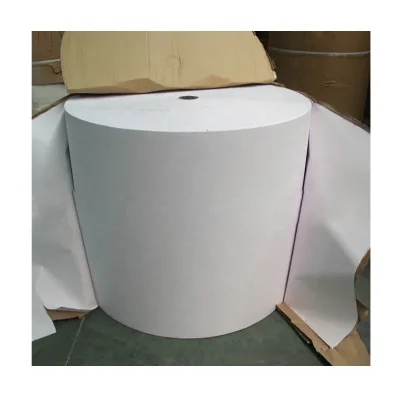
Weight and grammage are pivotal metrics in this category. The observed quantitative range for these products typically spans from 60 to 120 grams per square meter (gsm), with specific models supporting a broader spectrum from 50gsm to 140gsm. Buyers must verify the exact grammage required for their press capabilities, as weights such as 55gsm, 60gsm, 70gsm, 80gsm, and 90gsm are common in the offset paper roll market. The physical dimensions of the product are equally variable; while standard sizes like 300400mm, 600900mm, 7001000mm, and 640900mm are frequently cited, the market also accommodates customer-customized sizes, including 1x1m and 1.2x1.2m formats.
Color consistency is another non-negotiable specification. The target product is predominantly white, with a specific Cie Whiteness value of 62.0 observed in certain high-confidence listings. However, buyers should remain aware that some suppliers offer cream or yellow variations, so the "white" designation must be explicitly confirmed in the purchase order. The anti-curl feature is a distinct performance attribute, ensuring that the paper remains flat during high-speed printing and subsequent binding processes, which is essential for preventing jams and ensuring print quality.
Compliance, Certification, and Standard Verification
When sourcing industrial paper products, verifying compliance with international standards is a critical step in risk mitigation. While specific certification statuses such as FSC or CE are often mentioned in broader market contexts, buyers must treat these as variables to be confirmed rather than inherent guarantees. The procurement process should include a direct request for current certification documents from the supplier to ensure the wood pulp source is sustainable and the manufacturing process meets environmental regulations.
Product standards are often defined by specific dimensional tolerances and performance benchmarks. The observed product standards include formats like 600900mm and 7001000mm, alongside custom requests. Buyers should not assume that all listed products meet a specific international standard unless explicitly stated in the contract. Instead, the procurement team must establish a verification protocol where the supplier provides test reports or certificates of analysis for each batch. This is particularly important for the "anti-curl" and "antistatic" features, which are listed as key attributes but require empirical validation through laboratory testing to ensure they meet the specific operational demands of the buyer's printing equipment.
Cost Drivers and Pricing Dynamics
The pricing structure for woodfree bond paper is influenced by a complex interplay of raw material costs, processing methods, and logistical factors. The observed price range in the market spans from $0.75 to $920 USD, a vast disparity that reflects differences in product type, volume, and packaging. This range likely encompasses everything from small sample sheets to full container loads of jumbo rolls. Buyers must understand that the unit price is rarely a fixed value; it is heavily dependent on the Order Quantity (MOQ), which ranges from 1 unit to 1000 units.
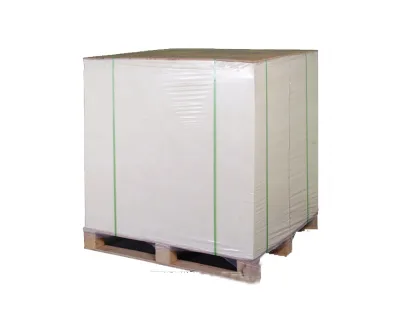
Packaging and logistics represent significant cost drivers. The product is available in various forms, including reels, reams, bulk sheets, and palletized rolls. The choice of packaging, such as export sea-worthy packing with container loading or palletized rolls, directly impacts the final landed cost. Furthermore, the customization of the product, including specific sizes, designs, and logo printing, adds to the production complexity and cost. Buyers should anticipate that custom orders will carry a premium over standard stock items. The delivery time, typically cited as 10-15 working days, also influences cash flow and inventory planning, potentially affecting the total cost of ownership if expedited shipping is required.
Typical Applications and Usage Scenarios
The versatility of anti-curl white woodfree bond paper makes it suitable for a wide array of applications, primarily centered around offset printing and book production. The primary use case is for offset paper rolls, where the paper's smooth surface and anti-curl properties ensure consistent feeding through high-speed presses. The compatible printing methods include offset printing, which relies on the paper's ability to hold ink without excessive absorption or bleeding.
Beyond general printing, this material is extensively used in book manufacturing. Specific product attributes indicate its suitability for soft cover books, utilizing sewing binding techniques. The surface finish, which may include varnishing, enhances the aesthetic appeal and durability of the final product. The paper's grammage range supports various book types, from lightweight pamphlets to thicker hardcover volumes. Additionally, the product's antistatic properties make it ideal for environments where static electricity could interfere with printing or binding machinery, ensuring a smoother production workflow.
Supplier Evaluation and Operational Capabilities
Evaluating a potential supplier requires a deep dive into their operational capabilities and production consistency. Key indicators of a reliable supplier include their ability to offer customization, such as customized designs, logo printing, and specific size requirements. The market data indicates that suppliers often provide "Pure Wood Pulp" models, such as the "Sunrise 05" or "Sunrise010," suggesting a range of product lines that buyers can explore.
The origin of the product is a significant factor in the evaluation process. Many listings indicate a production origin in China, which is a major hub for paper manufacturing. Buyers should assess the supplier's capacity to handle export logistics, as evidenced by their use of sea-worthy packing and container loading. The lead time of 10-15 working days is a standard benchmark, but buyers must verify if this timeline holds true for custom orders or large-volume purchases. Additionally, the supplier's flexibility in handling different packaging formats, from reels to bulk sheets, is a strong indicator of their operational maturity.
Quality Control and Performance Verification
Maintaining consistent quality is paramount in the paper industry, where minor deviations can lead to significant production losses. The "anti-curl" feature is a critical quality metric that must be verified through rigorous testing. Buyers should request samples that have been subjected to environmental stress tests to ensure the paper maintains its flatness under varying humidity and temperature conditions. The observed Cie Whiteness of 62.0 serves as a baseline for optical quality, but buyers must confirm that this value is consistent across different batches.
Quality control should also extend to the physical dimensions and grammage. The observed range of 60-120gsm and the availability of specific models like "50-140gsm" suggest that suppliers offer a variety of weights. However, buyers must verify that the actual weight of the delivered product matches the ordered specification within acceptable tolerances. The use of virgin wood pulp is a key quality indicator, as it generally offers superior strength and longevity compared to recycled alternatives. Buyers should insist on documentation confirming the pulp source and the chemical-mechanical pulping process to ensure the paper meets the required performance standards.
Long-Term Procurement Considerations
Sourcing anti-curl white woodfree bond paper is not merely a transactional activity but a strategic partnership that requires long-term planning. Buyers should consider the scalability of the supplier's production capacity to meet future demand fluctuations. The ability to provide customized designs and sizes suggests that the supplier can adapt to evolving market needs, which is essential for maintaining a competitive edge.
Inventory management is another critical consideration. With a delivery time of 10-15 working days, buyers must maintain a safety stock to prevent production interruptions. The variety of packaging options, including reels, reams, and bulk sheets, allows for flexible inventory strategies. Furthermore, the potential for customization, such as logo printing and specific color variations, adds value to the procurement process, enabling buyers to differentiate their final products in the marketplace. By focusing on these long-term factors, buyers can build a resilient supply chain that supports consistent product quality and operational efficiency.
FAQs
What is the primary material used for this paper?
The primary material is virgin wood pulp processed via chemical-mechanical pulping. This ensures structural integrity and high strength for offset printing applications without using recycled fibers.
Can I request custom sizes for the paper rolls?
Yes, custom sizes are available to meet specific production needs. Standard dimensions include 600*900mm and 700*1000mm, but buyers can also request formats like 1x1m or 1.2x1.2m.
What is the typical delivery time for these orders?
The standard delivery time is 10 to 15 working days. This timeline applies to most orders, though expedited shipping may be required for urgent custom projects or large volume purchases.
Which grammage ranges are available for offset printing?
Available grammage ranges span from 50gsm to 140gsm, with common options like 60gsm, 70gsm, and 80gsm. The specific weight depends on the model, such as the 50-140gsm or 50-120gsm variants.
Does the product come with anti-curl properties?
Yes, the product features anti-curl properties to ensure flatness during high-speed printing. This characteristic is essential for preventing jams and maintaining print quality in offset and binding processes.
What packaging options are provided for export?
Packaging includes reels, reams, bulk sheets, and palletized rolls with export sea-worthy protection. Options range from container loading to specific pallet configurations for safe international shipping.
Is logo printing and design customization supported?
Logo printing and customized designs are accepted for this product line. Buyers can request specific branding or surface finishes like varnishing to enhance the aesthetic appeal of the final printed goods.