Find Anti-Drip Automatic Shut-Off Garment Steamer for home, office, travel
Source 30 models of Anti-Drip Automatic Shut-Off Garment Steamer with features like electronic temperature control and swiveling cords. Compare specifications including steam rates, water capacity, and soleplate materials from verified suppliers.
Key considerations
Products List


Customized Logo Home Use Electric Garment Steamer Steam Iron for Garment
$14.75 - $15.35
MOQ: 1000 Pieces


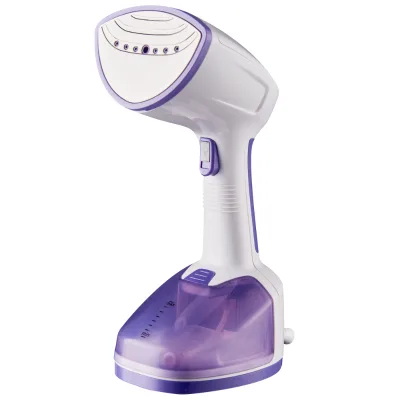


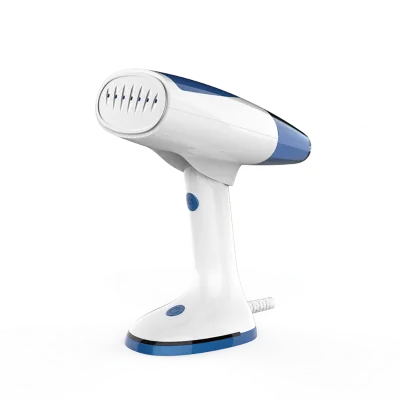
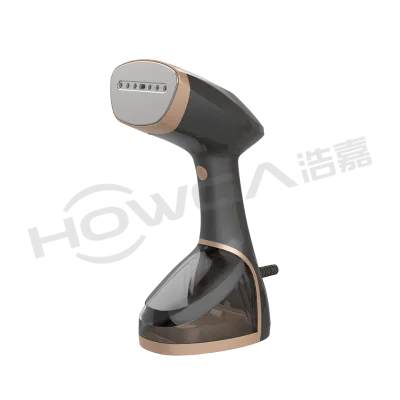
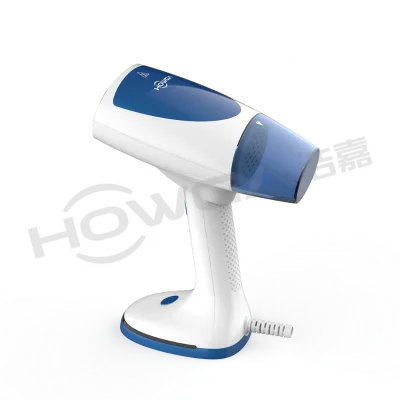
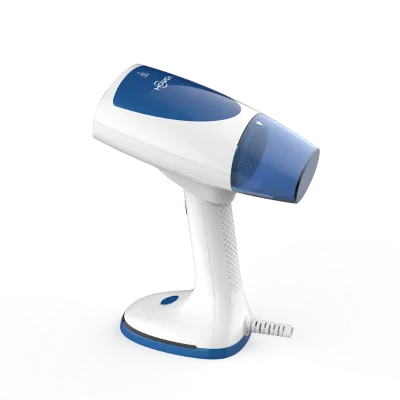
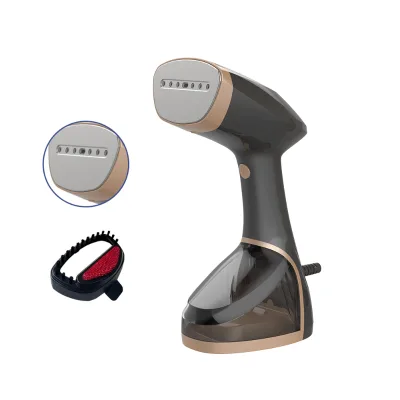
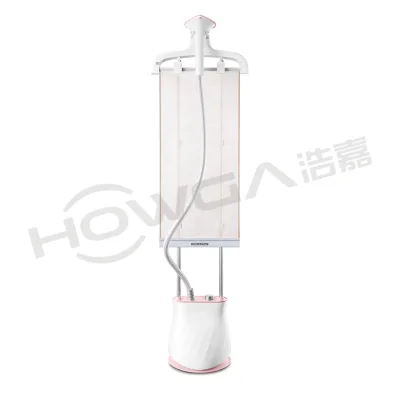


Garment Steamer Promotion Quality Rechargeable Shirt Steam Iron Station
$10.00 - $25.00
MOQ: 1000 Pieces


Comprehensive Sourcing Guide
Anti-Drip Automatic Shut-Off Garment Steamer Sourcing Guide
Sourcing garment steamers that combine anti-drip technology with automatic shut-off mechanisms requires a disciplined approach to verifying both performance claims and safety compliance. These features are critical for professional and residential users who demand consistent steam output without water leakage or the risk of overheating. The market offers a variety of models, ranging from mini handheld units to larger vertical steamers, each with distinct operational parameters. Buyers must navigate a wide spectrum of specifications, including power ratings, water tank capacities, and soleplate materials, to ensure the selected product aligns with their specific operational needs and target market expectations.
The procurement process is further complicated by the diversity of listed products, which often share similar core features but differ significantly in build quality and certification status. Observed listings indicate a broad price range and varying minimum order quantities (MOQs), reflecting the heterogeneity of the supply base. Successful sourcing depends on the ability to distinguish between basic functional attributes and premium engineering features. This guide provides a structured framework for evaluating these products, focusing on technical verification, compliance documentation, and commercial due diligence to mitigate procurement risks.
Product Scope and Observed Listing Signals
The current market landscape for anti-drip automatic shut-off garment steamers includes a diverse array of product types, from compact mini steamers to robust vertical and horizontal units. Listings frequently highlight key attributes such as electronic temperature control, swiveling power cords, and various plug types to accommodate global markets. For instance, observed models feature water capacities ranging from 250ml to 300ml, with steam rates typically falling between 27-32g/min for continuous operation. These variations suggest that buyers should not assume uniform performance across all listings, even when core features like anti-drip and auto-shut-off are advertised.
Price and MOQ data reveal significant market segmentation, with observed prices ranging from $3 to $339 and MOQs varying from 2 to 6,900 units. This disparity often correlates with the complexity of the device, such as the inclusion of LED displays, multiple steam levels, or specialized soleplate materials like aluminum, stainless steel, or ceramic. Buyers must carefully review product descriptions to understand what is included in the base price, such as accessories like lint brushes or water cups, and whether packaging sizes are optimized for efficient logistics. Understanding these signals helps in identifying suppliers who offer the right balance of features and volume for your specific business model.
Technical Specifications to Verify
Verifying technical specifications is paramount to ensuring the garment steamer meets operational requirements. Key parameters to validate include the power rating, which can range from 1000W-1500W to over 1500W, directly impacting heat-up time and steam consistency. Models with higher power ratings often boast faster heat-up times, such as 20 seconds, and longer working times for continual steam, typically around 10-15 minutes. Buyers should also scrutinize the steam rate and the presence of adjustable steam levels, as these factors determine the steamer's effectiveness on different fabric types. Confirming these specs through sample testing is essential to avoid discrepancies between advertised and actual performance.
The design and material composition of the steamer also play a crucial role in its functionality and durability. Soleplate materials vary, with aluminum, stainless steel, and ceramic options available, each offering different gliding characteristics and heat distribution properties. Additionally, features like anti-drip mechanisms and no-water protection systems are critical for preventing damage to garments and the device itself. Buyers should verify the presence of safety features such as automatic shut-off after a period of inactivity, typically around 8 minutes, and no-operate protection to ensure user safety. Detailed specification sheets should be requested to confirm these technical details before placing bulk orders.
Compliance and Safety Documentation
Compliance with international safety and environmental standards is non-negotiable for garment steamers, given their electrical nature and proximity to users. Buyers must ensure that suppliers provide valid certification documents, such as CE, GS, RoHS, CB, and EMC, which attest to the product's adherence to relevant safety and electromagnetic compatibility regulations. These certifications are particularly important for accessing regulated markets in Europe and other regions with strict import requirements. Without proper documentation, shipments may be detained at customs, leading to significant delays and additional costs.
In addition to product-level certifications, buyers should verify that the manufacturing processes and materials used comply with environmental standards. RoHS compliance, for instance, ensures that hazardous substances are restricted in the product's construction. It is also advisable to request test reports from accredited laboratories to validate these certifications. Buyers should be cautious of suppliers who cannot provide up-to-date or verifiable certification documents, as this may indicate a lack of commitment to quality and safety. Ensuring full compliance not only mitigates legal risks but also enhances brand reputation and consumer trust.
Cost Drivers and Commercial Terms
Understanding the factors that influence pricing and commercial terms is essential for effective budgeting and negotiation. Key cost drivers include the power rating, material quality, and the complexity of features such as LED displays and multiple steam settings. Products with higher power outputs and advanced safety features typically command higher prices. Additionally, the inclusion of accessories like hair brushes, water cups, and lint brushes can add to the overall cost. Buyers should request detailed breakdowns of costs to understand how these factors impact the final price per unit.
Commercial terms, including MOQs and payment conditions, vary widely among suppliers. Observed MOQs range from small quantities suitable for testing to large volumes for mass distribution. Buyers should negotiate terms that align with their inventory management strategies and cash flow capabilities. It is also important to clarify shipping terms, such as FOB or CIF, and to understand the lead times associated with different order sizes. Clear communication regarding these terms helps in avoiding unexpected costs and ensures a smooth procurement process.
Supplier Qualification and Quality Control
Supplier qualification is a critical step in mitigating procurement risks. Buyers should conduct thorough due diligence to assess the supplier's manufacturing capabilities, quality control processes, and track record. This includes verifying the supplier's business license, production capacity, and history of exporting to your target markets. Requesting references from existing clients can provide valuable insights into the supplier's reliability and product quality. Additionally, visiting the manufacturing facility, if possible, can offer a firsthand look at their production standards and quality assurance measures.
Implementing a robust quality control plan is essential to ensure that the delivered products meet the specified requirements. This may involve pre-shipment inspections, third-party testing, or the establishment of clear quality benchmarks in the purchase agreement. Buyers should define acceptable defect rates and specify the procedures for handling non-conforming products. Regular communication with the supplier regarding quality issues and continuous improvement initiatives can help maintain high standards. A proactive approach to quality control ensures that the final products meet customer expectations and reduce the risk of returns or complaints.
Long-Term Procurement Checks
Long-term procurement success depends on establishing a sustainable relationship with suppliers and continuously monitoring performance. Buyers should regularly review supplier performance metrics, such as on-time delivery rates, product quality consistency, and responsiveness to issues. Establishing key performance indicators (KPIs) and conducting periodic supplier audits can help identify areas for improvement and ensure ongoing compliance with agreed-upon standards. Building a strong partnership with reliable suppliers can lead to better pricing, priority production, and access to new product innovations.
Staying informed about market trends and regulatory changes is also crucial for long-term procurement strategy. Buyers should monitor developments in garment steamer technology, such as new energy-efficient features or updated safety standards, to ensure their product offerings remain competitive. Additionally, diversifying the supplier base can mitigate risks associated with supply chain disruptions. By maintaining a flexible and informed procurement strategy, buyers can adapt to changing market conditions and continue to meet customer demands effectively.
FAQs
What certifications do these irons hold?
The products hold CE, GS, RoHS, CB, and EMC certifications. These standards ensure safety and compliance for international markets, allowing buyers to source units that meet rigorous electrical and environmental requirements without additional testing.
How long does the iron take to heat up?
The heating time is approximately 20 seconds for rapid readiness. This quick warm-up supports efficient workflow in commercial settings, ensuring the device is ready for immediate use upon plugging in the power cord.
Can the steam rate be adjusted for different fabrics?
Yes, the steam rate offers three levels for choice, ranging from low to high. Users can select the appropriate output between 27-32g/Min to handle various fabric types effectively while maintaining the anti-drip feature.
What is the water capacity of the tank?
The water capacity varies between 250ml and 300ml depending on the specific model. This volume supports continuous steam operation for about 10 to 15 minutes, reducing the need for frequent refills during extended ironing sessions.
Which plug types are available for these units?
The units support UK, US, AU, EU, and CN plug types for global compatibility. This flexibility allows buyers to source products tailored to specific regional electrical standards without requiring additional adapters or modifications.
What safety protections are included in the design?
The design includes no-water protection after 30 seconds and no-operation protection after 8 minutes. These automatic shut-off features prevent overheating and ensure safety during both vertical and horizontal ironing operations.
Are customization options available for these irons?
Customization is available for buyers with specific branding or specification needs. This service allows businesses to tailor the product attributes, such as color or packaging, to align with their unique market requirements.