Source Anti Explosion Billet Transporter for Shipyard, Factory, Warehouse
Find and compare 30 Anti Explosion Billet Transporter options from verified Chinese manufacturers. Evaluate load capacities up to 1,500 tons, power supply types, and customization features to select the right heavy material transport solution for your industrial needs.
Key considerations
Products List


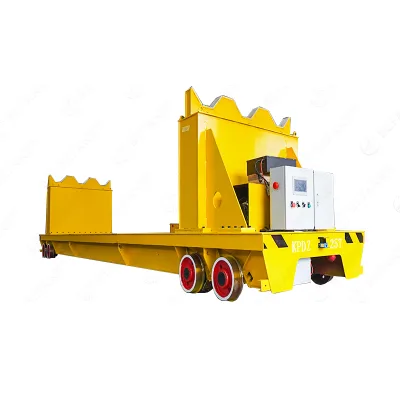
Cabless Remote-Controlled Explosion-Proof Diesel Tracked Transporter
$30000.00 - $50000.00
MOQ: 1 Pieces



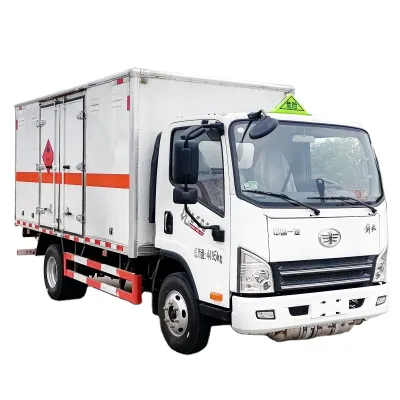
Explosive Transporting Vehicle for Liquid Dangerous Goods Transport Sale
$18000.00 - $20000.00
MOQ: 1 Pieces

Steel Products Motorized Handling Transporter Transfer Cart Anti-Explosion
$3000.00 - $3500.00
MOQ: 1 Pieces

Heavy Material Handling Transport Equipment for Factory Transportation
$3000.00 - $3500.00
MOQ: 1 Pieces


High Quality Motorized Transport Cart for Heavy Load Material Handling
$3000.00 - $3500.00
MOQ: 1 Pieces



Heavy-Duty Car Transporter for Safe and Efficient Vehicle Shipping
$25000.00 - $55000.00
MOQ: 1 Pieces


Transfer Carts in The Transportation of Heavy Steel Billets in Steel Mills
$3000.00 - $4000.00
MOQ: 1 Pieces


Underground Ore Transporters, Tough for Harsh Mines.
$94600.00 - $96000.00
MOQ: 1 Pieces
Shandong Hongke Mechanical Equipment Manufacturing Co., Ltd. Shanghai Branch


High Quality Explosion Proof Tracked Transporter for Mining Construction
$2000.00 - $16000.00
MOQ: 1 Pieces


Comprehensive Sourcing Guide
Anti Explosion Billet Transporter Sourcing Guide
Procuring specialized material handling equipment for high-temperature or hazardous environments requires a rigorous understanding of both mechanical capabilities and safety protocols. The term "anti explosion" in the context of billet transporters often refers to equipment designed for heavy industrial applications where dust, heat, or specific atmospheric conditions necessitate enhanced safety features, such as fire-resistant materials or spark-proof components. Buyers must distinguish between standard heavy-duty transporters and those specifically engineered for explosive atmospheres, ensuring that the selected unit meets the precise operational demands of their facility. This guide provides a structured approach to evaluating suppliers, verifying technical specifications, and managing commercial risks associated with these critical assets.
The market for industrial transporters is diverse, ranging from standard shipyard movers to specialized rail-based systems for billet handling. Observed listings indicate a wide variance in load capacities, power sources, and customization options, reflecting the highly tailored nature of B2B procurement in this sector. Buyers should approach sourcing with a clear definition of their operational constraints, including weight limits, travel speeds, and environmental conditions. By aligning these requirements with verified supplier capabilities, organizations can mitigate the risk of selecting equipment that fails to perform under load or lacks the necessary safety certifications for their specific industry sector.
Product Scope and Observed Listing Signals
The observed product landscape includes a variety of transporter types, such as shipyard transporters, rail-based billet transporters, and bucket conveyors, each serving distinct logistical functions. Listings frequently highlight load capacities ranging from 1 to 1,500 tons, indicating that heavy-duty steel construction is a common baseline for these machines. Power supply options typically include cable drum systems and electric motors, which are essential for continuous operation in large facilities like warehouses, factories, and shipyards. Buyers should note that while "anti explosion" is the core keyword, the actual listings often emphasize features like fire-resistant materials, energy-saving designs, and high-efficiency performance, which are critical for safety and operational continuity.
Customization is a prevalent feature in this category, with suppliers offering OEM services and tailored color schemes such as yellow, red, blue, and gray to meet corporate or safety standards. The product names and descriptions often reference specific models like KPJ, KPX, and WCL, suggesting that buyers must verify the exact model designation against their technical requirements. Additionally, the presence of attributes like "Long lifetime" and "Heavy Material Transport" signals that durability and load stability are key selling points. Procurement teams should scrutinize these signals to ensure that the advertised capabilities, such as running speeds of 0-20m/min or specific longitudinal slopes, align with the physical layout and workflow of their facility.
Technical Specifications to Verify
When evaluating technical specifications, buyers must prioritize load capacity and structural integrity, as these factors directly impact safety and operational efficiency. The observed data indicates load capacities ranging from 1 to 80 tons for certain models, while others support up to 1,500 tons, highlighting the need to match the transporter’s rating with the heaviest expected load. It is crucial to verify the material composition, with steel and stainless steel being common choices, and to confirm if fire-resistant materials are integrated into the design for enhanced safety in high-risk environments. Buyers should also assess the power supply system, ensuring compatibility with the facility’s electrical infrastructure, whether it relies on cable drums, electric motors, or specific voltage inputs like 380 V or 110 V.
Operational parameters such as travel speed, starting method, and control type are equally important for seamless integration into existing workflows. Listings mention running speeds adjustable between 0-20m/min and starting methods that are electrically initiated, which should be cross-referenced with the required throughput of the production line. The operation type, often a combination of hand pendant and remote control, offers flexibility but requires verification of the control range and responsiveness. Additionally, buyers should inquire about the maximum lifting range and longitudinal slope capabilities, as these determine the transporter’s ability to navigate complex facility layouts and handle varied terrain without compromising stability or safety.
Compliance and Safety Documentation
Compliance with international standards is non-negotiable for industrial transporters, particularly those operating in hazardous or high-load environments. Buyers must request and verify certificates such as CE, ISO9001, and SGS, which indicate adherence to quality management and safety regulations. The presence of specific standards like GB/T6127-92 suggests that certain models may comply with Chinese national standards, which should be evaluated for equivalence or compatibility with local regulatory requirements. It is essential to confirm that the certification applies to the specific model and configuration being purchased, as generic certifications may not cover all safety aspects of customized or specialized units.
Safety documentation should also include machinery test reports and detailed specifications for vulnerable parts, ensuring that critical components are identified and supported. Buyers should verify if the supplier provides free replacement parts for vulnerable components, which can significantly reduce downtime and maintenance costs. Additionally, the warranty period, typically ranging from 1 to 2 years, should be clearly defined in the contract, along with the scope of coverage for labor and parts. For applications involving explosive atmospheres or high temperatures, buyers must ensure that the equipment meets specific explosion-proof standards, which may require additional certification beyond the standard CE or ISO marks.
Cost Drivers and Commercial Terms
The cost of anti explosion billet transporters is influenced by several factors, including load capacity, customization level, and power system complexity. Observed price ranges vary widely, from low-cost basic models to high-end specialized units, reflecting the diversity in engineering and material requirements. Buyers should anticipate that higher load capacities and advanced features, such as remote control systems or fire-resistant materials, will increase the base price. Additionally, customization options, including specific colors, dimensions, and OEM branding, can add to the overall cost, so it is important to define these requirements early in the sourcing process to avoid unexpected charges.
Commercial terms such as MOQ (Minimum Order Quantity), lead times, and packing specifications also play a significant role in total procurement costs. While some listings indicate an MOQ of 1, others may have higher thresholds, affecting the feasibility of small-scale purchases. Packing dimensions, such as 4270×1400×2100 mm or 150X60X35 cm, impact shipping logistics and costs, so buyers should calculate freight expenses based on the supplier’s standard packing methods. It is advisable to negotiate clear terms for delivery, installation, and after-sales support, including 24-hour online service availability, to ensure that the total cost of ownership is managed effectively throughout the equipment’s lifecycle.
Supplier Qualification and Quality Control
Selecting a qualified supplier is critical to ensuring the reliability and safety of the purchased transporter. Buyers should verify the supplier’s manufacturing capabilities, including their facility location, such as Xinxiang, Henan, China, and their experience in producing heavy industrial equipment. The presence of a brand name, such as BEFANBY, can provide insight into the supplier’s market reputation and product consistency. It is important to assess the supplier’s quality control processes, including the provision of machinery test reports and the adherence to production standards, to ensure that each unit meets the specified technical requirements.
Quality control should also extend to the supplier’s after-sales support and warranty services. Buyers should confirm the availability of technical support, including 24-hour online assistance, and the provision of spare parts for vulnerable components. The condition of the product, typically listed as "New," should be verified through factory audits or third-party inspections if necessary. Additionally, buyers should evaluate the supplier’s ability to handle customization requests, ensuring that they have the engineering resources to adapt the standard design to specific operational needs without compromising safety or performance.
Long-Term Procurement Checks
Long-term procurement success depends on establishing a robust framework for ongoing supplier evaluation and equipment maintenance. Buyers should implement regular performance reviews to assess the transporter’s reliability, efficiency, and safety record in real-world operations. This includes monitoring the frequency of maintenance, the availability of spare parts, and the responsiveness of the supplier’s technical support team. By tracking these metrics, organizations can identify potential issues early and negotiate improvements in service levels or product design for future purchases.
Additionally, buyers should stay informed about updates in industry standards and safety regulations, ensuring that their equipment remains compliant over time. This may involve periodic re-certification or upgrades to meet new environmental or operational requirements. Establishing a long-term partnership with a reliable supplier can facilitate access to the latest technology and best practices, enhancing the overall value of the procurement investment. By focusing on continuous improvement and proactive management, organizations can maximize the lifespan and performance of their anti explosion billet transporters, ensuring safe and efficient material handling operations.
FAQs
What certifications do the shipyard transporters have?
The products hold CE, ISO9001, and SGS certifications. These documents verify compliance with international safety and quality standards for industrial equipment used in shipyards and factories.
Can the transporter be customized for specific needs?
Yes, customization is available for this equipment. Buyers can request specific colors like yellow, red, or blue, and the manufacturer accepts OEM orders to meet unique operational requirements.
What is the warranty period for the transporter?
The standard warranty period is two years for most models. Some specific configurations may offer a one-year warranty, ensuring protection against manufacturing defects during the initial operational phase.
How is the power supply managed for the transporter?
The unit operates using a cable drum powered electric motor system. This setup ensures continuous power delivery without the need for external batteries or complex wiring arrangements during operation.
What is the maximum load capacity of the transporter?
The load capacity ranges from 1 to 1,500 tons depending on the specific model selected. Customized options are also available to handle capacities up to 80 tons for specialized industrial applications.
Where are these transporters manufactured and shipped from?
These units originate from Xinxiang, Henan, China. The products are generally packed according to customer demands before being shipped from this manufacturing hub to international destinations.