Source Anti Dust FFP3 Folding Mask for Construction, Mining, and Manufacturing
Find 30 Anti Dust FFP3 Folding Mask options from verified suppliers. Compare specifications like filtration efficiency, valve types, and certifications to select the right respiratory protection for industrial safety needs.
Key considerations
Products List


Premium Fold-Flat FFP3 Particle Filter Disposable FFP3 Dust Masks with Valve
$0.41 - $0.44
MOQ: 15000 Pieces


High Protection FFP3 Respiratory Filter Mask CE Certified Dustproof Mask
$0.40 - $0.49
MOQ: 15000 Pieces


En149 Particulate Respirator Respiratory Protection Foldable FFP2 Protective Face Mask
$0.20 - $0.40
MOQ: 20000 Pieces


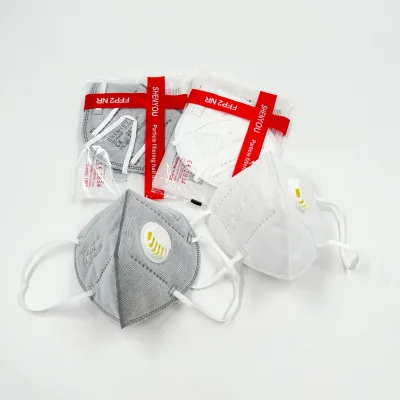


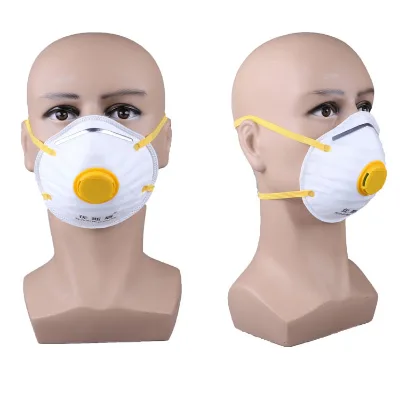

OEM Foldable FFP3 Dust Mask - En149 & AS/NZS 1716 Approved, Bulk Supply
$0.32 - $0.38
MOQ: 10000 Pieces


FFP2 Face Mask 5 Layers Dust Mask
$0.18 - $0.25
MOQ: 2000 Pieces
Wenzhou Xiangying Reflective Materials Science Technology Co., Ltd.


Comprehensive Sourcing Guide
Strategic Sourcing Guide for Anti-Dust FFP3 Folding Masks
Understanding the Technical Landscape of FFP3 Respiratory Protection
When sourcing anti-dust FFP3 folding masks, buyers must first distinguish between the specific filtration classes defined by European standards and the physical attributes observed in the current market. The core keyword implies a high level of protection against non-oily particles, specifically targeting the FFP3 class, which offers the highest filtration efficiency among the standard FFP categories. However, an analysis of available product data reveals a complex landscape where listings often conflate FFP1, FFP2, and FFP3 specifications, or list "N95/KN95/FFP" as a generic filter rating without explicitly confirming the FFP3 designation for every unit.
The technical architecture of these masks typically involves a multi-layered construction. Observed product attributes indicate a common configuration of four plies or five layers of non-woven fabric. This layering is critical for achieving the necessary filtration efficiency while maintaining breathability. The physical form factor is equally important; while the search term specifies "folding," the market data shows a mix of cup-shaped and foldable designs. Cup-shaped masks, often labeled as "P811-2" or similar models, provide a rigid structure that maintains distance from the face, whereas foldable models, such as those designated "P913V" or "P912D-2," offer portability and compact storage. Buyers must verify that the specific model they intend to purchase is explicitly rated as FFP3, as many listings in the observed range may only meet FFP1 or FFP2 standards despite using similar terminology.
The presence of an exhalation valve is another significant technical variable. The data indicates that many available units, including models like "P913V" and "P812VC-4," come equipped with a valve. This feature reduces breathing resistance and heat buildup, which is beneficial for extended wear. However, in scenarios where source control is required—preventing the wearer from exhaling contaminants into the environment—a valve-less design is mandatory. Sourcing guides must emphasize that the presence of a valve does not inherently disqualify a mask for personal protection, but it fundamentally changes its application scope regarding infection control and environmental safety.
Compliance Verification and Certification Standards
Navigating the regulatory environment for respiratory protective equipment requires rigorous attention to certification marks and standard compliance. The primary standard referenced in the available data is EN 149:2001+A1:2009. This European standard dictates the performance requirements for filtering half masks used for respiratory protection against solid and liquid aerosols. It is crucial for buyers to understand that "CE" marking is a declaration of conformity, but the specific certification number, such as "CE0086" observed in the data, serves as a unique identifier for the Notified Body that tested the product.
Buyers should not rely solely on the presence of a "CE" logo or a generic claim of "En149: 2001+ Al: 2009" compliance. Instead, the procurement process must include a request for the full test report and the specific certificate number associated with the batch being purchased. The data lists "Certificate: CE" and "Certificado: CE0086," suggesting that while some products carry valid certification, the verification process must be granular. For an FFP3 mask, the filtration efficiency must be at least 99% against non-oily particles. While the provided text mentions NaCl filter efficiency ranges of 99.802% to 99.891% and Paraffin Oil Filter Efficiency of 99.329% to 99.604%, these specific figures are associated with specific test conditions and may not apply to every FFP3 unit in the market. Therefore, the buyer's verification checklist must demand current, batch-specific test results that explicitly confirm the FFP3 rating under the EN 149 standard.
Furthermore, the distinction between "Anti-Dust" and broader "Respiratory Protection" is vital. The data lists functions such as "Anti-Dust," "Dustproof," and "Respiratory Protection." While these terms are often used interchangeably in marketing, FFP3 masks are designed for environments with high concentrations of harmful dusts, including toxic powders and asbestos, not just general nuisance dust. A product labeled merely as "Anti-Dust" without an explicit FFP3 certification may not provide the necessary protection for high-risk industrial applications. Buyers must ensure that the product documentation explicitly states the FFP3 classification and the corresponding filtration efficiency percentages required by the standard, rather than relying on generic marketing terms.
Cost Drivers and Economic Considerations in Procurement
The economic structure of sourcing FFP3 folding masks is influenced by several key variables, including material composition, certification costs, and order volume. The observed price range in the market spans from $0.02 to $0.65 USD per unit. This wide variance suggests that price is heavily dependent on the specific model, the level of certification, and the quantity ordered. The lower end of the spectrum likely corresponds to basic FFP1 or FFP2 models, or high-volume orders of standard configurations, while the upper end may reflect specialized FFP3 models with advanced filtration layers, valves, or custom branding.
Minimum Order Quantity (MOQ) is a significant cost driver, with observed ranges spanning from 400 to 100,000 units. Suppliers with lower MOQs, such as 400 units, may charge a premium per unit due to the fixed costs of production setup and quality control. Conversely, buyers committing to volumes near 100,000 units can leverage economies of scale to reduce the unit cost significantly. The data indicates that packaging configurations vary, with options like "15PCS/Color Box, 24box/CTN" or "10PCS/Color Box 24box/CTN." These packaging details impact the total landed cost, as they affect shipping volume and handling efficiency.
Material costs also play a pivotal role. The primary material identified is "Non-Woven Fabric," which is standard for disposable masks. However, the specific type of non-woven fabric, the number of plies (4 vs. 5), and the inclusion of melt-blown layers for filtration efficiency can alter the raw material cost. Additionally, the availability of customization, such as "Accept Customized Logo," adds a layer of cost that varies based on the complexity of the print and the quantity. Buyers must balance the desire for custom branding against the unit price, noting that customization often requires a higher MOQ to be economically viable.
Typical Applications and Usage Scenarios
The application of FFP3 folding masks extends across various industries where high levels of particulate protection are non-negotiable. The data explicitly lists "Personal Mask Protective" and "Security Mask" as applications, but the technical specifications suggest broader utility. FFP3 masks are ideal for environments containing hazardous dusts, such as silica, asbestos, wood dust, and metal fumes. The "Anti-Dust" and "Respiratory Protection" functions highlight their suitability for construction, mining, and manufacturing sectors where airborne particulates pose significant health risks.
The "Adult" age group specification confirms that these masks are designed for adult workers, and the "Headloop" or "Headband" style (observed as "Uso De La Cabeza") ensures a secure fit for active work environments. The foldable design, noted in models like "P913V," makes them particularly suitable for workers who need to store masks in pockets or bags when not in use, such as in maintenance or inspection roles. However, the presence of a valve in many models limits their use in sterile environments or situations where the wearer's exhalation must be filtered, such as in healthcare settings during a pandemic. In such cases, buyers must specifically source valve-less FFP3 models.
The "High Effective Filtration" feature mentioned in the data underscores the mask's capability in high-concentration dust environments. This makes them essential for tasks involving grinding, sanding, or cutting materials that generate fine particulates. The "Cup Shape" and "Foldable" options offer flexibility based on the user's preference and the specific ergonomic requirements of the job. For instance, cup-shaped masks may provide a better seal for users with facial hair, while foldable masks offer better compatibility with other personal protective equipment (PPE) like safety glasses or hearing protection.
Supplier Evaluation and Quality Assurance Protocols
Evaluating suppliers for FFP3 masks requires a multi-faceted approach that goes beyond price comparison. The origin of the products is a critical factor, with the data indicating "China" and specifically "Fujian, China" as production hubs. While these regions have established manufacturing capabilities, buyers must verify the supplier's track record in producing certified respiratory equipment. The presence of a specific certification number like "CE0086" is a positive indicator, but it must be cross-referenced with the Notified Body's database to ensure validity.
Quality control should be a central component of the supplier evaluation. The data mentions "Free Sample" and "Sample: Freely," which provides an opportunity for buyers to conduct their own preliminary testing. Buyers should request samples of the specific model they intend to order to verify the physical construction, such as the number of plies, the presence of a valve, and the fit of the headloops. The "Inhalation Resistance" of 120PA~130PA at 95L/Min is a specific data point that should be verified in the sample's test report to ensure it meets the comfort and safety requirements of the intended users.
Supplier reliability is also measured by their ability to provide consistent quality over time. The "Customization: Available" attribute suggests that suppliers are willing to adapt to buyer needs, but this flexibility must not come at the expense of quality. Buyers should inquire about the supplier's internal quality control processes, including how they handle batch testing and traceability. The "Product: FFP1 Nr Dust Mask" and "Model Name: FFP2 Nr Dust Mask" listings in the data highlight the importance of verifying that the supplier can consistently produce the exact FFP3 model required, rather than substituting lower-rated products.
Long-Term Procurement and Supply Chain Resilience
Sourcing FFP3 folding masks is not merely a transactional activity but a strategic initiative that requires long-term planning. The observed MOQ range of 400 to 100,000 units indicates that suppliers cater to both small-scale and large-scale buyers. For long-term procurement, establishing a relationship with a supplier who can handle large volumes is advantageous. This ensures a steady supply of masks, which is critical for industries with continuous operations.
The "Product Origin: China" and "Fujian, China" details suggest a reliance on a specific geographic supply chain. Buyers should assess the risks associated with this concentration, such as potential disruptions due to logistics, trade policies, or regional events. Diversifying the supplier base or maintaining a safety stock of masks can mitigate these risks. Additionally, the "Packing" specifications, such as "Cartons" or "Color Box" configurations, should be standardized to optimize storage and distribution logistics.
Future-proofing the procurement strategy involves staying informed about changes in standards and regulations. The EN 149 standard is subject to updates, and buyers must ensure that their suppliers are aware of and compliant with the latest versions. The "Feature: High Effective Filtration" and "Certification: En149: 2001+ Al: 2009" data points indicate that the market is currently aligned with these standards, but buyers should remain vigilant for any shifts in regulatory requirements that might necessitate a change in product specifications.
Comparative Analysis of Mask Configurations
To facilitate informed decision-making, it is useful to compare the different configurations available in the market based on the observed data. The following table summarizes the key attributes of the models identified, highlighting the differences in shape, valve presence, and packaging.
| Attribute | Cup Shape Model (e.g., P811-2) | Foldable Model (e.g., P913V) | Valve Configuration |
|---|---|---|---|
| Shape | Cup Shape | Foldable | With Valve / Valve Yes |
| Packing | 15PCS/Color Box, 24box/CTN | 10PCS/Color Box, 24box/CTN | N/A |
| Material | Non Woven Fabric | Non-Woven | N/A |
| Layers | 4 Plys | 4 Ply / 5 Capas | N/A |
| Standard | En149:2001+A1:2009 | En149:2001+A1:2009 | N/A |
| Application | Dustproof, Respiratory Protection | Anti-Dust, Security Mask | N/A |
This comparison illustrates that while both cup-shaped and foldable masks adhere to the same EN 149 standard, they differ significantly in portability and storage. The cup shape offers a rigid structure that may be more comfortable for extended wear, while the foldable design is more convenient for storage. The presence of a valve is a common feature across both types, which buyers must consider based on their specific application requirements. By understanding these distinctions, buyers can select the configuration that best aligns with their operational needs and safety protocols.
FAQs
What certification standards apply to these masks?
These masks comply with the EN149:2001+A1:2009 standard. Specific units may carry the CE0086 certification number, indicating valid testing by a notified body for respiratory protection against dust.
How many layers do the masks contain?
The masks typically feature four to five layers of non-woven fabric. This multi-ply construction ensures high filtration efficiency while maintaining breathability for the wearer during extended use.
Can I customize the logo on the masks?
Yes, customization is available for adding a customized logo to the masks. This service allows buyers to brand the products, though it may require meeting specific minimum order quantities.
Which shape options are available for these masks?
Available shapes include cup-shaped and foldable designs. Cup shapes offer a rigid structure, while foldable models provide compact storage, catering to different ergonomic needs and storage preferences.
What is the minimum order quantity for these products?
The minimum order quantity ranges from 400 to 100,000 units depending on the supplier and specific model. Lower MOQs allow for smaller trial orders, while larger volumes reduce the unit cost.
Do these masks come with an exhalation valve?
Many models, such as P913V and P812VC-4, are equipped with an exhalation valve. This feature reduces breathing resistance but limits use in sterile environments where source control is required.
Where are these masks manufactured?
These masks are manufactured in China, with specific production hubs located in Fujian. Buyers should verify the specific origin of their batch to ensure compliance with their regional import regulations.