Find anti-fatigue judo mat for Training, Competition, and Practice
Source 30 listings of anti-fatigue judo mat with customizable sizes, thicknesses, and materials like PVC or PU foam. Buyers can compare specifications, pricing, and customization options for martial arts training and competition needs.
Key considerations
Products List
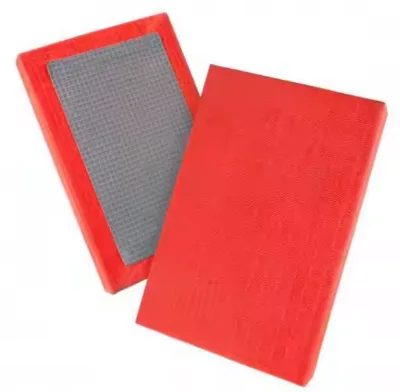
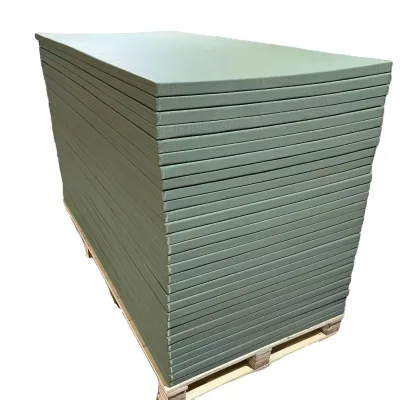
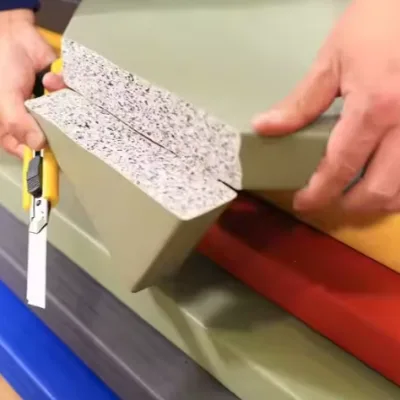


$17.38 - $21.88
MOQ: 200 Pieces


$19.36 - $26.88
MOQ: 200 Pieces


Anti-Slip Judo Tatami Mats 2m X 1m, Sanda Competition Judo Mats, 1mx1m Judo Mat
$30.00 - $80.00
MOQ: 200 Pieces


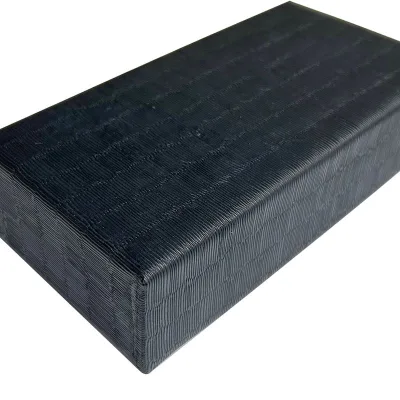
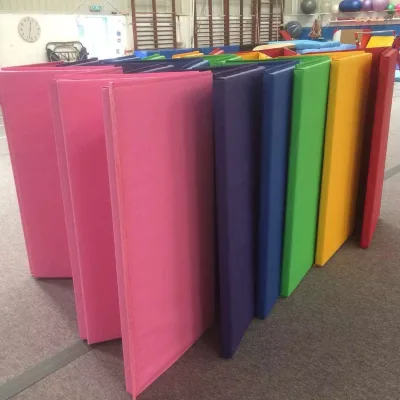


Comprehensive Sourcing Guide
Strategic Sourcing Guide for Anti-Fatigue Judo Mats
Understanding Core Technical Specifications and Material Composition
When sourcing anti-fatigue judo mats, the primary objective is to identify products that balance shock absorption with structural integrity for high-impact training environments. Based on available market data, the material composition is a critical differentiator. The observed supply chain predominantly utilizes a composite structure of PVC combined with PE Foam or PVC combined with PU Sponge. Some listings specifically isolate PU as a primary material component, while others emphasize PVC. Buyers must verify the exact layering and density of these materials, as the "anti-fatigue" property is directly correlated to the foam's resilience and the PVC's durability.
The thickness of these mats varies significantly to accommodate different training intensities. The observed specifications include thicknesses of 3cm, 4cm, 5cm, and 6cm. It is important to note that some data points list 4cm alongside 4mm, which suggests a potential data inconsistency in supplier listings; buyers should explicitly confirm whether the requirement is 4mm (0.4cm) or 4cm, as this distinction drastically alters the mat's function. For anti-fatigue purposes, thicker options like 5cm or 6cm generally provide superior cushioning for the waist and chest, which are the primary protection areas highlighted in product attributes.
Surface texture is another vital technical parameter. The mats are available in two distinct patterns: Smooth and Tatami. The Tatami pattern is traditionally preferred for judo and grappling arts as it offers better grip and friction, reducing the risk of slipping during throws. Conversely, the Smooth surface may be preferred for specific drilling exercises or for environments where easy cleaning is the priority. The standard dimensions observed are 1m x 1m and 1m x 2m, with some suppliers offering custom standard sizes. The density of the foam core is equally critical, with observed ranges spanning from 40kg/cbm to 280kg/cbm, and specific high-density options noted at 190, 230, and 270kg/cbm. Higher density generally correlates with longer service life and better recovery from compression, which is essential for anti-fatigue performance.
Compliance, Certification, and Safety Standards Verification
In the B2B procurement of sports equipment, particularly items designed for high-impact martial arts, compliance with safety and environmental standards is non-negotiable. While the supplied product data does not explicitly confirm that every listed item holds specific certifications, buyers must actively verify the presence of recognized international standards. The background knowledge suggests that certifications such as OEKO-TEX, ISO 9001:2015, ISO 14001:2015, and ISO 45001:2018 are relevant benchmarks for quality and environmental management in this sector.
Buyers should not assume that a product is compliant based on the supplier's general description. Instead, the procurement process must include a request for third-party test reports verifying that the PVC and foam materials are free from harmful phthalates and heavy metals, which is a common requirement for OEKO-TEX certification. Furthermore, since these mats are used for training and competition, they must meet structural safety standards that prevent injury during falls. The "Anti-fatigue" claim implies that the mat must maintain its shape and shock-absorbing properties over time, which requires verification against durability standards.
It is crucial to distinguish between "customized" standards and "standard" dimensions. While some listings indicate "Customized" as a standard, others specify exact dimensions like 1000x1000mm or 1000x2000mm. Buyers must ensure that any custom dimensions requested still adhere to the safety tolerances required for competition use. Additionally, the origin of the product, consistently listed as China (specifically Shandong province in some records), does not preclude high quality, but it necessitates rigorous supplier vetting to ensure that the manufacturing processes meet the intended safety protocols. The presence of a "Ce" mark in background knowledge suggests that European conformity is a potential requirement for certain markets, and buyers targeting Europe should explicitly demand CE certification documentation.
Cost Drivers and Pricing Structure Analysis
The pricing structure for anti-fatigue judo mats is influenced by a complex interplay of material costs, customization levels, and order volume. The observed price range in the market spans from $0.22 to $80 per unit. This wide variance is not indicative of a single product type but rather reflects differences in thickness, material density, surface treatment, and order quantity. The lower end of the price spectrum likely corresponds to thinner mats (3cm or 4mm) with lower density foam and standard packaging. Conversely, the higher price points are associated with thicker mats (5cm or 6cm), high-density foam (270kg/cbm), and specialized Tatami textures that require more complex manufacturing.
Minimum Order Quantity (MOQ) is a significant cost driver. The observed MOQ range is between 15 and 200 units, with specific listings citing an MOQ of 80 pieces. Buyers purchasing small quantities may face a higher per-unit cost due to the fixed costs of production setup and logistics. Conversely, larger orders can leverage economies of scale, potentially bringing the unit cost closer to the lower end of the observed range. However, buyers must be cautious of the "Single item" selling unit attribute, which may indicate that some suppliers are willing to sell samples or very small batches at a premium price, which is not representative of bulk pricing.
Customization is another major factor affecting cost. The data confirms that customization is available, including custom logos, colors, and dimensions. Customizing the mat size or adding a specific logo requires additional tooling and production time, which will increase the unit price. The choice of material also impacts cost; PU sponge may be priced differently than PE foam, and higher density foams generally command a premium. Buyers should request a detailed cost breakdown that separates the base material cost from the customization fees to understand the true value proposition. Additionally, packaging costs vary, with options ranging from woven bags to wooden pallets and export cartons. The choice of packaging, particularly wooden pallets for heavy shipments, adds to the overall landed cost and should be factored into the total budget.
Typical Applications and Usage Scenarios
Anti-fatigue judo mats are designed for a diverse range of applications, extending beyond traditional judo practice to include various martial arts and general fitness training. The product attributes explicitly list usage for both "Training" and "Competition," indicating that these mats must meet the rigorous demands of professional environments as well as the repetitive needs of daily gym sessions. The mats are suitable for a wide array of martial art styles, including Judo, Karate, Taekwondo, Kung Fu, Jiu-Jitsu, and Samurai training. This versatility makes them a valuable asset for multi-discipline dojos or community centers that host various classes.
The target demographic for these mats is primarily adults, as indicated by the "Age Group: Adults" attribute. However, the unisex nature of the product suggests they are suitable for all genders and can be used in mixed-gender training environments. The "Protection Part" attributes highlight the waist and chest, which are critical areas during throws and falls in judo and grappling sports. This confirms that the mats are engineered to absorb impact specifically in these zones, reducing the risk of injury and fatigue for the practitioner.
The service life of these mats is a key consideration for long-term applications. Observed service life ranges from 1-4 years to 5-8 years. The longer service life is likely associated with higher density materials and better construction quality, making them more suitable for high-traffic commercial gyms or competition venues. For lower-traffic training centers or schools, the shorter service life range may be acceptable, provided the mats are maintained correctly. The "Anti-fatigue" aspect is particularly relevant for instructors and coaches who spend extended periods standing or kneeling on the mats, as well as for athletes performing repetitive drills. The availability of various colors, including Blue, Black, Red, Yellow, Green, Grey, and White, allows facilities to match their mats to their branding or to designate different zones within a training hall.
Supplier Evaluation and Manufacturing Capabilities
Evaluating suppliers for anti-fatigue judo mats requires a focus on manufacturing capabilities, customization flexibility, and logistical reliability. The data indicates that the majority of suppliers are located in China, with specific mentions of Shandong province as a production hub. This concentration suggests a mature supply chain with established expertise in PVC and foam processing. Buyers should prioritize suppliers who demonstrate a clear capacity for OEM (Original Equipment Manufacturer) services, as the "Brand Name: OEM" attribute confirms that many manufacturers are set up to produce private-label goods.
A critical aspect of supplier evaluation is the ability to handle customization. The product attributes confirm that customization is available for logos, colors, and potentially dimensions. Buyers should assess the supplier's flexibility in accommodating specific requests, such as custom densities or unique color combinations. The "Customized" attribute appearing multiple times in the data reinforces that this is a standard offering, but the degree of customization (e.g., full custom mold vs. simple logo printing) can vary significantly between suppliers.
Logistics and packaging are also essential evaluation criteria. The observed packaging options include wooden pallets, woven bags, cartons, and export cartons. For international shipments, the use of wooden pallets is often necessary for stability and handling, but buyers must ensure that the wood is treated according to international phytosanitary standards (e.g., ISPM 15) to avoid customs delays. The "prod_packing" attribute varies, indicating that different suppliers have different standard packing methods. Buyers should verify that the packaging is robust enough to protect the mats during transit, especially given the potential weight of high-density foam mats.
Finally, buyers should investigate the supplier's quality control processes. While specific test results are not provided in the data, the mention of service life and density ranges implies that quality control is a factor in the final product. Suppliers who can provide detailed production flow charts and quality assurance protocols are preferable. The "Model Number" variations (e.g., XLY-084, JM-01, FST1230) suggest a diverse product portfolio, and buyers should ensure that the specific model they select aligns with their technical requirements.
Quality Control and Long-Term Procurement Considerations
Ensuring consistent quality in anti-fatigue judo mats requires a robust quality control (QC) strategy that extends beyond the initial purchase. The observed service life of 1-8 years highlights the importance of material durability. Buyers should implement a QC protocol that includes sampling and testing for density, thickness, and surface adhesion. The density range of 40-280kg/cbm is vast, and verifying that the actual product matches the specified density is crucial for ensuring the "anti-fatigue" performance is not compromised by under-filled foam.
Long-term procurement considerations involve the maintenance and replacement cycle of the mats. The "Service Life" attribute suggests that mats will eventually degrade, and buyers should plan for periodic replacement. High-traffic areas may require mats with a service life of 5-8 years, while lower-traffic areas might see a shorter lifespan. Buyers should negotiate terms with suppliers that include a warranty or a replacement policy for premature failures. The "Customized" nature of the product also means that replacement mats must match the original specifications, particularly if the mats are custom-colored or branded.
Lead times and production capacity are other long-term factors. While specific lead times are not provided in the data, the MOQ range of 15-200 units suggests that suppliers may have varying production schedules. Buyers should establish a clear communication channel with suppliers to ensure timely delivery, especially for large orders or custom projects. The "Selling Units: Single item" attribute may indicate that some suppliers can fulfill small orders quickly, but bulk orders may require longer lead times.
Finally, buyers should consider the environmental impact of the mats. The use of PVC and foam raises questions about recyclability and disposal. Suppliers who can provide information on the recyclability of their materials or who adhere to environmental standards like ISO 14001 will be better positioned to meet the sustainability goals of modern organizations. By focusing on these long-term considerations, buyers can ensure a sustainable and cost-effective procurement strategy for anti-fatigue judo mats.
Comparative Analysis of Key Product Attributes
To facilitate decision-making, the following table summarizes the key attributes observed in the market for anti-fatigue judo mats. This comparison helps buyers quickly identify the specifications that align with their specific needs.
| Attribute | Observed Range / Options | Key Considerations for Buyers |
|---|---|---|
| Material | PVC+PE Foam, PVC+PU Sponge, PU | Verify exact composition for durability and eco-compliance. |
| Thickness | 3cm, 4cm, 5cm, 6cm (Note: 4mm listed) | Confirm 4cm vs 4mm; thicker is better for anti-fatigue. |
| Density | 40-280kg/cbm; Specifics: 190, 230, 270 | Higher density = longer life, better shock absorption. |
| Surface Pattern | Smooth, Tatami | Tatami preferred for grip; Smooth for easy cleaning. |
| Dimensions | 1m x 1m, 1m x 2m, Custom | Verify standard vs. custom sizing requirements. |
| Color Options | Blue, Black, Red, Yellow, Green, Grey, White | Check color fastness and availability for branding. |
| Service Life | 1-4 Years, 5-8 Years | Higher density and quality materials extend life. |
| MOQ | 15-200 units (Specific: 80 PCS) | Higher volume may reduce unit cost significantly. |
| Origin | China (Shandong) | Verify shipping terms and origin-specific quality. |
| Packaging | Wooden Pallet, Woven Bag, Carton | Ensure packaging protects against moisture and damage. |
This table serves as a reference for buyers to cross-reference their requirements against the available market options, ensuring that the selected mats meet the technical and operational demands of their facility.
FAQs
What materials are used for anti-fatigue judo mats?
These mats primarily use PVC combined with PE Foam or PVC combined with PU Sponge. Some listings also specify PU as a primary material component. Buyers should verify the exact layering and density to ensure the product meets their specific shock absorption needs.
Which thickness options are available for these mats?
Available thicknesses include 3cm, 4cm, 5cm, and 6cm. Some data points list 4cm alongside 4mm, so buyers must explicitly confirm the requirement as this distinction drastically alters the mat's function and anti-fatigue performance.
Can I customize the logo and colors on the mats?
Yes, customization is available for logos, colors, and dimensions. The mats come in Blue, Black, Red, Yellow, Green, Grey, and White. Buyers can request specific color combinations or private labeling through OEM services offered by the manufacturers.
How long do anti-fatigue judo mats typically last?
The service life ranges from 1 to 8 years depending on the product grade. Higher density foams and better construction quality generally support a longer lifespan of 5 to 8 years, while standard options may last 1 to 4 years under regular use.
What are the standard sizes for these training mats?
Standard sizes are 1m by 1m and 1m by 2m. Custom dimensions are also available upon request. Buyers should ensure that any custom sizes adhere to safety tolerances required for competition use if that is the intended application.
Which martial arts styles can these mats support?
These mats support Judo, Karate, Taekwondo, Kung Fu, Jiu-Jitsu, and Samurai training. They are designed for both training and competition environments. The surface patterns, including Smooth and Tatami, offer varying levels of grip suitable for different styles.
What is the minimum order quantity for these mats?
The minimum order quantity ranges from 15 to 200 units depending on the supplier. Some specific listings cite an MOQ of 80 pieces. Buyers purchasing small quantities may face higher per-unit costs due to fixed production setup expenses.