Source Anti-Fingerprint 3D Hydrogel Film for Mobile Phones, Tablets, and Smart Watches
Explore 30 listings for anti-fingerprint 3D hydrogel film designed for mobile phones, tablets, and smart watches. Buyers can compare specifications like thickness, hardness, and customization options to find the right protective solution for various devices.
Key considerations
Products List


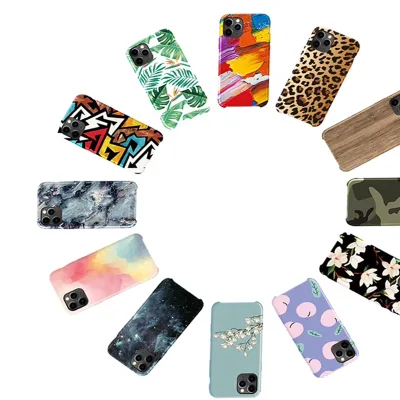


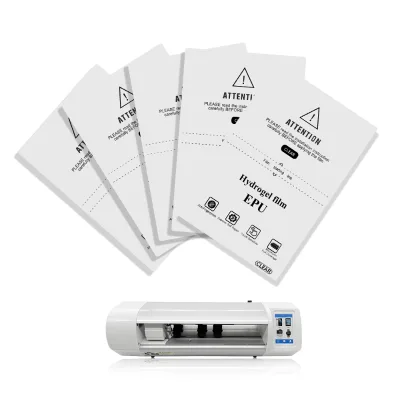
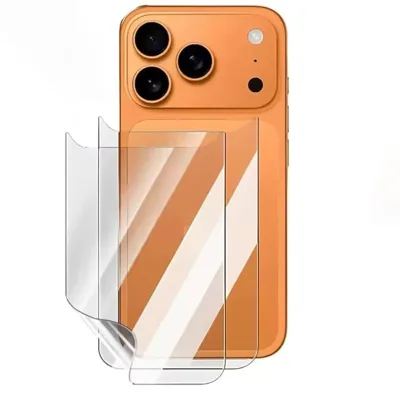
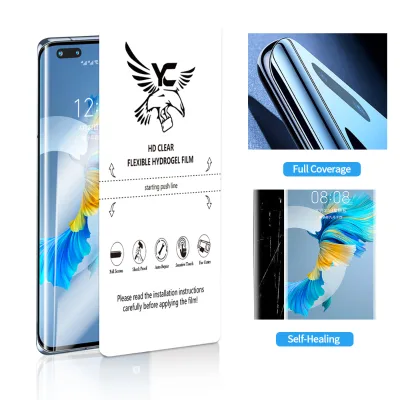
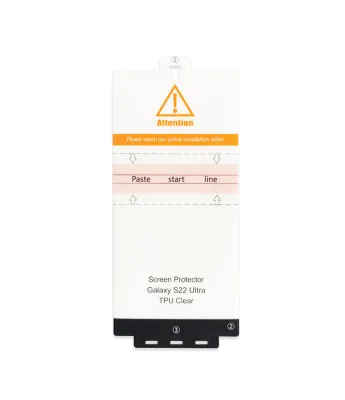
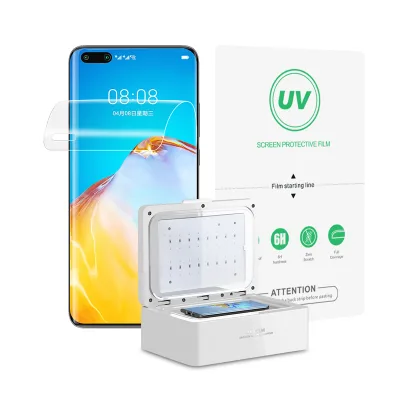
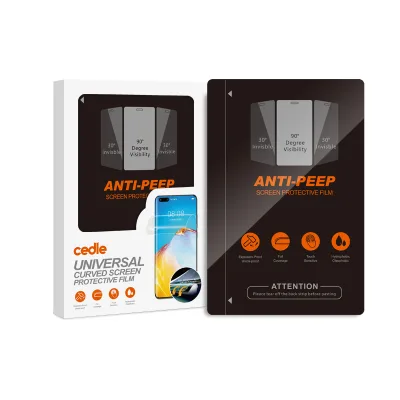
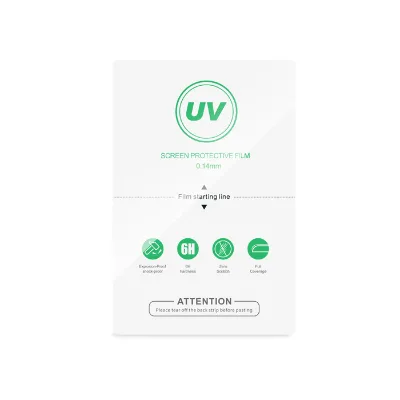
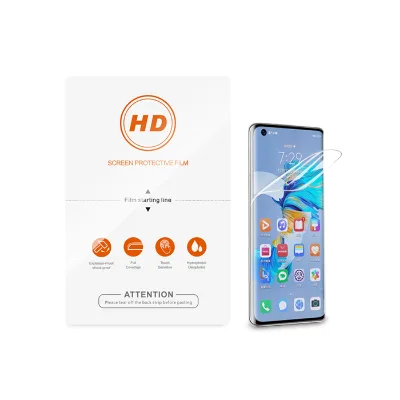
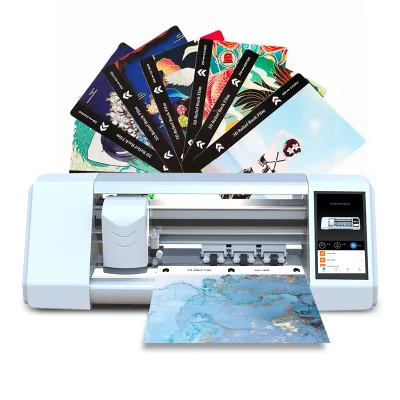


Fingerprint Anti Spy TPU Hydrogel Film Raw Material Mobile Phone Screen Protector Film
$27.00 - $29.60
MOQ: 1 Square Meters

Factory Bulk Wholesale 2.5D Curved Anti Peeping Hydrogel Film Privacy
$40.00 - $56.00
MOQ: 1 Square Meters

Factory Bulk Wholesale 2.5D Curved Anti Peeping Hydrogel Film Privacy
$40.00 - $56.00
MOQ: 1 Square Meters


Comprehensive Sourcing Guide
Strategic Sourcing Guide for Anti-Fingerprint 3D Hydrogel Film
Understanding the Technical Landscape of Hydrogel Solutions
The global market for mobile device protection has shifted significantly toward hydrogel technology, driven by the need for superior screen coverage and tactile performance. When sourcing an anti-fingerprint 3D hydrogel film, buyers must first distinguish between traditional PET films and the more advanced TPU (Thermoplastic Polyurethane) or hydrogel variants. The core product category identified in current supply data includes "TPU Hydrogel Phone Film" and "Film Hidrogel for Back Phone," indicating a robust supply chain capable of addressing both front and rear protection needs.
A critical technical differentiator for 3D hydrogel films is their ability to conform to curved screens without the need for heat curing or complex installation tools. The observed specifications indicate a thickness range typically falling between 0.13mm and 0.3mm, with specific models citing 0.15mm, 0.18mm, 0.20mm, and 0.25mm. This variance allows buyers to select films based on the desired balance between flexibility and impact resistance. The "3D" designation often correlates with a 2.5D or 3D radian capability, ensuring the film wraps seamlessly around the edges of modern smartphones, tablets, and smartwatches.
The material composition is another vital specification. Supply data confirms the availability of films constructed from PET, TPU, PMMA, and PVC, often utilizing "Japan + AB Glue" for adhesion. The "AB Glue" system is particularly relevant for hydrogel films, as it facilitates a self-healing property where minor scratches disappear over time. Furthermore, the viscosity of the adhesive layer is noted as "High Viscosity," which is essential for preventing bubbles and ensuring a permanent bond on curved surfaces. Buyers should verify that the specific model they select, such as those with model numbers like HY-2026027 or Back hydrogel film-014, aligns with the specific curvature of the target device.
Compliance Verification and Material Safety Standards
In the B2B procurement of protective films, compliance with international safety and environmental standards is non-negotiable. While the provided data lists "OEM" as a product standard, it does not explicitly confirm specific third-party certifications like RoHS or REACH. Consequently, buyers must treat the "OEM" designation as a manufacturing capability rather than a compliance guarantee. The sourcing strategy must include a rigorous request for documentation proving that the raw materials—specifically the TPU, PET, and adhesive components—meet the environmental regulations of the destination market.
The "Quality: Grade AAA" attribute found in supplier listings suggests a high tier of manufacturing, but this is an internal classification. To validate this claim, procurement teams should request test reports focusing on chemical stability and toxicity. For films intended for use on devices that may be exposed to high heat or direct sunlight, verifying the thermal stability of the "High Viscosity" glue is essential. Additionally, the "Anti-SPY" and "Anti-View" features mentioned in the attribute list require specific optical testing to ensure that the privacy filtration does not degrade the display clarity or introduce color distortion.
Buyers should also scrutinize the "Product Name" variations, such as "Mirror Film" or "Def Protective Film," to ensure the material properties match the intended application. For instance, a mirror film may have different reflective properties compared to a standard "HD CLEAR" hydrogel. The absence of explicit certification data in the source material necessitates a proactive verification step where the buyer demands a Certificate of Analysis (CoA) for every batch, specifically checking for heavy metals, phthalates, and volatile organic compounds (VOCs).
Cost Drivers and Pricing Dynamics in Hydrogel Production
The pricing structure for anti-fingerprint 3D hydrogel films is influenced by several complex variables, including material composition, customization levels, and order volume. The observed price range in the market spans from $0.19 to $586 USD, a disparity that reflects the difference between single-unit samples, bulk rolls, and highly customized, pre-cut solutions. The lower end of this spectrum likely represents generic, uncut rolls or basic models, while the higher end may include specialized models with advanced features like "Intelligent Colorful back Film" or "coloful" finishes that require additional processing steps.
A significant cost driver is the level of customization. The supply data confirms that "Customization: Available" is a standard offering, with options for specific model numbers and cutting dimensions. Customization often involves setting up dedicated production lines for "Model cutting: screen protector cutting machine use," which incurs higher setup costs but reduces waste for the buyer. The "MOQ: 50pcs" observed in the data suggests a relatively low barrier to entry for small batches, yet the "MOQ range: 1-5000" indicates that larger orders can significantly reduce the per-unit cost.
Buyers must also account for packaging and logistics costs. The data lists "Package: OPP Bag" for individual items and "Carton" for bulk shipments, with a "Package size per batch" of 19x13x3 cm and a "Gross weight per batch" of 0.7 kg. These dimensions are critical for calculating freight costs, especially when shipping from the "place of origin: Guangdong, China." The "Selling Units: Single Item" attribute implies that some suppliers may price per piece for small orders, whereas others may price per square meter or per roll for larger contracts. Understanding these unit economics is essential for accurate budgeting, particularly when factoring in the "High Viscosity" and "Anti-Explosion" features that may command a premium over standard films.
Typical Applications and Functional Versatility
The versatility of anti-fingerprint 3D hydrogel films makes them suitable for a wide array of electronic devices beyond just smartphones. The "Usage" data explicitly lists compatibility with "PC / Notebook, Mobile Phone, MP3 Player, Camera, Video Game Player, Gps, PDA, Smart Watch, camera lense of mobilephone, Tablet PC, Tablet." This broad applicability allows buyers to diversify their product offerings or target multiple market segments with a single supply chain partner.
For mobile phones, the primary application is the "Front Screen Protector," where the "Anti-Scratch, Anti-Fingerprint, Anti-Explosion" features are paramount. The "Full Glue" and "Bubble Free" attributes ensure that the film adheres perfectly to the glass surface, maintaining touch sensitivity and visual clarity. In contrast, the "Back Skin Stick Cutting" application targets the rear of the device, offering protection against scratches and aesthetic customization. The "Intelligent Colorful back Film" and "coloful" options allow for branding opportunities or personalized designs, which are highly valued in the consumer electronics market.
The "Application: Phone Back Perfect Protection" and "Film Cutting Machine Material" entries highlight a specialized use case where the film is used as a raw material for automated cutting machines. This is particularly relevant for large-scale retailers or service providers who need to produce custom-fit films on-demand. The "Hardness: Soft" attribute is crucial here, as it allows the material to be cut and shaped without cracking, ensuring a precise fit for various device models. Additionally, the "Waterproof" feature adds a layer of durability for devices used in harsh environments, making these films suitable for industrial or outdoor applications.
Supplier Evaluation and Manufacturing Capabilities
Evaluating suppliers for hydrogel film production requires a deep dive into their manufacturing capabilities and quality control processes. The "Brand Name: LKGGO/OEM/ODM" data indicates that suppliers are capable of both private labeling and original design manufacturing. This flexibility is a strong indicator of a mature supply chain that can adapt to the specific branding needs of B2B clients. However, the presence of OEM/ODM capabilities does not automatically guarantee consistent quality; therefore, buyers must assess the supplier's track record in delivering "Grade AAA" products.
Key evaluation criteria should include the supplier's ability to handle "Customized" orders with precision. The "Key Feature3: any model can be customized" suggests a high degree of flexibility, but buyers should verify the lead times and minimum order quantities associated with these customizations. The "Process: colored drawing" attribute implies that the supplier has in-house design and printing capabilities, which is essential for producing "coloful" or branded films. Buyers should request samples of previous custom work to assess the color accuracy and print quality.
Furthermore, the "prod_packing: Customized" and "prod_packing: Carton" options indicate that the supplier can adapt their packaging to meet specific logistical requirements. This is particularly important for buyers who need to optimize shelf space or comply with specific retail packaging standards. The "Gross weight per batch: 0.7 kg" and "Package size per batch: 19X13X3 cm" data points provide a baseline for logistics planning, but buyers should confirm if these figures apply to standard or custom orders. A reliable supplier will provide clear documentation on their production capacity, quality control protocols, and ability to scale production to meet fluctuating demand.
Quality Control Protocols and Long-Term Procurement Strategy
Ensuring the long-term reliability of anti-fingerprint 3D hydrogel films requires a robust quality control (QC) framework. The "Feature: Anti-Scratch, Anti-Fingerprint, Anti-Explosion, Anti-SPY, High Transparent, Anti Shock, FULL GLUE, Dirt-resistant, FULL COVERAGE, Anti-Oil, Anti-Glare, Waterproof, ULTRA-THIN, Bubble Free, HD CLEAR, Anti glare" list represents a comprehensive set of performance expectations. However, these features must be validated through standardized testing. Buyers should insist on test reports that verify the "Anti-Scratch" hardness, the "Anti-Fingerprint" oleophobic coating durability, and the "Anti-Explosion" impact resistance.
The "Thickness: 0.13mm, 0.18mm, 0.15 mm, 0.25 mm, 0.2 mm" specifications highlight the need for precise thickness control during production. Variations in thickness can affect the film's flexibility and adhesion, leading to installation issues or premature failure. A strong QC protocol should include regular sampling and measurement of film thickness, viscosity, and optical clarity. The "High Viscosity" attribute, while beneficial for adhesion, must be balanced to ensure the film does not become too rigid or difficult to apply.
For long-term procurement, buyers should establish a partnership with suppliers who demonstrate consistency in their "Grade AAA" quality claims. This involves regular audits, sample testing, and performance reviews. The "MOQ: 50pcs" and "MOQ range: 1-5000" data suggest that suppliers are willing to accommodate both small and large orders, but buyers should negotiate volume-based pricing tiers to optimize costs over time. Additionally, the "Location: China" and "place of origin: Guangdong, China" data points indicate a concentrated manufacturing hub, which can offer logistical advantages but also requires careful management of supply chain risks.
Comparative Analysis of Film Specifications
To facilitate informed decision-making, the following table compares key specifications observed in the supply data. This comparison helps buyers identify the most suitable product for their specific needs, balancing technical performance with cost and customization requirements.
| Specification | Standard Hydrogel Film | 3D Curved Hydrogel Film | Custom Color/Design Film |
|---|---|---|---|
| Primary Material | TPU, PET | TPU, Japan + AB Glue | TPU, PVC, Colored Drawing |
| Thickness Range | 0.13mm - 0.25mm | 0.15mm - 0.3mm | 0.18mm - 0.25mm |
| Key Features | Anti-Scratch, Anti-Fingerprint | 2.5D/3D Radian, Bubble Free | Intelligent Colorful, Custom |
| Adhesion Type | High Viscosity | Full Glue, Self-Healing | Full Glue, High Viscosity |
| Customization | Limited | High (Model Specific) | High (Design/Color) |
| Typical MOQ | 50 pcs | 50 pcs | 50 pcs |
| Application | Front/Back Screen | Front/Back Curved Screen | Back Skin, Decorative |
| Packaging | OPP Bag, Carton | Carton | Customized |
This table illustrates that while standard films offer basic protection, 3D curved films provide superior coverage for modern devices, and custom films offer unique branding opportunities. Buyers should align their selection with the specific device models they serve and the value proposition they wish to deliver to their end customers. By carefully evaluating these specifications against the observed data, procurement teams can build a resilient and competitive supply chain for anti-fingerprint 3D hydrogel films.
FAQs
What thickness options are available for this film?
The film is available in thicknesses ranging from 0.13mm to 0.3mm, with specific models offering 0.15mm, 0.18mm, 0.2mm, and 0.25mm. Buyers can select the ideal thickness based on the desired balance between flexibility and impact resistance for their specific device.
Can I customize the model and packaging for this product?
Yes, customization is available for any model, including specific cutting dimensions and customized packaging options like OPP bags or cartons. Suppliers can adapt the product to meet specific branding needs while maintaining the high-quality Grade AAA standard.
Which materials are used to construct these protective films?
These films are constructed from various materials including PET, TPU, PMMA, and PVC, often utilizing Japan plus AB Glue for adhesion. The material composition ensures high viscosity for bubble-free application and self-healing properties for minor scratches.
How do I find suppliers with low minimum order quantities?
You can identify suppliers with minimum order quantities starting from 50 pieces, as some listings explicitly state an MOQ of 50pcs. The general MOQ range spans from 1 to 5000 units, allowing flexibility for small batch testing or larger bulk orders.
What are the key features of the front screen protector version?
The front screen protector features anti-scratch, anti-fingerprint, anti-explosion, and full coverage capabilities with high transparency. It is designed to be bubble-free and ultra-thin, ensuring HD clarity and touch sensitivity on mobile phones and tablets.
Where are these hydrogel films typically manufactured?
The products originate from China, with specific production locations noted in Guangdong. This regional sourcing allows for efficient logistics and access to a robust supply chain capable of handling both OEM and ODM manufacturing requirements.
Can this film be used on devices other than mobile phones?
Yes, the film is compatible with a wide range of devices including PCs, notebooks, MP3 players, cameras, smartwatches, and GPS units. Its soft hardness and cutting machine compatibility make it suitable for various electronic screens and lenses.