Find anti-glare dimmable led track light for Room Street Decoration
Source 30 anti-glare dimmable led track light options with varying power, beam angles, and certifications. Compare specifications from suppliers in China to find the right fit for room, street, or decoration projects.
Key considerations
Products List


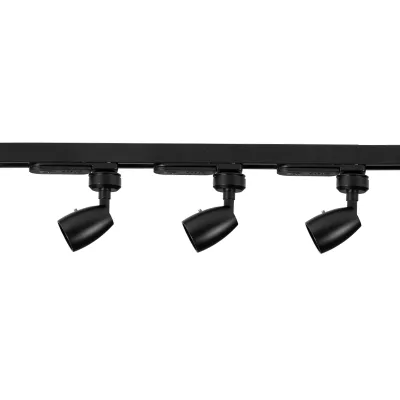
Modern10W 20W 30W Dimmable Anti Glare Magnetic Rail Spotlight LED Track Light
$10.00 - $20.00
MOQ: 20 Pieces


High Lumen Anti-Glare 30W Round LED Track Light with CE RoHS Certification
$14.00 - $17.00
MOQ: 100 Pieces




Comprehensive Sourcing Guide
Strategic Sourcing Guide for Anti-Glare Dimmable LED Track Lights
Understanding Technical Specifications and Optical Performance
When sourcing anti-glare dimmable LED track lights, the primary objective is to balance high luminous output with visual comfort. The core of this balance lies in the optical design and the specific electrical characteristics of the unit. Based on available market data, buyers should look for products that specify a Luminous Efficacy ranging between 90 and 120 lumens per watt. This range indicates a high-efficiency conversion of electrical energy into visible light, which is critical for reducing operational costs in commercial environments.
The light source itself is a decisive factor. The supply chain predominantly features COB (Chip on Board) technology and standard LED chips from reputable manufacturers such as Epistar. COB configurations are particularly relevant for anti-glare applications because they allow for a more uniform light distribution, reducing the visibility of individual diodes that can cause discomfort. The Color Rendering Index (CRI) is another non-negotiable metric. While some listings indicate a CRI of 80, higher-end options for retail and gallery applications often specify CRI values of 85 or 90, with some reaching Ra90. A higher CRI ensures that colors in the illuminated space appear natural and vibrant, a requirement for high-end retail and hospitality sectors.
Beam angle selection is equally critical for managing glare. The available data shows beam angles ranging from 15 to 36 degrees, with some specific models offering a 180-degree spread, though the latter is less common for focused track lighting. For anti-glare applications, narrower beam angles (15-24 degrees) are often preferred to create distinct pools of light, while wider angles (36 degrees) provide more general illumination. Buyers must verify that the specific model selected matches the intended architectural application. The operating temperature range is typically cited between -45°C and 55°C, ensuring reliability in varied environmental conditions. Furthermore, the working lifetime is a key performance indicator, with standard expectations set at 40,000 to 50,000 hours. This longevity reduces the frequency of maintenance interventions, a significant cost driver in commercial facilities.
Compliance, Certification, and Regulatory Standards
Navigating the complex landscape of international certifications is essential for ensuring that the procured lighting fixtures meet local safety and environmental regulations. The market data indicates a wide array of certifications, including CE, EMC, FCC, LVD, RoHS, SASO, SAA, and CCC. Each of these acronyms represents a specific regulatory hurdle that the product must clear before it can be legally sold or installed in a specific region.
CE marking is a mandatory conformity mark for products sold within the European Economic Area, covering safety, health, and environmental protection. EMC (Electromagnetic Compatibility) and LVD (Low Voltage Directive) are specific subsets of CE that address interference and electrical safety, respectively. For markets in North America, FCC certification is required to ensure the device does not emit excessive electromagnetic interference. In Australia and New Zealand, the SAA mark is the standard for electrical safety. The RoHS directive restricts the use of specific hazardous materials in electrical and electronic equipment, while CCC is the mandatory certification for products sold in China.
Buyers must verify that the supplier provides valid, up-to-date certificates for the specific regions where the lights will be installed. Relying on a generic list of certifications without verifying the scope of the certificate can lead to customs delays or legal liabilities. Additionally, the material composition must align with environmental standards. The lamp body is frequently constructed from Aluminum Alloy or a combination of Aluminum and Plastic. Aluminum is preferred for its thermal conductivity, which helps dissipate heat from the LED driver and chips, thereby extending the lifespan of the unit. The shell color is typically available in White or Black, which should be selected to match the interior design aesthetic.
Cost Drivers and Pricing Dynamics
The pricing of anti-glare dimmable LED track lights is influenced by a combination of technical specifications, material quality, and order volume. The observed price range in the market spans from approximately $1.77 to $182.88 USD. This wide variance is not arbitrary; it reflects differences in power output, build quality, and included features. Lower-priced units often correspond to lower wattage (e.g., 12W) and basic specifications, while higher-priced units may offer higher wattage (21-30W), superior CRI ratings, or advanced dimming capabilities.
Power consumption is a direct cost driver. Units rated at 12W are generally more affordable than those in the 21-30W range. However, the total cost of ownership must be considered. A higher initial investment in a 30W unit with 120lm/W efficacy may result in lower energy bills and fewer replacements over time compared to a cheaper, less efficient 12W unit. The material of the lamp body also impacts cost. Aluminum alloy bodies are generally more expensive than plastic composites due to the material cost and the manufacturing processes involved in extrusion and machining.
Order volume plays a significant role in final pricing. The Minimum Order Quantity (MOQ) varies widely, from as low as 1 unit to as high as 300 units. Buyers purchasing small quantities may face higher per-unit costs but benefit from lower capital outlay. Conversely, bulk orders can unlock significant discounts, but they require careful inventory management. Customization is a major factor in pricing. While standard neutral packaging is common, customized packaging or specific color finishes often incur additional tooling or setup fees. The lead time for samples is typically 2-3 working days, while bulk orders may require 5-15 working days. These timelines affect cash flow and project scheduling, indirectly influencing the total cost of the procurement process.
Typical Applications and Installation Requirements
The versatility of LED track lights makes them suitable for a diverse range of applications, from residential spaces to large commercial venues. The data indicates usage in rooms, streets, and decoration contexts. However, the specific design features of anti-glare dimmable models make them particularly well-suited for environments where visual comfort and aesthetic presentation are paramount.
In retail environments, track lighting is used to highlight merchandise. The ability to adjust the beam angle and dim the light allows retailers to create dynamic displays that draw customer attention to specific products. The high CRI options (Ra90) are essential here to ensure that clothing, food, or art pieces are rendered accurately. In hospitality settings, such as hotels and restaurants, the dimmable feature is crucial for setting the mood. The ability to lower light levels during dinner service while maintaining adequate visibility creates a welcoming atmosphere. The anti-glare design prevents eye strain for patrons and staff, enhancing the overall experience.
For office and workspace applications, the focus shifts to task lighting and general illumination. The wide beam angles and high efficacy ensure that workspaces are evenly lit without the harsh shadows or glare that can cause fatigue. The long working lifetime of 40-50,000 hours is particularly beneficial in high-ceiling offices where changing bulbs is difficult and costly. In street lighting applications, the robust construction and wide operating temperature range (-45°C to 55°C) ensure reliability in outdoor conditions. The input voltage of 220V AC is standard for many international markets, but buyers must confirm compatibility with local grid standards.
Supplier Evaluation and Verification Protocols
Selecting the right supplier requires a rigorous evaluation process that goes beyond price comparison. Buyers should prioritize suppliers who demonstrate transparency in their manufacturing capabilities and quality assurance processes. The origin of the products is a key indicator of supply chain stability. Most of the observed products originate from China, with specific manufacturing hubs in Guangdong. This region is known for its mature lighting industry, but it also necessitates careful vetting to ensure quality consistency.
When evaluating a supplier, buyers should request detailed product specifications that match the observed data points, such as the specific model numbers (e.g., EC-LTR11-15w, SL-TL11E, H261A-LED12ET). The presence of OEM and ODM capabilities is a strong indicator of a supplier's flexibility. This allows buyers to customize the product to their specific brand requirements, including logo placement, color finishes, and packaging. The availability of customization is a significant advantage for brands looking to differentiate their offerings.
Verification of certifications is a critical step. Buyers should not rely solely on the supplier's word but should request copies of the actual certificates. The list of certifications observed includes CE, RoHS, FCC, SAA, and CCC. It is important to ensure that the certificates are valid and cover the specific product models being purchased. Additionally, buyers should inquire about the supplier's quality control procedures. Do they perform 100% testing before shipment? What is their defect rate? The warranty period, typically listed as 2 years, is another key metric. A longer warranty period often reflects the supplier's confidence in the product's durability and their willingness to stand behind their quality.
Quality Control and Long-Term Procurement Considerations
Ensuring long-term reliability requires a proactive approach to quality control. The observed data highlights several critical quality indicators, including the lamp body material, the LED chip brand, and the working lifetime. Aluminum alloy bodies are preferred for their thermal management properties, which prevent overheating and extend the life of the LED components. The use of Epistar chips is a positive sign, as this is a well-known manufacturer with a reputation for consistent performance.
Buyers should implement a rigorous incoming quality control (IQC) process. This involves sampling units from each batch to verify that the specifications match the order. Key checks should include luminous efficacy, CRI, beam angle, and the functionality of the dimming mechanism. The dimming capability is a complex feature that requires testing to ensure smooth transitions without flickering. The working temperature range and the IP rating (though specific IP ratings for track lights can vary) must be verified to ensure the product can withstand the environmental conditions of the installation site.
Long-term procurement considerations also involve the supply chain's ability to support the product over its lifecycle. The lead time for orders is typically 5-15 working days, which is relatively short, but buyers should plan for potential delays due to global logistics or raw material shortages. The warranty period of 2 years is standard, but buyers should clarify the terms of the warranty, including what constitutes a defect and the process for claiming replacements. The product packing, whether neutral or customized, should be robust enough to prevent damage during transit.
In conclusion, sourcing anti-glare dimmable LED track lights requires a balanced approach that considers technical performance, regulatory compliance, cost efficiency, and supplier reliability. By focusing on the specific attributes observed in the market, such as high efficacy, robust materials, and comprehensive certifications, buyers can make informed decisions that meet their project requirements. The wide range of available options, from 12W to 30W units with varying beam angles and CRI values, allows for tailored solutions that address the unique needs of different applications. Ultimately, the success of the procurement depends on thorough due diligence and a clear understanding of the product specifications.
FAQs
What certifications do anti-glare dimmable led track lights typically have?
These lights typically hold CE, RoHS, FCC, EMC, LVD, SASO, SAA, and CCC certifications. Buyers must verify that specific certificates match the target region, as compliance requirements vary significantly between Europe, North America, and Australia.
How long is the working lifetime of these LED track lights?
The working lifetime ranges from 40,000 to 50,000 hours depending on the specific model. This longevity reduces maintenance frequency in commercial facilities, though actual lifespan depends on operating conditions and thermal management.
Which beam angles are available for anti-glare dimmable led track lights?
Available beam angles include 15, 24, 36 degrees, and some models offer a 180-degree spread. Narrower angles like 15 to 24 degrees are preferred for focused anti-glare applications, while wider angles suit general illumination needs.
Can buyers customize packaging and finishes for these track lights?
Yes, customization is available for packaging, shell color, and specific finishes. Buyers can choose from neutral packaging or customized options, with shell colors typically available in white or black to match interior design aesthetics.
What is the typical lead time for sample and bulk orders?
Sample lead time is typically 2 to 3 working days, while bulk orders require 5 to 15 working days. These timelines allow for quick prototyping but require planning for larger inventory needs to avoid project delays.
How does the price vary based on power and specifications?
Prices range from $1.77 to $182.88 USD based on wattage and build quality. Lower wattage units like 12W are generally more affordable, while higher wattage options around 21-30W with superior CRI ratings command higher prices.