Source anti-glare led track spot lights for warehouses, retail, and offices
Compare 30 anti-glare led track spot lights from verified Chinese manufacturers. Buyers can evaluate specifications like 90-120lm/W efficacy, 40000-hour lifespans, and CE or UL certifications to find suitable options for commercial lighting projects.
Key considerations
Products List

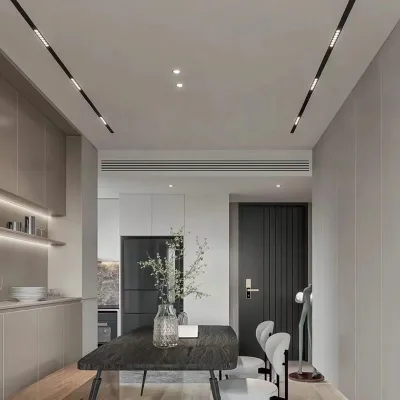
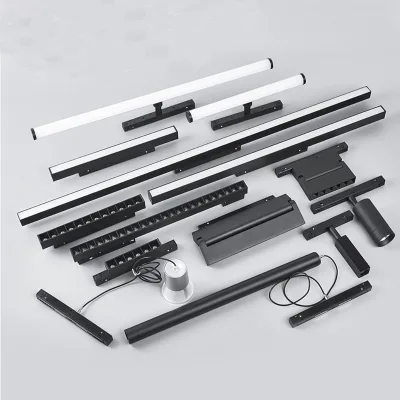


Modern10W 20W 30W Dimmable Anti Glare Magnetic Rail Spotlight LED Track Light
$10.00 - $20.00
MOQ: 20 Pieces


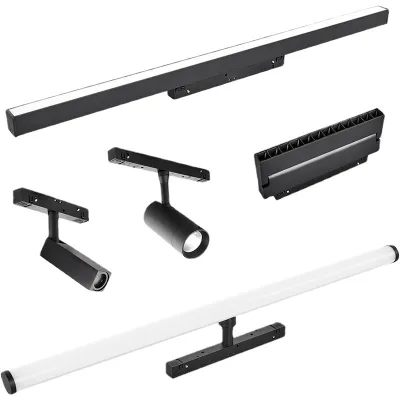
Comprehensive Sourcing Guide
Strategic Sourcing Guide for Anti-Glare LED Track Spot Lights
Understanding Technical Specifications and Optical Performance
When sourcing anti-glare LED track spot lights, the primary objective is to balance high luminous output with precise light control to eliminate visual discomfort. The technical architecture of these fixtures relies heavily on the integration of specific LED chips and optical engineering. Based on available market data, high-performance units often utilize COB (Chip on Board) technology, which allows for a more uniform light distribution compared to discrete LED arrays. The choice of LED chip brand is a critical differentiator; observed specifications highlight the use of premium brands such as Epistar and CREE, which are known for consistent color rendering and thermal stability.
The optical performance is further defined by the Color Rendering Index (CRI) and Color Temperature (CCT). For applications requiring accurate color perception, such as retail or art galleries, a CRI of 90 or higher is often observed in premium models, though standard commercial units may operate at a CRI of 85. The available color temperatures typically span from warm white (3000K) to cool white (6000K), with neutral white (4000K) being a common standard for general commercial lighting. The beam angle is another pivotal specification; while some fixtures offer wide angles, specific anti-glare models are engineered with precise beam angles, such as 180-degree distribution in certain linear configurations, to ensure light is directed exactly where needed without spill.
Power consumption and efficacy are equally important for operational efficiency. The market features a range of power ratings, with common configurations including 6-10W, 15W, 20W, and 30W options. The luminous efficacy for these units typically ranges between 90 and 120 lumens per watt, indicating a high level of energy conversion efficiency. The input voltage varies significantly depending on the system design, with options observed for both 24V DC and 48V DC low-voltage systems, as well as standard mains voltage. Buyers must verify the specific input voltage requirements to ensure compatibility with existing track systems and drivers.
Compliance and Certification Verification
Navigating the regulatory landscape is essential for international procurement. Anti-glare LED track lights must comply with a diverse array of safety and environmental standards depending on the target market. The observed certification landscape is extensive, including CE, EMC, FCC, and LVD for European and North American markets. For specific regional requirements, certifications such as SASO (Saudi Arabia), SAA (Australia), C-tick (Australia), PSE (Japan), and UL (USA) are frequently encountered. Environmental compliance is equally critical, with RoHS and REACH certifications ensuring the absence of hazardous substances.
In addition to safety and environmental standards, energy efficiency certifications play a significant role in procurement decisions. Products may carry Energy Star ratings or CCC (China Compulsory Certification) marks, which are mandatory for selling within China. The presence of multiple certifications, such as a combination of CE, FCC, and RoHS, suggests a manufacturer with a robust quality management system capable of meeting diverse international regulations. However, buyers should not assume that every listed product possesses every certification. It is imperative to request valid test reports and certificates for the specific model being purchased, as compliance can vary between product lines and manufacturing batches.
Cost Drivers and Pricing Structures
The pricing of anti-glare LED track spot lights is influenced by a complex interplay of factors, including component quality, certification breadth, and customization requirements. The observed price range in the market spans from approximately $1.77 to $40 per unit, reflecting the vast difference between basic entry-level models and high-end, fully certified fixtures. Several key variables drive these costs. First, the LED chip brand significantly impacts the price; units utilizing CREE or Epistar chips generally command a premium over those with generic or unbranded components. Second, the build material plays a crucial role; aluminum alloy bodies offer superior heat dissipation and durability compared to plastic composites, justifying a higher price point.
Customization is another major cost driver. While standard models are available with neutral packaging, suppliers offering OEM and ODM services can tailor the product design, shell color, and branding. This level of customization, which includes modifying the beam angle, color temperature, or driver specifications, inevitably increases the unit cost. The Minimum Order Quantity (MOQ) also affects the effective price; observed MOQs range from 1 unit for samples to 200 units for bulk orders. Buyers purchasing small quantities may face higher per-unit costs, whereas bulk orders often benefit from economies of scale. Additionally, the complexity of the optical design required to achieve true anti-glare performance can add to the manufacturing cost, particularly if specialized lenses or louvers are integrated into the aluminum body.
Typical Applications and Installation Requirements
Anti-glare LED track spot lights are versatile solutions designed for a wide array of commercial and industrial applications. The primary use cases include warehouses, retail stores, showrooms, and modern office spaces where visual comfort and aesthetic appeal are paramount. The specific design of these lights, often featuring a modern style and surface-mounted installation, makes them ideal for environments where ceiling space is limited or where a sleek, unobtrusive look is desired. The ability to support dimming functions allows facility managers to adjust light levels based on time of day or occupancy, enhancing energy savings and user comfort.
Installation considerations are critical for successful deployment. These fixtures are typically surface-mounted, requiring a compatible track system that matches the input voltage and connector type. The observed specifications indicate support for various track types, with some models designed for 24V or 48V DC systems, which require specific transformers or drivers. The working temperature range of -45°C to 55°C ensures reliability in diverse climates, from cold storage warehouses to hot industrial facilities. Furthermore, the IP rating, while sometimes listed as IP for specific voltage inputs, should be verified to ensure the fixture is suitable for the intended environment, particularly if there is a risk of dust or moisture exposure. The product weight, typically around 0.5 kg, facilitates easy handling and installation without requiring heavy-duty support structures.
Supplier Evaluation and Manufacturing Capabilities
Selecting a reliable supplier requires a thorough evaluation of their manufacturing capabilities and service offerings. A key indicator of a capable supplier is the ability to provide comprehensive lighting solutions, including circuitry design and system integration. Suppliers that offer "Lighting And Circuitry Design" services demonstrate a deeper understanding of the product ecosystem, ensuring that the track lights integrate seamlessly with the broader electrical infrastructure. The brand name "Fredlighting" is observed in the market, representing a specific entity that may offer these integrated services, though buyers should conduct independent due diligence on any supplier.
The lead time for samples and bulk orders is another critical factor in supplier evaluation. Typical lead times for samples range from 2 to 3 working days, allowing for rapid prototyping and testing. For bulk orders, lead times generally extend to 5 to 15 working days, depending on the order volume and customization requirements. Buyers should also assess the supplier's warranty policies, which typically range from 2 to 3 years. A longer warranty period often reflects the manufacturer's confidence in the product's lifespan, which is observed to be between 40,000 and 50,000 hours. Additionally, the availability of customization options, such as specific shell colors (e.g., white) and branding, indicates a flexible manufacturing process capable of meeting unique buyer requirements.
Quality Control and Long-Term Procurement Considerations
Ensuring long-term reliability and performance requires a robust quality control strategy. The working lifetime of LED track lights is a primary metric for quality, with observed lifespans ranging from 40,000 to 50,000 hours. This longevity is contingent upon effective thermal management, which is why the lamp body material, often aluminum or an aluminum-plastic composite, is a critical quality indicator. Aluminum bodies provide better heat dissipation, preventing thermal degradation of the LED chips and extending the overall lifespan of the fixture. Buyers should verify the thermal design of the product to ensure it can maintain performance under continuous operation.
Packaging and logistics also play a role in product integrity. The use of neutral packaging is common, but for high-value orders, customized packaging may be required to protect the fixtures during transit. The selling unit configuration, often single items, allows for flexible ordering but requires careful planning for bulk shipments to minimize damage risks. Finally, the support for dimming and the consistency of the color temperature (e.g., 4100K neutral white) are essential for maintaining a consistent lighting environment over time. Buyers should request sample units to test for flicker, color consistency, and anti-glare performance before committing to large-scale procurement. By focusing on these technical and operational details, buyers can secure high-quality anti-glare LED track spot lights that meet both immediate needs and long-term strategic goals.
FAQs
What certifications do anti-glare led track spot lights typically have?
These lights often carry CE, EMC, FCC, and RoHS certifications for safety and environmental compliance. Some models also include SASO, SAA, UL, and PSE marks depending on the target region, but buyers must verify specific test reports for each unit.
How long is the working lifetime of these LED track lights?
The working lifetime typically ranges from 40,000 to 50,000 hours depending on the specific model and usage conditions. This longevity relies on effective thermal management provided by aluminum alloy bodies to prevent LED degradation over time.
Can these lights be customized for specific brand or design needs?
Yes, customization is available including OEM and ODM services for branding, shell color, and technical specifications. Buyers can request changes to beam angles, color temperatures, and packaging, though this may affect the minimum order quantity and unit pricing.
What is the typical lead time for sample orders of these lights?
Sample orders usually require 2 to 3 working days for preparation and shipment. Bulk orders generally take 5 to 15 working days, depending on the volume and whether any custom modifications are requested by the buyer.
Which LED chip brands are used in high-performance anti-glare track lights?
High-performance units frequently utilize premium LED chips from brands like Epistar and CREE. These chips ensure consistent color rendering and thermal stability, often paired with COB technology for uniform light distribution in anti-glare applications.
What is the price range for sourcing anti-glare led track spot lights?
The observed price range spans from approximately 1.77 to 40 USD per unit based on specifications and certification levels. Basic models cost less, while premium fixtures with CREE chips, full global certifications, and aluminum bodies command higher prices.
How does the beam angle affect the anti-glare performance of these lights?
Specific anti-glare models are engineered with precise beam angles, such as 180-degree distribution, to direct light exactly where needed. This design minimizes spill and visual discomfort, ensuring optimal illumination for warehouses and retail environments without glare.