Source Baby Pajamas for newborns, toddlers, and infants
Explore 30 listings of Baby Pajamas featuring materials like cotton and bamboo fiber. Buyers can compare seasonal options, customization services, and MOQs from verified Chinese manufacturers to find suitable sleepwear for various age groups; compare the available evidence and request quotations based on your requirements.
Key considerations
Products List


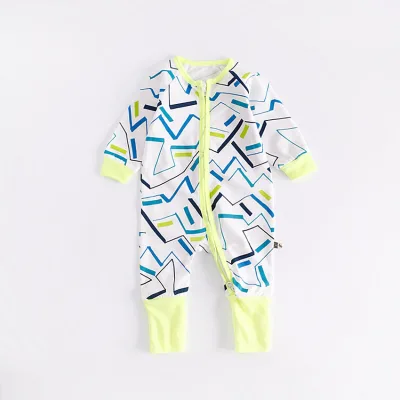
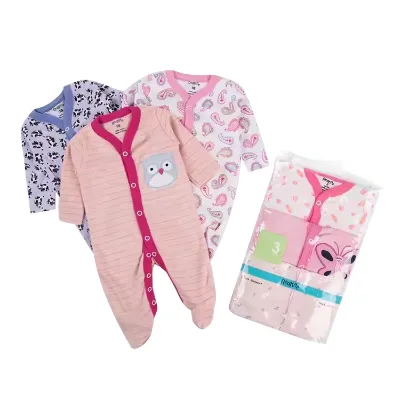
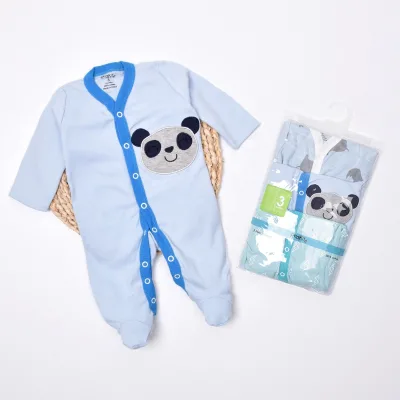
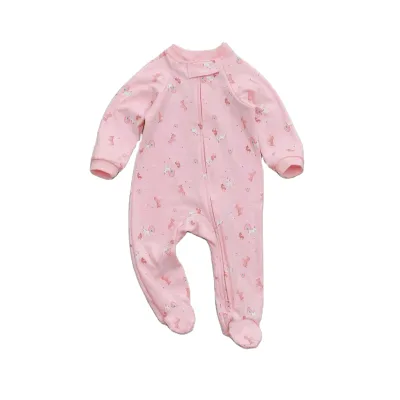
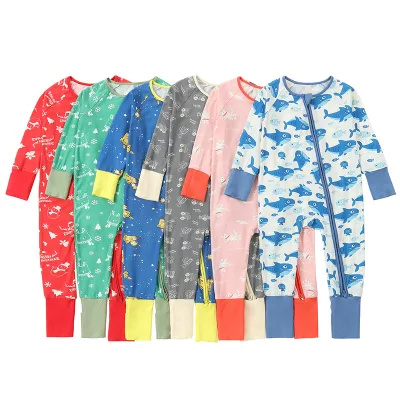


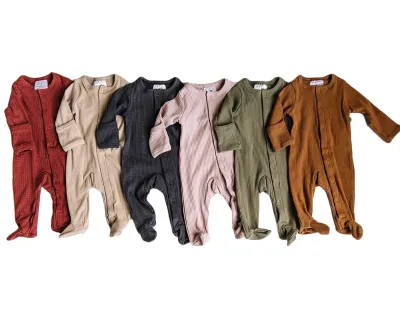
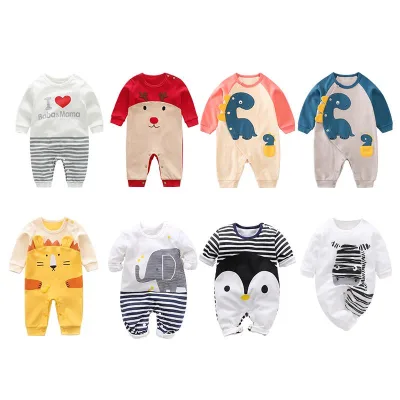
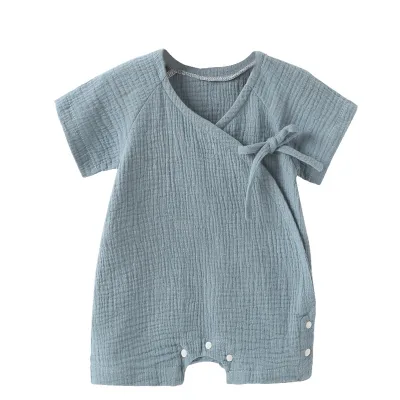
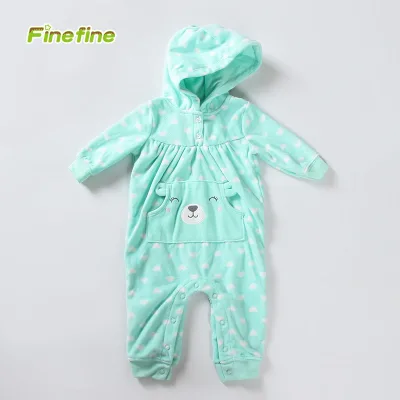


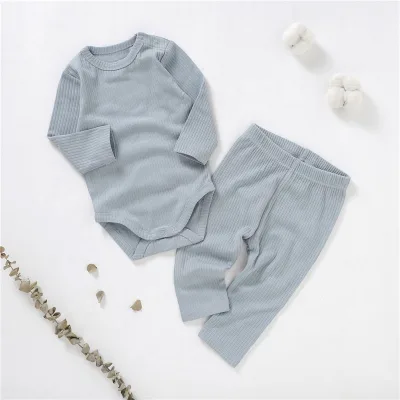
Shoulder Snap Blue Baby Short Pajamas and Pants Set Newborn Baby Pajama Set
$5.88 - $6.08
MOQ: 150 sets
Comprehensive Sourcing Guide
Baby Pajamas Sourcing Guide
Sourcing Baby Pajamas requires a careful balance of material safety, age-appropriate design, and reliable manufacturing capabilities. The market offers a diverse range of options, from 100% wool blends suitable for spring and autumn to breathable bamboo fiber sets designed for summer wear. Buyers must navigate varying customization levels, including OEM services and specific model numbers like Children's Pajama-025Y or Romper Pajama-028P, to ensure the final product aligns with their brand identity and target demographic.
Procurement decisions are heavily influenced by minimum order quantities and packaging specifications, which can range from single polybag units to bulk OPP bag configurations. With observed MOQs varying significantly across suppliers, from small batches of 300 pieces to larger commitments of 10,000 units, buyers need to align their inventory strategy with supplier capabilities. Understanding these commercial terms is essential for managing cash flow and ensuring that the selected supplier can meet both quality expectations and volume requirements without compromising on safety standards.
Product Scope and Observed Listing Signals
The current market landscape for Baby Pajamas includes distinct product categories tailored to specific age groups and seasonal needs. Listings indicate a strong presence of newborn romper jumpsuits, such as the KDFN model, which feature full sleeves and button closures for easy dressing. These items are often marketed for babies aged 10-24 months and are available in standard sizes like 3M, 6M, and 9M. Additionally, there are specialized items like the Children's Pajama-053P, which utilizes jacquard weave for a classical style, offering buyers a variety of textural and aesthetic options to differentiate their product lines.
Material composition is a critical differentiator, with suppliers offering 100% cotton, 100% wool, and 100% bamboo fiber options. Cotton remains a dominant choice for its breathability and softness, particularly in romper styles, while wool and bamboo fiber cater to specific seasonal demands, such as autumn warmth or summer cooling. Buyers should note that some products are labeled as unisex or neutral, appealing to a broader audience, while others are specifically targeted toward boys. This variety allows for strategic assortment planning, ensuring that inventory meets the diverse preferences of parents and caregivers.
Technical Specifications to Verify
When evaluating technical specifications, buyers must prioritize fit, comfort, and functional design elements that impact usability. For instance, romper pajamas often feature full sleeve lengths and button closures, which are essential for quick diaper changes and secure fitting on active infants. It is crucial to verify the exact size charts provided by suppliers, as models like the KDFN newborn romper offer specific measurements for 3M to 12M age groups. Confirming these dimensions helps prevent sizing discrepancies that could lead to customer dissatisfaction or returns, ensuring that the garments fit the intended age bracket accurately.
Packaging and presentation details also play a significant role in the final product's marketability and logistics efficiency. Suppliers may offer different packing methods, such as individual polybags or OPP bags, which affect both the protection of the garment and the ease of storage. Additionally, single package dimensions and gross weights, such as a 10x10x1 cm package weighing 0.300 kg, are vital for calculating shipping costs and warehouse space requirements. Buyers should request detailed packing lists and sample packages to verify that the materials used for packaging are durable and suitable for international transit without damaging the delicate fabrics inside.
Compliance and Safety Documentation
Safety compliance is non-negotiable when sourcing Baby Pajamas, as these garments are in direct contact with sensitive skin. Buyers must ensure that suppliers adhere to strict flammability standards and chemical safety regulations specific to the target market. While some listings mention certifications like GOTS or OEKO-TEX, these should be treated as background indicators rather than guaranteed facts. It is imperative to request valid, up-to-date test reports from accredited laboratories to verify that the fabrics are free from harmful substances and meet all local regulatory requirements for infant clothing.
Beyond chemical safety, physical safety features such as the absence of small detachable parts and secure stitching are critical. Products with button closures, like the newborn romper, must have buttons that are firmly attached to prevent choking hazards. Buyers should also verify that the design complies with drawstring and hood regulations, which often restrict certain features in children's sleepwear to prevent strangulation risks. Establishing a clear compliance checklist and requiring suppliers to sign off on these safety standards before production begins is a vital step in mitigating liability and ensuring product safety.
Cost Drivers and Commercial Terms
Cost structures in the Baby Pajamas market are influenced by material selection, customization levels, and order volume. High-quality materials like 100% bamboo fiber or wool typically command higher prices than standard cotton blends, reflecting their superior comfort and performance characteristics. Additionally, OEM services and custom designs, such as specific logo prints or unique jacquard weaves, add to the production complexity and cost. Buyers should analyze the price-to-quality ratio carefully, considering that lower prices may sometimes indicate compromises in material integrity or manufacturing standards.
Minimum order quantities (MOQs) and lead times are significant commercial factors that impact procurement planning. Suppliers may require MOQs ranging from 300 pieces to 10,000 units, which can strain the cash flow of smaller buyers. Furthermore, lead times for samples and bulk production vary, with some suppliers offering seven-day sample orders while others may have longer production cycles. Understanding these terms allows buyers to negotiate better payment terms and align their inventory replenishment schedules with supplier capabilities, ensuring a smooth supply chain operation without unexpected delays or excessive inventory holding costs.
Supplier Qualification and Quality Control
Supplier qualification involves a thorough assessment of manufacturing capabilities, quality control processes, and ethical labor practices. Buyers should verify that suppliers have experience in producing infant clothing, as this requires specialized knowledge of safety standards and fabric handling. Requesting factory audits or third-party inspection reports can provide insights into the supplier's production environment and adherence to quality management systems. Additionally, checking for references or past performance with similar clients can help gauge the supplier's reliability and consistency in delivering high-quality products.
Quality control measures should be integrated into the procurement process from the initial sampling stage to final shipment. Buyers should establish clear quality benchmarks for fabric weight, stitch density, and colorfastness, and require pre-production samples for approval. Implementing a robust inspection protocol, such as AQL sampling during production and before shipment, helps identify and rectify defects early. Collaborating with suppliers to address any quality issues promptly ensures that the final products meet the expected standards, reducing the risk of receiving subpar goods and maintaining brand reputation.
Long-Term Procurement Checks
Long-term procurement success depends on building strong, collaborative relationships with suppliers who can adapt to changing market demands. Regular communication and feedback loops are essential for addressing any emerging issues, such as material shortages or design updates. Buyers should also monitor supplier performance metrics, including on-time delivery rates, defect rates, and responsiveness to inquiries, to ensure consistent service quality. Developing a diversified supplier base can mitigate risks associated with single-source dependencies, providing flexibility in case of disruptions or capacity constraints.
Continuous improvement and innovation are key to staying competitive in the Baby Pajamas market. Buyers should encourage suppliers to explore new materials, sustainable practices, and design trends that align with evolving consumer preferences. Staying informed about regulatory changes and industry best practices allows buyers to proactively adjust their sourcing strategies and maintain compliance. By fostering a culture of mutual growth and transparency, buyers can secure a reliable supply chain that supports long-term business objectives and delivers value to end consumers.
FAQs
What materials are used for these Baby Pajamas?
The collection features garments made from 100% wool, 100% bamboo fiber, and 100% cotton. These natural fabrics ensure comfort and breathability for infants. Buyers can select specific materials based on seasonal needs, such as bamboo for summer or wool for autumn, ensuring appropriate warmth and softness for delicate skin.
Can I customize the design and branding?
Yes, customization is available with OEM services offered for these products. Buyers can request specific patterns, logos, and colors to match their brand identity. The supplier supports tailored designs, allowing for unique product differentiation. This flexibility ensures that the final garments align precisely with your specific market requirements and aesthetic preferences.
What are the minimum order quantities for production?
Minimum order quantities vary by product type, ranging from 300 pieces to 10,000 units. Specific items like newborn rompers have an MOQ of 300 pieces, while other styles may require higher volumes. Buyers should verify the exact MOQ for their selected model to ensure compliance with production requirements and efficient supply chain planning.
How long does sample production take?
Sample orders are supported with a lead time of seven days. This quick turnaround allows buyers to evaluate quality and fit before committing to bulk production. The efficient sample process facilitates faster decision-making and reduces overall sourcing time, ensuring that product development stays on schedule for upcoming seasonal launches and market demands.
Where are these Baby Pajamas manufactured?
These products originate from China, with specific manufacturing located in Henan province. The supply chain is established within this region, ensuring consistent production capabilities. Buyers can rely on this geographic origin for logistics planning and sourcing strategies, as the location supports the manufacturing of various styles including rompers and traditional pajama sets for infants.
What sizes are available for newborn rompers?
Newborn romper pajamas are available in sizes 3M, 6M, 9M, and 12M. These standard infant sizes cater to babies from three to twelve months old. The sizing ensures a proper fit for growing infants, allowing buyers to stock a comprehensive range that meets the developmental needs of young children throughout their first year.