Source Breathable Quick Dry Baby T-shirt for Summer, Spring, and Autumn
Source a Breathable Quick Dry Baby T-shirt from 30 verified listings. Compare options in 100% cotton, bamboo blends, and polyester. Find suitable sizes from infant to free size for summer, spring, and autumn wear with OEM and customization support.
Key considerations
Products List


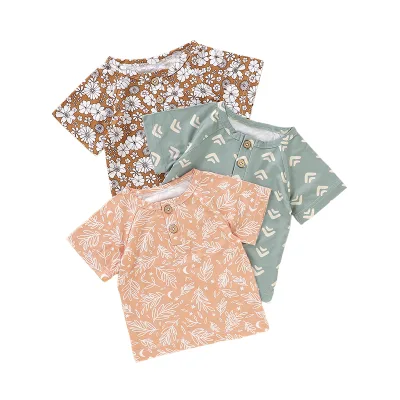
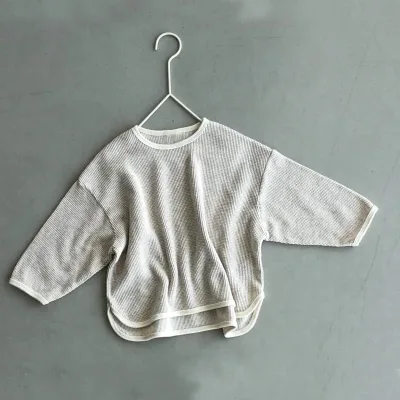


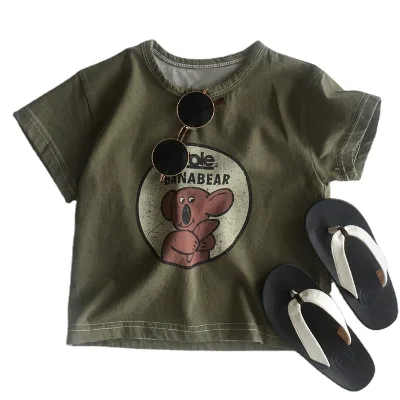

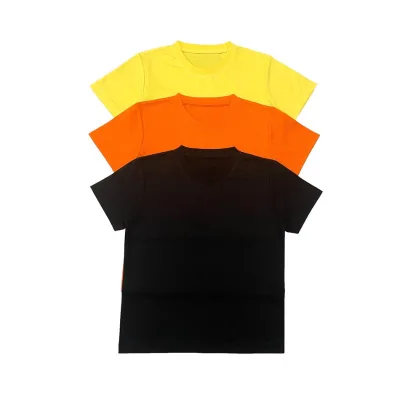
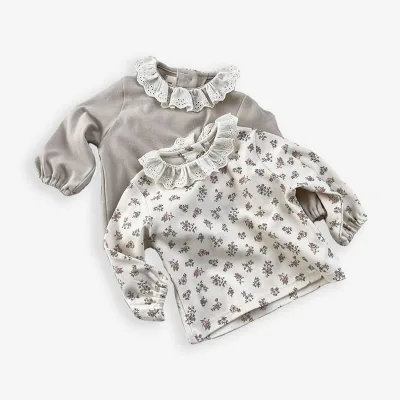
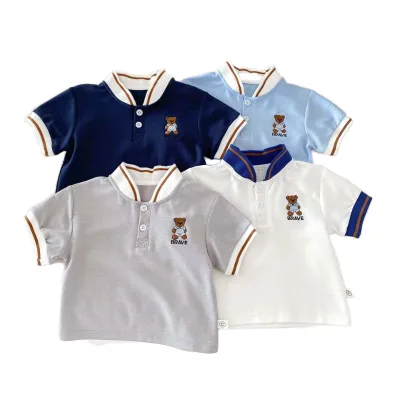

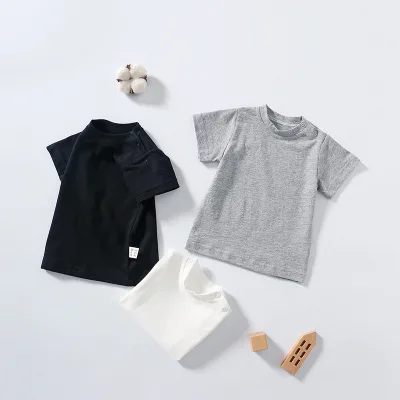

Custom Quick Drying Small Square Adult Kids Soft Round Neck Short T-Shirt
$2.99 - $7.50
MOQ: 50 Pieces


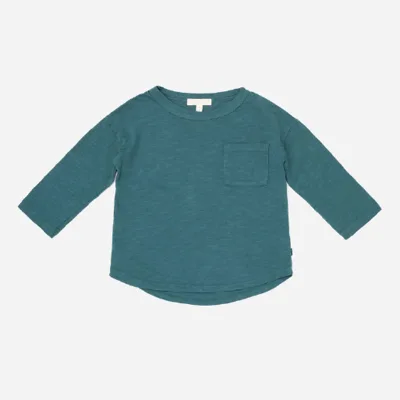
Bamboo Round Neck Toddler T Shirt Custom Eco-Friendly Kids T-Shirt with Pocket
$3.99 - $5.20
MOQ: 100 Pieces


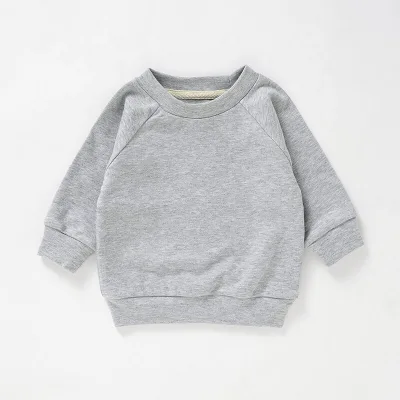
Sustainable Custom Made Graphic T-Shirt Baby Clothes Kids Wear Children Clothes
$2.99 - $4.80
MOQ: 300 Pieces

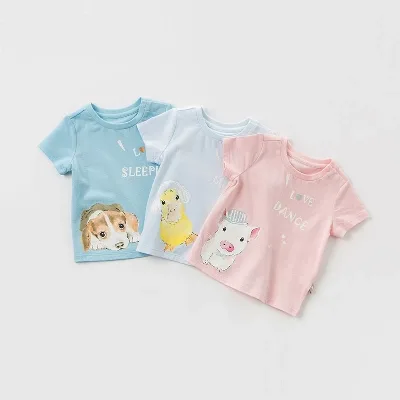
Soft Breathable Bamboo Children T-Shirt Round Neck Kids T-Shirt for Summer
$3.99 - $5.20
MOQ: 100 Pieces

Comprehensive Sourcing Guide
Breathable Quick Dry Baby T-shirt Sourcing Guide
Sourcing breathable quick dry baby t shirts requires balancing material science with infant safety standards. Buyers must prioritize fabrics that manage moisture effectively while maintaining softness against delicate skin. The observed market data indicates a wide range of product models, from specific infant sizes to free-size options, suggesting diverse target demographics within the baby wear category. Procurement teams should focus on verifying the actual fiber composition, as terms like "quick dry" often imply synthetic blends, whereas many listed items specify 100% cotton or bamboo viscose. Understanding this distinction is critical for aligning product performance with customer expectations for comfort and durability in high-heat environments.
Commercial listings reveal significant variability in minimum order quantities and packaging methods, which directly impacts logistics planning. Some suppliers offer low MOQs starting at one piece, facilitating sample testing, while others require bulk commitments of up to 10,000 units. This disparity necessitates a clear internal strategy regarding inventory turnover and cash flow management. Additionally, the presence of OEM and ODM services allows for brand customization through print or embroidery, but buyers must verify the compatibility of these customization methods with the chosen fabric’s breathability and quick-drying properties to avoid compromising the garment’s primary functional benefits.
Product Scope and Observed Listing Signals
The current market landscape for baby t-shirts includes a variety of styles, such as round neck, crew neck, and v-neck designs, catering to different aesthetic preferences and functional needs. Observed listings highlight specific models like the CTNC20220607-2 and various boys' and girls' tops, indicating a broad inventory scope. Seasonal relevance is prominent, with many items marketed for summer, spring, and autumn use, emphasizing the importance of climate-appropriate fabric choices. Buyers should note that while "quick dry" is a desired feature, many listed products are made from 100% cotton or bamboo blends, which offer natural breathability but may dry slower than synthetic alternatives.
Packaging and origin data provide further insight into supply chain dynamics. Products originate primarily from Shanghai and Henan, China, with packing methods ranging from polybags to paper cartons. The single package size of 30x28x2 cm and a gross weight of 0.300 kg suggest standardized, compact packaging that optimizes shipping efficiency. These physical attributes are crucial for calculating landed costs and warehouse storage requirements. Procurement teams should evaluate whether the specified packaging protects the garment’s integrity during transit, especially for delicate fabrics like bamboo viscose, which may require gentle handling to maintain their soft texture and structural integrity.
Technical Specifications to Verify
Fabric composition is the most critical technical specification for ensuring breathability and comfort in baby garments. Buyers must verify whether the material is 100% cotton, 94% bamboo viscose with 6% spandex, or other blends, as each offers distinct performance characteristics. Cotton provides natural softness and absorbency, while bamboo viscose offers eco-friendly benefits and inherent antibacterial properties. The inclusion of spandex adds elasticity, which is essential for a comfortable fit that allows for movement. Procurement teams should request detailed fabric weight and weave information to assess durability and moisture-wicking capabilities, ensuring the selected material meets the specific functional requirements of the target market.
Sizing and fit specifications vary significantly across listings, from precise infant age ranges like 0-3 months to free-size options. Accurate sizing data is vital for reducing return rates and ensuring customer satisfaction. Buyers should verify the grading rules used for size charts, particularly for the 0-9 months age group, to ensure consistency across production batches. Additionally, the availability of customization options, such as logo printing or embroidery, must be evaluated for its impact on fabric breathability. Heavy embroidery or certain print inks can reduce airflow and cause irritation, so technical verification of these decorative elements is necessary to maintain the garment’s comfort standards.
Compliance and Safety Documentation
Infant clothing is subject to stringent safety regulations that govern flammability, chemical content, and physical hazards. Buyers must ensure that all suppliers provide relevant compliance documentation, such as test reports for formaldehyde levels, pH balance, and colorfastness. These tests are essential to guarantee that the fabrics and dyes used do not pose health risks to babies with sensitive skin. Although specific certification names are not listed in the observed data, buyers should actively request proof of adherence to international standards like CPSIA in the US or EN 14682 in Europe, which mandate strict limits on small parts and drawstrings in children’s apparel.
Environmental and ethical manufacturing practices are increasingly important for brand reputation and market access. Suppliers claiming eco-friendly advantages, such as those using bamboo viscose, should provide evidence of sustainable sourcing and processing methods. Buyers should verify if the manufacturing facilities adhere to recognized social compliance standards, ensuring fair labor practices and safe working conditions. Additionally, the use of non-toxic dyes and finishes should be confirmed through third-party lab testing. This due diligence not only mitigates regulatory risks but also aligns with the growing consumer demand for transparent and responsible supply chains in the baby wear sector.
Cost Drivers and Commercial Terms
Pricing in the baby t-shirt market is influenced by material costs, customization complexity, and order volume. The observed price range of $0.5 to $20 USD reflects significant variation based on fabric quality and design intricacy. High-quality materials like bamboo viscose or organic cotton typically command higher prices due to their superior comfort and production costs. Customization options, such as OEM branding or specific embroidery, add to the unit cost. Buyers should analyze the cost structure to understand the value proposition of each supplier, ensuring that price differences correlate with tangible quality improvements or service benefits rather than arbitrary markups.
Minimum order quantities and lead times are key commercial terms that affect procurement flexibility and cash flow. While some suppliers offer low MOQs for sampling, bulk orders may require commitments of 1,000 to 10,000 units. Lead times, such as the seven-day sample order support, indicate supplier responsiveness but do not guarantee production speed for large volumes. Buyers should negotiate clear terms for production schedules, payment milestones, and shipping methods, including options like DHL, UPS, or sea freight. Understanding these commercial dynamics helps in planning inventory levels and managing supplier relationships effectively, ensuring timely delivery and cost efficiency.
Supplier Qualification and Quality Control
Evaluating supplier capabilities is essential for ensuring consistent product quality and reliable service. Buyers should assess the supplier’s production capacity, technical expertise, and quality control processes. Suppliers offering OEM and ODM services should demonstrate a robust design and development team capable of translating brand requirements into manufacturable products. Verification of factory audits, including checks for equipment maintenance and worker training, provides insight into the supplier’s operational discipline. Additionally, reviewing past performance metrics, such as defect rates and on-time delivery records, helps in identifying reliable partners who can meet stringent quality standards.
Quality control measures must be integrated throughout the production process to minimize defects and ensure product safety. Buyers should implement pre-production, during-production, and pre-shipment inspections to verify compliance with specifications. Key inspection points include fabric quality, stitching integrity, size accuracy, and the absence of physical hazards like loose threads or sharp edges. For customized items, verifying the placement and durability of logos or prints is crucial. Establishing clear acceptance criteria and communication channels with suppliers ensures that any issues are addressed promptly, maintaining brand integrity and customer satisfaction in the competitive baby wear market.
Long-Term Procurement Checks
Sustaining a successful procurement strategy requires continuous monitoring of supplier performance and market trends. Buyers should regularly review supplier scorecards based on quality, delivery, and responsiveness to identify areas for improvement. Building strong relationships with key suppliers can lead to better pricing, priority production slots, and collaborative innovation. Additionally, staying informed about changes in regulatory requirements and consumer preferences ensures that product offerings remain relevant and compliant. Regular audits and feedback loops help maintain high standards and foster a culture of continuous improvement within the supply chain.
Risk management is critical for mitigating disruptions in the supply chain. Buyers should diversify their supplier base to reduce dependency on single sources and enhance resilience against geopolitical or logistical challenges. Developing contingency plans for potential delays, such as alternative shipping routes or backup suppliers, ensures business continuity. Furthermore, tracking sustainability trends and ethical sourcing practices allows brands to align with evolving consumer values. By proactively addressing these long-term considerations, procurement teams can build a robust, flexible, and responsible supply chain that supports sustainable growth and brand loyalty in the baby apparel industry.
FAQs
What materials are used for breathable baby t-shirts?
Breathable baby t-shirts are typically made from 100% cotton or bamboo viscose blends. These natural fibers ensure softness and comfort for infants. Some options include 94% bamboo and 6% spandex for added stretch. The fabric choice directly impacts the garment's breathability and suitability for summer wear.
Can I customize the logo on these t-shirts?
Yes, customization is available for most orders. Buyers can choose between print or embroidery for their logo. OEM and ODM services are supported to meet specific branding needs. This allows businesses to create unique products while maintaining the high quality and comfort expected in infant apparel.
What is the minimum order quantity for these shirts?
The minimum order quantity varies by supplier and product type. Some listings indicate an MOQ of 10,000 pieces, while others may accept lower quantities. Buyers should verify the specific MOQ with the manufacturer. Customization options often require meeting a certain volume threshold to be economically viable for production.
Which sizes are available for infant t-shirts?
Sizes typically range from 0-3M up to 18-24M for infants. Some styles offer sizes up to 0-9 months or free size options. The product specifications list multiple size brackets to accommodate different growth stages. Buyers should check the specific size chart for each model to ensure proper fit for their target age group.
How long does sample order lead time take?
Sample orders generally support a lead time of 7 days. This allows buyers to evaluate quality and fit before placing bulk orders. The production origin is often in China, with specific locations like Shanghai or Henan. Fast sampling helps streamline the sourcing process for businesses looking to launch new infant apparel lines quickly.
What packaging options are provided for these t-shirts?
Packaging options include polybags, OPP bags, or paper cartons. Each item may be packed individually in a polybag for protection. Bulk shipments are often organized in paper cartons for efficient logistics. The single package size and gross weight vary by product, ensuring safe transport and easy inventory management for retailers.