Source Cotton Cartoon Printed Baby T-Shirt for Daily Wear
Find 30 options for the Cotton Cartoon Printed Baby T-Shirt, featuring round neck designs in breathable cotton and spandex blends. Compare sizes from 73cm to 130cm, long and short sleeve styles, and customization services for OEM orders; compare the available evidence and request quotations based on your requirements.
Key considerations
Products List


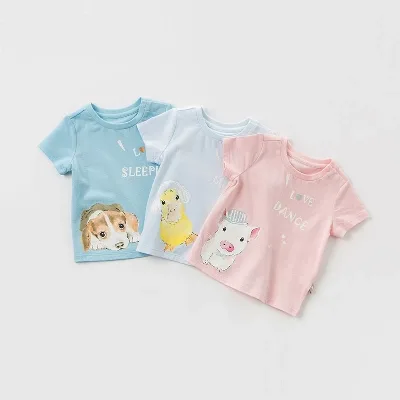


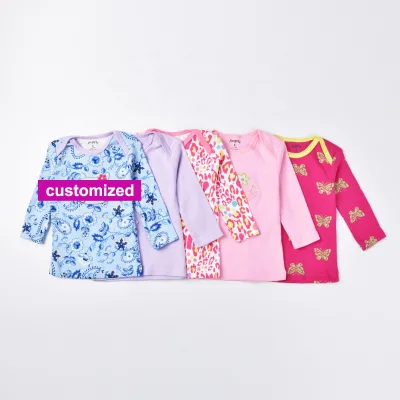
Childeren Printing Logo T-Shirt/100% Cotton T-Shirt/Cartoon Child T-Shirt
$2.90 - $7.90
MOQ: 100 Pieces


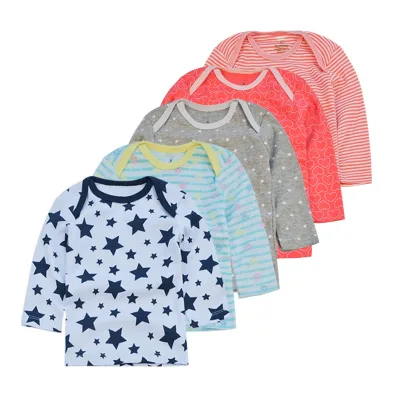

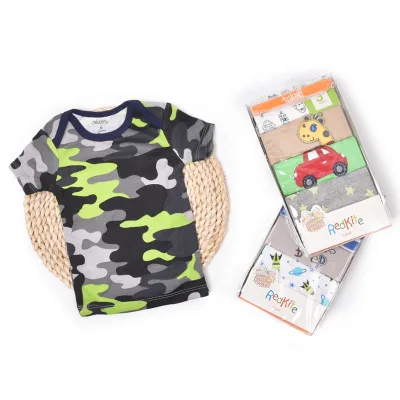
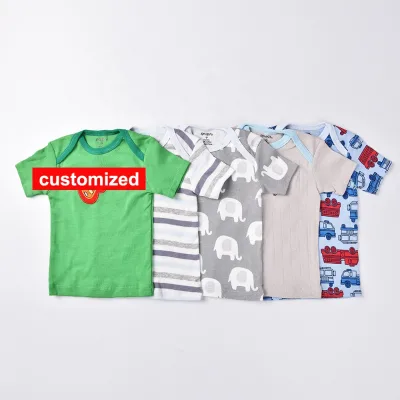


Comprehensive Sourcing Guide
Cotton Cartoon Printed Baby T-Shirt Sourcing Guide
Sourcing cotton cartoon printed baby t-shirts requires balancing playful aesthetics with strict safety standards for infant wear. The observed market features a diverse range of models, including specific styles like BTPRINT2 and blt4, which often utilize warp knitting or knitted techniques to ensure softness. Buyers must verify that the "cartoon" pattern type aligns with the intended age group, as designs for 0-24 months differ significantly from those for children aged two years and above.
Procurement decisions should focus on the material composition, which frequently lists 100% cotton or blends with spandex to enhance stretch and comfort. The supply chain typically supports OEM services with customizable designs, allowing buyers to specify color palettes like pink or sky blue, or opt for colorful, classic, and striped variations. Understanding these product attributes is essential before engaging with suppliers who offer varying packaging options from simple OPP bags to gift boxes with hangers.
Product Scope and Observed Listing Signals
The product scope encompasses short-sleeve and long-sleeve t-shirts designed for unisex use, catering to seasons ranging from summer to spring and autumn. Listings indicate a wide size spectrum, including specific measurements like 73cm, 80cm, and up to 130cm, ensuring coverage for infants and young children. Buyers should note that while some items are described as formal, the dominant style is casual with round neck collars and buttonless designs, prioritizing ease of dressing for caregivers.
Listing signals reveal significant variability in customization capabilities, with many suppliers accepting ODM and OEM requests for tailored patterns and branding. The observed price range of 0.7 to 19.9 USD suggests a broad market tier, influenced by factors such as the complexity of the printed technique and the specific material blend used. Procurement teams must carefully cross-reference the listed model numbers, such as BT5 or ASB904, with the actual physical samples to confirm that the "cartoon" design matches the digital preview.
Technical Specifications to Verify
Technical verification must begin with the knitting method, as the supply data indicates both warp knitting and general knitted techniques are in use. Buyers should confirm that the fabric construction supports the claimed breathability and sweat-absorbent features, which are critical for baby comfort during active play or warm weather. It is essential to validate that the single package size and gross weight of approximately 0.300 kg align with the logistical requirements for shipping and retail display.
The printing technique, often listed as "printed," requires scrutiny to ensure durability and safety against skin irritation. Specifications like the 100% cotton standard or the 73CM 80CM ETC sizing standard must be matched against the actual garment dimensions to prevent sizing errors. Additionally, the sleeve style, whether short or long, must be consistent with the seasonal classification provided, ensuring the product is suitable for the intended climate conditions of the target market.
Compliance and Safety Documentation
Compliance documentation is paramount when sourcing apparel for infants, particularly regarding the material safety of cotton and organic cotton blends. While background knowledge mentions GOTS and OEKO-TEX, buyers must request specific test reports from the supplier to verify that the finished t-shirts meet local safety regulations for chemical residues and fiber content. The "100% cotton" standard listed in some attributes should be backed by laboratory analysis to confirm the absence of harmful substances.
Safety verification also extends to the physical construction of the garment, ensuring there are no small detachable parts that could pose a choking hazard for the 0-24 month age group. Buyers should confirm that the "without buttons" attribute is strictly adhered to for the youngest demographics, as even decorative elements can become safety risks. Documentation must explicitly state that the product passes flammability and colorfastness tests, which are non-negotiable for baby clothing entering regulated markets.
Cost Drivers and Commercial Terms
Cost drivers in this category are heavily influenced by the customization level, with OEM services and custom designs commanding higher unit prices than standard stock items. The minimum order quantity (MOQ) varies significantly, ranging from as low as 1 set to 1500 sets, with specific listings citing 300 sets as a baseline for certain models. Buyers must negotiate these thresholds carefully, as higher volumes often unlock better pricing tiers but require larger upfront capital commitments.
Commercial terms regarding lead times and shipping ports are critical for supply chain planning, with sample orders often supported within 7 days. The primary dispatch ports include Qingdao, Shanghai, and Zhengzhou, which can impact freight costs and delivery schedules depending on the buyer's location. Packaging details, such as the choice between OPP bags, PVC bags, or custom gift boxes, also contribute to the final landed cost and should be factored into the total budget calculation.
Supplier Qualification and Quality Control
Supplier qualification should prioritize manufacturers with a proven supply ability of at least 200,000 pieces per month to ensure they can handle large-scale orders without delays. Buyers must verify the supplier's capacity to maintain consistency across different production runs, especially when dealing with complex cartoon prints and specific color requirements like pink or sky blue. A robust quality control process is essential to prevent defects in the stitching, printing, or fabric quality that could lead to returns.
Quality control checks should include random sampling of finished goods to verify that the "classic" or "customized" design matches the approved artwork. Inspectors must confirm that the packaging details, such as the inclusion of hangers or color cards, meet the agreed-upon specifications before shipment. Establishing a clear communication channel for addressing quality issues is vital, as the high volume of production necessitates immediate resolution of any non-conformities to avoid disrupting the supply chain.
Long-Term Procurement Checks
Long-term procurement success depends on establishing a reliable relationship with suppliers who can consistently deliver high-quality cotton t-shirts over multiple seasons. Buyers should conduct periodic audits to ensure that the supplier maintains their production standards and continues to adhere to the specified material and safety requirements. Regular review of the supplier's performance metrics, including on-time delivery and defect rates, helps identify potential risks before they impact the business.
Continuous market monitoring is necessary to adapt to changing trends in baby apparel, such as shifts in popular cartoon designs or seasonal color preferences. Buyers should maintain a flexible sourcing strategy that allows for adjustments in order quantities and product specifications based on real-time sales data. By fostering a collaborative partnership with suppliers, buyers can ensure a steady supply of safe, comfortable, and stylish cotton cartoon printed baby t-shirts that meet evolving consumer demands.
FAQs
What materials are used for these baby t-shirts?
The t-shirts are primarily made from 100% cotton or a blend of spandex and cotton. Some listings specify organic cotton options for enhanced softness. These materials ensure the garments are breathable and sweat-absorbent, making them comfortable for infants and toddlers during summer or spring seasons.
Can I customize the design and pattern of the t-shirts?
Yes, customization is available for these products. Buyers can request specific patterns such as cartoon prints or classic stripes. The supplier accepts OEM and ODM services, allowing for tailored designs. This flexibility supports brands looking for unique, printed baby apparel that meets specific aesthetic requirements.
What is the minimum order quantity for these items?
The minimum order quantity varies by supplier, typically ranging from 1 to 1500 pieces. Some specific listings indicate an MOQ of 300 sets. Buyers should verify the exact MOQ with the chosen manufacturer, as it depends on the customization level and production capacity of the specific factory.
How long does it take to produce a sample order?
Sample orders generally have a lead time of 7 days. This quick turnaround allows buyers to evaluate quality and fit before committing to larger production runs. The supplier supports sample requests to ensure the final product meets the required standards for material, print, and sizing before bulk manufacturing begins.
What sizes are available for these baby t-shirts?
Available sizes include 73, 80, 90, 105, 110, 120, and 130. These dimensions cater to children from infants to older toddlers. The sizing chart helps buyers select appropriate fits for different age groups, ensuring the garments are suitable for the intended target demographic of young children.
How are the t-shirts packaged for shipping?
Packaging options include OPP bags, PVC bags, boxes, and gift boxes. Some packages may include hangers or color cards for retail readiness. The supplier offers customized packaging details to meet specific branding needs. This variety ensures products are protected during transit and presented attractively for end consumers.