Source Anti-Slip Waterproof Gold Mining Mat for Factories, Hotels, and Homes
Find a selection of 30 Anti-Slip Waterproof Gold Mining Mat options tailored for industrial, commercial, and residential applications. Buyers can compare specifications including material types, thickness, and backing features to identify suitable solutions for their specific needs.
Key considerations
Products List


High-Performance Gold Recovery Mat for Efficient Alluvial Gold Separation
$3100.00 - $3500.00
MOQ: 1 Pieces
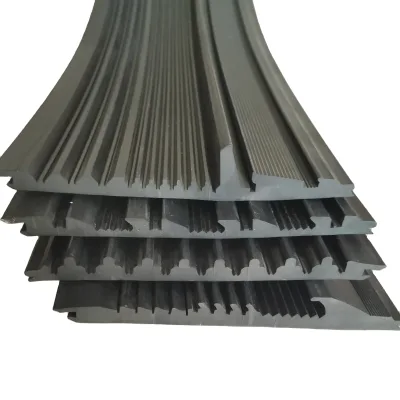


High Recovery Rate Gold Mining Sluice Mat Gold Rug Mining Fine Gold Sluice Carpet
$260.00 - $300.00
MOQ: 1 Rolls

Durable PU Gold Sluice Mat Wear-Resistant Mining Equipment Accessories
$350.00 - $420.00
MOQ: 1 Pieces


High-Quality Gold Recovery Mat for Efficient Gold Mining Applications
$150.00 - $200.00
MOQ: 10 Pieces


Customizable Size Polyurethane Gold Mining Mat for Professional Miners
$350.00 - $420.00
MOQ: 1 Pieces
Comprehensive Sourcing Guide
Strategic Sourcing Guide for Anti-Slip Waterproof Gold Mining Mats
Understanding the Product Landscape and Material Composition
The search for an anti-slip waterproof gold mining mat requires a precise understanding of the diverse material ecosystems available in the global B2B market. The core keyword implies a specialized industrial application, yet the supply chain often presents a spectrum of products ranging from heavy-duty natural rubber slabs to synthetic fiber-based carpets. Buyers must distinguish between products designed for high-load industrial environments and those intended for general commercial or decorative use.
In the context of gold mining and heavy industrial flooring, the primary material of interest is natural rubber. This material is frequently cited as a raw material for industrial rubber slabs and floor coverings. The specific product attributes observed in the market include "Pure Gum Rubber Sheet and Fabric," which suggests a composition focused on durability and chemical resistance. For applications requiring extreme wear resistance, the presence of synthetic rubber and pad materials is also common. These materials are engineered to withstand the harsh conditions typical of mining operations, including exposure to moisture, heavy machinery, and potential chemical spills.
Conversely, the market also lists products made from chemical fiber and plastic, often categorized under "Carpet" or "Mat" forms. These items, while featuring anti-slip properties and waterproofing backings, are typically designed for hotel, home, or commercial decoration rather than heavy industrial mining. The distinction is critical: a mat with a "Needle Punched" technic and "Oriental" design is likely unsuitable for the abrasive and high-stress environment of a gold mine, even if it possesses anti-bacterial or anti-slip features. Procurement teams must rigorously filter suppliers based on the material composition to ensure the selected product aligns with the physical demands of the mining sector.
Technical Specifications and Performance Metrics
When evaluating anti-slip waterproof gold mining mats, technical specifications serve as the primary filter for product suitability. The performance of these mats is defined by a combination of physical dimensions, thickness, and surface characteristics. In the observed product data, specific dimensions such as 2m10m, 1m10m, and 2m*20m are standard for industrial rubber sheets. These large-format dimensions are essential for minimizing seams in large industrial floor coverings, which is a key requirement for maintaining a continuous anti-slip surface in mining facilities.
Thickness is another critical parameter. The market data indicates thicknesses ranging from 12mm to 15mm for various mat types. For heavy industrial applications like gold mining, a thickness of 15mm or greater is often preferred to provide adequate cushioning against impact and to ensure long-term wear resistance. The product attributes explicitly mention "Square Antiskid Rubber Sheet" as a performance feature, highlighting the importance of surface texture in preventing slips. Additionally, the "Diamond Backing" and "Waterproofing Backing" features observed in other product listings are vital for ensuring that the mat remains stable and does not absorb moisture, which could lead to mold or degradation.
Weight is also a significant specification, with some products listing weights between 1800-2300 GSM (grams per square meter) or 3.0kg to 4.0kg per square meter. Higher weight generally correlates with density and durability, which are essential for withstanding the heavy foot traffic and equipment movement in a mining environment. Buyers should verify that the weight specifications provided by the supplier match the load-bearing requirements of their specific site. Furthermore, the availability of customization in product models, such as "Gold Mining 118" or "Gold Mining 174," suggests that manufacturers can tailor dimensions and features to specific operational needs.
Compliance, Certification, and Safety Standards
Ensuring compliance with international standards is a non-negotiable aspect of sourcing industrial safety equipment. While the specific certification status of every listed product varies, the presence of ISO9001 certification is a notable data point in the market. This certification indicates that the manufacturer adheres to a quality management system, which is a strong indicator of consistent production processes. However, buyers must not assume that all products labeled as "Gold Mining" mats automatically meet this standard; verification is required on a per-supplier basis.
Safety standards for anti-slip mats often involve specific testing protocols for slip resistance, which are not explicitly detailed in the general product descriptions but are implied by the "Anti-Slip" and "Square Antiskid" attributes. In the context of gold mining, where wet and oily conditions are common, the mat must maintain its friction coefficient even when contaminated. The "Corrosion-resistant," "Wear-resistant," and "Heat-resistant" features listed in the product attributes are essential for compliance with safety regulations regarding material durability in hazardous environments.
Buyers should also verify the origin of the products, as the supply chain data points to Qingdao, China, as a primary production location. While this does not dictate quality, it helps in understanding the logistics and potential regulatory frameworks governing the export of these goods. It is crucial to request specific test reports or certificates of compliance from the supplier that validate the anti-slip and waterproof claims, rather than relying solely on the marketing descriptions provided on the product page.
Cost Drivers and Procurement Economics
The cost of anti-slip waterproof gold mining mats is influenced by several factors, including material composition, thickness, and customization requirements. The observed price range in the market spans from $0.20 to $3,500 USD, a wide variance that reflects the difference between small, lightweight synthetic mats and large, heavy-duty industrial rubber slabs. For a gold mining application, the lower end of this price spectrum likely corresponds to lighter, less durable products that may not meet the rigorous demands of the industry.
The Minimum Order Quantity (MOQ) is another significant cost driver. The data shows an MOQ range from 1 to 1000 units, with specific listings indicating an MOQ of 600 square meters per color for certain carpet products. For industrial buyers, meeting a high MOQ can be a barrier to entry for smaller projects, but it often results in a lower unit price. Conversely, suppliers offering lower MOQs may charge a premium for the flexibility. Buyers must calculate the total cost of ownership, including shipping and handling, which can be substantial given the weight and volume of rubber mats.
Customization is a key factor that can increase costs. The availability of "Custom Accept" for weight, color, and dimensions allows buyers to tailor the product to their specific needs but will inevitably add to the production cost. The payment terms, such as TT (Telegraphic Transfer) or LC (Letter of Credit), also play a role in the financial logistics of the procurement process. Understanding these economic variables is essential for budgeting and negotiating effectively with potential suppliers.
Supplier Evaluation and Quality Control Protocols
Evaluating suppliers for industrial rubber mats requires a multi-faceted approach that goes beyond the basic product listing. Buyers should prioritize suppliers who demonstrate a clear understanding of the specific requirements of the gold mining sector. This includes the ability to provide detailed technical data sheets, evidence of material sourcing, and a track record of delivering products that meet the "Industrial Rubber Slab" and "Flooring" usage criteria.
Quality control protocols should be a central part of the supplier evaluation. Given the critical nature of safety in mining operations, buyers should inquire about the supplier's internal quality assurance processes. This includes checks for consistency in thickness, uniformity of the anti-slip pattern, and the integrity of the waterproof backing. The "Bag and Pallet" and "Woven Bags" packing methods observed in the market indicate different levels of protection during transit, which can affect the condition of the product upon arrival.
Suppliers offering a wide range of product models, such as "Gold Mining 115," "Gold Mining 132," and "Gold Mining 185," may have more experience in this niche. However, buyers must verify that these models are indeed suitable for the intended application and not merely marketing labels. Requesting samples for physical testing is a recommended step to validate the supplier's claims regarding wear resistance, heat resistance, and cold resistance.
Long-Term Procurement and Operational Considerations
Sourcing anti-slip waterproof gold mining mats is not just a one-time transaction but a long-term operational decision. The durability of the product directly impacts maintenance costs and safety records over time. Products with features like "Impact-resistant" and "Cold-resistant" are essential for maintaining performance in varying environmental conditions, which is common in mining regions.
Buyers should also consider the lifecycle of the mat. The "Wrinkle-Resistant" and "Anti-Bacteria" features, while more common in commercial carpets, may have relevance in specific areas of a mining facility, such as break rooms or administrative zones. However, for the main work areas, the focus should remain on the robustness of the rubber material. The ability to customize the product, such as selecting specific colors like "Green Rubber Sheet" or "Chilly.Red/Maroon/Green/Royal.Blue/Navy.Blue," can aid in safety signaling and zone identification within the mine.
Finally, the supply chain reliability is paramount. With a product count of 30 and a wide range of specifications, buyers must ensure that the supplier can maintain consistent inventory levels and lead times. The "2m10m" and "1m10m" standard sizes suggest a modular approach to installation, which can simplify future replacements or expansions. By focusing on these long-term factors, buyers can secure a reliable supply of high-quality mats that ensure safety and efficiency in gold mining operations.
FAQs
What materials are used for anti slip waterproof gold mining mats?
Natural rubber and synthetic rubber are the primary materials used for these industrial mats. Some products also incorporate chemical fiber or plastic for decorative or lighter commercial applications, but heavy-duty mining versions rely on rubber slabs for durability.
Which standard dimensions are available for industrial rubber sheets?
Standard dimensions include 2m by 10m, 1m by 10m, and 2m by 20m for large industrial floor coverings. Smaller commercial mats may come in widths of 1.22m, 0.9m, or 0.6m depending on the specific product model and intended usage.
Can buyers customize the weight and thickness of the mats?
Yes, customization is available for weight and thickness to meet specific operational needs. Buyers can request weights ranging from 3.0kg to 4.0kg per square meter or thicknesses of 12mm to 15mm, with specific models like Gold Mining 118 offering tailored options.
What certifications do these industrial mats typically hold?
Some products in the market hold ISO9001 certification to indicate adherence to quality management systems. While not all listed items explicitly state this, buyers should verify specific test reports for slip resistance and material durability before finalizing procurement.
Where are these mats primarily manufactured and shipped from?
The primary production location for these mats is Qingdao, China. Products are typically shipped using bag and pallet or woven bag packaging to ensure protection during transit from the manufacturing origin to the final destination.
What is the minimum order quantity for custom colored mats?
The minimum order quantity can be as low as 1 unit for some items, but specific carpet products require 600 square meters per color. Buyers should confirm the MOQ with the supplier as it varies significantly between industrial rubber slabs and decorative fiber mats.