Source Custom Gradient Cosmetic Aluminum Tube for lip care, creams, and cosmetics
Compare 30 listings for Custom Gradient Cosmetic Aluminum Tube options from verified suppliers. Buyers can evaluate materials like aluminum and aluminum-plastic, certifications including ISO9001, and customization features for lip care, creams, and cosmetics applications.
Key considerations
Products List


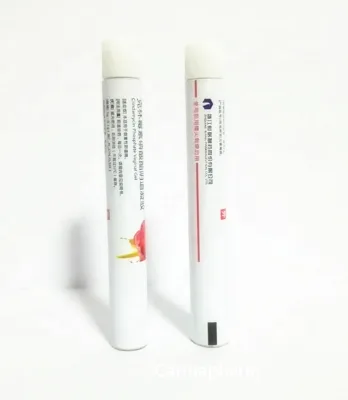


China Factory High Quality Competitive Price Collapsible Aluminum Tubes Cosmetics
$0.03 - $0.10
MOQ: 50000 Pieces


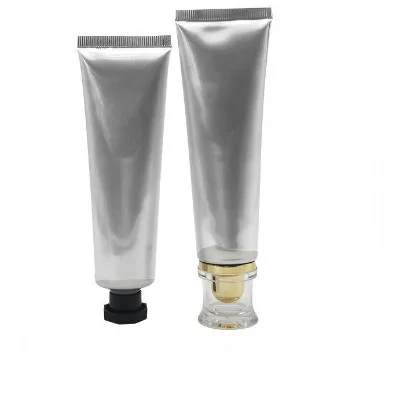


Aluminum Collapsible Cosmetic Tubes Hand Cream Aluminum Tube with Free Sample
$0.05 - $0.50
MOQ: 50000 Pieces
Comprehensive Sourcing Guide
Strategic Sourcing Guide for Custom Gradient Cosmetic Aluminum Tubes
Understanding Product Specifications and Material Composition
When sourcing custom gradient cosmetic aluminum tubes, the primary objective is to align the physical attributes of the packaging with the specific requirements of the product formulation and brand identity. The core material for these containers is aluminum, a choice driven by its superior barrier properties against light, oxygen, and moisture, which are critical for preserving the integrity of sensitive cosmetic formulations. In the current market, the construction often involves an aluminum-plastic composite structure, where the aluminum layer provides the necessary rigidity and protection, while the plastic liner ensures chemical compatibility with the product contents.
The physical dimensions of the tube are not uniform across all suppliers; they vary significantly based on the intended volume and application. Specific model numbers observed in the market, such as UW-DM-003, MA-1115, and MA-1131, indicate distinct sizing profiles. For instance, one standard specification lists a size of 14.8mm by 88mm with an 8.5mm cup diameter, while another model, MA-1131, measures 19mm by 68.5mm. Buyers must verify these exact dimensions against their product fill volumes to ensure proper fit and functionality. The tube itself is typically designed for paste or cream formulations, with some models also accommodating liquid or gel products used in cosmetics, medicine, food, toothpaste, and chemical applications.
The closure mechanism is another critical specification. The caps are frequently manufactured from Polypropylene (PP), a material chosen for its durability and ease of use in dispensing. The surface treatment of the aluminum tube is equally important for branding, with processes such as screen printing and offset printing being standard methods for applying the custom gradient designs. These printing techniques allow for the high-fidelity color transitions required for gradient effects, ensuring that the visual appeal of the packaging matches the aesthetic of the cosmetic product inside.
Compliance, Certification, and Regulatory Standards
Navigating the regulatory landscape is a fundamental step in the procurement of cosmetic packaging. While the specific certification status of every supplier cannot be universally asserted without individual verification, the industry standard for reputable manufacturers often includes adherence to ISO 9001 and ISO 14000 series standards. These certifications indicate a commitment to quality management systems and environmental management, respectively. Some suppliers in the supply chain have been observed to hold certifications such as SGS and ISO, which serve as third-party validations of their production capabilities and quality control processes.
Buyers must distinguish between general industry standards and specific claims made by individual vendors. For example, while ISO 9001 is a widely recognized benchmark for quality assurance, it is not automatically present in every transaction. Similarly, standards like ISO 14001 and ISO 45001 relate to environmental and occupational health management, respectively, and should be verified on a case-by-case basis. It is crucial to request current, valid certificates from the supplier rather than relying on general market knowledge. The absence of specific certifications like CE or RoHS in the provided context does not imply non-compliance, but buyers should explicitly confirm if these are required for their target markets, particularly in the European Union or North America.
Furthermore, the origin of the product plays a role in regulatory compliance. Many of these aluminum tubes are manufactured in China, with specific production hubs located in cities such as Ningbo, Guangzhou, and Hangzhou. The location of the factory can influence the ease of auditing and the specific regulatory frameworks the supplier is accustomed to following. Buyers should ensure that the supplier's quality management system aligns with the regulatory requirements of the destination market, regardless of the country of origin.
Cost Drivers and Pricing Dynamics
The pricing of custom gradient cosmetic aluminum tubes is influenced by a complex interplay of factors, including material costs, order volume, and the complexity of the customization. The observed price range in the market spans from $0.03 to $0.90 per unit, reflecting the vast difference between standard stock items and highly customized, low-volume orders. This wide variance underscores the importance of volume in determining the final cost.
The Minimum Order Quantity (MOQ) is a significant driver of unit pricing. While some suppliers may accept small orders, the standard MOQ for these products often ranges from 10 to 50,000 pieces, with a specific observed benchmark of 20,000 pieces for certain models. Orders falling below the standard MOQ typically incur higher per-unit costs due to the setup costs for printing and manufacturing being amortized over fewer units. Conversely, larger orders benefit from economies of scale, driving the unit price closer to the lower end of the observed range.
Customization adds another layer of cost complexity. Features such as custom colors, gradient printing, and specific surface treatments like screen or offset printing require additional setup and quality control measures. The choice of packaging, whether standard cartons or custom palletized shipments, also impacts the overall cost. Buyers should anticipate that requests for "customized" colors or specific packing requirements will increase the total procurement cost compared to standard off-the-shelf options. Additionally, the lead time associated with custom orders can indirectly affect costs, as expedited shipping or rush production fees may apply.
Typical Applications and Functional Versatility
Custom gradient cosmetic aluminum tubes are highly versatile and serve a broad spectrum of applications beyond just lip care. The primary usage categories include cosmetics, medicine, food, toothpaste, and chemical products. The specific formulation of the product inside the tube dictates the necessary material properties. For instance, tubes used for lipsticks and lip care products require a smooth dispensing mechanism and a finish that complements the product's texture. The observed usage data indicates that these tubes are suitable for both women's cosmetics and general medical or chemical applications.
The functional attributes of the tube, such as being disposable and recyclable, are increasingly important in the modern market. The recyclability of aluminum makes these tubes an attractive option for brands aiming to reduce their environmental footprint. The ability to customize the color and design allows brands to create unique visual identities that stand out on retail shelves. The gradient effect, in particular, offers a modern aesthetic that can enhance the perceived value of the product.
The compatibility of the tube with various product forms, including pastes and creams, ensures that it can be used across multiple product lines. Whether the product is a thick cream for skincare or a liquid for cosmetics, the aluminum tube provides a robust barrier that protects the contents from degradation. This versatility makes it a preferred choice for manufacturers looking to streamline their packaging supply chain by using a single tube type for multiple product variants.
Supplier Evaluation and Quality Control Protocols
Selecting the right supplier requires a rigorous evaluation process that goes beyond price comparisons. Buyers should prioritize suppliers who demonstrate transparency in their production capabilities and quality control measures. The presence of certifications like ISO 9001 and SGS is a strong indicator of a supplier's commitment to maintaining high standards. However, these certifications should be verified directly, as they are not universal guarantees for all listed products.
Quality control should be a central focus during the supplier evaluation. Buyers must inquire about the specific testing procedures used to ensure the integrity of the aluminum-plastic composite and the adhesion of the printed designs. The surface treatment processes, such as screen and offset printing, require precise control to achieve the desired gradient effects without smudging or peeling. Suppliers should be able to provide sample batches that demonstrate consistency in color, dimension, and structural integrity.
The origin of the product, whether from Ningbo, Guangzhou, or Hangzhou, can also influence the quality control culture of the supplier. Different regions may have varying levels of industrial maturity and regulatory enforcement. Buyers should consider conducting on-site audits or requesting third-party inspection reports to validate the supplier's claims. Additionally, the ability of the supplier to handle custom orders, as indicated by the "Customization: Available" attribute, suggests a flexible manufacturing process that can adapt to specific quality requirements.
Long-Term Procurement Considerations and Sustainability
Sustainable procurement is a critical long-term consideration for buyers in the cosmetic industry. The recyclability of aluminum tubes aligns with global trends toward eco-friendly packaging. Buyers should evaluate the supplier's commitment to sustainability, including their waste management practices and the recyclability of the materials used. The observed feature of "recyclable" packaging suggests that these tubes are designed to be easily processed in recycling streams, reducing the environmental impact of the product lifecycle.
Supply chain resilience is another key factor. The ability of the supplier to handle varying order volumes, from small orders to large-scale production runs, ensures that the buyer can adapt to market fluctuations. The standard packing methods, such as cartons and pallets, should be evaluated for their efficiency in logistics and storage. Custom packing requirements should be discussed early in the procurement process to avoid delays and additional costs.
Finally, the long-term relationship with the supplier should be built on clear communication and mutual understanding of quality expectations. Buyers should establish a framework for continuous improvement, where feedback on product performance and quality is regularly shared. This collaborative approach ensures that the custom gradient cosmetic aluminum tubes continue to meet the evolving needs of the brand and the market. By focusing on these strategic elements, buyers can secure a reliable supply of high-quality packaging that supports their brand's growth and sustainability goals.
FAQs
What materials are used for custom gradient cosmetic aluminum tubes?
The tubes are constructed from aluminum or aluminum-plastic composites. This combination ensures superior barrier properties against light and moisture while maintaining the rigidity needed for paste and cream formulations.
Which certifications do suppliers typically hold for these tubes?
Reputable suppliers often hold ISO 9001 and ISO certifications. Some vendors also provide SGS certification to validate their quality control processes and production capabilities for cosmetic packaging.
How are the surface designs applied to the aluminum tubes?
Surface treatments include screen printing and offset printing techniques. These methods allow for high-fidelity gradient effects and custom colors to be applied directly to the aluminum surface.
What is the typical minimum order quantity for these products?
The minimum order quantity ranges from 10 to 50,000 pieces. A specific observed benchmark for certain models is 20,000 pieces, though small orders are sometimes accepted by suppliers.
Can these tubes be used for products other than cosmetics?
Yes, the tubes are suitable for medicine, food, toothpaste, and chemical applications. They are designed to handle various forms including pastes, creams, and liquids for diverse industries.
What are the standard dimensions for these cosmetic tubes?
Dimensions vary by model, with examples like 14.8mm by 88mm or 19mm by 68.5mm. Specific cup sizes, such as 8.5mm, are also defined to ensure proper fit for different product volumes.
Are these tubes recyclable and eco-friendly?
Yes, the tubes are designed to be recyclable. This feature supports sustainability goals by allowing the aluminum material to be processed in recycling streams after use.