Source Anti-Slip Wrist Wraps for Weightlifting, Gym, Bodybuilding
Source Anti-Slip Wrist Wraps for Weightlifting from 30 verified suppliers. Compare customizable options made from polyester, neoprene, and nylon blends. Evaluate features like hook-and-loop closures, adjustable fits, and OEM branding for bulk procurement needs.
Key considerations
Products List
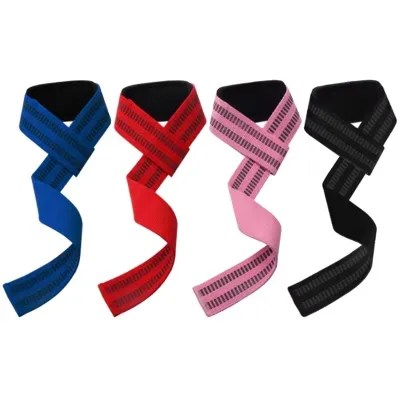


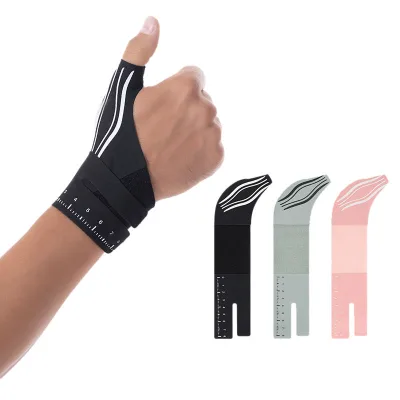
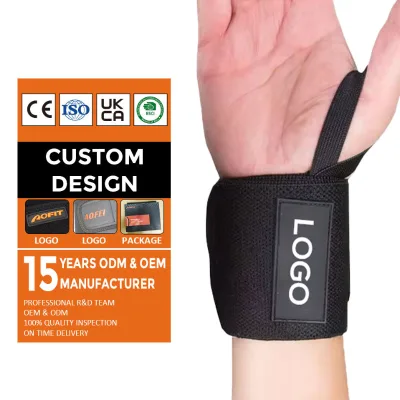


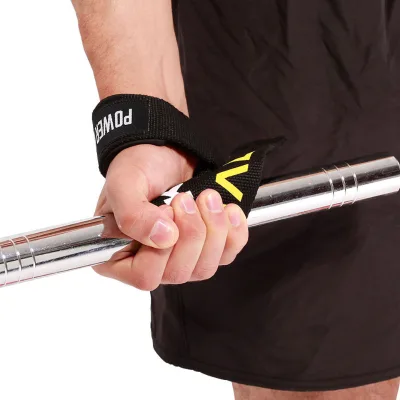


Gym Wrist Wraps for Weightlifting & Strength Training - Fitness Support Brace
$1.29 - $1.99
MOQ: 50 Pieces


Comprehensive Sourcing Guide
Anti-Slip Wrist Wraps for Weightlifting Sourcing Guide
Sourcing Anti-Slip Wrist Wraps for Weightlifting requires a nuanced understanding of material composition, closure mechanics, and customization capabilities. The market for these accessories is characterized by a high degree of variability in product specifications, ranging from basic cotton blends to advanced neoprene-polyester composites. Buyers must navigate a landscape where "anti-slip" is a functional claim that depends heavily on surface texture, fit, and the integrity of the hook-and-loop fastening system. This guide provides a structured approach to evaluating suppliers, verifying technical attributes, and managing commercial risks associated with this category.
The procurement process for wrist supports is heavily influenced by the demand for OEM branding and tailored packaging solutions. Most suppliers in this sector operate as manufacturers capable of producing custom logos and specific packing configurations, such as OPP bags or cartons. This flexibility allows retailers and private label brands to differentiate their offerings in a crowded fitness market. However, this customization introduces complexity in quality control, as variations in material sourcing and production batches can affect the consistency of the anti-slip performance and overall durability of the wraps.
Product Scope and Observed Listing Signals
The observed product listings indicate a diverse range of materials, primarily focusing on polyester combined with neoprene, as well as nylon and cotton blends. These material choices directly impact the stretch, thickness, and breathability of the wrist wraps. For instance, some products are described as having high stretch and medium thickness, suitable for general gym support, while others utilize nylon or cotton for a softer, more breathable feel. Buyers should carefully review the material composition to ensure it aligns with the intended use case, whether it is for heavy powerlifting, general bodybuilding, or light exercise support.
Closure types and functional features are critical differentiators in this category. The majority of observed products utilize a hook-and-loop closure system, which is essential for providing adjustable tension and a secure fit during dynamic movements. Features such as anti-slip properties and adjustable designs are frequently highlighted to address the primary concern of wrist stability. Additionally, the gender specification is predominantly listed as unisex, indicating that the sizing and design are intended to accommodate a broad range of users. Buyers must verify that the specific model selected offers the necessary support level for their target demographic, whether it is adult athletes or general fitness enthusiasts.
Technical Specifications to Verify
Thickness and diameter are key technical parameters that influence the level of support and comfort provided by the wrist wraps. Listings show variations in thickness, with some products categorized as thin and others as medium, while diameter specifications are often listed as "OTHER," suggesting non-standard or customizable sizing. Buyers should request detailed dimensional data for each model to ensure compatibility with different wrist sizes and lifting styles. Understanding the exact thickness is crucial for determining whether the wrap will provide sufficient compression without restricting blood flow or movement.
Model numbers and origin locations provide insight into the manufacturing capabilities and supply chain logistics. Observed models include identifiers such as XH2024, RH2024, FP-008, FP-030, and WN223, each potentially representing different material blends or design iterations. The places of origin vary, with mentions of Jiangsu, Dongguan, and Zhejiang in China, indicating a concentrated manufacturing hub. Buyers should verify the specific origin of the product they intend to order, as this can impact shipping costs, lead times, and the supplier's expertise in producing specific types of wrist supports.
Compliance and Safety Documentation
While specific certification statuses are not explicitly detailed in the observed listings, buyers must ensure that all products comply with relevant safety and quality standards for textile and sports accessories. The use of materials like neoprene, polyester, and nylon requires verification that these components are free from harmful substances and meet durability expectations. Buyers should request material safety data sheets (MSDS) or compliance certificates from suppliers to confirm that the products are safe for direct skin contact and rigorous physical activity.
Waterproofing and other special features should be clearly documented to avoid misunderstandings regarding product performance. The observed listings indicate that the wrist wraps are non-waterproof, which is typical for breathable athletic wear but important to note for buyers who may require water-resistant options for specific environments. Additionally, any claims regarding anti-slip performance should be backed by supplier testing data or quality assurance protocols. Buyers should inquire about the testing methods used to validate these claims, ensuring that the anti-slip properties remain effective after multiple washes and extended use.
Cost Drivers and Commercial Terms
The cost of anti slip wrist wraps is influenced by material quality, customization requirements, and order volume. Observed minimum order quantities (MOQs) range from 2 to 1000 units, with some specific models requiring an MOQ of 200. These variations allow buyers to scale their orders based on demand, but they also impact the unit price and overall procurement strategy. Buyers should negotiate pricing based on the desired customization level, as custom logos and packaging typically incur additional setup fees and higher per-unit costs.
Lead times and production schedules are critical factors in managing inventory and meeting customer demand. Sample times are observed to range from 7 to 12 days, while production times can extend up to 30 days for larger orders. Buyers must account for these timelines when planning their procurement cycles, especially for customized products that require additional processing steps. Clear communication with suppliers regarding production schedules and potential delays is essential to ensure timely delivery and avoid stockouts.
Supplier Qualification and Quality Control
Evaluating supplier qualifications involves assessing their manufacturing capabilities, customization options, and quality control processes. The observed listings indicate that most suppliers offer OEM services, including custom logos and packaging, which suggests a mature manufacturing infrastructure. Buyers should verify the supplier's experience in producing wrist supports and their ability to maintain consistent quality across batches. Requesting references or case studies from previous clients can provide additional insight into the supplier's reliability and performance.
Quality control measures should be clearly defined and agreed upon before placing orders. Buyers should establish specific acceptance criteria for product attributes such as material composition, closure strength, and anti-slip performance. Implementing pre-shipment inspections or third-party quality audits can help identify and rectify defects before products are shipped. Additionally, buyers should maintain open communication with suppliers to address any quality issues promptly and ensure continuous improvement in product standards.
Long-Term Procurement Checks
Building a sustainable supply chain for anti slip wrist wraps requires ongoing monitoring of supplier performance and market trends. Buyers should regularly review supplier metrics, including on-time delivery rates, product quality consistency, and responsiveness to issues. Establishing a long-term partnership with reliable suppliers can lead to better pricing, priority production slots, and improved collaboration on product development. Regular feedback loops with suppliers can also help identify opportunities for innovation and improvement in product design and functionality.
Market dynamics and consumer preferences in the fitness industry are constantly evolving, requiring buyers to stay informed about emerging trends and technologies. Buyers should monitor changes in material innovations, such as new blends that offer enhanced breathability or durability, and adjust their product offerings accordingly. Additionally, staying aware of regulatory changes and compliance requirements in target markets is essential to ensure continued market access and customer satisfaction. By maintaining a proactive approach to procurement, buyers can mitigate risks and capitalize on opportunities in the competitive wrist support market.
FAQs
What materials are used for these wrist wraps?
These wrist wraps are constructed from a blend of polyester, neoprene, nylon, and cotton to ensure durability and comfort. The specific material composition varies by model, with some featuring high-stretch properties for better support during intense lifting sessions.
Can I customize the logo and packaging?
Yes, customization is available for both the logo and the packaging options. Buyers can request custom logos and choose from various packing methods such as OPP bags, cartons, or fully customized packaging solutions to meet specific branding needs.
What is the minimum order quantity for these products?
The minimum order quantity ranges from 2 to 1000 units depending on the specific supplier and product model. Some listings indicate a standard MOQ of 200 units, while others may accommodate smaller trial orders starting at just 2 pieces.
How long does production take for custom orders?
Production time typically takes around 30 days for custom orders after sample approval. Sample preparation usually requires 7 to 12 days, allowing buyers to verify quality and specifications before committing to a larger manufacturing run.
Are these wrist wraps suitable for powerlifting and bodybuilding?
Yes, these wrist wraps are designed for multiple applications including powerlifting, bodybuilding, and general gym exercises. They feature anti-slip properties and adjustable closures to provide necessary support and safety during heavy lifting and various workout routines.
What is the thickness of the wrist support?
The thickness of the wrist support varies by model, with options available in both thin and medium thicknesses. Buyers should check specific product models like XH2024 or WN223 to confirm the exact thickness required for their training intensity.