Source Anti-Static Jacquard Brocade Fabric for Garments
Find 30 Anti-Static Jacquard Brocade Fabric options for apparel, shoes, and bags. Compare woven polyester blends, yarn counts, and customization features to select the right material for your production needs; compare the available evidence and request quotations based on your requirements.
Key considerations
Products List


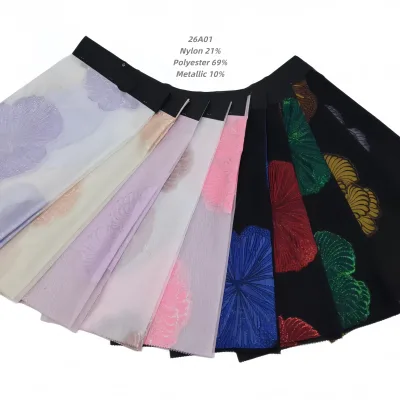
China Factory Polyester Metallic Jacquard Brocade Fabric Evening Wear Fabric
$3.50 - $4.50
MOQ: 50 Meters

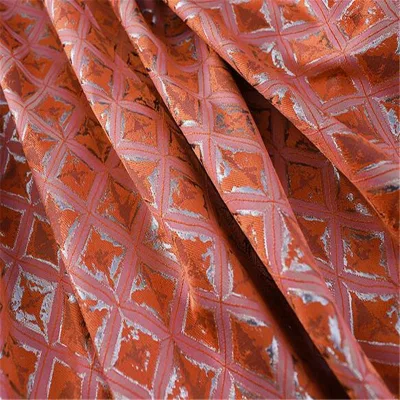
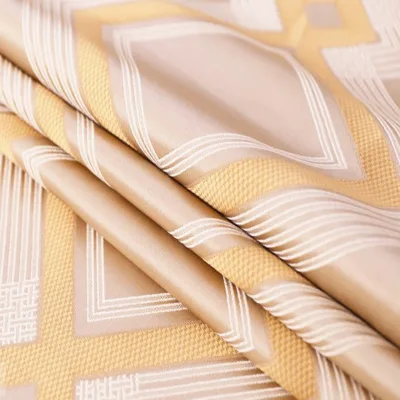


Classic Flower Brocade Fabric Damask Jacquard Garments Thick Clothes Curtain
$0.65 - $1.05
MOQ: 1000 Meters


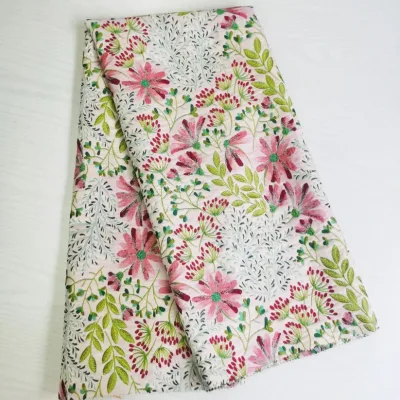
100% Polyester Fabric Brocade Jacquard Fabric Luxury Dobby Chiffon Fabric
$2.30 - $2.50
MOQ: 1000 Meters

Grid Brocade Jacquard Fabric Brilliance Viscose Rayon Luxury Satin Textile Fabric
$4.24 - $4.64
MOQ: 1000 Meters


Comprehensive Sourcing Guide
Anti-Static Jacquard Brocade Fabric Sourcing Guide
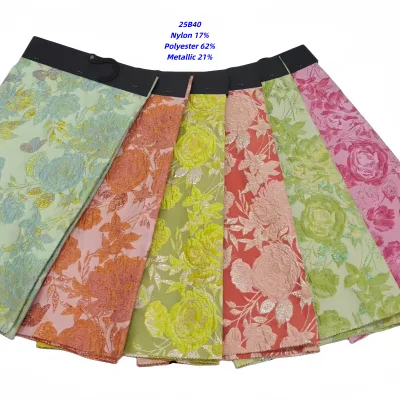
Procuring anti-static jacquard brocade fabric requires distinguishing between standard woven patterns and specialized treatments designed to dissipate static electricity. While the supplied data confirms the availability of high-quality jacquard and plain woven options in polyester blends, buyers must explicitly verify the specific anti-static treatment applied to the fabric surface. The observed product attributes indicate a range of materials including polyester, metallic nylon, and viscose blends, which serve as the base for various functional finishes.
Buyers should prioritize suppliers who can demonstrate the integration of conductive threads or chemical coatings that meet industry-specific static control requirements. The observed listings show diverse applications ranging from garments to home textiles, yet the specific anti-static performance is not universally guaranteed across all listed models. It is essential to request detailed technical sheets that confirm the static dissipation rate for the specific fabric model, ensuring the material meets the safety standards required for your intended end-use environment.
Product Scope and Observed Listing Signals
The market offers a broad spectrum of fabric types, including jacquard, plain, and yarn-dyed variations, with observed models like CL67286 and DMS-WB118 representing different structural and aesthetic options. These products are available in various widths, such as the 144-148 cm range noted in the data, and come in medium-weight specifications suitable for diverse garment and accessory applications. The observed customization options allow for tailored designs, colors, and packing methods, providing flexibility for buyers with specific branding or logistical needs.
However, the presence of ready goods and in-stock items does not automatically imply that every listed SKU possesses anti-static properties. Buyers must carefully cross-reference the product model number with the specific functional claims to avoid purchasing standard decorative fabrics when functional performance is required. The observed supply types include both in-stock items and customized production runs, meaning lead times and availability will vary significantly depending on whether the buyer selects a pre-made design or requests a specialized anti-static modification.
Technical Specifications to Verify
When evaluating technical specifications, the fabric composition is a critical factor, with observed materials ranging from 100% polyester to complex blends involving metallic nylon and spandex. These material choices directly influence the fabric's ability to conduct electricity and resist static buildup. Buyers should verify the yarn count, such as the observed 300D specification, and the density, which impacts the tightness of the weave and the overall durability of the anti-static finish. The observed weight of 220GSM provides a baseline for medium-weight applications, but specific weight requirements may vary based on the end product.
Beyond material composition, the weaving technique and pattern density are vital for ensuring consistent performance. The data confirms the availability of both jacquard and plain weave techniques, each offering different aesthetic and functional characteristics. Buyers must confirm that the anti-static treatment is applied uniformly across the entire fabric width and that the finish remains effective after washing or dry cleaning. Verifying the specific model numbers against the supplier's technical database ensures that the fabric meets the precise conductivity and durability standards required for your application.
Compliance and Safety Documentation
Ensuring compliance with safety standards is paramount when sourcing fabrics intended for environments where static discharge poses a risk. While the observed data mentions general standards like 100% cotton 40*40 for specific models, buyers must explicitly request documentation confirming that the anti-static fabric meets relevant industry safety certifications. The presence of OEKO-TEX in background notes suggests a potential pathway for chemical safety verification, but this should not be assumed without direct confirmation from the supplier for the specific anti-static product line.
Buyers should require test reports that validate the fabric's static dissipation capabilities under various conditions, including humidity and temperature fluctuations. These documents must clearly state the test methods used and the resulting resistance values to ensure the fabric performs as expected in real-world scenarios. Without explicit compliance documentation, the risk of purchasing fabric that fails to meet safety regulations increases significantly, potentially leading to product recalls or safety incidents in the final application.
Cost Drivers and Commercial Terms
The cost of anti-static jacquard brocade fabric is influenced by several factors, including the complexity of the weave, the type of conductive materials used, and the extent of customization required. The observed MOQ range of 1 to 5000 units indicates that buyers can access small batches for sampling or larger volumes for production, but the unit price will likely vary based on the order quantity and the specific technical requirements. The observed price range of 0.29 to 8.8 USD per unit suggests a wide variance in cost, driven by material quality and processing complexity.
Commercial terms such as packing and shipping also play a significant role in the total cost of ownership. The data shows options for rolled packing on strong tubes or customized packaging, which can affect logistics costs and handling efficiency. Buyers should negotiate clear terms regarding sample availability, as meter samples are observed in the market, and clarify the lead times for customized orders. Understanding these cost drivers helps in budgeting accurately and selecting a supplier that offers the best value for the specific technical and logistical needs of the project.
Supplier Qualification and Quality Control
Selecting a qualified supplier involves verifying their production capabilities and quality control processes, particularly for specialized fabrics like anti-static jacquard. The observed origin of Guangdong and China indicates a concentration of manufacturing expertise in this region, but buyers must ensure the specific factory has the equipment and expertise to apply anti-static treatments consistently. The ability to customize patterns, colors, and packing methods is a positive indicator of a supplier's flexibility, but it must be balanced with their capacity to maintain strict quality standards.
Quality control measures should include regular testing of the fabric's static resistance and visual inspection for defects in the weave and finish. Buyers should request a quality assurance plan that outlines the inspection steps taken at various stages of production, from raw material intake to final packaging. The observed supply ability of 50,000 meters per month suggests a robust production capacity, but buyers must confirm that this capacity can be maintained without compromising the quality of the anti-static treatment. Establishing a strong relationship with a supplier who prioritizes quality control is essential for long-term success.
Long-Term Procurement Checks
Establishing a long-term procurement strategy requires regular audits and performance reviews to ensure the fabric continues to meet quality and safety standards over time. Buyers should implement a schedule for periodic testing of the anti-static properties to detect any degradation in performance that may occur due to wear, washing, or environmental factors. The observed availability of abundant design options and customization capabilities should be leveraged to adapt to changing market trends while maintaining the core functional requirements of the fabric.
Continuous communication with the supplier is vital for addressing any issues that arise and for exploring opportunities for improvement or innovation. Buyers should maintain a detailed record of all transactions, test results, and supplier interactions to facilitate informed decision-making in future procurement cycles. By staying vigilant and proactive, buyers can ensure a steady supply of high-quality anti-static jacquard brocade fabric that supports their business goals and maintains the safety and reliability of their end products.
FAQs
What materials are used in this jacquard fabric?
The fabric is made from a blend of polyester, metallic nylon, viscose, and spandex. This combination provides durability and slight stretch. Some variants are 100% polyester or cotton. The material choice supports various garment and accessory applications while maintaining the intricate jacquard pattern structure.
Can I customize the design color of the fabric?
Yes, customization is available for design colors. Buyers can select from abundant existing designs or request custom options. The supplier supports tailored color matching to meet specific project requirements. This flexibility ensures the fabric aligns with unique brand aesthetics and seasonal collection needs.
What is the minimum order quantity for this fabric?
The minimum order quantity is typically 10 meters per color. However, some listings indicate an MOQ range of 1 to 5000 units depending on the specific product model. Ready goods may have different thresholds. Buyers should confirm the exact MOQ with the supplier for their selected model.
How is the fabric packed for shipping?
The fabric is usually packed in rolls on strong tubes with a polybag. Some options include 5 yards per poly bag packing. Customized packaging is also available to meet specific logistics requirements. This ensures the material remains protected and undamaged during international transit and storage.
What is the supply capacity for this fabric?
The supply ability is 50,000 meters per month. This capacity supports large-scale production needs for garments and home textiles. The supplier maintains in-stock items for immediate delivery. This ensures consistent availability for bulk orders without significant lead time delays for standard specifications.
Is the fabric suitable for all seasons?
Yes, the fabric is suitable for spring, summer, autumn, and winter. It is designed for adult and children's clothing, shoes, bags, and accessories. The medium weight and soft handfeel make it versatile for various seasonal garments. The durable jacquard weave ensures longevity across different usage conditions.