Source Anti-Static Magnetic Hook Carabiner for Household, Souvenir, Industrial
Compare 30 listings for Anti-Static Magnetic Hook Carabiner options featuring aluminium or iron cases with NdFeB magnets. Buyers can evaluate customization, MOQs, and processing services for household, souvenir, and industrial applications.
Key considerations
Products List


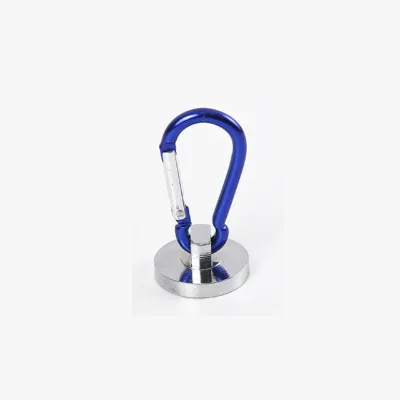
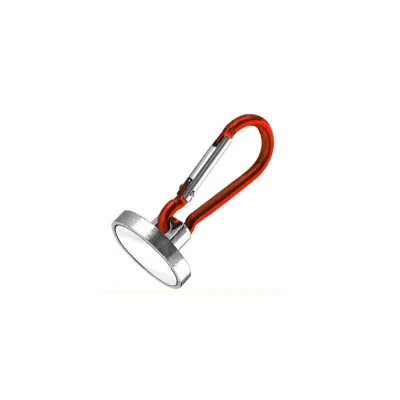


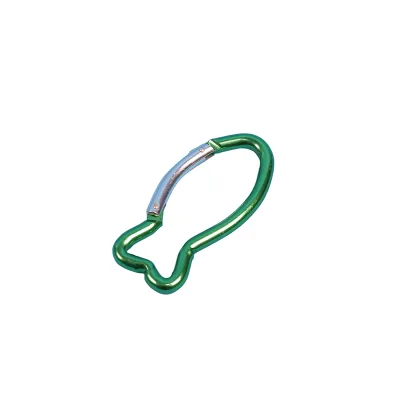


Comprehensive Sourcing Guide
Anti-Static Magnetic Hook Carabiner Sourcing Guide
Sourcing anti-static magnetic hook carabiners requires a nuanced understanding of how conductive materials and magnetic properties intersect within industrial and consumer supply chains. These components are distinct from standard aluminum or steel carabiners because they integrate magnetic holding power with electrostatic dissipation capabilities, making them essential for environments where static discharge could damage sensitive electronics or cause safety hazards. Buyers must recognize that the term "anti-static" in this context often refers to the material’s ability to dissipate static charge rather than a standalone certification, which necessitates rigorous verification of material composition and surface treatment processes. The primary value proposition lies in the dual functionality: the magnetic hook provides secure attachment for keys, tools, or lanyards, while the anti-static property ensures that the attached items do not accumulate harmful static electricity.
Procurement teams often encounter a wide variance in product definitions, ranging from simple aluminum carabiners with printed logos to complex assemblies involving rare earth magnets and specialized alloys. The supplied data indicates that suppliers offer products made from aluminum, aluminum alloy, and iron cases with NdFeB magnets, suggesting that the "anti-static" claim may be achieved through specific surface coatings or the inherent properties of the alloy used. It is critical for buyers to distinguish between products that are merely branded as OEM or customized and those that genuinely meet electrostatic discharge (ESD) requirements. The presence of terms like "Creative Style," "Household Usage," and "Souvenir" in listings alongside industrial specifications like "Industrial Magnet" and "ISO-9001" highlights the need for precise filtering to ensure the selected component matches the technical demands of the end-use environment.
Product Scope and Observed Listing Signals
The current market landscape for magnetic hook carabiners reveals a broad spectrum of product configurations, primarily centered around aluminum and aluminum alloy constructions. Listings frequently highlight customization options, including custom colors, logos, and packaging, which suggests that these items are often used for promotional purposes, corporate gifting, or branded merchandise. The observed material range includes standard aluminum, aluminum alloy, and composite structures featuring iron cases with NdFeB magnets, indicating that buyers can choose between lightweight, corrosion-resistant options and heavier-duty magnetic variants. The shape is predominantly described as a single hook or carabiner clip, with some products explicitly labeled as "magnetic carabiner clips," which implies a specific mechanical design where the magnetic element is integrated into the hook’s closure or body.
Observations from supplier listings also point to significant variability in intended usage, spanning from household and souvenir applications to industrial settings. Products are described with attributes such as "OEM Printing Ballpen" style, which may indicate a cross-category listing error or a versatile design that can be adapted for multiple promotional uses. However, the presence of specifications like "Rare Earth Magnet" grade and "Max. Working Temperature: 80-200℃" strongly suggests that a subset of these products is engineered for more demanding environments. Buyers should note that while many listings emphasize aesthetic customization like "Standard or Customized Color" and "Standard or Customized Logo," the functional integrity of the magnetic and anti-static properties must be verified independently, as these are not always guaranteed by the visual appearance or basic material description alone.
Technical Specifications to Verify
When evaluating technical specifications, the first priority is confirming the material composition and its impact on both magnetic strength and electrostatic performance. Aluminum carabiners are typically non-magnetic unless they incorporate embedded magnetic elements or are made from specific ferromagnetic alloys. Therefore, buyers must verify whether the "anti-static" claim is derived from the base metal, a conductive coating, or an integrated conductive pathway. For products listing "Iron Case + NdFeB magnet," the magnetic holding force is likely higher, but the weight and potential for corrosion must be assessed. The tolerance of ±1% mentioned in some specifications indicates a level of precision in manufacturing, which is crucial for ensuring consistent magnetic alignment and mechanical reliability in high-volume deployments.
Temperature resistance and mechanical durability are also critical technical parameters that require explicit verification. Some listings cite a maximum working temperature range of 80-200℃, which is unusually high for standard consumer goods and suggests suitability for industrial or automotive applications where heat exposure is a concern. Buyers should inquire about the thermal stability of the magnetic properties, as NdFeB magnets can lose strength if exposed to temperatures exceeding their Curie point. Additionally, the processing services listed, such as cutting, punching, and molding, imply that the final product’s structural integrity depends on these manufacturing steps. It is essential to confirm that the anti-static properties remain effective after these processes, as mechanical stress or surface abrasion during molding could compromise the conductive layer or coating.
Compliance and Safety Documentation
Compliance verification is paramount when sourcing components that interact with sensitive electronics or operate in regulated environments. While some listings mention ISO-9001 and QS-9000 certifications, these primarily attest to the supplier’s quality management systems rather than the specific performance of the anti-static or magnetic properties. Buyers must request independent test reports that validate the surface resistivity or volume resistivity of the carabiner to confirm its anti-static efficacy. Without such data, the "anti-static" label remains an unverified claim. Similarly, for products containing NdFeB magnets, buyers should ensure that the magnets are securely encapsulated to prevent exposure to rare earth materials, which may be subject to environmental regulations in certain markets.
Environmental and safety standards, such as RoHS and REACH, are frequently cited in the broader category but should be treated as background information rather than guaranteed attributes for every listing. Buyers must explicitly ask suppliers to confirm compliance with these directives, particularly if the product will be used in the European Union or other regions with strict chemical restrictions. The presence of "Standard or Customized Logo" and "OEM" branding does not imply compliance with safety standards; therefore, documentation must be requested separately. Additionally, if the product is intended for industrial use, buyers should verify that the magnetic field strength does not interfere with nearby electronic devices or medical equipment, a risk that is not always disclosed in standard product descriptions.
Cost Drivers and Commercial Terms
Cost structures for magnetic hook carabiners are influenced by material selection, customization complexity, and order volume. Aluminum and aluminum alloy materials generally offer a balance of cost and performance, while iron cases with rare earth magnets may incur higher material costs due to the price volatility of neodymium. Customization features, such as specific colors, logo printing, and unique packaging, add to the unit price, particularly for smaller order quantities. The observed MOQ range of 1 to 60,000 pieces indicates that suppliers are flexible, but economies of scale are likely to apply, with significant price reductions expected at higher volumes. Buyers should anticipate that custom designs, especially those requiring specific molds or processing services like punching and molding, will have higher setup costs.
Commercial terms, including lead times and payment conditions, vary based on the complexity of the order and the supplier’s production capacity. Lead times of 22-30 days are noted for some products, which is typical for customized orders involving magnetic components and surface treatments. Buyers should clarify whether this timeline includes sample approval, production, and shipping, as delays in any of these stages can impact supply chain continuity. Packaging options, such as individual polybags or cartons, also affect logistics costs and handling efficiency. It is advisable to negotiate clear terms for reorders, especially if the product requires specific tooling or molds, to ensure consistent pricing and quality across multiple production runs.
Supplier Qualification and Quality Control
Supplier qualification should focus on verifying the manufacturer’s capability to produce consistent anti-static and magnetic properties. Buyers should request evidence of in-house testing capabilities for surface resistivity and magnetic strength, as reliance on third-party tests alone may not ensure batch-to-batch consistency. The mention of processing services like cutting, punching, and molding suggests that some suppliers have integrated manufacturing capabilities, which can reduce lead times and improve quality control. However, buyers must confirm that the supplier has experience with anti-static materials, as improper handling or storage can degrade the conductive properties before the product reaches the end user.
Quality control protocols should include visual inspections for defects in the magnetic housing and coating integrity, as well as functional tests for magnetic holding force and mechanical durability. Suppliers with ISO-9001:2008 management systems are likely to have structured quality processes, but buyers should still define specific acceptance criteria for their orders. It is recommended to conduct pre-shipment inspections for large orders to verify that the products meet the agreed-upon specifications for material, dimensions, and performance. Additionally, buyers should assess the supplier’s ability to provide traceability for raw materials, particularly for rare earth magnets, to ensure ethical sourcing and supply chain transparency.
Long-Term Procurement Checks
Long-term procurement success depends on establishing a robust relationship with suppliers who can maintain product consistency and adapt to evolving market needs. Buyers should periodically review supplier performance metrics, including on-time delivery rates, defect rates, and responsiveness to quality issues. Given the potential for price fluctuations in rare earth materials, it is advisable to establish long-term pricing agreements or index-linked contracts to mitigate cost volatility. Regular audits of the supplier’s quality management system can help ensure that their processes remain aligned with industry standards and regulatory requirements.
Furthermore, buyers should stay informed about advancements in anti-static materials and magnetic technologies, as these fields are rapidly evolving. Engaging with suppliers on product development can lead to innovations that improve performance or reduce costs, such as new coatings that enhance durability without compromising electrostatic properties. It is also important to monitor changes in environmental regulations that may affect the use of certain materials or manufacturing processes. By maintaining open communication and conducting regular performance reviews, buyers can ensure that their sourcing strategy remains effective and resilient in the face of market dynamics and technological changes.
FAQs
What materials are used for magnetic carabiner hooks?
These hooks are typically constructed from aluminium alloy or iron cases combined with NdFeB rare earth magnets. The aluminium variant offers lightweight durability for household or souvenir use, while the iron case with magnetic core provides strong holding power for industrial applications. Both types support customization and logo printing.
Can I customize the logo on these carabiners?
Yes, customization is available for both aluminium and magnetic carabiner hooks. You can request standard or customized colors and logos, including OEM printing. The supplier supports creative styles and single hook shapes, allowing you to tailor the product for souvenirs, household use, or industrial branding purposes effectively.
What is the minimum order quantity for these hooks?
The minimum order quantity varies by product type. For standard aluminium carabiners, the MOQ is typically 3000 pieces. For specific magnetic carabiner models, the MOQ is set at 5000 pieces. Buyers should confirm the exact MOQ based on the selected model number and customization requirements before placing an order.
How long is the delivery time for these products?
The delivery time for magnetic carabiner hooks is generally 22 to 30 days. This lead time applies to standard production runs. Buyers should account for this duration when planning inventory, especially for customized orders involving logo printing or specific size adjustments. Packaging is usually done in polybags or cartons.
Are these carabiners certified for safety standards?
Yes, the products comply with ISO-9001 and QS-9000 management systems. These certifications ensure quality control in processing services like cutting, punching, and moulding. While RoHS and REACH are noted as background information, the primary verified standards are ISO-9001 and QS-9000, guaranteeing consistent manufacturing quality for industrial and household use.
What is the maximum working temperature for magnetic carabiners?
The maximum working temperature for these magnetic carabiners ranges from 80 to 200 degrees Celsius. This specification is critical for industrial magnet applications where heat resistance is required. Buyers should ensure their intended use case falls within this thermal range to maintain the integrity of the NdFeB magnet and the hook structure.