Source Anti-Static Modern Decking Paver Base for Roofs, Patios, and Walkways
Compare 30 listings for Anti-Static Modern Decking Paver Base designed for tile, stone, and WPC floors. These adjustable supports offer chemical and high-temperature resistance with customizable heights for construction projects; compare the available evidence and request quotations based on your requirements.
Key considerations
Products List








Comprehensive Sourcing Guide
Anti-Static Modern Decking Paver Base Sourcing Guide
Procuring anti-static modern decking paver bases requires a nuanced understanding of material science and structural engineering, particularly when integrating them into sensitive commercial or industrial environments. While the supplied product data highlights polypropylene (PP) as a primary material with high-temperature resistance and chemical durability, buyers must critically assess whether standard PP formulations meet specific anti-static requirements. The observed listings emphasize features like corrosion resistance and water resistance, which are essential for outdoor applications such as roof gardens, waterscapes, and square pavements. However, the term "anti-static" implies a specific electrical conductivity property that is not explicitly detailed in the provided material characteristics. Therefore, sourcing this specific variant demands rigorous verification of the polymer compound’s formulation, ensuring that additives like carbon fiber or conductive fillers are present to dissipate static charge effectively.
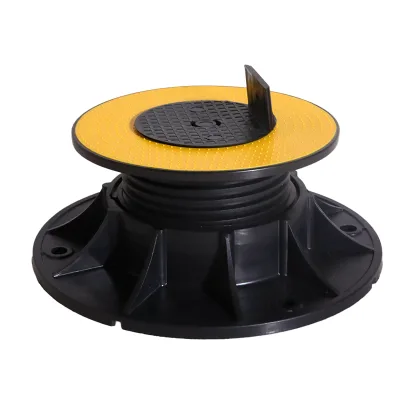
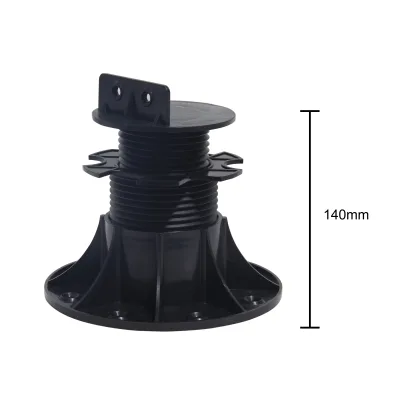
The visual and functional design of these bases also plays a crucial role in their suitability for modern architectural projects. The observed products feature a "Modern" design style and are often profiled to accommodate slope corrections, with specific models offering adjustable height ranges from 52mm to 130mm. This adjustability is vital for creating level surfaces on uneven substrates, a common challenge in large-scale tiling and stone flooring installations. Buyers should note that while the general category supports applications like WPC flooring and structural components, the specific anti-static variant may have different load-bearing capacities or installation protocols. It is imperative to confirm that the chosen base system integrates seamlessly with the chosen decking material, whether it is tile, stone, or composite, to ensure long-term stability and aesthetic integrity without compromising the static-dissipating properties of the underlying support structure.
Product Scope and Observed Listing Signals
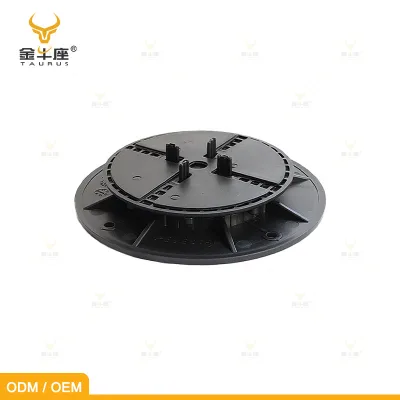
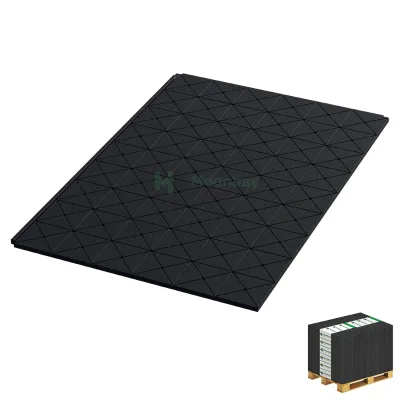
The current market landscape for adjustable pedestal supports reveals a diverse range of models, such as ZB1466, ZB513, and Zcq121, each tailored to specific project needs. These products are typically manufactured using injection molding, a process that ensures consistent dimensional accuracy and structural integrity, which is critical for supporting heavy loads in modern decking applications. The observed listings indicate that these bases are often single-color, with black being a common option, and are packed in boxes for efficient logistics. The presence of slope correctors, with a specified thickness of 15mm, highlights the system's adaptability to non-level surfaces, a key feature for professional installers working on complex architectural geometries. Buyers should recognize that while these general features are widely available, the specific anti-static variant may require custom manufacturing or specialized material blends, potentially affecting lead times and minimum order quantities.
Commercial signals from the market suggest that customization is a significant driver in this category, with suppliers offering tailored solutions for building and construction projects. The observed payment terms, such as a 30% deposit and 70% balance against the bill of lading, reflect standard B2B practices for international trade, ensuring security for both parties. Additionally, the availability of free samples allows buyers to physically inspect the product’s quality, including the finish and the robustness of the contact points like the head, base, and spacers. However, buyers must be cautious not to assume that all listed products possess anti-static properties; the general scope includes standard structural and decorative components, and the anti-static feature is likely a specialized attribute requiring explicit confirmation from the supplier. This distinction is crucial for maintaining project specifications and avoiding costly substitutions that could compromise safety or performance standards.
Technical Specifications to Verify
When evaluating technical specifications for anti-static decking bases, the material composition is the most critical factor to verify. While standard products use polypropylene (PP) with ultraviolet light absorbers for durability, anti-static versions must incorporate conductive additives to achieve the desired surface resistivity. Buyers should request detailed material data sheets that specify the volume resistivity range, typically measured in ohms, to ensure compliance with industry standards for static dissipation. The observed temperature range of -30°C to +90°C indicates robust thermal stability, but it is essential to confirm that the anti-static properties remain effective across this entire spectrum, as extreme temperatures can sometimes affect the conductivity of polymer compounds. Additionally, the height adjustment range, observed between 52mm and 130mm, must be compatible with the specific thickness of the decking material and the required subfloor clearance for ventilation or utility routing.
Structural integrity and load-bearing capacity are equally important technical parameters that require careful verification. The observed products feature flexible molding characteristics and polished surface treatments, which contribute to ease of installation and aesthetic appeal. However, buyers must ensure that the base’s design, including the contact points and spacer tabs, can support the intended load without deformation or failure. The slope corrector thickness of 15mm is a specific detail that aids in leveling, but its load-bearing contribution under dynamic conditions should be assessed. Furthermore, the single package size of 20x20x140 cm and gross weight of 2.000 kg provide insights into handling and logistics, but these metrics do not directly correlate with structural performance. Buyers should insist on third-party test reports that validate both the mechanical strength and the electrical properties of the anti-static bases, ensuring that the product meets the rigorous demands of modern commercial and industrial installations.
Compliance and Safety Documentation
Ensuring compliance with safety and environmental standards is paramount when sourcing anti-static decking bases, particularly for projects in sensitive environments like data centers, hospitals, or electronics manufacturing facilities. Buyers must verify that the products meet relevant international standards for static control, such as IEC 61340-5-1, which outlines the requirements for electrostatic discharge protection. While the observed listings mention eco-friendly features and chemical resistance, these claims do not automatically imply compliance with electrical safety regulations. It is crucial to obtain certification documents from accredited laboratories that confirm the product’s surface resistivity and volume resistivity values. Additionally, buyers should check for compliance with local building codes and fire safety regulations, as the material’s flammability rating can impact its suitability for certain applications. The observed warranty of 3 years suggests manufacturer confidence, but it should be reviewed to ensure it covers both structural integrity and the longevity of the anti-static properties.
Environmental and health regulations also play a significant role in the procurement process, especially as sustainability becomes a key consideration in modern construction. Buyers should request documentation confirming that the polypropylene used is free from hazardous substances, such as heavy metals or phthalates, which could leach into the environment or pose health risks. The observed material properties, including high-temperature resistance and UV stability, indicate durability, but buyers must ensure that the manufacturing process adheres to strict environmental management standards. Certifications like ISO 14001 for environmental management or specific material safety data sheets (MSDS) can provide valuable insights into the product’s lifecycle impact. Furthermore, buyers should verify that the supplier provides clear instructions for proper disposal or recycling at the end of the product’s life, aligning with circular economy principles. This comprehensive approach to compliance ensures that the procurement process not only meets technical requirements but also supports broader corporate sustainability goals.
Cost Drivers and Commercial Terms
The cost of anti-static modern decking paver bases is influenced by several key factors, including material composition, manufacturing complexity, and order volume. The use of specialized conductive additives in polypropylene significantly increases the raw material cost compared to standard PP bases. Additionally, the injection molding process, while efficient for mass production, requires precise tooling and quality control to ensure consistent electrical properties, which can add to the overall expense. Buyers should note that the observed minimum order quantity (MOQ) ranges from 1 to 1000 sets, with some listings specifying 100 sets as a standard threshold. Larger orders may benefit from economies of scale, reducing the per-unit cost, but buyers must balance this with storage capacity and project timelines. The observed price range of $0.31 to $16 USD reflects the diversity of products available, with anti-static variants likely positioned at the higher end due to their specialized nature.
Commercial terms and payment structures also play a crucial role in the total cost of ownership. The observed payment terms, such as a 30% deposit and 70% balance against the bill of lading, are standard in international trade but require careful financial planning. Buyers should consider the implications of currency fluctuations and shipping costs, which can vary significantly depending on the origin of the product, such as Mengcheng, Anhui, or Jiangxi, China. The observed delivery time of 10 days suggests a responsive supply chain, but buyers must account for potential delays due to customization or raw material shortages. Additionally, the availability of free samples is a valuable cost-saving feature, allowing buyers to validate quality before committing to large orders. However, buyers should be aware that sample policies may vary, and some suppliers might charge for shipping or handling. Understanding these commercial dynamics is essential for accurate budgeting and risk management in the procurement process.
Supplier Qualification and Quality Control
Selecting a qualified supplier for anti-static decking bases requires a thorough evaluation of their manufacturing capabilities and quality assurance processes. Buyers should prioritize suppliers who have a proven track record in producing specialized polymer products, with experience in handling conductive materials and maintaining strict tolerances. The observed brand name "TAURUS" and the mention of online technical support indicate a level of professional service, but buyers must verify the supplier’s technical expertise in anti-static applications. It is essential to request detailed information about their quality control protocols, including in-process inspections and final product testing. Suppliers should be able to provide evidence of consistent batch-to-batch quality, ensuring that the anti-static properties remain stable over time. Additionally, buyers should assess the supplier’s ability to provide customization services, as many projects may require specific dimensions or configurations to meet unique design requirements.
Quality control extends beyond the manufacturing phase to include logistics and packaging. The observed packing method, which involves boxing the products, helps protect them from damage during transit, but buyers should ensure that the packaging is robust enough to prevent compression or deformation. The observed single gross weight of 2.000 kg and package dimensions of 20x20x140 cm provide a basis for evaluating packaging efficiency, but buyers must confirm that the packaging materials are suitable for long-distance shipping. Furthermore, buyers should inquire about the supplier’s after-sales service, including warranty claims and technical support. The observed 3-year warranty is a positive indicator, but buyers should clarify the terms and conditions to ensure adequate coverage. By conducting a comprehensive supplier audit, buyers can mitigate risks and ensure that the procured products meet the highest standards of quality and performance, supporting the long-term success of their projects.
Long-Term Procurement Checks
Long-term procurement success depends on establishing robust relationships with suppliers and implementing continuous monitoring of product performance. Buyers should schedule regular reviews of supplier performance, focusing on metrics such as delivery reliability, product quality, and responsiveness to issues. The observed 10-day delivery time is a strong baseline, but buyers must track actual performance over time to identify any trends or potential disruptions. Additionally, buyers should maintain open communication channels with suppliers to stay informed about any changes in material formulations or manufacturing processes that could affect the anti-static properties of the bases. Regular feedback loops can help identify areas for improvement and foster a collaborative environment that benefits both parties. By proactively managing supplier relationships, buyers can ensure a stable supply chain and minimize the risk of production delays or quality issues.
Performance monitoring of the installed products is equally important for long-term success. Buyers should establish a system for tracking the condition of the decking bases in the field, paying attention to any signs of
FAQs
What material is used for the adjustable pedestal support?
The product is made from Polypropylene with an ultraviolet light absorber. This material ensures high temperature resistance and chemical resistance for long-term durability in construction applications.
How is the product customized for specific projects?
Customization is available for this profiled plastic component. Buyers can request specific forms through injection molding to meet unique structural or decorative needs for building and construction projects.
Can I get a free sample before placing an order?
Yes, a sample is available for free to verify quality. This allows buyers to test the corrosion resistance and easy installation features before committing to the minimum order quantity of 100 sets.
What is the delivery time for the plastic pedestal support?
The standard delivery time is 10 days after deposit payment. This fast turnaround supports urgent construction schedules while maintaining the high temperature resistance required for various flooring applications.
Which payment terms are required for this product?
Buyers must pay a 30% deposit with the remaining 70% due upon seeing the copy of the Bill of Lading. This secure payment structure applies to all orders for the plastic adjustable pedestal support.
What is the height range of the adjustable pedestal?
The height range spans from 52mm to 130mm to accommodate different floor levels. This flexibility ensures proper slope correction and stability for tile, stone, or WPC floor installations.
How does the product handle extreme temperature conditions?
The material withstands temperatures from -30 degrees Celsius to +90 degrees Celsius. This wide operating range ensures the product remains durable and functional in diverse environmental conditions without degrading.