Source Anti-Static Polyester Work Gloves for Construction, Farm, Garden
Compare 30 listings of anti-static polyester work gloves designed for outdoor activities, industrial work, and gardening. Buyers can evaluate features like anti-slip, wear-resistance, and customization options across various models and specifications.
Key considerations
Products List


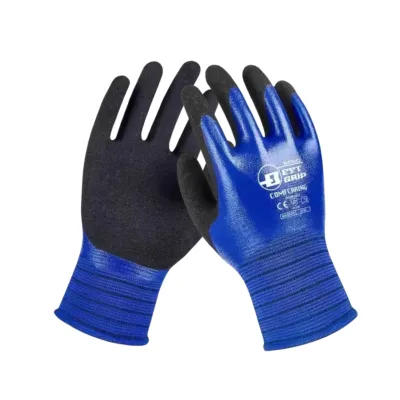
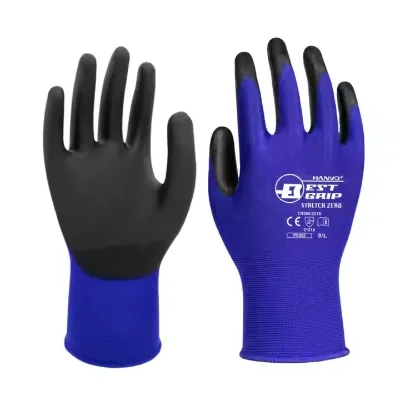


Anti-Static Examination Work Hand Industrial Gloves with 100% Polyester
$0.17 - $0.25
MOQ: 12000 Pairs

Good Service Abrasion Resistance Anti-Static Work Glove Safety Working Glove
$0.17 - $0.25
MOQ: 12000 Pairs


Good Service Anti-Static Durable Work Glove Price Safety Working Gloves
$0.17 - $0.25
MOQ: 12000 Pairs


Comprehensive Sourcing Guide
Strategic Sourcing Guide for Anti-Static Polyester Work Gloves
Understanding Product Specifications and Material Composition
When sourcing anti-static polyester work gloves, buyers must first distinguish between the specific material claims and the functional attributes observed in the market. While the core keyword emphasizes polyester, the available product data reveals a diverse landscape of material compositions. Some listings explicitly identify materials as "Nylon + spandex" or "nylon," while others cite "Cotton" as the primary fabric. This variance indicates that the term "polyester" in a search query often serves as a proxy for synthetic blends designed for durability and static control, rather than a strict 100% polyester requirement.
The physical specifications of these gloves vary significantly based on the intended application. Observed weight ranges span from 500g to 1100g, suggesting a broad spectrum from lightweight, dexterity-focused models to heavy-duty protection gear. Thickness is another critical variable; the market data presents options described as "Flimsy" and "Thickened," allowing buyers to select based on the trade-off between tactile sensitivity and abrasion resistance. Furthermore, the product type is consistently classified as "Non-Disposable," indicating a design for repeated use and laundering, which is essential for long-term cost management in industrial settings.
Size and fit are standardized in many listings, with common specifications including "S/M/L" and "M/L" standards, alongside specific model numbers like "gloves-blue" or "SGL024." The cuff tightness also varies, with options ranging from "Loose" to "Tight," a factor that influences comfort and the prevention of debris entry. Buyers should verify that the specific model number aligns with their operational needs, as the "gloves-blue" designation might refer to a specific color or style rather than a universal size guide.
Technical Performance and Functional Attributes
The primary technical requirement for this category is the anti-static property, which is frequently highlighted as a core feature. The data confirms that "Anti-Static" is a standard function, often paired with "Anti-Slip" and "Wear-Resistant" capabilities. Some advanced listings expand this feature set to include "Conductive" properties, which are crucial for environments where static discharge could damage sensitive electronics. Additionally, functional attributes such as "Heat Insulation" and "Anti-scratch" are observed, suggesting that these gloves are engineered for multi-hazard environments rather than single-purpose tasks.
The application of these gloves is equally diverse. While the core keyword focuses on industrial work, the observed usage data includes "Construction," "Industrial Work," "Farm," and "Garden." Specific niche applications are also noted, such as "Grill" usage, "Pet Care," and handling "Household Electrical Appliances." This breadth implies that the anti-static feature is often a secondary benefit to general durability, or conversely, that general-purpose gloves are being marketed for specialized static-sensitive tasks.
Color is another observable attribute, with "White" being a prominent listing. However, the presence of model numbers like "gloves-blue" suggests that color is a customizable or variable attribute rather than a fixed standard. Buyers should not assume all anti-static gloves are white; the color may be selected for visibility, branding, or specific industry standards. The "Printed" style mentioned in the data further supports the idea that these gloves can be customized for corporate identity, with "Logo Printing" support explicitly available.
Compliance, Certification, and Safety Standards
Verifying compliance is a critical step in the procurement process, particularly for gloves used in electrical or hazardous environments. The supplied data explicitly lists "En 388" and "En420" as certifications. EN 388 is the European standard for protective gloves against mechanical risks, covering abrasion, cut, tear, and puncture resistance. EN 420 covers general requirements for protective gloves, including ergonomics and comfort. The presence of these standards suggests that high-quality suppliers in this category adhere to rigorous European safety benchmarks.
Beyond the specific EN standards, buyers should be aware of the "A5 Level Cut-Resistant Glove" designation found in the data. This indicates that some products in the anti-static category offer significant cut protection, which is vital for industries involving sharp materials or glass handling. However, buyers must verify that the specific model they select actually meets the A5 level, as not all anti-static gloves possess this level of cut resistance.
The "ESD Version" (Electrostatic Discharge) is noted as customizable, which is a significant finding for electronics manufacturing. This suggests that while standard anti-static gloves exist, specialized ESD versions can be tailored to specific facility requirements. Buyers should confirm whether the "Anti-Static" label on a product implies full ESD compliance or merely general static reduction. The absence of specific numerical test results in the provided data means that buyers must request detailed test reports from suppliers to validate claims regarding static dissipation rates and mechanical protection levels.
Cost Drivers and Procurement Economics
The economic landscape for anti-static polyester work gloves is influenced by several key factors, including material composition, customization, and order volume. The observed price range in the market is substantial, spanning from $0.07 to $8.50 USD. This wide variance is likely driven by the differences in material quality (e.g., basic nylon vs. high-grade spandex blends), the level of cut resistance (standard vs. A5), and the degree of customization required.
Minimum Order Quantity (MOQ) is another significant cost driver. The data shows an MOQ range from 50 to 30,000 units. Lower MOQs, such as 50 or 200 pairs, may be suitable for trial runs or small-scale operations but often come with a higher unit cost. Conversely, bulk orders of 30,000 units likely benefit from economies of scale, reducing the per-unit price. Buyers should align their order volume with their production needs to optimize costs without overstocking.
Customization is a major value-add that impacts pricing. Features such as "Logo Printing," "Customized Accept," and "ESD Version" customization are available. These services typically incur additional setup fees or higher unit costs. The "Free Sample" availability is a standard practice, though some listings note that freight costs may apply. This allows buyers to validate quality before committing to large orders. The "Export Carton" and "600prs/CTN" packing standards indicate that logistics and packaging efficiency are also factored into the final cost structure.
Typical Applications and Industry Use Cases
The versatility of anti-static work gloves makes them suitable for a wide array of industries. The primary application is "Industrial Work," which encompasses manufacturing, assembly, and general maintenance. In these settings, the anti-static feature protects sensitive components from electrostatic discharge, while the "Wear-Resistant" and "Anti-Slip" features ensure safety and efficiency.
Construction and agricultural sectors also utilize these gloves. The "Outdoor Activite" and "Farm" usage tags suggest that these gloves are designed to withstand harsh environmental conditions while maintaining grip and protection. The "Garden" application further supports this, indicating suitability for landscaping and outdoor maintenance tasks.
Specialized applications include handling "Household Electrical Appliances" and "Grill" operations. In these contexts, the "Heat Insulation" and "Anti-Static" properties are critical. For electrical appliance manufacturing, the anti-static feature prevents damage to internal circuits, while heat insulation protects the wearer from hot surfaces. The "Pet Care" usage is a unique niche, suggesting that the gloves are also suitable for handling animals where static control might be necessary to prevent discomfort or injury.
Supplier Evaluation and Quality Assurance
Evaluating suppliers requires a focus on their ability to meet the specific technical and logistical requirements outlined in the product data. The origin of the products is consistently listed as "China" or "China Mailand," indicating a concentrated manufacturing base. Buyers should verify the specific factory location and capacity, as "China Mailand" might refer to a specific distribution hub or a mislabeled origin that requires clarification.
Quality assurance should be centered on the observed certifications and standards. Suppliers claiming "En 388" and "En420" compliance must provide valid test reports. The "A5 Level Cut-Resistant" claim requires specific verification, as this is a high-performance attribute. Buyers should also inquire about the "Non-Disposable" nature of the gloves and request data on the number of wash cycles the gloves can withstand before degrading.
The "Delivery Time" of "20-30 Days After Received Deposit" is a standard lead time observed in the data. Buyers should factor this into their production planning and ensure that the supplier has a reliable track record of meeting these timelines. The "Customized" packing options, such as "1 Pair/Bag" or "12 Pairs/Poly Bag," allow for flexibility in logistics, but buyers should confirm that the supplier can accommodate their specific packaging requirements without compromising the integrity of the gloves.
Long-Term Procurement and Sustainability Considerations
For long-term procurement, the "Non-Disposable" classification of these gloves is a significant sustainability advantage. Unlike single-use alternatives, these gloves are designed for repeated use, reducing waste and the frequency of reordering. The "Customization" options, including logo printing and specific ESD versions, allow companies to maintain brand consistency and operational safety standards over time.
Buyers should also consider the "Material" composition when evaluating long-term value. While "Nylon + spandex" and "nylon" offer durability and flexibility, "Cotton" blends may offer better breathability and comfort for extended wear. The choice of material should align with the specific working conditions and the comfort needs of the workforce.
Finally, the availability of "Free Sample" programs and the flexibility in "MOQ" values provide buyers with the opportunity to test different models and suppliers before committing to large-scale contracts. This approach minimizes risk and ensures that the selected gloves meet the specific performance requirements of the organization. By focusing on verified standards, clear material specifications, and reliable supplier performance, buyers can build a robust and cost-effective supply chain for anti-static work gloves.
FAQs
What certifications do anti-static polyester work gloves typically have?
These gloves typically hold EN 388 and EN 420 certifications for mechanical and general safety. Some models also offer A5 level cut resistance. Buyers should verify specific test reports to confirm compliance with these European standards before purchasing.
Can I customize the logo and ESD version of these gloves?
Yes, logo printing is supported and the ESD version can be customized to meet specific facility requirements. Buyers should confirm customization details with the supplier. This service often requires a minimum order quantity and may affect the final unit price.
What is the typical delivery time for bulk orders of these gloves?
The standard delivery time is 20 to 30 days after receiving the deposit. This lead time applies to most manufacturers in the China region. Buyers should plan their inventory accordingly and confirm the exact timeline during the negotiation phase.
Which materials are commonly used in anti-static industrial work gloves?
Common materials include nylon, spandex blends, and cotton. Some listings specify nylon or cotton as the primary fabric. The material choice impacts durability and breathability, so buyers should select based on their specific industrial or outdoor application needs.
What is the minimum order quantity for these industrial gloves?
The minimum order quantity ranges from 50 to 30,000 pairs depending on the supplier and customization level. Some vendors accept orders as low as 200 pairs. Lower MOQs are suitable for trials, while bulk orders often secure better pricing.
Are free samples available for testing anti-static work gloves?
Free samples are available, though buyers usually need to cover the freight costs. This allows verification of quality before committing to large orders. Buyers should request samples to check thickness, cuff tightness, and overall fit for their specific use case.