Source Anti-Static Plastic Anti-Slip Surface Tiles for Offices
Source anti-static plastic anti-slip surface tiles for offices, computer rooms, and electrical factories. Compare 30 products featuring PVC and PP materials with CE and ISO certifications. Options include rolls and interlocking tiles with waterproof and wear-resistant properties; compare the available evidence and request quotations based on your requirements.
Updated
Key considerations
Products List

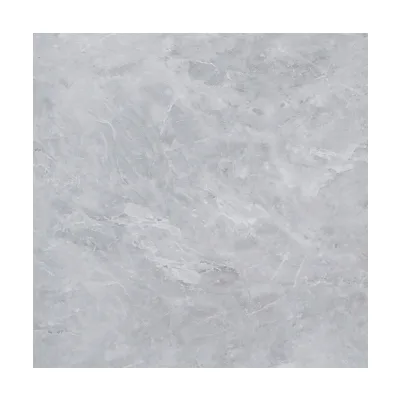
Vinyl Flooring Roll Anti-Static Features Anti Static Flooring Tiles
$5.00 - $8.00
MOQ: 100 Square Meters


Homogeneous Vinyl Flooring - Anti Static PVC Floor Tile for Safety
$5.50 - $8.50
MOQ: 100 Square Meters


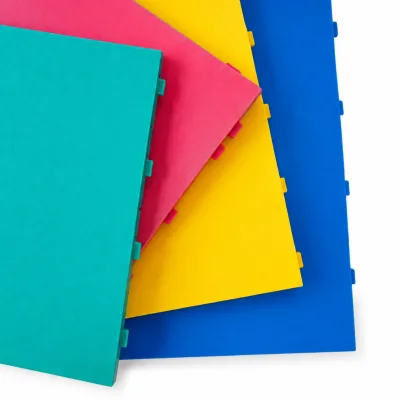
Plastic Plastic Sports Floor Tiles Shock-Resistant Non-Slip School Safety Protection Floor Tiles
$13.90 - $14.20
MOQ: 200 Square Meters


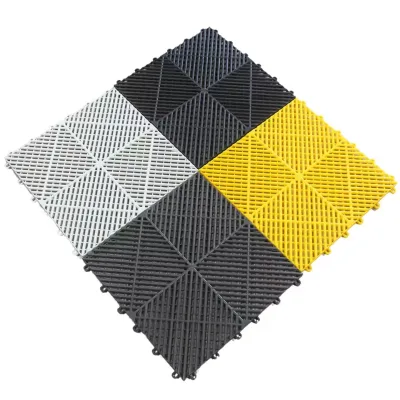
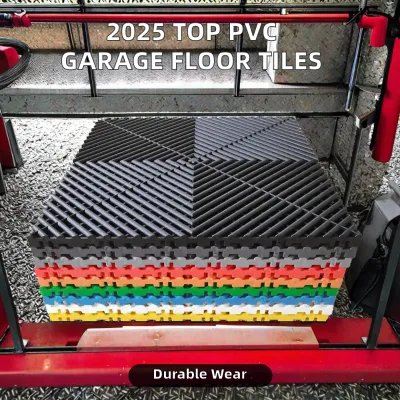
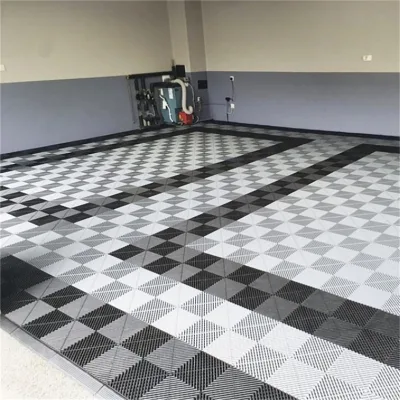
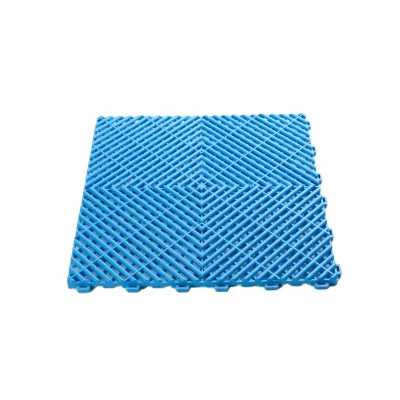
Wholesale Factory Price Plastic Floor Tile Wear-Resistant Anti-Slip Interlocking Floor Tile
$7.50 - $7.70
MOQ: 200 Square Meters


Comprehensive Sourcing Guide
Anti-Static Plastic Anti-Slip Surface Tiles Sourcing Guide
Procuring anti-static plastic anti-slip surface tiles requires a clear understanding of the distinct material properties and functional applications available in the current market. Buyers must distinguish between rigid PVC rolls designed for specialized industrial environments and modular PP tiles suited for high-traffic commercial or sports areas. The selection process hinges on matching the tile’s static dissipation capabilities with the specific electrical sensitivity of the intended facility, ensuring that the flooring solution provides both safety and durability.
Sourcing decisions should also account for the physical characteristics of the tiles, such as hardness, weight, and surface texture. Observations indicate that products range from hard PVC variants to semi-rigid PP tiles with puzzle or reinforced double-cross patterns. Understanding these physical attributes is critical for installation planning, as factors like vertical deformation, shock absorption, and bearing capacity directly impact the longevity and performance of the flooring system under heavy loads or frequent foot traffic.
Product Scope and Observed Listing Signals
The observed product landscape includes distinct categories such as Anti-Static Flooring Rolls made from PVC and modular Anti-Static Flooring Tiles constructed from PP. The PVC rolls are typically specified with dimensions like 2.0mm thickness and 20m length, featuring simple color treatments and cardboard tube packaging. These products are primarily targeted at indoor environments such as offices, banks, computer rooms, and electrical factories, where controlled static discharge and moisture resistance are paramount for operational safety and equipment protection.
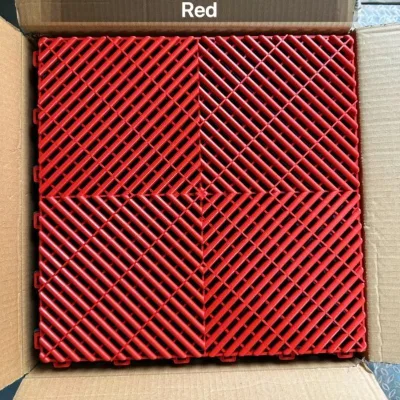
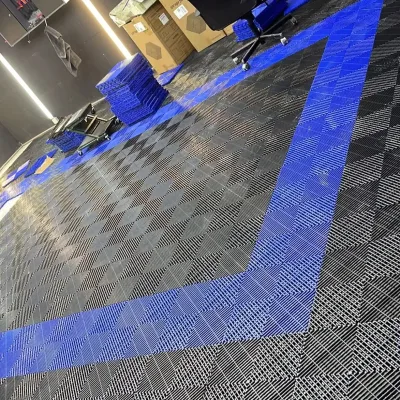
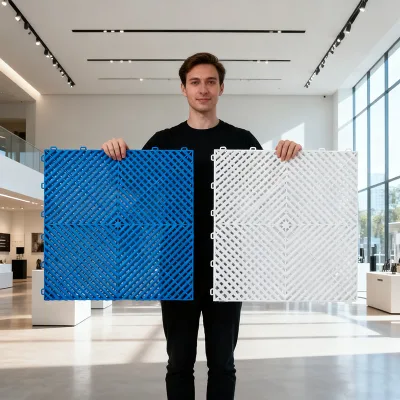
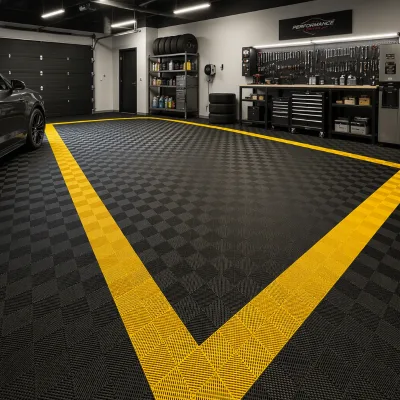
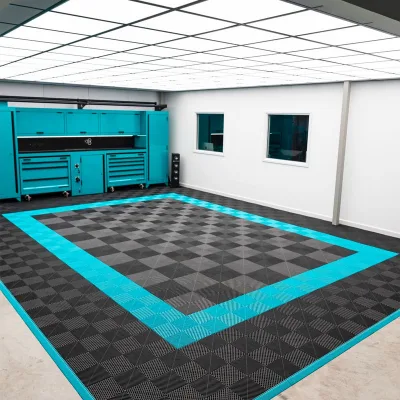
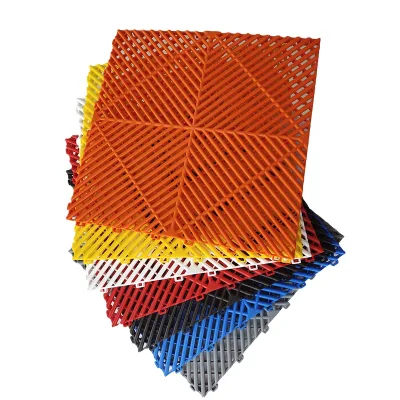
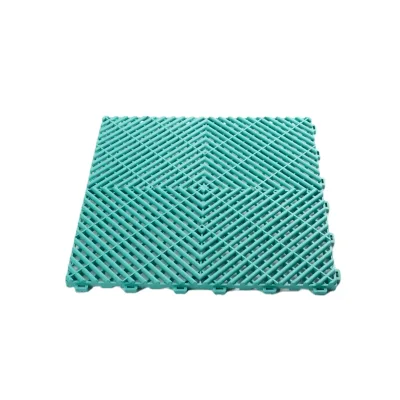
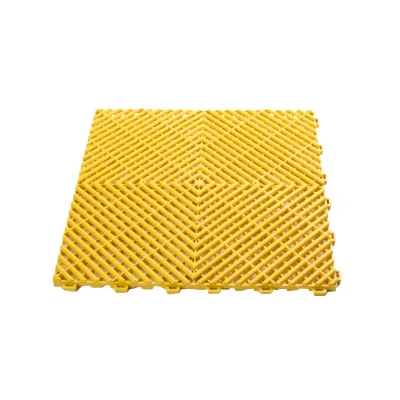
In contrast, the PP-based tiles offer greater versatility with puzzle patterns, multi-color options, and varying thicknesses like 12.7mm or 15.8mm. These tiles are designed for broader usage including households, outdoor areas, commercial spaces, and sports facilities. Key observed attributes include a bearing capacity of 8-10 tons, specific weights per square meter, and textures such as double cross patterns or non-slip bumps. Buyers should verify these physical specifications to ensure the selected tile meets the structural and aesthetic requirements of their specific project scope.
Technical Specifications to Verify
When evaluating technical specifications, buyers must prioritize the verification of material composition and dimensional accuracy. For PVC rolls, confirm the exact thickness and width, as deviations can affect the anti-static performance and installation fit. For PP tiles, verify the standard dimensions, such as 50050050mm or 304.8304.815.8mm, and check the weight per square meter, which ranges from approximately 2.18kg to 4.05kg depending on the model. These metrics are essential for calculating material quantities, shipping costs, and load-bearing requirements accurately.
Surface treatment and functional performance are equally critical verification points. Ensure that the tiles possess the necessary anti-slip properties, with some models offering dry test values between 95-110, and verify color fastness ratings of Gray Scale≥4 to prevent fading. Additionally, assess the shock absorption capabilities, which may range from 30% to 40% for certain models, and confirm the vertical deformation limits. These technical details ensure the flooring will perform reliably under specific environmental conditions and usage intensities.
Compliance and Safety Documentation
Compliance with international standards is a non-negotiable aspect of sourcing anti-static flooring. Buyers should request and verify certifications such as ISO, CE, and SGS, which indicate adherence to quality and safety regulations. For products intended for specific markets, additional certifications like En71 and Reach may be required, particularly for tiles used in environments with potential child contact or strict chemical safety standards. These documents provide assurance that the materials used are safe and the manufacturing processes meet recognized industry benchmarks.
Safety documentation should also include detailed test results for fireproof, waterproof, and soundproof properties, especially for installations in sensitive areas like computer rooms or electrical factories. Verify that the product certificates explicitly state compliance with relevant safety standards for anti-static performance. Buyers must ensure that the provided documentation is current and issued by accredited bodies, as outdated or non-accredited certificates may not satisfy regulatory requirements or insurance obligations for the installed facility.
Cost Drivers and Commercial Terms
Cost structures for anti-static plastic tiles are influenced by material type, thickness, and customization options. PVC rolls and thicker PP tiles generally command higher prices due to increased material usage and complex manufacturing processes. Buyers should observe the listed price ranges, which typically span from $0.5 to $19 per unit, and correlate these with the specified dimensions and features. Customization availability can also impact pricing, as bespoke colors or patterns may incur additional setup fees or minimum order requirements.
Minimum Order Quantities (MOQ) and packaging details are significant commercial factors that affect overall procurement costs. Observed MOQs range from 1 to 500 units, with some specific tile models requiring a minimum of 200 square meters. Packaging methods, such as cardboard tubes for rolls or cartons for tiles, influence shipping efficiency and potential damage risks. Buyers should negotiate terms that align with their project scale, considering how bulk purchasing can reduce per-unit costs while ensuring that packaging protects the product during transit.
Supplier Qualification and Quality Control
Supplier qualification begins with verifying their manufacturing capabilities and quality control processes. Buyers should assess whether the supplier offers customized solutions and has a track record of producing consistent anti-static flooring. Inquire about their production standards, such as T2.0mmW2.0mL20m for rolls or specific tile dimensions, and request samples to verify texture, hardness, and assembly weight. A reliable supplier will provide transparent information about their production origins, typically China, and demonstrate robust quality assurance protocols.
Quality control checks should include random sampling to test for bearing capacity, anti-slip performance, and dimensional accuracy. Buyers must ensure that the supplier conducts rigorous testing for wear resistance, moisture proofing, and shock absorption before shipment. Establishing clear acceptance criteria based on observed specifications, such as vertical deformation limits and color fastness, helps mitigate the risk of receiving substandard products. Regular audits or third-party inspections may be necessary for large orders to ensure ongoing compliance with agreed-upon quality standards.
Long-Term Procurement Checks
Long-term procurement success depends on establishing a reliable supply chain that can meet evolving project needs. Buyers should monitor supplier performance over time, tracking consistency in product quality, delivery lead times, and responsiveness to issues. Maintain open communication channels to address any discrepancies in specifications or certifications promptly. Building a strong relationship with qualified suppliers ensures access to updated product lines and potential improvements in anti-static technology and material durability.
Regularly review and update procurement specifications to align with changing industry standards and safety requirements. Stay informed about new certifications, such as additional En71 or Reach updates, and adjust sourcing strategies accordingly. Conduct periodic re-evaluations of supplier qualifications and product performance to ensure continued compliance and value. By maintaining a proactive approach to supplier management and quality verification, buyers can secure a stable supply of high-quality anti-static plastic anti-slip surface tiles for their facilities.
FAQs
What certifications do anti-static plastic anti-slip surface tiles have?
These tiles typically hold CE and ISO certifications, with some products also carrying SGS, En71, and Reach marks. These credentials verify compliance with international safety and quality standards for indoor and commercial use, ensuring the materials meet regulatory requirements for office and electrical factory environments.
Can anti-static plastic anti-slip surface tiles be customized?
Yes, customization is available for these flooring solutions. Buyers can request specific patterns, such as puzzle or dragon designs, and choose from various colors including multi-color options. Custom packaging and tailored specifications allow businesses to align the product with their unique branding and functional requirements.
What materials are used for anti-static plastic anti-slip surface tiles?
The tiles are primarily manufactured from PVC and PP materials. PVC variants often feature simple color treatments and are designed for indoor office or computer room use. PP variants are frequently structured as blocks or tiles with reinforced double cross patterns, offering durability for household, outdoor, and commercial applications.
What are the standard specifications for anti-static plastic anti-slip surface tiles?
Standard specifications vary by model. Roll types may measure 2.0mm thickness with 20m length, while tile models often come in 500x500x50mm or 304.8x304.8x15.8mm dimensions. Weight per square meter ranges from approximately 2.18kg to 4.05kg, depending on the specific texture and structural design of the tile.
What is the minimum order quantity for anti-static plastic anti-slip surface tiles?
The minimum order quantity typically starts at 200 square meters for certain tile models. However, MOQs can range from 1 to 500 units depending on the supplier and product type. Buyers should verify specific MOQ requirements with manufacturers, as bulk orders often benefit from more flexible pricing and shipping terms.
Where are anti-static plastic anti-slip surface tiles manufactured?
These products are predominantly manufactured in China. Suppliers from this region offer a wide range of options, including PVC rolls and PP tiles. The origin influences logistics and lead times, so buyers should confirm shipping details and production capacity directly with vendors to ensure timely delivery for their specific project needs.