Self Adhesive Waterproof Floor Mats Suppliers and Manufacturers
Explore 17 verified suppliers offering Self Adhesive Waterproof Floor Mats with customizable features and certifications. Compare response times, lead times, and MOQs to find the right partner. Contact suppliers directly to request samples and pricing details; review the available evidence before requesting comparable quotations from suitable candidates.
Suppliers List
Jiangsu Huakemei Technology Co., Ltd.
- Verified by BV
- Combined
- China Jiangsu
- Lead time15 days
- Avg. response≤ 2h
Main productsConstruction Floor Protection, Floor Protection Felt, Painter Felt Floor Protection Roll, Temporary Floor Protection, Heavy Duty Floor Protection, Floor Protection Fleece, Sticky Painter Felt, Self-Adhesive Felt, 4-Layer Composite Floor Protection, Floor Protection Film
Main marketsDomestic

Self Adhesive Waterproof Floor Protection Mat for Hardwood Floor Renovation
$15.30 - $15.50
MOQ: 1000 Rolls

Tws (Qingdao) International Co., Ltd.
- Trading Company,Manufacturer/Factory
- China Shandong
- Lead time45 days
- Avg. response≤ 12h
Main productsPVC Tarpaulin, PE Tarpaulin, Mesh Tarp, PP Ground Covers, PVC Roll, Lumber Tarp, Moving Blanket, Accessories, PVC Tree Watering Bag, Debris Netting
Main marketsSouth America,Eastern Europe,Mid East,North America,Southeast Asia,Eastern Asia,Oceania,Western Europe,Africa

$1.99 - $4.99
MOQ: 3000 Pieces


Hebei Orient ADMA Tech Group Co., Ltd.
- Verified by SGS
- Trading Company,Manufacturer/Factory
- China Hebei
- Lead time30 days
- Avg. response≤ 10h
Main productsPVC Hose, Rubber Hose, Hydraulic Hose, Silicone Hose, Pneumatic Hose, Oil Field Hose/Dredging Hose, Hose Crimping Machine, Hose Couplings and Clamps, Hose Protection Sleeve, Packaging Film
Main marketsSouth America,Eastern Europe,Mid East,North America,Southeast Asia,Eastern Asia,Oceania,Western Europe,Africa

Suzhou Vigor New Materials Co., Ltd.
- Verified by TUVRHEINLAND
- Combined
- China Jiangsu
- Lead time30 days
- Avg. response≤ 4h
Main productsAcoustic Wall Panel, Acoustic Panel, Painter Felt, White Sticky Felt
Main marketsEurope

White Sticky Felt Pads for Waterproof Self Adhesive Floor Protection Mat
$0.40 - $0.48
MOQ: 1000 Square Meters

Non-Slip Floor Protection with White Felt Guard Mat for Waterproofing
$0.40 - $0.48
MOQ: 5000 Square Meters

Non-Slip Waterproof Construction Mat for Ultimate Floor Protection
$0.40 - $0.48
MOQ: 5000 Square Meters

Non-Slip Floor Mat: Waterproof Sticky Furniture Protector for Floors
$0.40 - $0.48
MOQ: 5000 Square Meters

Needle Punched Non-Woven Floor Mat for Waterproof Protection Needs
$0.40 - $0.48
MOQ: 1000 Square Meters

Slip Resistant Floor Mat: White Felt Guard for Waterproof Protection
$0.40 - $0.48
MOQ: 5000 Square Meters
Shandong Tuoyi Environmental Protection Materials Co., Ltd.
- Manufacturer/Factory
- China Shandong
- Lead time15 days
- Avg. response≤ 2h
Main productsNon Woven Exhibition Carpet, PVC Coil Mat, Jumbo Bags, Geosynthetic Products, Carpet, Artificial Grass Turf, Mat, Carpet Tile, Machine Tufted Carpet
Main marketsSouth America,Eastern Europe,Mid East,North America,Southeast Asia,Eastern Asia,Oceania,Western Europe,Africa

Printed Anti-Slip Rubber Floor Mat Custom Logo Floor Mats with Logo
$2.32 - $5.98
MOQ: 1000 Square Meters

Entrance Door Mat Waterproof and Anti Slip PVC Coil Plastic Floor Mat
$3.99 - $4.99
MOQ: 500 Square Meters


Huizhou KENJOY New Materials Co., Ltd.
- Verified by Intertek
- Manufacturer, Trading Company
- Guangdong, China
- Lead time30 days
- Avg. response≤ 2h
Main productsFloor Protection Roll, Cleaning Cloth, Microgreen Grow Mat, Aquarium Filter Felt, Fire Blanket
Main marketsNorth America(30%), Western Europe(30%), Southeast Asia(10%)

Zhejiang Green Valley Sports Industry Co., Ltd.
- Verified by BV
- Trading Company,Manufacturer/Factory
- China Zhejiang
- Lead time15 days
- Avg. response≤ 5h
Main productsRubber Tiles, Rubber Rolls, EPDM Granule, EPDM/SBR Rubber Mats, Rubber Flooring, PU Adhesive/Glue, Playground Rubber Tile, Rubber Machine, Elastic Interlocking Tiles, PVC Flooring
Main marketsSouth America,Eastern Europe,Mid East,North America,Southeast Asia,Eastern Asia,Oceania,Western Europe,Africa

Qingdao Kingstone Industry Co., Ltd.
- Verified by TUVRHEINLAND
- Combined
- China Shandong
- Lead time30 days
- Avg. response≤ 4h
Main productsRubber Flooring, Rubber Mat
Main marketsEast Asia(Japan/ South Korea)


Outdoor Flooring Mat Polyester Custom Printed Door Mat Logo Floor Mat
$21.20 - $22.10
MOQ: 1000 Square Meters


Jinan Laiwu Hengcheng Carpet Co., Ltd.
- Verified by SGS
- Combined
- China Shandong
- Lead time15 days
- Avg. response≤ 1h
Main marketsSouth America,Southeast Asia/ Mideast,East Asia(Japan/ South Korea)


Durable PVC Floor Door Mat for All Weather Conditions
MOQ: 1000 Pieces
Ningbo Quanwei Rubber Products Co., Ltd.
- Verified by BV
- Combined
- China Jiangsu
- Lead time15 days
- Avg. response≤ 7h
Main marketsDomestic

Nanjing Demeters Rubber & Plastic Products Co., Ltd.
- Manufacturer/Factory
- China Jiangsu
- Lead time23 days
- Avg. response≤ 12h
Main productsIndustrial Rubber Sheet, Special Industrial Rubber Sheet, Anti-Slip Flooring, Livestock Rubber Mat, Insulation Rubber Sheet, Waterproof Rubber Sheet and Rubber Lining
Main marketsSouth America,Eastern Europe,Mid East,North America,Southeast Asia,Eastern Asia,Oceania,Western Europe,Africa
Shandong Everwin Carpet Co., Ltd.
- Verified by BV
- Trading Company,Manufacturer/Factory
- China Shandong
- Lead time15 days
- Avg. response≤ 1h
Main productsNon Woven Exhibition Carpet, PVC Coil Mat, Carpet, Artificial Grass Turf, Mat, Carpet Tile, Machine Tufted Carpet
Main marketsSouth America,Eastern Europe,Mid East,North America,Southeast Asia,Eastern Asia,Oceania,Western Europe,Africa

- Verified by TUVRHEINLAND
- Trading Company
- China Jiangsu
- Lead time23 days
- Avg. response≤ 19h
Main productsRubber Sheets, Rubber Plates, Rubber Boards, Rubber Mats, Rubber Carpet, Rubber Tiles, Rubber Floorings, Rubber Sheet, Rubber Sheeting, Rubber Matting
Main marketsSoutheast Asia/ Mideast,North America

SANHE GREAT WALL RUBBER CO., LTD.
- Verified by BV
- Combined
- China Hebei
- Lead time30 days
- Avg. response≤ 10h
Main productsRubber Sheet, Rubber Mat, Silicone Rubber Sheet, Rubber Floor, Rubber Linning, Cow Mat, Insulation Rubber Mat, Rubber Sealing Strip, Rubber Profile, Gym Mat
Main marketsSoutheast Asia/ Mideast,Domestic,Europe
Henan Youcheng Technology Co., Ltd
- Verified by SGS
- Trading Company
- China Henan
- Lead time30 days
- Avg. response≤ 4h
Main productsPVC Automotive Wiring Harness Tape, PVC Flame Retardant Tape, PVC Electrical Insulation Tape, PVC Double-Color Tape, PVC Wter-Resistance Tape, PVC Easy-Tear Tape, PVC Pipe Protection Tape, PVC Warining Tape
Main marketsAfrica,Europe

DEZHOU ANKANG IMPORT AND EXPORT CO., LTD.
- Manufacturer/Factory
- China Shandong
- Lead time15 days
- Avg. response≤ 2h
Main productsExhibition Carpet, Carpet, PVC Mat, Geomembrane, Geotextile, PP Woven Fabric, Weed Control Fabric, Rib Carpet, Red Carpet, Velour Carpet
Main marketsSouth America,Eastern Europe,Mid East,North America,Southeast Asia,Eastern Asia,Oceania,Western Europe,Africa


Hot-Sale Outdoor Indoor Waterproof Anti-Slip Durable Double Stripe Design Floor Front Doormat
$2.88 - $3.62
MOQ: 1000 Square Meters

Shanghai Leenol Industrial Co., Ltd.
- Verified by SGS
- Trading Company,Manufacturer/Factory
- China Shanghai
- Lead time15 days
- Avg. response≤ 11h
Main productsSMT PCB Magazine Rack, ESD Workbench, ESD Box/Tray/Trolley, ESD Packing Bags, Cleanroom Products, ESD Testers, ESD PCB Trolley, Sticky Mat, ESD PVC Flooring/Tile, ESD Chairs
Main marketsSouth America,Eastern Europe,Mid East,North America,Southeast Asia,Eastern Asia,Oceania,Western Europe,Africa


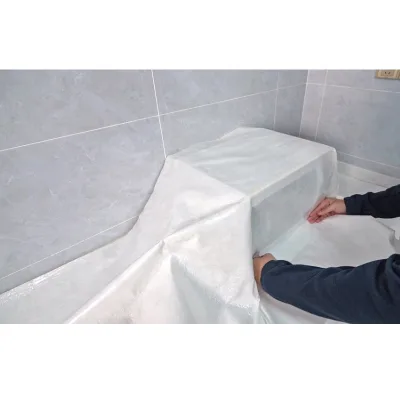
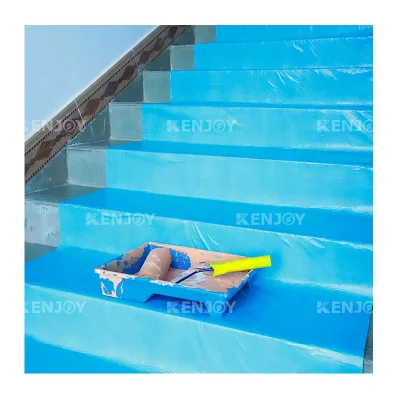


Comprehensive Sourcing Guide
Self Adhesive Waterproof Floor Mats Supplier Concentration and Factory Types
Current data indicates a concentration of suppliers in China Jiangsu, China Shandong, and China Hebei, with specific product evidence pointing to origins in Qingdao, Shandong. These regions host a mix of combined company types, trading companies, and manufacturers capable of producing floor protection materials. In Jiangsu, suppliers often focus on nonwoven fabrics and felt products, while Shandong-based entities frequently list PVC tarpaulins and floor protection films as core offerings. Hebei suppliers appear to specialize in rubber-based safety mats and industrial flooring solutions. This geographic distribution suggests that buyers can find specialized manufacturers for different material compositions, such as PVC, polyester, or natural rubber, within these specific provinces.
The supplier landscape includes entities offering both OEM and ODM capabilities, allowing for significant customization of product specifications. Some manufacturers provide their own brands, such as Orientflex, while others operate strictly as trading companies or combined entities that bridge production and sales. The presence of BV and SGS verification badges on certain suppliers indicates a baseline of third-party assessment, though this is not universal across all results. Buyers should note that main products vary widely, ranging from self-adhesive felt rolls to heavy-duty composite mats, which implies that a single supplier may not cover the entire spectrum of floor protection needs. Identifying the specific factory type is crucial for determining whether a supplier can handle custom engineering or simply resell standard inventory.
How to Verify Self Adhesive Waterproof Floor Mats Suppliers
Verification processes should prioritize checking for recognized badges like BV or SGS, which appear in the current supplier data as indicators of third-party validation. Buyers must confirm that these verification statuses are current and directly linked to the specific entity offering the floor mats, rather than a generic company profile. The presence of system certifications such as ISO 9001, ISO 14001, or BSCI provides additional evidence of quality management and environmental compliance, particularly for suppliers in Shandong and Hebei. However, not every supplier displays these credentials, so the absence of a badge does not automatically disqualify a vendor but requires deeper due diligence. Buyers should request current certificates and cross-reference them with the issuing body to ensure authenticity before proceeding with any order.
Response time and lead time data serve as practical metrics for assessing supplier reliability and operational efficiency. Current observations show response times ranging from approximately 1.34 hours to over 11 hours, with lead times varying significantly from 15 days to 45 days depending on the supplier and product complexity. A supplier with a rapid response time may indicate a more agile sales team, while shorter lead times suggest robust production capacity or existing inventory. Buyers should verify these figures by initiating direct communication and measuring the actual time taken for a reply, as reported data may not reflect real-time performance. Additionally, checking for sample availability and the ability to customize weight, size, and color can further validate a supplier's operational flexibility and commitment to meeting specific project requirements.
What to Compare Across Self Adhesive Waterproof Floor Mats Suppliers
When evaluating potential partners, buyers must compare minimum order quantities (MOQ) which currently range from 500 units to 3000 units depending on the specific product type and material composition. Some suppliers offer lower entry thresholds for standard items, while others require higher volumes for customized or heavy-duty solutions. Price points also vary, with observed ranges spanning from approximately $1.00 to $15.50 per unit, influenced by material costs, thickness, and customization levels. Buyers should analyze the price-to-MOQ ratio to determine the most cost-effective option for their specific volume needs, ensuring that the unit price aligns with the required quality standards. It is essential to request detailed quotes that break down costs for materials, labor, and packaging to avoid hidden fees later in the process.
Material composition and functional attributes are critical comparison points, as products range from PVC-based waterproof mats to polyester felt with LDPE coatings or natural rubber sheets. Suppliers may offer different certifications, such as ISOCustomized or specific standard compliance, which affect the suitability of the product for various applications like construction sites or interior decoration. Buyers should compare the listed functions, such as anti-slip, thermal insulation, or waterproofing, against their project requirements to ensure the selected mat provides adequate protection. Additionally, the availability of customization services for color, logo, and packaging should be weighed, as some suppliers offer extensive options while others are limited to standard configurations. This detailed comparison ensures the selected supplier can meet both technical and aesthetic demands.
Common Self Adhesive Waterproof Floor Mats Sourcing Risks
One significant risk involves the discrepancy between advertised lead times and actual delivery schedules, as current data shows lead times ranging from 15 to 45 days. Suppliers may quote shorter durations to secure orders but fail to meet them due to production bottlenecks or raw material shortages. Buyers should mitigate this by including penalty clauses in contracts and maintaining regular communication throughout the production cycle. Another risk is the variability in product quality, particularly regarding material consistency and adhesive strength. While some products are described as having specific hardness levels or waterproof properties, the actual performance may differ if the manufacturing process is not strictly controlled. Requesting pre-shipment samples and conducting third-party inspections can help verify that the delivered goods match the agreed-upon specifications.
Customization requests introduce additional complexity and potential for error, as not all suppliers offer the same level of flexibility. Some vendors may claim to provide custom colors, logos, or dimensions but lack the necessary machinery or expertise to execute these changes accurately. This can lead to delays or substandard products that do not meet the buyer's requirements. Furthermore, the reliance on third-party verification badges like BV or SGS does not guarantee that every product batch will meet the same standards. Buyers must ensure that the specific product being ordered is covered by the supplier's certifications and that the customization process is clearly documented. Failure to address these risks can result in financial loss, project delays, and compromised site safety.
Self Adhesive Waterproof Floor Mats Regional Sourcing and Logistics
Sourcing from China Jiangsu, China Shandong, and China Hebei offers distinct logistical advantages and challenges depending on the specific port of origin. Suppliers in Qingdao, Shandong, often benefit from proximity to major shipping hubs, potentially reducing transit times and freight costs for international buyers. However, buyers must verify the exact origin of the goods, as some listings may indicate a general region while the actual factory is located elsewhere. Logistics planning should account for the varying lead times and the need for consolidated shipping if sourcing from multiple suppliers in different provinces. Understanding the specific port of loading is essential for accurate freight cost estimation and delivery scheduling.
Packaging and shipping methods also vary by region and supplier, with options including shrinking polybags, woven bags, cartons, and pallets. Some suppliers offer container loading services, which can be more cost-effective for large orders, while others may rely on less consolidated methods. Buyers should confirm the packaging standards to ensure the floor mats arrive without damage, especially given the sensitive nature of adhesive surfaces. Additionally, the availability of sample shipping and the associated costs should be factored into the overall logistics plan. Clear communication regarding packaging requirements and shipping instructions is vital to prevent misunderstandings and ensure that the products are delivered in optimal condition for immediate use on construction sites or renovation projects.
Self Adhesive Waterproof Floor Mats Commercial Terms and Order Planning
Commercial terms regarding payment and escrow services are critical for securing transactions, though specific escrow availability varies by supplier. Buyers should prioritize suppliers who offer secure payment methods that protect both parties until the goods are verified. The presence of established certifications and verification badges can provide some assurance of financial stability, but direct negotiation of payment terms is often necessary. Buyers must clarify whether deposits are required upfront and what percentage is standard for custom orders. Understanding the refund policy and dispute resolution mechanisms is equally important to mitigate financial risks associated with non-delivery or quality issues.
Order planning must account for the diverse range of MOQs and lead times observed across the supplier base. With MOQs ranging from 500 to 3000 units and lead times spanning 15 to 45 days, buyers need to align their production schedules and inventory needs accordingly. Early planning is essential to accommodate potential delays and ensure that the floor mats are available when needed for construction or renovation projects. Buyers should also consider the customization lead time, as requests for specific colors, logos, or dimensions may extend the overall production timeline. Developing a comprehensive order plan that includes buffer time for logistics and quality checks will help streamline the procurement process and minimize disruptions to the project timeline.
FAQs
What is the typical lead time for Self Adhesive Waterproof Floor Mats?
Manufacturers in China generally require 15 to 45 days for production. Specific timelines depend on order volume and customization needs. Some suppliers offer faster delivery within 30 days for standard items. Buyers should confirm exact schedules with the supplier before placing orders to avoid delays.
What certifications are available for floor protection mats?
Suppliers often provide ISO 9001, ISO 14001, and BSCI certifications. Some products carry ISO standards for quality management. Verification services like BV and SGS also validate supplier reliability. Buyers should request specific certificates to ensure compliance with international safety and environmental standards for their projects.
What materials are used in self adhesive floor protection mats?
Common materials include PVC, polyester, and natural rubber. Some mats feature LDPE film coatings for waterproofing. Others use felt or woven fabric for durability. The choice depends on whether the application requires anti-slip properties, thermal insulation, or heavy-duty protection for construction sites.
What is the minimum order quantity for these mats?
MOQs typically range from 500 to 3000 units. Some suppliers require 1000 units for standard rolls. Lower quantities may be available for samples or custom orders. Buyers should check specific product listings to determine the exact MOQ, as it varies by material and customization requirements.
Can these mats be customized for specific projects?
Yes, most suppliers offer customization for size, color, weight, and logo. Options include blue, green, or custom colors. Buyers can request specific packaging or branding. Customization is widely available for both OEM and ODM needs, allowing tailored solutions for different flooring protection requirements.
Where are these floor protection mats manufactured?
Manufacturers are primarily located in China, specifically in Jiangsu, Shandong, and Hebei provinces. These regions specialize in textile and rubber production. Buyers can source from combined trading companies or direct factories. Location impacts shipping costs and lead times, so verifying the origin is essential for logistics planning.