Source anti-theft structured leather purses for travel, work, and daily use
Explore 30 verified listings for anti-theft structured leather purses featuring waterproof materials and RFID protection. Buyers can compare specifications like model numbers, weights, and customization options from manufacturers in China to find the right supplier.
Key considerations
Products List


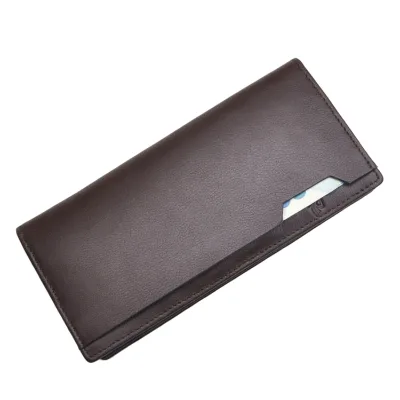
Fashionable Underarm Bag - Compact Shoulder Purses with Zipper Closure
$13.49 - $14.68
MOQ: 100 Pieces


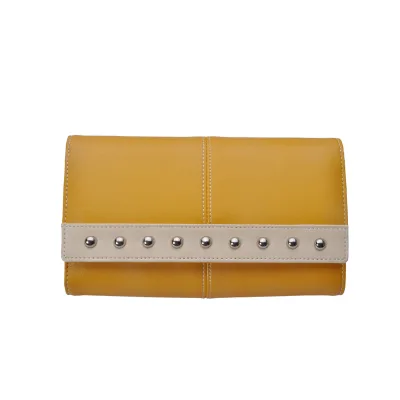
Buckle Elegant Women's Purse with Distinctive Hardware and Strap Design
$0.20 - $0.25
MOQ: 1000 Pieces



Comprehensive Sourcing Guide
Strategic Sourcing Guide for Anti-Theft Structured Leather Purses
The global market for anti-theft structured leather purses represents a convergence of traditional craftsmanship and modern security engineering. For B2B procurement professionals, sourcing these items requires a nuanced understanding of material integrity, structural design, and supply chain reliability. Unlike casual fashion accessories, these products must balance aesthetic appeal with robust security features, such as RFID blocking and reinforced closures, while maintaining the tactile quality expected of genuine leather. This guide outlines the critical dimensions of sourcing these items, drawing on observed market data and technical specifications to inform strategic decision-making.
Technical Specifications and Material Integrity
The foundation of a high-quality anti-theft purse lies in its material composition and structural hardiness. Market observations indicate a diverse range of materials, from genuine leather to polyurethane (PU) and polyester blends. When sourcing genuine leather variants, buyers must verify the specific grade and tanning process, as these directly influence durability and the "medium soft" or "partial hard" feel often observed in structured designs. The hardness attribute is critical; a purse intended for anti-theft purposes often requires a "partial hard" or structured body to prevent slash-and-grab attacks, while maintaining a "medium soft" flexibility for user comfort.
Technical specifications vary significantly across product models. For instance, observed data includes specific dimensions such as 12x9cm for wallet-style items and larger measurements like 10.6" x 7.2" x 1.8" for handbags. The "Short" wallet length specification contrasts with full-sized purse dimensions, necessitating clear definition of the target product category. Furthermore, the internal construction often utilizes polyester lining, which offers durability and resistance to wear. The "Casting" and "Handmade" technics observed in the market suggest that some manufacturers rely on traditional molding or assembly methods, while others may use automated processes. Buyers should explicitly request detailed construction diagrams to ensure that the "structured" aspect of the design is not merely cosmetic but provides genuine physical resistance.
Security Features and Functional Design
The core value proposition of an anti-theft purse is its ability to protect contents from digital and physical theft. Key functional attributes observed in the market include RFID blocking capabilities, which are essential for protecting credit cards and passports from unauthorized scanning. The presence of an "RFID" feature is a primary differentiator in this category. Additionally, closure mechanisms play a pivotal role; specifications list "Zipper" and "Cover" types as standard. A high-quality anti-theft purse should feature a zipper with a locking mechanism or a cover that is difficult to manipulate quickly.
Other functional elements include "Removable Strap" options, which offer versatility in carrying styles while allowing the user to secure the bag more tightly against the body. The "Stitching Bag" fashion element is not merely decorative; in high-end anti-theft designs, double or triple stitching reinforces stress points where thieves might attempt to cut or pry the bag open. The "Trendy Design" and "Candy Color" attributes indicate that security does not have to compromise style, but buyers must ensure that aesthetic choices do not weaken the structural integrity. For example, a "Simplicity" style purse may rely on fewer seams, requiring higher quality materials to maintain security, whereas a "Leisure" style might incorporate more complex stitching patterns that add to the structural strength.
Compliance, Certification, and Standards Verification
In the B2B sector, compliance is non-negotiable, yet specific certification data is often absent from general product listings. Buyers must verify that the "prod_standard" aligns with international safety and quality benchmarks. While some listings mention standards like "12*9cm" or "as request," these are dimensional or custom specifications rather than formal safety certifications. Buyers should not assume that a product labeled "Genuine Leather" or "Waterproof" automatically meets all regulatory requirements for the destination market.
The "Waterproof" attribute is a significant functional claim that requires verification through independent testing. Leather, by nature, is porous; achieving true waterproofing often involves specific chemical treatments or laminations that must be validated. Similarly, the "Customization" and "Customized" attributes suggest that buyers can request specific compliance modifications, such as adding specific RFID frequencies or altering material compositions to meet local regulations. It is imperative to request test reports for materials, particularly regarding the "Inside Material" (Polyester) and the outer shell, to ensure they do not contain hazardous substances. The "Manufacturer" location, often cited as "Hebei, China" or "Guangdong, China," provides context for the supply chain but does not guarantee compliance; buyers must conduct their own due diligence on the specific factory's audit status.
Cost Drivers and Pricing Dynamics
Understanding the cost structure of anti-theft structured leather purses is essential for budgeting and margin analysis. The observed price range of $0.2 to $59.9 USD reflects a vast disparity in quality, materials, and production complexity. The lower end of the spectrum likely corresponds to PU leather, mass-produced items with minimal security features, and high-volume manufacturing. In contrast, the higher end of the range typically involves genuine leather, handcrafted details, and advanced security integrations like RFID blocking and reinforced zippers.
Several factors drive these costs. The "Material" is the primary driver; genuine leather is significantly more expensive than PU or polyester blends. The "Technics" also play a role; "Handmade" items command a premium due to labor intensity, whereas "Casting" or automated processes reduce unit costs. The "Weight" of the product, ranging from 0.5kg to 13.76 ounces, impacts shipping costs, which are a critical component of the landed cost. Additionally, the "Sample Time" of "Within 10 Days" and the "MOQ" range of 1 to 1000 units influence the financial strategy. Small MOQs allow for lower risk but higher per-unit costs, while large orders reduce the unit price but require significant capital outlay. Buyers must balance the "Design" complexity, such as "Stitching Bag" elements, against the budget to achieve the desired value proposition.
Supplier Evaluation and Operational Capabilities
Selecting the right supplier requires a rigorous evaluation of their operational capabilities and track record. The "Place of Origin" is a key indicator, with "Hebei, China" and "Guangdong, China" being prominent hubs for leather goods. Guangdong, in particular, is known for its advanced manufacturing infrastructure and experience with export standards. However, the specific "Manufacturer" name, such as "Geyang," should be verified for its reputation and capacity.
Buyers should assess the supplier's ability to handle "Customization" requests, as many anti-theft purses require tailored security features. The "prod_packing" specifications, such as "Each Piece Per Polybag and Export Carton" or "PE Bag+Carton," indicate the supplier's attention to detail in logistics and protection during transit. A supplier that offers "OEM/ODM" services demonstrates flexibility in branding and design, which is crucial for private label buyers. The "Sample Time" of "Within 10 Days" is a benchmark for responsiveness; suppliers who cannot meet this timeline may struggle with larger order lead times. Additionally, the "Season" attribute of "All" suggests that these products are not seasonal, allowing for year-round procurement, which simplifies inventory management.
Quality Control and Long-Term Procurement Strategy
Implementing a robust quality control (QC) protocol is essential to mitigate the risks associated with sourcing from international markets. Given the "Hardness" variations from "Medium Soft" to "Partial Hard," buyers must define clear acceptance criteria for the structural integrity of the purse. QC checks should focus on the "Closure Type" functionality, ensuring that zippers and covers operate smoothly and securely. The "Waterproof" claim must be tested under controlled conditions to verify its efficacy.
For long-term procurement, establishing a partnership with a supplier who offers consistent "Customization" and reliable "Sample Time" is vital. The "Single Package Size" of 13x10x2.Cm and the "Selling Units" of "Single Item" suggest that the packaging is optimized for retail display, which reduces the need for secondary packaging. Buyers should also consider the "Application" of the product, which is listed as "Daily." This implies that the purse must withstand frequent use, necessitating high-quality materials and construction. Regular audits of the manufacturing facility, particularly in regions like "Hebei" and "Guangdong," will help ensure that the "Genuine Leather" and "RFID" features remain consistent over time.
Comparative Analysis of Product Attributes
To facilitate decision-making, the following table summarizes key attributes observed in the market for anti-theft structured leather purses. This comparison highlights the diversity in specifications and helps buyers identify the specific requirements for their procurement strategy.
| Attribute Category | Observed Variations | Procurement Consideration |
|---|---|---|
| Material | Genuine Leather, PU, Polyester (Inside) | Verify leather grade and lining durability; PU is cost-effective but less premium. |
| Hardness | Medium Soft, Partial Hard | "Partial Hard" preferred for anti-theft structure; "Medium Soft" for comfort. |
| Security | RFID, Zipper, Cover, Stitching | Confirm RFID frequency blocking; inspect zipper locking mechanisms. |
| Dimensions | 12x9cm, 10.6" x 7.2" x 1.8", 13x10x2.Cm | Match dimensions to target market preferences (wallet vs. handbag). |
| Origin | Hebei, China; Guangdong, China | Guangdong often offers higher tech integration; Hebei may offer cost advantages. |
| MOQ | 1 to 1000 Units | Negotiate based on volume; lower MOQs for testing, higher for cost efficiency. |
| Customization | Available, Customized | Leverage for branding and specific security feature integration. |
| Packing | Polybag+Carton, PE Bag+Carton | Ensure export-ready packaging to prevent damage during transit. |
Conclusion
Sourcing anti-theft structured leather purses requires a meticulous approach that balances aesthetic design with rigorous security standards. By focusing on material integrity, verifying security features like RFID and waterproofing, and evaluating supplier capabilities in regions like Guangdong and Hebei, buyers can build a resilient supply chain. The wide range of observed specifications, from "Medium Soft" to "Partial Hard" and "Genuine Leather" to "PU," offers flexibility but demands precise definition of requirements. Ultimately, success in this category depends on clear communication of technical needs, rigorous quality control, and a strategic understanding of the cost drivers that influence the final product. Buyers must remain vigilant in their verification processes to ensure that the "Trendy Design" and "Simplicity" of the product do not come at the expense of the essential anti-theft functionality that defines this market segment.
FAQs
What materials are used for anti-theft structured leather purses?
Materials include genuine leather, PU, and polyester linings. Buyers should verify the specific grade and tanning process to ensure durability and the desired hardness level for security.
How can I verify the waterproof claim of a leather purse?
Waterproofing requires specific chemical treatments or laminations that must be validated through independent testing. Do not assume the claim is valid without requesting test reports for the outer shell.
Which security features are essential for anti-theft purses?
Essential features include RFID blocking, secure zipper or cover closures, and reinforced stitching. These elements protect contents from digital scanning and physical attacks while maintaining structural integrity.
Can suppliers customize the specifications of these purses?
Yes, customization is available for dimensions, materials, and security features. Buyers can request specific model numbers like 60985 or 58190-25 to match their exact product requirements.
What is the typical sample time for these products?
The sample time is typically within 10 days. This benchmark indicates supplier responsiveness, though larger order lead times may vary based on production capacity and customization complexity.
Where are the manufacturers of these purses located?
Manufacturers are primarily located in Hebei and Guangdong, China. These regions offer different advantages, with Guangdong known for advanced infrastructure and Hebei often providing cost-effective solutions.
How does the hardness level affect the purse design?
Hardness ranges from medium soft to partial hard. Partial hard structures are preferred for anti-theft resistance, while medium soft options offer greater user comfort and flexibility.