Source Anti-Tumor Organic Germanium for health care, cosmetics, and industrial use
Find 30 listings for Anti-Tumor Organic Germanium suitable for health care products, cosmetic additives, and industrial applications. Buyers can compare purity levels, packaging options, and certifications like FDA and ISO directly from verified suppliers.
Key considerations
Products List


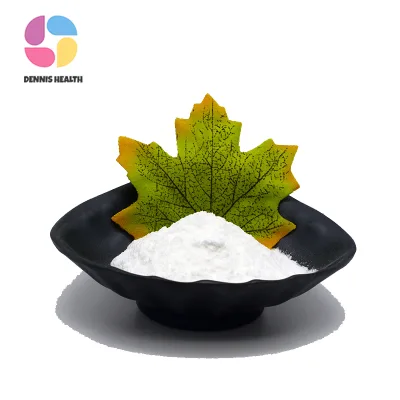


Factory Fast Sample Low Price Top Grade CAS 12758-40-6 Powder Bulk Organic Germanium
$1000.00 - $1600.00
MOQ: 1 kilograms
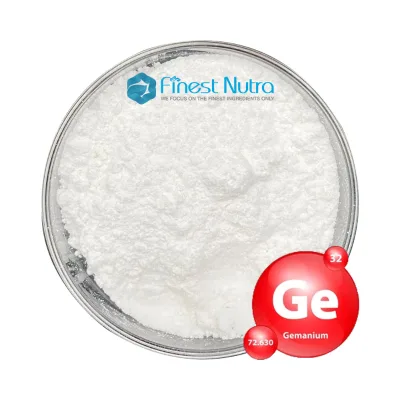


Comprehensive Sourcing Guide
Strategic Sourcing Guide for Anti-Tumor Organic Germanium
Understanding the Product Profile and Technical Specifications
When sourcing organic germanium, specifically the Ge-132 variant often associated with anti-tumor research and health applications, buyers must first establish a precise understanding of the physical and chemical profile. The product is fundamentally classified as a non-alloy material, typically appearing as a white crystalline or white powder. This visual consistency is critical for initial quality verification upon receipt. The molecular weight of the substance is recorded at 339.37, a specific identifier that distinguishes it from other germanium compounds. The material is derived from natural resources, often categorized under agricultural and sideline products in its raw form, which influences its processing and purity expectations.
The chemical stability of organic germanium is defined by several key parameters. The melting point is observed at 320°C, indicating the thermal limits for processing or storage in high-temperature environments. The substance exhibits a specific gravity of 1.280 and a density of up to 1.28 g/m³, factors that are essential for calculating shipping weights and storage volume requirements. Solubility characteristics are notable; the product is slightly soluble in water, which dictates the formulation methods for downstream applications in health care or cosmetic products. The acidity coefficient (pKa) is recorded at 3.6 at 25°C, a value that buyers should verify against their specific formulation pH requirements. While the product is often marketed with high purity claims, observed data suggests purity levels can range from >99% to >99.99%, depending on the specific grade and supplier processing capabilities.
Regulatory Compliance and Certification Verification
In the B2B procurement of organic germanium, regulatory compliance is not merely a formality but a fundamental safety requirement. The product market often references certifications such as MSDS (Material Safety Data Sheet) and FDA compliance, which are critical for international trade and consumer safety. Buyers must explicitly verify the presence of these documents before finalizing any transaction. Additionally, ISO certification is frequently cited as a standard for manufacturing quality management, ensuring that the production facility adheres to recognized international protocols.
For products intended for health care or cosmetic applications, the presence of a Certificate of Analysis (COA) is mandatory. The COA serves as the primary evidence of the product's identity, strength, quality, and purity. It should confirm the assay method used, with High-Performance Liquid Chromatography (HPLC) being a standard technique for verifying the concentration of the active ingredient. Buyers should also look for USP (United States Pharmacopeia) standards if the product is destined for pharmaceutical-grade applications. It is important to note that while some listings may claim "100% natural" or "100% purity," these are observations that require independent verification through third-party testing. The absence of secondary materials is a key attribute, ensuring the product is non-secondary and derived directly from the primary organic source.
Cost Drivers and Pricing Dynamics
The pricing structure for organic germanium powder is influenced by a complex interplay of factors, including purity levels, packaging specifications, and order volume. The observed market price range spans from $1 to $3,600, a wide variance that reflects differences in product grade, quantity, and supplier positioning. High-purity grades, such as those exceeding 99.99%, typically command a premium over standard industrial grades. The Minimum Order Quantity (MOQ) also plays a significant role in cost efficiency, with observed ranges between 1 unit and 100 units. Smaller orders, such as those in the 100g to 1kg range, often carry a higher unit cost due to the overhead of specialized packaging and handling.
Packaging is a major cost driver. The product is available in various configurations, including 100g foil bags, 1kg foil bags, 10kg cartons, and 25kg drums. The choice of packaging affects both the unit price and the logistics cost. For instance, aluminum foil bags provide superior protection against moisture and light, which is essential given the product's storage requirements, but they add to the material cost. Conversely, bulk drum packaging reduces the per-unit packaging cost but requires specific handling equipment and storage conditions. Buyers should also consider the transportation method; liquefied petroleum gas tankers are sometimes referenced for bulk transport, though standard freight is more common for smaller quantities. The origin of the product, primarily from China and specifically the Shaanxi region, influences logistics costs and lead times, which are integral components of the total landed cost.
Typical Applications and Market Segmentation
Organic germanium Ge-132 is a versatile material with applications spanning multiple industrial and consumer sectors. Its primary application is in the health care industry, where it is utilized for its purported biological properties. The product is suitable for adults and is often formulated into health care products, dietary supplements, and functional foods. In the cosmetic sector, it serves as a functional additive, potentially enhancing the efficacy of skincare formulations. The industrial application is also significant, where the material may be used in specialized manufacturing processes requiring high-purity germanium compounds.
The versatility of the product is further evidenced by its customization capabilities. Suppliers often offer tailored solutions to meet specific client needs, whether in terms of particle size, purity, or packaging format. The "natural" resource classification makes it attractive for brands marketing organic or natural health products. However, buyers must be cautious when making performance claims. While the product is associated with anti-tumor properties in research contexts, procurement guides should treat these as potential applications rather than guaranteed medical outcomes. The product's appearance as a white powder makes it easy to integrate into various formulations, but its slight water solubility requires careful formulation to ensure stability and bioavailability.
Supplier Evaluation and Quality Control Protocols
Selecting a reliable supplier for organic germanium requires a rigorous evaluation process. Buyers should prioritize suppliers who can provide comprehensive documentation, including MSDS, COA, and ISO certification. The ability to customize the product is a strong indicator of a supplier's technical capability and flexibility. When evaluating suppliers, buyers should verify the origin of the raw materials, ensuring they are sourced from agricultural and sideline products as claimed. The production model, such as NY056 or GE-132, should be consistent with the buyer's specifications.
Quality control is paramount in this sector. Buyers must implement a robust QC protocol that includes verifying the purity, melting point, and density of the incoming shipment. The assay method, typically HPLC, should be used to confirm the concentration of the active ingredient. It is essential to test for the absence of secondary materials and to ensure the product meets the stated purity standards, which can range from >99% to >99.99%. Storage conditions are also a critical quality control factor; the product must be kept in a cool, dry, and dark location in a tightly sealed container to maintain its integrity. The shelf life is typically two years, but this can vary based on storage conditions, so buyers should verify the expiration date on the packaging.
Long-Term Procurement Considerations and Logistics
Sourcing organic germanium is not a one-time transaction but a long-term strategic partnership. Buyers should consider the stability of the supply chain, including the supplier's ability to maintain consistent quality over time. The lead time and production capacity are critical factors; while specific lead times are not universally standardized, buyers should negotiate clear timelines to avoid production delays. The packaging options, ranging from small foil bags to large drums, should align with the buyer's inventory management strategy and storage capabilities.
Logistics and transportation are also key considerations. The product's specific gravity and density affect shipping costs, and the choice of transport method can impact the safety and integrity of the shipment. Buyers should ensure that the supplier has experience in handling hazardous or sensitive materials, as indicated by the requirement for MSDS documentation. The origin of the product, primarily from China, may involve complex import regulations and customs procedures. Buyers should be prepared to navigate these regulatory hurdles and ensure that all necessary documentation is in place to facilitate smooth customs clearance.
Comparison of Packaging and Specification Standards
To assist buyers in making informed decisions, the following table compares common packaging and specification standards observed in the market for organic germanium. This comparison highlights the variability in product offerings and helps buyers align their procurement strategy with their specific needs.
| Feature | Standard Industrial Grade | High-Purity Health Grade | Customized/Pharma Grade |
|---|---|---|---|
| Purity Level | >99% | >99.99% | >99% (Verified by COA) |
| Packaging | 25kg Drum | 100g/1kg Foil Bag | Customized (e.g., 1kg/5kg) |
| Certification | ISO | FDA, MSDS, COA | USP, ISO, Customized |
| Application | Industrial | Health Care, Cosmetic | Pharmaceutical, Research |
| Origin | China (General) | Shaanxi, China | Verified Origin Required |
| Shelf Life | 2 Years | 2 Years | 2 Years (Storage Dependent) |
| Assay Method | Standard | HPLC | HPLC (Third-Party Verified) |
This table underscores the importance of matching the product specification to the intended application. While industrial grades may suffice for non-consumer uses, health care and cosmetic applications demand higher purity and stricter certification standards. Buyers should use this framework to evaluate potential suppliers and ensure that the product they procure meets their specific quality and regulatory requirements. By focusing on these critical parameters, buyers can mitigate risks and secure a reliable supply of high-quality organic germanium for their operations.
FAQs
What certifications are required for Anti-Tumor Organic Germanium?
Required certifications include MSDS, FDA, ISO, and COA documents. Buyers must verify these for safety and quality, especially for health care applications where HPLC assay methods confirm purity levels above 99%.
How is Anti-Tumor Organic Germanium typically packaged for shipment?
Packaging options range from 100g foil bags to 25kg drums. Aluminum foil bags protect against moisture, while drums suit bulk industrial needs, ensuring the product remains stable during transport.
Which purity levels are available for Anti-Tumor Organic Germanium?
Available purity levels range from greater than 99% to greater than 99.99%. Higher grades often command premium pricing and are verified through third-party testing to ensure non-secondary material status.
Can Anti-Tumor Organic Germanium be customized for specific needs?
Yes, customization is available for specifications like particle size or packaging. Suppliers offer tailored solutions to meet specific client requirements for health care or cosmetic additive applications.
How should Anti-Tumor Organic Germanium be stored to maintain quality?
Store in a cool, dry, dark location within a tightly sealed container. This prevents degradation, as the product has a shelf life of two years under proper conditions.
What is the origin of most Anti-Tumor Organic Germanium products?
Most products originate from China, specifically the Shaanxi region. This location influences logistics costs and lead times, with raw materials often sourced from agricultural and sideline products.