Source Anti-UV 4-Way Stretch Equestrian Shirt for Riding, Training, and Events
Compare 30 listings for the anti-uv 4-way stretch equestrian shirt from verified suppliers in China. Buyers can evaluate features like embroidery, custom designs, and fabric properties to find the best match for their needs.
Key considerations
Products List


Autumn Women's Horse Riding Clothing Tops Anti-UV Long Sleeve Equestrian Shirts
$8.99 - $10.99
MOQ: 100 Pieces


Fleece-Lined Long Sleeve Equestrian Shirt with Thumbholes for Horse Riding
$17.00 - $19.00
MOQ: 100 Pieces


Lightweight Sleeveless Riding Shirt for Equestrian Horse Riding Shirts Training Summer Vest
$12.00 - $14.00
MOQ: 100 Pieces


Breathable Perforated Long Sleeve Show Shirt for Equestrian Competitions Ladies
$12.50 - $16.00
MOQ: 100 Pieces


Women's Equestrian Show Shirt - Lace Long Sleeve, Breathable Stretch Stand Collar
$6.00 - $7.00
MOQ: 1000 Pieces


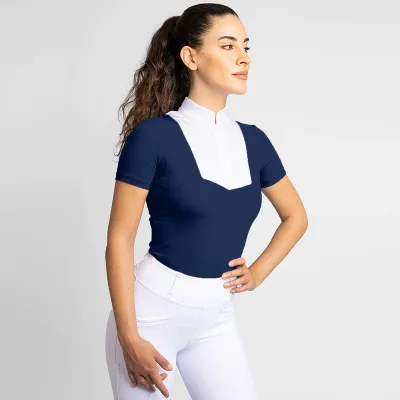
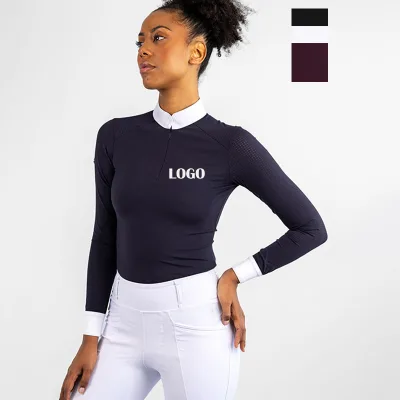
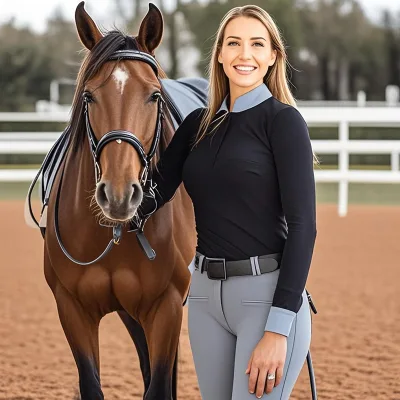
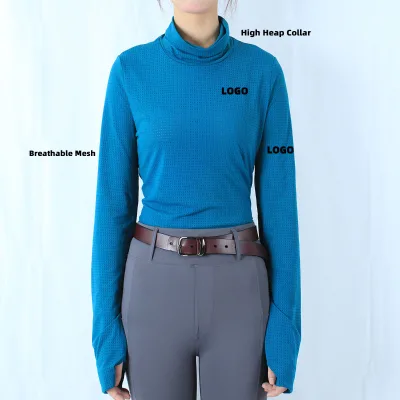
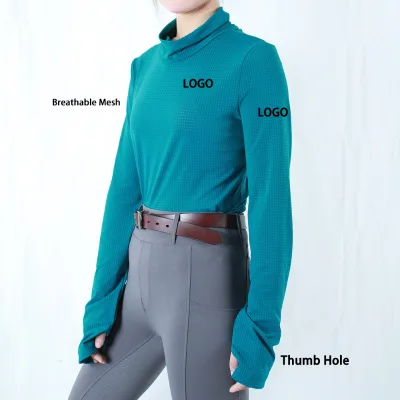


Stretch Breathable Short Sleeve Competition Show Shirt for Horse Riding
$7.50 - $10.50
MOQ: 100 Pieces
Comprehensive Sourcing Guide
Strategic Sourcing Guide for Anti-UV 4-Way Stretch Equestrian Shirts
Sourcing specialized equestrian apparel requires a nuanced understanding of the intersection between performance fabric technology and rigorous safety standards. The core keyword "anti-uv 4-way stretch equestrian shirt" points to a specific category of functional wear designed to protect riders from solar exposure while allowing unrestricted movement during riding. While the market offers a wide array of options, the procurement process must be grounded in verified product attributes rather than marketing generalities. Buyers must navigate a landscape where fabric composition, technical construction, and supplier capabilities vary significantly. This guide outlines the essential steps for evaluating potential suppliers and ensuring the final product meets the demanding requirements of equestrian sports.
Technical Specifications and Fabric Composition
The foundation of a high-performance equestrian shirt lies in its material composition and technical construction. When evaluating potential suppliers, the primary focus must be on the fabric's ability to provide four-way stretch, which is critical for the dynamic range of motion required in riding. The fabric must stretch horizontally and vertically to accommodate the rider's posture changes without restricting blood flow or causing discomfort. Additionally, the anti-UV property is a non-negotiable feature for outdoor riding, necessitating a fabric that either inherently blocks ultraviolet radiation or has been treated with a durable coating that withstands repeated washing.
In the context of available product data, specific attributes such as "100% Ramie" and "Anti-UV" have been observed in certain listings. However, buyers must exercise caution when equating these specific observations with the general category of 4-way stretch equestrian shirts. Ramie is a natural fiber known for breathability and strength, but its stretch characteristics differ from synthetic blends often used for high-performance stretch. A supplier claiming to offer "4-way stretch" must provide concrete evidence of the fabric's elasticity, typically measured in percentage elongation. The presence of features like "Quick Dry" and "Breathable" in product specifications further supports the suitability of the garment for active use, but these must be verified against the specific needs of the equestrian rider.
Furthermore, the construction techniques play a vital role in the garment's durability and fit. Specifications such as "Four Needle Six Thread" and "Flatlock Seaming" are indicative of high-quality stitching that reduces chafing and increases seam strength. These are particularly important for equestrian wear, where friction from the saddle and repetitive arm movements can quickly degrade standard stitching. Buyers should verify that the supplier utilizes these advanced stitching methods to ensure the shirt can withstand the rigors of the sport. The collar style, often noted as "Button Up Collar," and sleeve style, such as "Button Cuffs," are functional design elements that provide sun protection and adjustability, which are essential for riders.
Compliance, Certification, and Safety Standards
Ensuring that the equestrian shirts meet international safety and quality standards is a critical step in the procurement process. While the core keyword implies a focus on performance, the legal and safety implications of selling apparel in major markets like the USA, EU, and Australia cannot be overlooked. Buyers must verify that the supplier holds valid certifications that attest to the safety and quality of their products. In the provided data, "SGS" is listed as a certification, which is a globally recognized inspection, verification, testing, and certification company. However, the presence of an SGS certification for one product does not automatically guarantee that all products from that supplier meet the specific requirements for equestrian wear.
Buyers should request specific test reports related to UV protection factors (UPF), colorfastness, and fabric strength. The "Anti-UV" claim must be backed by laboratory test results that demonstrate the fabric's ability to block harmful rays. Similarly, the "Anti-Bacterial" feature, if claimed, requires verification through standardized testing protocols. It is essential to understand that certifications like SGS are often product-specific or batch-specific, rather than blanket approvals for an entire supplier's catalog. Therefore, procurement teams must ensure that the specific model of the equestrian shirt being ordered has undergone the necessary testing.
Additionally, compliance with regional regulations is paramount. For instance, products destined for the EU must comply with REACH regulations regarding chemical substances, while those for the USA may need to adhere to specific labeling and safety standards. The "Main Markets" data indicating USA, EU, and Australia suggests that the supplier has experience with these regions, but buyers must confirm that the specific equestrian shirts are compliant with the latest standards in their target market. The "customized" nature of the product standard mentioned in the data implies that suppliers may offer tailored compliance solutions, but this requires clear communication and written agreements to ensure that the final product meets all legal requirements.
Cost Drivers and Pricing Structures
Understanding the cost drivers for anti-UV 4-way stretch equestrian shirts is essential for budgeting and negotiating effectively. The price of these garments is influenced by several factors, including the complexity of the fabric technology, the quality of the stitching, and the level of customization required. The observed price range of 0.5 to 25 USD indicates a wide spectrum of product tiers, from basic promotional items to high-performance technical wear. Buyers must align their budget with the specific performance requirements of their brand.
The "Small MOQ" and "Small MOQ 100PCS" attributes suggest that suppliers are flexible with order quantities, which can impact the unit cost. Lower order quantities typically result in higher per-unit prices due to the fixed costs of setup and production. Conversely, larger orders may benefit from economies of scale, reducing the cost per unit. However, the "Customized" and "Custom Design" options introduce additional variables. Customization, such as unique patterns, logos, or specific fabric blends, often incurs extra charges for design services, sample creation, and setup fees. The "Free Design" service mentioned in the data can be a significant cost saver, but buyers should clarify the scope of this service to avoid hidden costs later in the process.
Other cost drivers include the "Printing Method" and "Packing" options. Techniques like "Screen Printing," "Sublimation," and "Embroider" have different cost structures depending on the complexity and volume. Similarly, packaging choices, ranging from "OPP Bag" to "Boxes" or "Custom Package," affect the overall cost. Buyers should request a detailed breakdown of costs to understand how each element contributes to the final price. This transparency allows for informed decision-making and helps in negotiating better terms with suppliers.
Typical Applications and Market Segmentation
The application of anti-UV 4-way stretch equestrian shirts extends beyond mere riding; it encompasses a broader range of equestrian activities and market segments. These garments are designed for various disciplines, including dressage, show jumping, eventing, and casual trail riding. The "Holiday" and "Summer" attributes in the product data highlight the seasonal nature of the demand, with peak sales occurring during warmer months when sun protection is most critical. However, the versatility of the fabric allows for year-round use in indoor arenas or cooler climates.
The target audience for these shirts includes both professional riders and recreational enthusiasts. The "Age Group: Adults" and "Children to Adults" specifications indicate that suppliers cater to a wide demographic, from young riders to experienced competitors. The "Style: Padded" and "Model: Loose" attributes suggest that comfort and fit are prioritized, which is essential for long hours in the saddle. Additionally, the "Type: Holiday" classification implies that these shirts may also be marketed as casual wear for equestrian-themed events or leisure activities.
Understanding the specific needs of each market segment is crucial for product development and marketing. Professional riders may prioritize high-performance features like advanced UV protection and durability, while recreational riders might focus on style and comfort. The "Customized" nature of the product allows suppliers to tailor offerings to these diverse needs, creating a competitive advantage for buyers who can effectively segment their market.
Supplier Evaluation and Quality Control
Evaluating potential suppliers requires a comprehensive approach that goes beyond surface-level attributes. Buyers should assess the supplier's production capabilities, quality control processes, and ability to meet customization requests. The "Sample Service: Provide Customized Sample" attribute is a strong indicator of a supplier's willingness to collaborate and ensure product quality before mass production. Requesting samples allows buyers to physically inspect the fabric, stitching, and overall construction, verifying claims about stretch, UV protection, and comfort.
Quality control is another critical factor. The "Four Needle Six Thread" and "Flatlock Seaming" specifications suggest a commitment to high-quality construction, but buyers must verify that these standards are consistently applied across all production batches. Implementing a robust quality control plan, including pre-production, in-line, and final inspections, is essential to minimize defects and ensure customer satisfaction. The "SGS" certification mentioned earlier can be a valuable tool in this regard, as it indicates that the supplier has undergone third-party verification.
Furthermore, the supplier's location and logistics capabilities should be considered. The "prod_origin: China" and "Dongguan China" details highlight the geographical concentration of equestrian apparel manufacturing. While this offers access to a vast network of suppliers, buyers must also consider lead times, shipping costs, and potential supply chain disruptions. The "MOQ" ranges of 10 to 1000 units provide flexibility, but buyers should negotiate lead times that align with their inventory planning and market demands.
Long-Term Procurement Considerations
Sourcing anti-UV 4-way stretch equestrian shirts is not just a one-time transaction but a long-term partnership that requires strategic planning. Buyers should focus on building relationships with suppliers who demonstrate reliability, flexibility, and a commitment to continuous improvement. The "Customized" and "Custom Design" capabilities of suppliers can be leveraged to create unique products that differentiate the buyer's brand in a competitive market. However, this requires clear communication and well-defined specifications to avoid misunderstandings and ensure consistent quality.
Sustainability is another emerging consideration in the equestrian apparel market. While the provided data does not explicitly mention eco-friendly materials, buyers should inquire about the supplier's sustainability practices, such as the use of recycled fibers or environmentally friendly dyeing processes. The "Breathable" and "Quick Dry" features are often associated with sustainable fabric technologies, and buyers can explore these options to meet the growing demand for eco-conscious products.
Finally, buyers should plan for scalability and adaptability. The "Small MOQ" and "Customized" options allow for testing new designs and markets with lower risk, but as demand grows, the ability to scale production without compromising quality becomes crucial. Establishing a long-term procurement strategy that includes regular performance reviews, feedback loops, and continuous improvement initiatives will ensure that the buyer remains competitive and responsive to market changes. By focusing on these long-term considerations, buyers can build a resilient supply chain that supports the growth and success of their equestrian apparel business.
FAQs
Can I customize the anti-uv 4-way stretch equestrian shirt design?
Yes, customization is available for this product line. Suppliers offer custom designs, logos, and specific fabric blends to meet unique brand requirements while maintaining performance standards.
What certifications do these equestrian shirts typically hold?
Products often carry SGS certification to verify quality and safety standards. Buyers should request specific test reports for UV protection and fabric strength to ensure compliance with international regulations.
How does the MOQ affect pricing for these shirts?
Small MOQs starting at 100 pieces are available, which may increase unit costs compared to larger orders. Higher volumes typically benefit from economies of scale, reducing the price per unit significantly.
Which stitching techniques ensure durability for equestrian use?
Four Needle Six Thread and Flatlock Seaming are used to reduce chafing and increase seam strength. These techniques are essential for withstanding the friction and repetitive movements inherent in riding sports.
What are the main markets for these equestrian apparel items?
The primary markets include the USA, EU, and Australia. Suppliers with experience in these regions can help ensure products meet specific regional safety and labeling regulations.
Can I get a customized sample before placing a bulk order?
Yes, suppliers provide customized sample services to verify quality and fit. This step allows buyers to inspect fabric stretch, UV protection, and construction before committing to mass production.