Source Anti-Uv Blinds And Curtains Set For Hotel, Home, And Cafe
Find and compare anti-uv blinds and curtains set options from 30 verified listings. Evaluate features like manual or electric operation, custom sizing, and insulation properties for hotel, hospital, and home applications.
Key considerations
Products List


Blackout Day and Night Zebra Blinds Shades Fabric
$1.99 - $3.99
MOQ: 1 Square Meters
Shouguang Runchen Environmental Protection Technology Co., Ltd.

Blinds Blackout Roller Blinds Sunshade Blinds
$11.99 - $13.99
MOQ: 1 Square Meters
Shouguang Runchen Environmental Protection Technology Co., Ltd.

Double Layer Day and Night Zebra Blinds Shades
$1.99 - $3.99
MOQ: 1 Square Meters
Shouguang Runchen Environmental Protection Technology Co., Ltd.

Roller Curtain Blinds Blackout Roller Blinds
$11.99 - $13.99
MOQ: 1 Square Meters
Shouguang Runchen Environmental Protection Technology Co., Ltd.

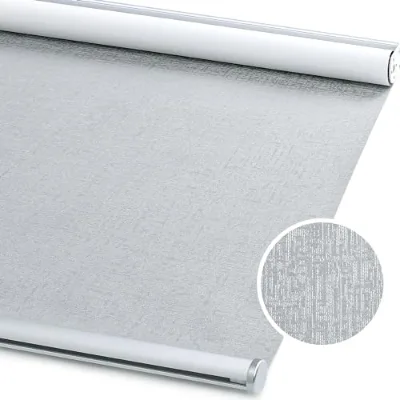


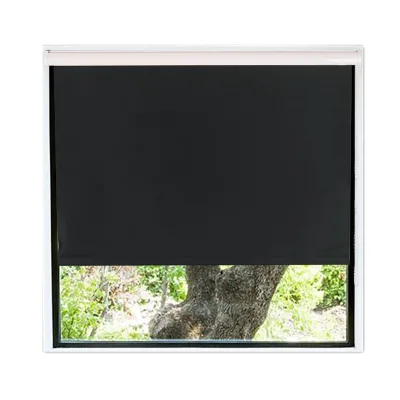
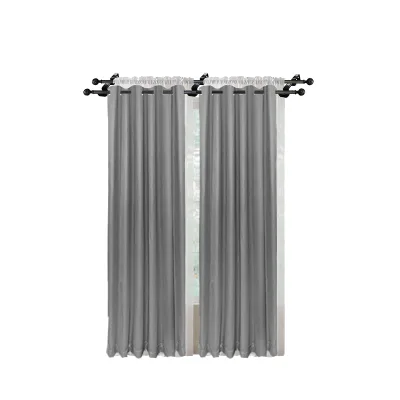


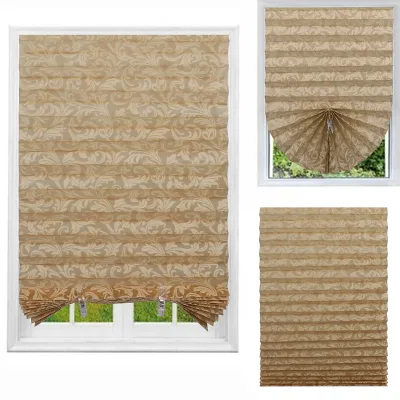
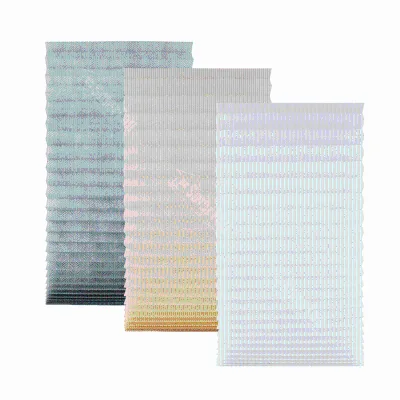


Pleated Sunshade Blinds Sunshade Blinds Window Covering Blackout Window Shades
$6.00 - $10.00
MOQ: 100 Square Meters

Comprehensive Sourcing Guide
Anti-Uv Blinds And Curtains Set Sourcing Guide
Sourcing anti-UV blinds and curtains sets requires a nuanced understanding of how window treatments interact with light, heat, and interior design aesthetics. These products serve as critical components in building envelope management, offering protection against solar radiation while enhancing privacy and energy efficiency. Buyers must distinguish between passive shading solutions and active smart systems, as the procurement strategy differs significantly based on the desired level of automation and control. The market offers a wide array of options, from traditional manual roller shades to complex honeycomb structures, each presenting unique installation and maintenance considerations.
The decision to procure a set rather than individual components often hinges on project scale and consistency requirements. For hospitality, healthcare, and residential developments, standardized sets ensure uniform appearance and simplified inventory management. However, the term "set" can be ambiguous in B2B contexts, sometimes referring to a bundle of hardware and fabric or a complete window covering system including mounting brackets and control mechanisms. Procurement teams must clarify whether the quote includes all necessary accessories for immediate installation or if these are sourced separately to reduce initial capital expenditure.
Product Scope and Observed Listing Signals
Current market listings reveal a diverse range of product types, including roller shades, honeycomb blinds, and zebra blinds, often categorized under modern or printed styles. Observations indicate that white is a predominant color option, suggesting a preference for neutral aesthetics that blend with various interior decors. The structural design is frequently horizontal, aligning with standard window orientations, while the opening and closing methods vary between manual operation and upper-lower biparting mechanisms. This variety allows buyers to select solutions that match specific functional needs, such as light filtering versus complete blackout requirements.
Customization is a widely available attribute, enabling buyers to tailor dimensions, patterns, and materials to specific project specifications. Listings show that widths can be requested as custom sizes, accommodating unique window geometries like oriel windows, which require specialized fitting solutions. The origin of these products is predominantly China, with specific manufacturing hubs identified in regions like Shandong. Buyers should note that while customization is available, it may impact lead times and minimum order quantities, necessitating early engagement with suppliers to align production schedules with project deadlines.
Technical Specifications to Verify
Verifying technical specifications is paramount to ensuring that the selected blinds and curtains meet functional and aesthetic requirements. Key attributes to confirm include the opening type, which can be manual or electric, and the control mechanisms, ranging from wall switches and remote controls to smartphone app integration for smart systems. The power source for electric options is often battery-operated, which simplifies installation by eliminating the need for hardwiring but requires consideration of battery replacement cycles. Buyers must also verify the mount type, such as outside mount, to ensure proper fit and light blockage.
Material and dimensional specifications vary significantly across product models, with some listings providing exact dimensions like 160x20x20 cm or 80x165 cm, while others offer custom sizing. The width of the product is often specified as "as requested" or "as customized," highlighting the importance of precise measurement during the procurement phase. Additionally, the style of the product, whether plain dyed, printed, or hand-painted, affects both the visual appeal and the maintenance requirements. Buyers should request detailed specification sheets that outline fabric composition, UV resistance ratings, and durability metrics to make informed decisions.
Compliance and Safety Documentation
Compliance with international standards is essential for ensuring the safety and quality of anti-UV blinds and curtains sets. Certifications such as ISO9001, SGS, and Greenguard are commonly cited, indicating adherence to quality management systems and environmental safety standards. These certifications provide assurance that the manufacturing processes are consistent and that the products meet specific regulatory requirements for indoor use. Buyers should verify the validity of these certifications and request copies of the certificates to confirm that the supplier maintains active compliance.
In addition to product certifications, buyers must consider regional safety standards, particularly regarding fire resistance and chemical emissions. While specific test results are not always listed, it is crucial to inquire about compliance with local building codes and health regulations. For applications in hospitals and hotels, additional documentation may be required to demonstrate that the materials are hypoallergenic and easy to clean. Procurement teams should establish clear requirements for safety documentation early in the sourcing process to avoid delays during the approval phase.
Cost Drivers and Commercial Terms
The cost of anti-UV blinds and curtains sets is influenced by several factors, including the level of customization, the complexity of the control system, and the quantity ordered. Observed price ranges vary widely, from low-cost basic options to premium smart systems, reflecting the diversity of product features and quality levels. Minimum order quantities (MOQ) also play a significant role in pricing, with some suppliers offering no MOQ for standard items, while others require larger orders for customized products. Buyers should negotiate terms that balance cost efficiency with the flexibility to adjust orders based on project needs.
Packaging and logistics are additional cost drivers that should be carefully evaluated. Products are typically packed in carton boxes or individual packages, with dimensions and weights affecting shipping costs. Buyers should clarify whether the quoted price includes packaging materials and whether custom packaging is available for branding purposes. Payment terms, lead times, and warranty conditions are also critical commercial considerations that impact the total cost of ownership. Establishing clear agreements on these terms helps mitigate risks associated with supply chain disruptions and quality issues.
Supplier Qualification and Quality Control
Supplier qualification is a critical step in the procurement process, ensuring that the chosen partner can deliver products that meet quality and delivery expectations. Buyers should assess the supplier’s manufacturing capabilities, including their production capacity, quality control processes, and experience in exporting to target markets. Requesting samples is an effective way to evaluate product quality, allowing buyers to inspect the material, finish, and functionality before committing to a large order. Suppliers with a proven track record of delivering consistent quality are preferable, as they reduce the risk of defects and delays.
Quality control measures should be integrated into the procurement strategy to ensure that products meet specified standards. This may include pre-shipment inspections, third-party testing, and regular audits of the supplier’s facilities. Buyers should define clear acceptance criteria for product quality, including tolerances for dimensions, color consistency, and operational performance. Establishing a robust quality control framework helps identify and address issues early, minimizing the impact on project timelines and customer satisfaction.
Long-Term Procurement Checks
Long-term procurement success depends on establishing ongoing relationships with suppliers and continuously monitoring product performance. Buyers should implement a system for tracking supplier performance, including metrics such as on-time delivery, product quality, and responsiveness to issues. Regular communication with suppliers helps maintain alignment on project requirements and allows for proactive management of potential challenges. Building a strong partnership with reliable suppliers can lead to better pricing, priority service, and access to new product innovations.
Additionally, buyers should stay informed about market trends and technological advancements in window treatments to ensure that their procurement strategies remain competitive. This includes monitoring changes in consumer preferences, regulatory requirements, and sustainability standards. By maintaining a forward-looking approach, procurement teams can adapt to evolving market conditions and continue to deliver value to their organizations. Regular reviews of procurement processes and supplier contracts help identify opportunities for improvement and ensure that the sourcing strategy supports long-term business goals.
FAQs
What customization options are available for these blinds?
Customization is available for these roller shades and honeycomb blinds. Buyers can request specific widths, patterns like hand-painted or plain, and styles such as modern or printed to match their interior design needs.
Which certifications do the manufacturers hold for these products?
The products hold ISO9001 certification, and some listings also include SGS and Greenguard certifications. These standards ensure quality management and safety compliance for applications in hotels, hospitals, and homes.
How are the window blinds packed for shipping?
Packaging options include carton boxes, individual packages, or custom-made designs for zebra blinds. The specific packing method depends on the product model and the buyer's customization requirements.
Can these blinds be operated manually or electrically?
Yes, the blinds support both manual and electric opening and closing methods. Electric options may include wall switches, smartphone apps, or remote controls powered by batteries for enhanced convenience.
What are the standard dimensions for these window treatments?
Standard sizes vary by model, with options like 80x165cm, 118 or 120 inches width, and custom dimensions as requested. Some specific models have fixed standards like 160x20x20 cm or 1770x390x450 mm.
Where are these anti-uv blinds and curtains manufactured?
The products originate from China, with specific manufacturing locations noted in Shandong. This origin applies to the various models including roller shutters, zebra blinds, and blackout curtains.