Source Anti-Uv Color Coated Roof Sheet for Housing, Factory, Warehouse
Find 30 anti-uv color coated roof sheet options from China suppliers. Compare specifications including thickness, width, and coating materials like polyethylene or PVDF for housing, factory, and warehouse applications.
Key considerations
Products List


0.4mm-0.8mm Color Coated Roofing Sheet Prepainted Steel Roof Sheet
$3.50 - $6.50
MOQ: 1000 Square Meters


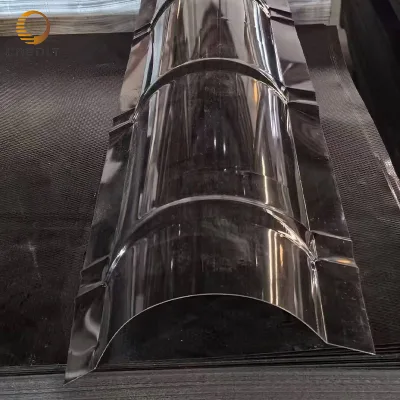
UV Resistant Color Coated Corrugated Sheet 0.4mm-0.7mm for Tropical Climate
$541.00 - $601.00
MOQ: 10 tons


Comprehensive Sourcing Guide
Anti-Uv Color Coated Roof Sheet Sourcing Guide
Sourcing anti-UV color coated roof sheets requires a disciplined approach to verifying material composition, coating durability, and structural integrity. These products are engineered to withstand environmental degradation while providing aesthetic flexibility for architectural projects. Buyers must navigate a market where terminology often overlaps between steel substrates, synthetic resin panels, and galvanized variants. Understanding the specific technical attributes listed by suppliers is critical to ensuring the selected product meets the intended lifespan and performance requirements of the installation site.
The procurement process involves evaluating multiple layers of protection, from the base metal to the final topcoat. Observed listings indicate a wide range of specifications, including cold-rolled and hot-rolled techniques, various coating materials such as polyethylene and polyvinylidene fluoride, and diverse width configurations. This guide provides a structured framework for buyers to assess these variables, ensuring that the final selection aligns with project specifications, budget constraints, and long-term maintenance expectations without relying on unverified marketing claims.
Product Scope and Observed Listing Signals
The market for color coated roof sheets encompasses a broad spectrum of materials and manufacturing techniques, primarily centered in regions like Shandong, China. Listings frequently highlight products made from cold-rolled steel, galvanized steel, or galvalume substrates, which serve as the foundational layer for the coating system. These base materials are often treated with surface processes such as galvanization or specific coatings to enhance corrosion resistance. Buyers should note that while some listings describe the product as a "steel plate" or "roofing sheet," the actual form factor is often a pre-cut or customizable width panel, such as the T940 or T840 models, designed for specific roofing profiles.
A significant portion of the observed inventory features synthetic resin materials or metal substrates with specialized surface treatments. The coatings applied to these sheets vary widely, including polyethylene, HDP, and polyvinylidene fluoride, each offering different levels of UV resistance and color retention. The visual finish is further customized through options like RAL colors, printed designs, filmed surfaces, or matte textures. Buyers must carefully distinguish between the base material and the coating system, as the longevity of the anti-UV performance is directly tied to the quality and thickness of the top painting layer, which can range from 10 to 35 microns in observed specifications.
Technical Specifications to Verify
Verifying the thickness and width of the roof sheet is a primary technical requirement that impacts both structural performance and material cost. Observed data indicates thickness options ranging from 0.4mm to 3.0mm, with specific models like T940 and T880 offering customized lengths to suit project dimensions. The width is a critical variable, with common observed widths including 840mm, 900mm, 940mm, and 1040mm. Buyers must confirm whether the listed width is the effective coverage width or the total material width, as this distinction affects the number of sheets required and the overlap specifications during installation.
The coating system’s durability is defined by the layering of top and back paints, as well as the specific material used. High-performance listings often specify a top painting thickness of 10 to 35 microns and a back painting thickness of 5 to 35 microns, which contributes to the claimed color lasting period of 15 to 20 years. Additionally, the base material may be cold-rolled or galvanized, and the surface treatment might include oiling or remaining non-oiled. Buyers should request detailed cross-section analysis or coating breakdowns to ensure that the anti-UV properties are not compromised by insufficient topcoat thickness or inferior resin quality.
Compliance and Safety Documentation
Compliance with international and regional standards is essential for ensuring the quality and safety of color coated roof sheets. Suppliers often cite adherence to standards such as AISI, ASTM, BS, DIN, GB, and JIS, which govern the mechanical properties and chemical composition of the steel substrate. Certifications like IBR, ISO, and RoHS may also be present, indicating compliance with specific industrial regulations and environmental safety requirements. Buyers should verify that the cited standards are relevant to their local building codes and that the certification documents are current and issued by recognized bodies.
Safety and environmental considerations extend to the materials used in the coating process. The presence of RoHS certification suggests that the product limits hazardous substances, which is crucial for projects with strict environmental mandates. Furthermore, the claim of a 50-year lifetime and 15-20 years of color lasting requires supporting evidence, such as accelerated weathering test results or third-party durability reports. Buyers should not rely solely on marketing claims for longevity but should request test data that validates the anti-UV performance and corrosion resistance under simulated environmental conditions.
Cost Drivers and Commercial Terms
The cost of anti-UV color coated roof sheets is influenced by several factors, including the base material type, coating thickness, and customization requirements. Prices observed in the market range significantly, from approximately $2.50 to $1300 per unit, reflecting the diversity in product specifications and order volumes. The minimum order quantity (MOQ) can vary from 1 to 100,000 units, allowing for flexibility in procurement but potentially affecting unit pricing. Buyers should consider the total landed cost, including packaging, which may involve standard export packaging, PE bags, or pallets, depending on the supplier’s logistics capabilities.
Commercial terms such as lead time and payment conditions are critical components of the procurement strategy. Typical lead times are reported as 10 days after receiving prepayment, but this can vary based on the complexity of customization and current production capacity. Buyers should negotiate clear terms regarding the production schedule, quality inspection rights, and shipping responsibilities. It is also important to clarify whether the quoted price includes the cost of specific color matches or custom widths, as these customizations may incur additional charges or extend the lead time.
Supplier Qualification and Quality Control
Evaluating supplier qualification involves assessing their manufacturing capabilities, quality control processes, and ability to meet custom requirements. Suppliers often highlight their ability to provide custom-made products and support testing, which are key indicators of their commitment to quality. Buyers should verify the supplier’s production facilities, specifically their ability to handle cold-rolled and hot-rolled techniques, as well as their proficiency in applying various coating materials. The presence of stock items may indicate a supplier’s capacity for quick delivery, while custom-made options suggest flexibility for specialized projects.
Quality control measures should include rigorous testing of the coating adhesion, color consistency, and corrosion resistance. Buyers should request samples for preliminary evaluation and specify the testing protocols that will be used for bulk orders. The supplier’s ability to provide detailed product specifications, including model numbers like T940 or T840, and adherence to requested standards is a strong indicator of their professionalism. Additionally, buyers should inquire about the supplier’s experience in exporting to their target market and their track record in handling quality disputes or warranty claims.
Long-Term Procurement Checks
Long-term procurement success depends on establishing a reliable supply chain that can consistently deliver high-quality products. Buyers should conduct periodic audits of their suppliers to ensure that production processes remain consistent and that quality control measures are strictly enforced. Monitoring the supplier’s ability to meet lead times and handle custom orders efficiently is crucial for maintaining project schedules. Building a relationship with a supplier that offers comprehensive support, including technical assistance and after-sales service, can mitigate risks associated with material failures or installation issues.
Continuous evaluation of market trends and technological advancements in coating materials is also important for long-term procurement strategies. As new anti-UV technologies emerge, buyers should stay informed about potential upgrades to their roofing specifications. Regularly reviewing the performance of installed sheets and comparing them against the supplier’s claims can provide valuable feedback for future orders. By maintaining a disciplined approach to supplier qualification and quality verification, buyers can ensure that their roofing investments deliver the expected durability and aesthetic appeal over the long term.
FAQs
What certifications do the steel plates hold?
The steel plates hold IBR, ISO, and RoHS certifications. These standards ensure the products meet international quality and safety requirements for various industrial applications like boiler plates and ship plates.
Can I request custom dimensions for the roof sheets?
Yes, customization is available for the roof sheets. You can specify the length and width according to your project needs, with standard widths like 940mm or 840mm and thicknesses ranging from 0.4mm to 3.0mm.
How long is the lead time for orders?
The lead time is typically 10 days after receiving the prepayment. This applies to standard orders, though specific custom requirements may influence the exact delivery schedule based on factory capacity.
What materials are used for the base steel?
The base material consists of cold rolled steel, galvanized steel, or galvalume. These substrates provide the necessary strength and corrosion resistance required for durable roofing applications in various environments.
Which surface treatments are applied to the sheets?
The sheets undergo surface treatments such as coating or galvanizing. Specific coatings include polyethylene, HDP, PVDF, and SMP, with top painting thickness ranging from 10 to 35 microns for enhanced durability.
What is the expected lifespan of the color coating?
The color coating is designed to last between 15 to 20 years. The overall product life time can reach up to 50 years, ensuring long-term performance for housing and industrial structures.
Where are these steel products manufactured?
These products originate from Shandong, China. The manufacturing facilities in this region produce various steel types including hot rolled and cold rolled sheets for global export and domestic use.