Find anti-vibration wind turbine slip rings for wind farms, offshore platforms, and industrial turbines
Source 30 anti-vibration wind turbine slip rings with customizable channels, IP54 to IP68 protection, and up to 120 million operational rounds. Compare specifications including working speeds, circuit counts, and dimensions from verified Chinese manufacturers.
Key considerations
Products List


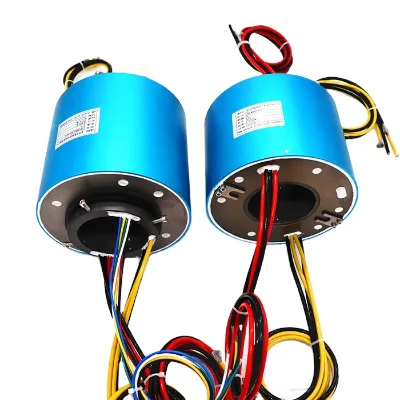
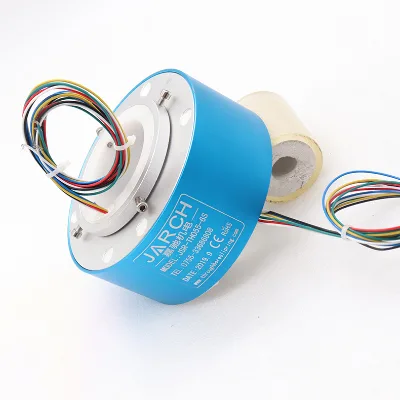

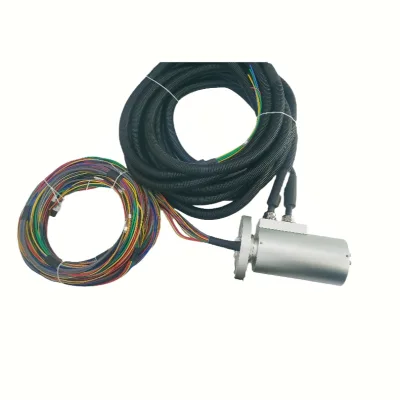
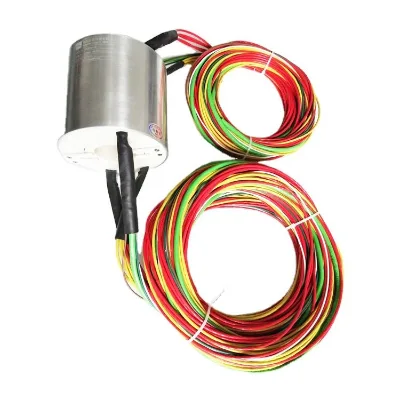


Comprehensive Sourcing Guide
Anti-Vibration Wind Turbine Slip Rings Sourcing Guide
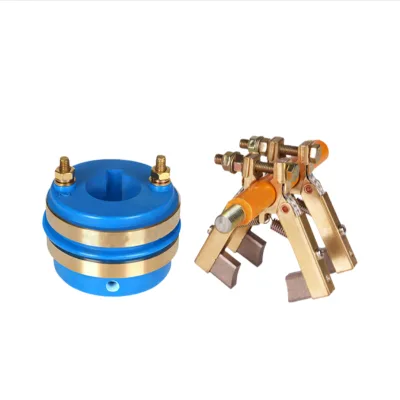
Sourcing high-reliability rotary electrical connections for wind energy applications requires a rigorous understanding of both mechanical durability and electrical continuity under extreme environmental stress. Wind turbine slip rings serve as the critical interface between the stationary nacelle and the rotating hub, ensuring uninterrupted power and signal transmission to pitch, yaw, and generator systems. For anti-vibration variants, the primary engineering challenge lies in maintaining stable contact resistance despite the constant mechanical shocks, torsional loads, and variable rotational speeds inherent in turbine operation. Procurement teams must prioritize components that demonstrate verified resistance to fretting corrosion and mechanical wear, as failure in these units can lead to costly downtime and significant safety risks.
The procurement landscape for these specialized components is characterized by a mix of standardized industrial offerings and highly customized solutions tailored to specific turbine models. Buyers often encounter a wide range of product models, such as the BTHW, BTH1256, and BTC032 series, each designed with distinct dimensional and circuit configurations. Understanding the specific operational parameters of your turbine, including maximum working speed and required circuit count, is essential before engaging with suppliers. This guide provides a structured approach to evaluating these products, focusing on technical verification, compliance, and long-term reliability to ensure that the selected slip rings meet the demanding lifecycle requirements of wind energy infrastructure.
Product Scope and Observed Listing Signals
The market for wind turbine slip rings presents a diverse array of specifications, with observed price points ranging from approximately $6.50 to $9,999 USD, reflecting the vast difference between simple signal rings and complex, multi-circuit power transmission units. The minimum order quantities (MOQ) typically span from 1 to 20 units, indicating that suppliers are accustomed to serving both prototype development and small-batch maintenance needs. Buyers should note that while some listings offer low entry barriers, the complexity of anti-vibration designs often necessitates higher MOQs for cost-effective production, making it crucial to clarify volume pricing structures early in the inquiry process.
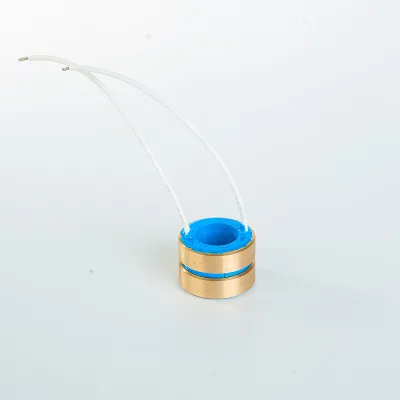
Product attributes vary significantly across listings, with many suppliers offering customization options to meet specific dimensional and functional requirements. Common specifications include inner diameters (ID) ranging from 12mm to 35mm and outer diameters (OD) extending up to 117mm, with lengths tailored to fit specific nacelle constraints. The contacting materials are predominantly gold or silver, chosen for their superior conductivity and resistance to oxidation, while connection methods include fly wires, pins, or metal connectors. Buyers must carefully match these physical attributes to their turbine’s mounting requirements, ensuring that the selected slip ring’s dimensions, such as the ID 12mm/OD 56mm configuration seen in the BTH1256 model, align precisely with the available space in the hub assembly.
Technical Specifications to Verify
Electrical performance is the cornerstone of slip ring reliability, with insulation resistance typically required to be at least 1000 Mohm to prevent leakage currents that could interfere with sensitive control signals. Electrical noise, a critical metric for signal integrity, should be verified to be minimal, with observed values as low as 0.007 ohm or less than 7 milliohms for high-quality units. Buyers must ensure that the slip ring can handle the required current per ring, with some models supporting up to 15A, and confirm that the number of circuits, ranging from 2 to 120, matches the turbine’s power and data transmission needs. Verifying these electrical parameters against the turbine’s schematic is essential to avoid signal degradation or thermal overload during operation.
Mechanical and environmental durability is equally critical for anti-vibration applications, where the slip ring must withstand harsh operating conditions. The working speed of the slip ring should be compatible with the turbine’s rotational dynamics, with observed specifications ranging from 100rpm to 1000rpm. Environmental protection ratings, such as IP54, IP56, or IP68, indicate the level of protection against dust and water ingress, which is vital for units exposed to the elements. Additionally, the operating temperature range, typically spanning from -40°C to +100°C, must be confirmed to ensure the materials do not degrade in extreme cold or heat. Buyers should also inquire about anti-vibration certifications or defense standards, as these indicate that the unit has been tested for resilience against mechanical shock and vibration.
Compliance and Safety Documentation
Certification is a non-negotiable aspect of procurement for wind turbine components, with CE, RoHS, and ISO certifications being the most commonly observed standards in the market. These certifications ensure that the slip rings meet European safety, environmental, and quality management requirements, which are often mandatory for international projects. Buyers should request valid certification documents from suppliers to verify that the products comply with relevant regulations, particularly RoHS, which restricts the use of hazardous substances in electrical and electronic equipment. Ensuring compliance with these standards not only facilitates customs clearance but also demonstrates a commitment to environmental responsibility and worker safety.
In addition to product-specific certifications, buyers should verify that the supplier adheres to recognized quality management systems, such as ISO9001, which indicates a consistent approach to quality control throughout the manufacturing process. While some listings mention IEC 60529 as a standard for ingress protection, buyers should treat this as a reference point rather than a guaranteed attribute, and instead request specific test reports or certificates that confirm the IP rating of the delivered units. It is also advisable to confirm that the supplier follows international standards for electrical safety and performance, ensuring that the slip rings are suitable for use in critical infrastructure applications where failure is not an option.
Cost Drivers and Commercial Terms
The total cost of ownership for slip rings is influenced by several factors, including the complexity of the design, the number of circuits, and the materials used. High-performance units with gold-to-gold contacts, anti-vibration features, and custom dimensions will naturally command higher prices than standard off-the-shelf models. Buyers should also consider the lead time, which is typically around two weeks for standard items, but may be extended for customized orders. Understanding the lead time is crucial for project planning, as delays in slip ring delivery can halt the entire turbine assembly or maintenance schedule.
Commercial terms such as shipping methods and warranty coverage also play a significant role in the procurement decision. Suppliers often offer shipping via DHL, UPS, FedEx, or by sea, depending on the urgency and size of the order. A one-year quality guarantee is commonly provided, which offers some protection against early failures, but buyers should negotiate for extended warranty periods if possible, especially for high-value installations. Additionally, the packaging method, typically bubble wrap and carton boxes, should be verified to ensure that the units arrive without damage, as improper packaging can lead to costly replacements and project delays.
Supplier Qualification and Quality Control
Supplier qualification is a critical step in ensuring the reliability of the procured slip rings, with a focus on verifying the supplier’s manufacturing capabilities and quality control processes. Buyers should prioritize suppliers located in established industrial hubs, such as Shenzhen, China, where a robust supply chain and experienced workforce are available. It is essential to request detailed information about the supplier’s production capacity, testing facilities, and quality assurance protocols to ensure that they can consistently deliver high-quality products. Suppliers who offer customization services should also demonstrate their ability to handle complex engineering requirements and provide technical support throughout the procurement process.
Quality control measures should include rigorous testing of the slip rings for electrical performance, mechanical durability, and environmental resistance. Buyers should inquire about the specific tests conducted, such as vibration testing, temperature cycling, and insulation resistance checks, to ensure that the products meet the required standards. Additionally, suppliers should provide documentation of their quality control processes, including inspection reports and test certificates, to verify that each unit meets the specified performance criteria. Establishing a clear communication channel with the supplier for post-delivery support and troubleshooting is also advisable to address any issues that may arise during installation or operation.
Long-Term Procurement Checks
Long-term reliability is a key consideration for wind turbine slip rings, with some suppliers claiming a life span of up to 120,000,000 rounds or a service life of 20 years. While these figures provide an indication of the product’s durability, buyers should verify these claims through independent testing or customer references to ensure their accuracy. The expected lifespan of the slip ring is influenced by factors such as operating conditions, maintenance practices, and the quality of the installation, so it is important to select units that are designed to withstand the specific demands of the application. Buyers should also consider the availability of spare parts and replacement units to minimize downtime in the event of a failure.
Regular maintenance and monitoring are essential for extending the life of slip rings and preventing unexpected failures. Buyers should establish a maintenance schedule that includes regular inspections of the slip rings for signs of wear, corrosion, or electrical issues. It is also advisable to keep a record of the slip ring’s performance data, such as contact resistance and insulation resistance, to identify any trends that may indicate impending failure. By implementing a proactive maintenance strategy and selecting high-quality, durable slip rings, buyers can ensure the long-term reliability and efficiency of their wind turbine operations.
FAQs
What certifications do these slip rings hold?
These slip rings hold CE, RoHS, and ISO certifications. The specific ISO standard may vary, but ISO9001 is confirmed for some models. Buyers should verify the exact certification list for their specific order requirements.
Can the product dimensions be customized?
Yes, the product dimensions are available as per requested specifications. Standard models like BTH1256 have fixed IDs and ODs, but custom requests are accepted to fit unique installation needs for wind turbine applications.
What is the guaranteed life span of the unit?
The guaranteed life span is up to 120,000,000 rounds. Some models also list a life time of 20 years. This durability ensures long-term reliability for continuous operation in demanding wind energy environments.
How fast can the slip ring operate?
Operating speeds vary by model, ranging from 100rpm to 1000rpm. Specific units like the BTH1256 support 1000rpm, while others like BTH3591 operate at 100rpm. Select the speed based on your turbine's rotational requirements.
What is the lead time for delivery?
The standard lead time is 2 weeks for production. This timeframe applies to most custom and standard orders. Buyers should confirm specific delivery schedules with the supplier to ensure alignment with project timelines.
Which protection ratings are available?
Available protection ratings include IP54, IP65, and IP68. Some models specifically offer IP54 or IP56 ratings for water and dust proofing. Choose the rating that matches your environmental exposure conditions.
What is the minimum order quantity?
The minimum order quantity ranges from 1 to 20 units. This flexible MOQ allows buyers to test small batches or order larger quantities for bulk projects. Contact the supplier for specific pricing tiers.
How is the product packed for shipment?
The product is packed in Bubble plus Carton Box. This packaging ensures protection during transit via DHL, UPS, FedEx, or sea freight. The packing method is standard for all listed models to prevent damage.