Source anti-wrinkle eco-friendly cotton work shirt for office, field, and retail
Compare 30 listings of anti-wrinkle eco-friendly cotton work shirt options from verified suppliers. Buyers can review fabric weight, collar styles, and lead times to select the best match for their business needs.
Key considerations
Products List
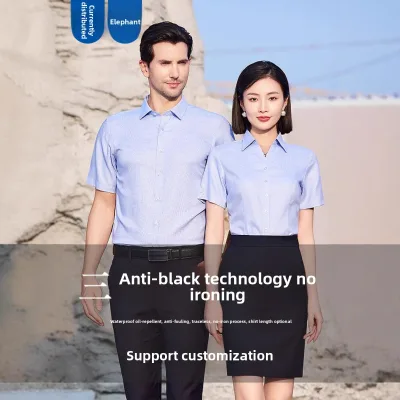
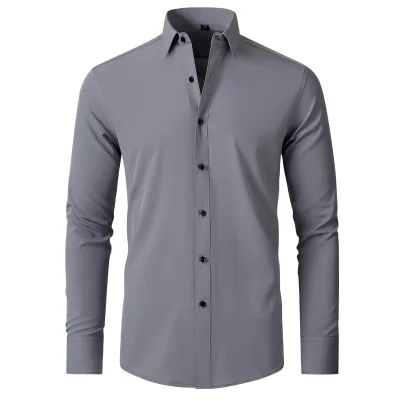
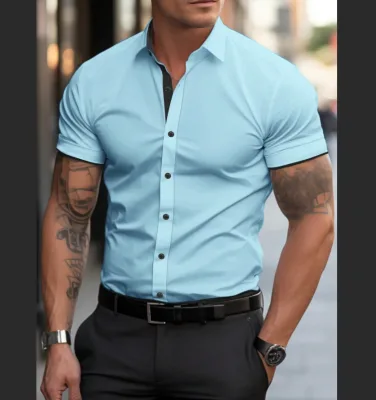
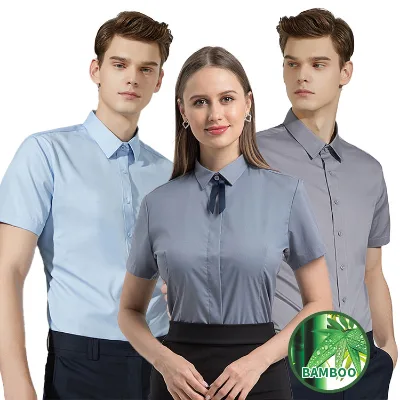


OEM Mens Comfortable Design Safety White Short Sleeves 100% Cotton Work Shirts Factory
$10.00 - $14.00
MOQ: 100 Pieces


Comprehensive Sourcing Guide
Strategic Sourcing Guide for Anti-Wrinkle Eco-Friendly Cotton Work Shirts
Defining Technical Specifications and Material Composition
When sourcing anti-wrinkle eco-friendly cotton work shirts, the primary challenge lies in reconciling the natural properties of cotton with the functional demands of a work environment. The supplied product data indicates a diverse range of material compositions available in the current market. While the core keyword specifies "cotton," the observed inventory includes products made from 100% polyester, cotton, and blends of polyester and cotton. For a buyer specifically seeking an eco-friendly cotton shirt, the verification of the material composition is the first critical step. The data shows that some listings specify "Cotton" or "Polyester / Cotton," while others list "100% polyester."
The anti-wrinkle functionality is a key attribute observed in the product list, appearing alongside other performance features such as anti-pilling, anti-shrink, breathable, and quick-dry capabilities. These attributes are not mutually exclusive but often appear in combination depending on the fabric weave and treatment. The technical specifications provided highlight specific fabric types, including "Broadcloth" and "Twill." Broadcloth is a plain weave fabric known for its smooth surface, which is often treated to resist wrinkling, while Twill, characterized by its diagonal rib pattern, offers durability and a softer drape.
The weaving method is another technical parameter to consider. The data confirms that the shirts are "Woven," which is standard for work shirts requiring structure and longevity. The fabric weight is a crucial metric for comfort and durability; one specific listing notes a fabric weight of 180 grams, which suggests a mid-weight fabric suitable for year-round wear in many climates. Buyers must verify that the specific supplier's cotton blend meets the desired weight and weave density to ensure the garment maintains its shape without excessive wrinkling. The presence of "Plain Dyed" and "Digital printing" techniques in the data suggests that colorfastness and print durability are also part of the technical evaluation, particularly for branded workwear.
Compliance Verification and Certification Checks
The term "eco-friendly" in the context of textile procurement requires rigorous verification, as it is often a marketing term rather than a guaranteed standard. The supplied product facts do not explicitly confirm the presence of specific environmental certifications such as GOTS (Global Organic Textile Standard) or FSC (Forest Stewardship Council) for the listed items. Similarly, while Oeko-Tex is mentioned in the background context, it is not confirmed as a standard applied to the specific products in the provided data. Therefore, buyers must treat "eco-friendly" as a claim that requires direct validation from the supplier rather than an inherent attribute of the listed products.
In the absence of confirmed certification data in the product listings, the procurement strategy must shift to active verification. Buyers should request documentation proving that the cotton used is organic or sustainably sourced. This involves asking for the specific certification numbers and verifying them against the issuing bodies. The data indicates that some products have a "Needle detection: Yes" attribute, which is a critical safety standard for workwear to prevent metal contamination, but this is distinct from environmental compliance.
Furthermore, the origin of the products is listed as "China," with specific places of origin including "Guangdong" and "Anhui." While these regions are major textile hubs, the environmental regulations and practices can vary between factories. A buyer cannot assume that a product from Guangdong or Anhui automatically meets specific eco-friendly standards without proof. The verification process should include a request for the supplier's environmental policy, water usage reports, and chemical management protocols. Since the data does not provide test results or specific compliance scores, the buyer must include these verification steps as a mandatory part of the supplier qualification process before placing any orders.
Cost Drivers and Pricing Dynamics
Understanding the cost structure of anti-wrinkle cotton work shirts is essential for budgeting and negotiation. The observed price range in the market is between 2.4 and 25 USD per unit. This wide variance indicates that price is heavily influenced by material quality, brand, and specific technical features. The lower end of the range likely corresponds to basic cotton blends or polyester-dominant fabrics, while the higher end may reflect 100% cotton, specialized anti-wrinkle treatments, or branded items like those from "YH" or "DDH."
Several factors drive the cost of these garments. The material composition is a primary driver; 100% cotton is generally more expensive than polyester blends, and organic cotton commands a premium over conventional cotton. The anti-wrinkle treatment itself adds to the manufacturing cost, as it requires additional chemical processes or specialized weaving techniques. The data shows that some shirts are "In-Stock Items," which can reduce lead times and potentially lower costs compared to custom-made orders, but availability may fluctuate.
The Minimum Order Quantity (MOQ) is another significant cost driver. The observed MOQ range spans from 2 to 1000 units. Suppliers with lower MOQs, such as those accepting "Small Orders," may charge a higher unit price to cover setup costs for smaller batches. Conversely, suppliers requiring an MOQ of 1000 units might offer more competitive pricing. The "Single gross weight" of the items, ranging from 0.260 kg to 0.300 kg, also impacts shipping costs, which should be factored into the total landed cost. Buyers should calculate the total cost of ownership, including shipping and potential tariffs, rather than focusing solely on the unit price. The data also notes that some suppliers support "7 days sample order lead time," while others do not, which can affect the speed of the procurement cycle and the associated administrative costs.
Typical Applications and Style Considerations
The versatility of anti-wrinkle cotton work shirts makes them suitable for a wide range of professional environments. The product data identifies the target audience as "Adult" and "Men," with styles ranging from "Casual" to "Formal." The specific shirt types listed include "CASUAL SHIRTS" and "DRESS SHIRTS," indicating that the market offers options for both relaxed work settings and more formal corporate environments.
The collar styles observed, such as "Turn-down Collar" and "Square Collar," further define the application. A turn-down collar is versatile and suitable for both casual and semi-formal wear, while a square collar might be preferred for a more structured, formal look. The closure types, including "Single Breasted" and "Single Button," also influence the formality of the garment. For work environments that require a uniform, the "Solid" pattern type is prevalent, though "Print" options are also available. The color options listed, such as white, black, blue, pink, wine red, peacock blue, navy blue, and deep purple, allow for customization to match corporate branding or team identities.
The seasonal suitability is another factor to consider. The data lists "Summer" and "Spring" as the primary seasons for these products. The breathable and quick-dry features observed in the product attributes make these shirts particularly suitable for warmer climates or physically active work environments. The "Short" sleeve length option is available, which is ideal for summer work conditions, while "Full" sleeve options cater to spring or cooler environments. The "Logo position: Front" attribute suggests that these shirts are often customized for corporate identification, making them a practical choice for companies looking to project a professional image.
Supplier Evaluation and Selection Criteria
Selecting the right supplier is critical for ensuring the quality and reliability of anti-wrinkle cotton work shirts. The data reveals that multiple brands are present in the market, including "YH" and "DDH," each with their own model numbers such as "MSCS-0255," "DDH25110," and "A-1024600681." Buyers should evaluate suppliers based on their ability to meet specific technical requirements, such as the anti-wrinkle feature and material composition.
The supply type is a key indicator of a supplier's flexibility. The data shows that some suppliers offer "In-Stock Items," which allows for immediate delivery, while others may require custom production. The "7 days sample order lead time" is a positive attribute for suppliers who can provide quick samples for quality assessment. However, the data also notes that some suppliers do not support this lead time, which could be a bottleneck for urgent orders. Buyers should prioritize suppliers who demonstrate flexibility in lead times and sample availability.
The place of origin, specifically "Guangdong, China" and "Anhui, China," provides insight into the supplier's location and potential logistics advantages. Guangdong is a major textile manufacturing hub with advanced infrastructure, while Anhui may offer different cost structures. Buyers should verify the supplier's production capacity and quality control processes. The presence of "Needle detection: Yes" in some listings indicates a commitment to safety standards, which is a positive sign for supplier reliability. Additionally, the "Small Orders: Accepted" attribute suggests that some suppliers are willing to work with smaller buyers, which can be beneficial for startups or companies with fluctuating demand.
Quality Control and Long-Term Procurement Strategy
Ensuring consistent quality is paramount in long-term procurement. The observed product attributes, such as "Anti-Pilling," "Anti-Shrink," and "Anti-Wrinkle," are claims that must be validated through rigorous quality control. Buyers should implement a sampling protocol that tests these specific features. For instance, washing tests should be conducted to verify the anti-shrink and anti-wrinkle performance, ensuring that the garment maintains its shape and appearance after multiple cycles.
The fabric weight and type are also critical quality indicators. The data specifies a fabric weight of 180 grams for some items, which serves as a benchmark for durability. Buyers should verify that the fabric weight remains consistent across batches to prevent variations in the final product. The "Weaving method: Woven" and "Fabric Type: Broadcloth" or "Twill" should be confirmed to ensure the fabric meets the required strength and texture standards.
For long-term procurement, establishing a relationship with suppliers who can provide consistent quality and reliable lead times is essential. The data shows that some suppliers support sample orders with a 7-day lead time, which is advantageous for maintaining a steady supply chain. Buyers should also consider the "Single package size" and "Single gross weight" for logistics planning, as these factors affect shipping efficiency and costs.
Finally, buyers should maintain open communication with suppliers regarding any changes in material sourcing or production processes. Given the lack of confirmed eco-friendly certifications in the data, ongoing dialogue about sustainability practices is necessary to ensure that the "eco-friendly" claim remains valid. By focusing on these quality control measures and strategic supplier relationships, buyers can secure a reliable supply of high-quality anti-wrinkle cotton work shirts that meet their specific needs.
FAQs
What materials are used for anti-wrinkle work shirts?
Products are made from cotton, polyester, or polyester-cotton blends. Some listings specify 100% polyester while others use cotton or mixed fabrics to achieve the desired anti-wrinkle properties.
Can I find shirts with short sleeve options?
Yes, short sleeve options are available for summer wear. The data confirms sleeve lengths categorized as short or full, allowing selection based on seasonal needs and climate conditions.
Which brands offer these shirts in stock?
Brands like YH and DDH offer models such as MSCS-0255 and DDH25110. These items are listed as in-stock, enabling faster delivery compared to custom production orders.
How much does a single shirt weigh?
Single gross weights range from 0.260 kg to 0.300 kg per unit. This weight variation depends on the specific fabric type, such as broadcloth or twill, and the garment style.
What is the minimum order quantity for small buyers?
Suppliers accept small orders with MOQs starting as low as 2 units. The observed range spans from 2 to 1000 units, providing flexibility for different order sizes and budget constraints.
Are there certified eco-friendly options available?
The provided data does not confirm specific eco-friendly certifications like GOTS or Oeko-Tex for these items. Buyers must request direct documentation from suppliers to verify organic or sustainable sourcing claims.
Can suppliers provide samples within a week?
Some suppliers support a 7-day sample order lead time, while others do not. This variation affects the speed of the procurement cycle and should be verified before placing urgent orders.