Source Embroidered Regular Fit Polo Shirt for Golf, Sports, Branding
Compare 30 Embroidered Regular Fit Polo Shirt options from verified suppliers. Buyers can evaluate materials like polyester and cotton, customization services, and shipping methods for golf, sports, and promotional events; compare the available evidence and request quotations based on your requirements.
Key considerations
Products List

Men Comfortable Casual Embroidery Lapel Solid Color Long-Sleeved Polo Shirt
$5.50 - $7.50
MOQ: 200 Pieces


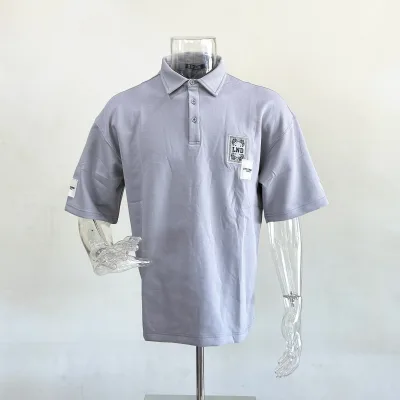


OEM Custom Embroidered Logo Men's Polo Shirt Printed Casual Men's T-Shirt
$8.19 - $10.98
MOQ: 50 Pieces


Comprehensive Sourcing Guide
Embroidered Regular Fit Polo Shirt Sourcing Guide
Sourcing embroidered regular fit polo shirts requires a strategic balance between aesthetic customization and functional garment performance. Buyers must navigate a market where digital printing, embroidery, and hot fix embellishments are common decoration methods, allowing for diverse brand expression. The regular fit silhouette offers a versatile canvas for corporate branding, sports teams, and promotional campaigns, ensuring comfort and mobility for the wearer. Understanding the interplay between fabric choice and embroidery technique is critical, as dense stitching can affect the drape and breathability of the final product.
Procurement teams should prioritize suppliers who offer robust OEM and ODM capabilities, as indicated by industry standards for this category. The ability to accept customized designs and logos is a fundamental requirement for most B2B buyers seeking unique brand identity. Verification of production capacity and quality control processes is essential, particularly when dealing with high-volume orders. Buyers must ensure that the supplier’s infrastructure supports consistent stitch quality and fabric integrity, preventing issues like puckering or distortion that can arise from improper embroidery tension or unsuitable material blends.
Product Scope and Observed Listing Signals
The current market landscape for polo shirts reveals a diverse range of specifications, with observed price points varying significantly based on material and decoration complexity. Listings indicate a broad spectrum of options, including polyester and cotton blends, catering to different budget constraints and performance needs. The observed minimum order quantities (MOQ) typically range from small batches to larger industrial orders, reflecting the flexibility of modern manufacturing hubs. Buyers should note that while some suppliers offer low MOQs for sampling, bulk production often requires higher commitments to achieve optimal unit economics.
Seasonal variations and gender-specific designs further complicate the sourcing landscape, with products marketed for spring, summer, and unisex audiences. Attributes such as short sleeve lengths, polo neck collars, and solid color patterns are prevalent, providing a classic aesthetic suitable for various industries. The presence of compression features and moisture absorption technologies in some listings suggests a growing demand for performance-oriented polos. Buyers must carefully cross-reference these observed signals with their specific requirements, ensuring that the selected supplier can deliver the exact combination of fit, fabric, and finish desired for their target demographic.
Technical Specifications to Verify
Verifying technical specifications is paramount to ensuring the final product meets quality expectations and functional requirements. Buyers should confirm the exact fabric composition, whether it is pure cotton, polyester, or a blend, as this directly impacts durability, shrinkage, and comfort. The sleeve length and style, whether short or long, must align with the intended use case, such as golf, sports, or general retail. Additionally, the collar construction and stitching quality should be inspected to ensure they withstand repeated washing and wear without losing shape or integrity.
Embroidery techniques vary widely, with digital off-set printing, embroidery, and hot fix embellishments being common options. Each method has distinct advantages and limitations regarding cost, durability, and visual impact. Buyers must verify the stitch density, thread quality, and placement accuracy to prevent issues like thread breakage or misalignment. Furthermore, size standards should be confirmed, as some suppliers offer customized sizing while others adhere to standard codes. Ensuring that the garment’s fit matches the brand’s sizing chart is crucial to minimizing returns and customer dissatisfaction.
Compliance and Safety Documentation
Compliance with international safety and environmental standards is non-negotiable for reputable B2B procurement. Buyers must request documentation verifying that the fabrics and dyes used in production meet relevant regulatory requirements, such as REACH or CPSIA, depending on the target market. This includes ensuring that no harmful substances are present in the materials or the embroidery threads. Suppliers should provide test reports from accredited laboratories to substantiate their claims regarding chemical safety and material integrity.
Additionally, labor compliance and ethical manufacturing practices are increasingly important considerations for global brands. Buyers should inquire about the supplier’s adherence to social responsibility standards, such as fair labor practices and safe working conditions. Certifications like ISO or industry-specific audits can provide assurance that the supplier maintains high ethical standards. It is also advisable to verify the supplier’s ability to provide traceability documentation, ensuring that the supply chain is transparent and free from forced labor or other unethical practices.
Cost Drivers and Commercial Terms
Understanding the cost drivers associated with embroidered polo shirts is essential for accurate budgeting and negotiation. Key factors include the complexity of the embroidery design, the quantity of stitches, and the type of thread used. Larger or more intricate logos will inevitably increase production costs due to the additional time and resources required. Fabric quality and composition also play a significant role, with premium materials commanding higher prices. Buyers should request detailed cost breakdowns to understand how each element contributes to the final unit price.
Commercial terms, including payment methods, shipping options, and lead times, must be clearly defined in the contract. Suppliers may offer various transportation methods, such as express, air, or sea freight, each with different cost and time implications. MOQs can vary significantly, so buyers should negotiate terms that align with their inventory management strategy. It is also important to clarify responsibilities for customs clearance, duties, and insurance. Establishing clear communication channels and contingency plans for potential delays can help mitigate risks and ensure timely delivery.
Supplier Qualification and Quality Control
Supplier qualification involves a thorough assessment of their manufacturing capabilities, quality control processes, and track record. Buyers should conduct on-site audits or request virtual tours to verify the supplier’s infrastructure and production capacity. Evaluating their quality control protocols, including in-line inspections and final random inspections, is crucial to ensuring consistent product quality. Suppliers with robust QC systems are more likely to deliver products that meet specified standards and minimize defects.
Building a strong relationship with the supplier is also important for long-term success. Buyers should assess the supplier’s responsiveness, communication skills, and willingness to accommodate custom requests. A supplier who proactively addresses potential issues and offers constructive feedback can be a valuable partner. Additionally, reviewing past client testimonials and case studies can provide insights into the supplier’s reliability and performance. Establishing clear performance metrics and regular review meetings can help maintain high standards and foster continuous improvement.
Long-Term Procurement Checks
Long-term procurement success depends on continuous monitoring and evaluation of supplier performance. Buyers should establish key performance indicators (KPIs) to track metrics such as on-time delivery, defect rates, and responsiveness to issues. Regular performance reviews can help identify areas for improvement and reinforce accountability. Maintaining open lines of communication and providing constructive feedback can help strengthen the partnership and drive mutual growth.
Adapting to market changes and evolving customer preferences is also essential for long-term relevance. Buyers should stay informed about industry trends, such as sustainable materials and innovative decoration techniques, to remain competitive. Regularly updating product specifications and exploring new supplier options can help mitigate risks and ensure access to the best available resources. By maintaining a proactive approach to procurement, buyers can build a resilient supply chain that supports their brand’s growth and success in the dynamic apparel market.
FAQs
What materials are used for embroidered polo shirts?
The primary materials include polyester and cotton. Polyester options offer quick-dry and breathable features suitable for sports. Cotton variants provide softness and comfort for casual wear. Both materials support digital printing, embroidery, and hot fix embellishments for custom designs.
Can I customize the logo on these polo shirts?
Yes, customized designs are available through OEM and ODM services. You can choose from digital off-set printing, embroidery, or hot fix embellishments. The brand label can be your own or the supplier's brand, allowing for full personalization of the garment for your specific needs.
What is the minimum order quantity for these shirts?
The standard minimum order quantity is 300 pieces. However, observed ranges indicate flexibility from 1 to 1000 units depending on the specific supplier and product model. Buyers should confirm the exact MOQ with the manufacturer to ensure it aligns with their procurement volume requirements.
Which sizes are available for these polo shirts?
Standard sizing includes seven different sizes ranging from S to 4XL. Customized sizes are also available to meet specific fit requirements. The shirts are designed for both men and women, offering a versatile fit suitable for various body types and age groups including adults.
How are the polo shirts packaged for shipping?
Each piece is typically packed in one polybag. For bulk shipping, they are placed in cartons. Some suppliers use a polybag plus carton combination. This packaging ensures protection during transit and facilitates easy storage and distribution for retailers or promotional campaigns.
What transportation methods are used for delivery?
Products can be shipped by express door-to-door, by air, or by sea. The choice depends on the urgency and volume of the order. Express shipping is ideal for small, urgent batches, while air and sea freight are suitable for larger orders to optimize logistics costs.