Source Breathable Varsity Jacket for streetwear, school, and events
Explore 30 options for a Breathable Varsity Jacket featuring cotton, polyester blends, and custom logos. Buyers can compare styles, sizes, and OEM services from verified Chinese manufacturers to find the right fit for casual or team wear; compare the available evidence and request quotations based on your requirements.
Key considerations
Products List


Men's Cotton Blend Baseball Jacket Spring Varsity Coat Lightweight Breathable
$3.50 - $18.00
MOQ: 50 Pieces


Breathable Cotton Blend Men's Varsity Jacket Baseball Coat Lightweight Design
$3.50 - $18.00
MOQ: 50 Pieces


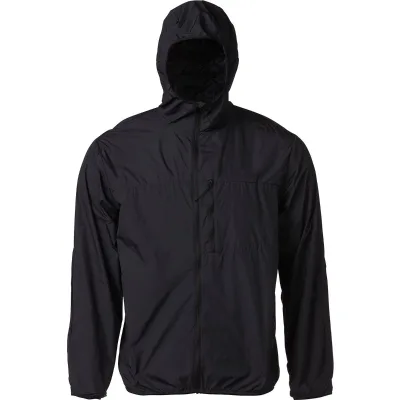

Custom Youth Polyester Autumn Fashion Outer Wear Baseball Varsity Jacket
$16.00 - $20.00
MOQ: 1 Pieces


Custom Logo Casual Outer Wear College Sports Baseball Mens Varsity Jacket
$16.00 - $20.00
MOQ: 1 Pieces


High Quality Customized Bomber Jacket, Cotton Varsity Jacket and Baseball Jacket
$12.00 - $23.00
MOQ: 100 piece
Comprehensive Sourcing Guide
Breathable Varsity Jacket Sourcing Guide
Sourcing breathable varsity jackets requires balancing traditional aesthetic cues with modern performance fabrications that ensure wearer comfort during variable weather conditions. Buyers must distinguish between classic wool-blend bodies with leather sleeves and contemporary iterations that prioritize moisture management and thermal regulation. The market offers diverse options ranging from heavy winter-weight garments to lighter spring-autumn layers, each demanding specific material verification to meet functional expectations. Understanding these distinctions is critical for aligning product selection with target demographic needs and seasonal usage patterns.
Procurement teams should evaluate the interplay between outer shell materials and inner linings to guarantee the advertised breathability claims hold true in practical use. While traditional varsity styles often rely on dense weaves for structure, modern variants may incorporate polyester-cotton blends or specialized coatings to enhance airflow and water resistance. This guide outlines the essential technical, commercial, and compliance factors necessary for securing reliable supply chains that deliver consistent quality and performance across large-scale orders.
Product Scope and Observed Listing Signals
The current market landscape for varsity jackets reveals a wide spectrum of material compositions and design attributes tailored to different consumer segments. Observed listings indicate a prevalence of cotton and polyester-cotton blends, with some products featuring specific constructions such as inner polyester and outer cotton layers to balance durability with comfort. These material choices directly influence the garment’s breathability, weight, and suitability for various climates, ranging from winter insulation to spring-autumn versatility. Buyers must carefully review these material specifications to ensure the selected jackets align with their intended seasonal and functional requirements.
Gender-specific and unisex designs are widely available, with options catering to men, women, and general adult populations. The style category often extends beyond traditional athletic wear into high street fashion, incorporating elements like embroidered logos, plaid patterns, and customizable color schemes. Some listings highlight features such as windproof, waterproof, and anti-static properties, suggesting a shift towards multi-functional outerwear. Understanding these diverse product signals helps buyers navigate the extensive catalog of available options and identify suppliers who can meet specific aesthetic and performance criteria.
Technical Specifications to Verify
Verifying technical specifications is paramount to ensuring the varsity jackets meet the required performance standards and fit expectations. Buyers should confirm the fabric weight, often measured in GSM, as this metric directly impacts the garment’s warmth, durability, and breathability. Listings may specify weights such as 350 GSM or ranges like 180-280 GSM, indicating varying levels of insulation and structure. Additionally, size availability, including standard measurements like S and M or free-size options, must be validated to prevent sizing discrepancies in bulk orders.
Construction details such as embroidery techniques, zipper quality, and seam integrity are critical for assessing overall product longevity. Some suppliers offer customized logo printing and OEM services, allowing for brand-specific customization. It is essential to verify the accuracy of these customization options and ensure that the technical execution matches the design proofs. Furthermore, checking the specific model numbers and product codes provided by suppliers can help in tracking orders and maintaining consistency across multiple purchases.
Compliance and Safety Documentation
Compliance with international safety and quality standards is non-negotiable for varsity jackets intended for global markets. Buyers must request relevant documentation to verify that the materials and manufacturing processes adhere to regulations regarding flammability, chemical safety, and environmental impact. Although specific certification statuses may vary by supplier, it is crucial to ensure that the garments do not contain harmful substances and meet the safety requirements of the destination country. This due diligence protects the brand from legal liabilities and ensures consumer safety.
Documentation should also include details on the manufacturing origin and any relevant industry standards met during production. Suppliers based in regions like Nanchang City, Jiangxi Province, China, may have access to specific testing facilities and quality control protocols. Buyers should inquire about the testing procedures used to validate claims such as windproof, waterproof, and anti-UV properties. Requesting third-party test reports or compliance certificates can provide additional assurance of the product’s quality and safety, facilitating smoother customs clearance and market entry.
Cost Drivers and Commercial Terms
Understanding the cost drivers associated with varsity jackets is essential for effective budgeting and negotiation. Factors such as material composition, customization complexity, and order volume significantly influence the final price. Listings show a wide price range, reflecting the diversity in quality and features. Buyers should analyze the cost breakdown to identify areas where savings can be achieved without compromising quality, such as optimizing material choices or streamlining customization processes.
Commercial terms, including minimum order quantities (MOQ) and payment conditions, vary among suppliers. MOQs can range from small batches to large volumes, impacting inventory management and cash flow. It is important to negotiate terms that align with the buyer’s sales forecast and storage capabilities. Additionally, shipping methods and packaging requirements, such as carton or sea transportation, should be clarified to avoid unexpected logistics costs. Clear communication of these terms ensures a transparent and mutually beneficial procurement process.
Supplier Qualification and Quality Control
Supplier qualification is a critical step in mitigating risks and ensuring consistent product quality. Buyers should conduct thorough due diligence to assess the supplier’s manufacturing capabilities, quality control systems, and track record. This includes verifying their experience in producing varsity jackets and their ability to meet specific technical and aesthetic requirements. Engaging with suppliers who offer OEM services and customization options can provide flexibility in meeting unique brand needs.
Implementing robust quality control measures is essential to maintain product standards throughout the production process. Buyers should establish clear quality benchmarks and conduct regular inspections, either in-house or through third-party agencies. This includes checking for defects in stitching, embroidery, and material consistency. Establishing a feedback loop with the supplier to address any issues promptly can help prevent large-scale defects and ensure that the final products meet the agreed-upon specifications.
Long-Term Procurement Checks
Long-term procurement success depends on continuous monitoring and evaluation of supplier performance and market trends. Buyers should regularly review supplier metrics, such as on-time delivery rates, defect rates, and responsiveness to issues. This ongoing assessment helps identify potential risks and opportunities for improvement in the supply chain. Building strong relationships with reliable suppliers can lead to better pricing, priority production, and collaborative innovation in product design.
Staying informed about industry trends and consumer preferences is crucial for maintaining a competitive edge. This includes monitoring changes in material technologies, design aesthetics, and sustainability practices. Buyers should periodically reassess their product offerings to ensure they remain relevant and appealing to their target audience. By integrating these long-term checks into their procurement strategy, buyers can ensure sustained growth and resilience in the dynamic varsity jacket market.
FAQs
What materials are used for breathable varsity jackets?
These jackets typically use cotton or polyester blends. Some options feature an inner layer of 100% polyester with an outer layer of 100% cotton. This combination ensures breathability while maintaining the classic varsity style required for adult wear.
Can I customize the logo on these jackets?
Yes, customized logo printing is available for these products. Suppliers offer OEM services allowing you to add your specific branding. This customization option applies to various styles including high street and casual jacket designs for both men and women.
Which seasons are these jackets suitable for?
These jackets are designed for spring, autumn, and winter seasons. The fabric choices and features like windproofing make them versatile for cooler weather. You can find options specifically tailored for winter use with added thermal properties.
What is the minimum order quantity for these jackets?
The minimum order quantity ranges from one to five hundred units depending on the supplier. Some vendors accept small orders starting at one piece, while others may require larger volumes. Check specific listings for exact MOQ requirements before placing an order.
How are these jackets packed for shipping?
Packaging methods include sea transportation and carton packing. Suppliers typically use cartons to protect the garments during transit. This ensures the jackets arrive in good condition regardless of the destination or the specific shipping method selected by the buyer.
Are these jackets available in different sizes?
Yes, sizes range from small to free size options. Specific models come in standard sizes like S and M, while others offer a free size fit. This variety ensures that both men and women can find a suitable fit for their needs.
What features do these jackets offer?
Features include windproof, waterproof, breathable, and anti-static properties. Some models also offer moisture-wicking and flame-retardant capabilities. These functional attributes make the jackets suitable for various outdoor activities while maintaining comfort and style for daily wear.