Source Eco Friendly Waterproof Zipper Hoodie for Travel, Outdoor, Daily
Compare 30 listings for Eco Friendly Waterproof Zipper Hoodie options featuring cotton materials, custom logos, and breathable designs. Buyers can evaluate suppliers offering OEM support, various sizes, and seasonal styles for outdoor, home, and travel use; compare the available evidence and request quotations based on your requirements.
Key considerations
Products List


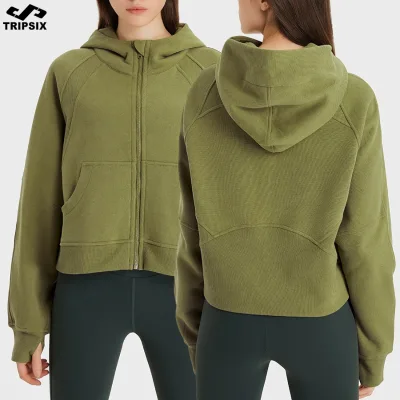
Special Designed Hoodie High Zipper Collar Long Sleeve Warm Casual Hoodies
$22.40 - $25.00
MOQ: 10 Pieces




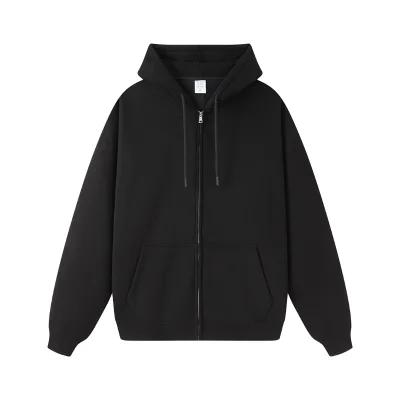
Custom Mens Sport Zipper Hoodies Blank Cotton Zip up Pullover Hoodies for Unisex
$7.58 - $8.98
MOQ: 500 Pieces

Comprehensive Sourcing Guide
Eco Friendly Waterproof Zipper Hoodie Sourcing Guide
Sourcing eco-friendly waterproof zipper hoodies requires balancing sustainable material choices with functional performance standards. Buyers must navigate a market where "eco-friendly" often refers to recycled cotton or polyester blends, while waterproofing relies on durable water-repellent (DWR) finishes or laminated membranes. The core challenge lies in verifying that the garment maintains breathability without compromising its weather-resistant properties, ensuring the product meets both environmental claims and practical outdoor utility.
Procurement teams should prioritize suppliers who offer transparent material traceability and clear customization options. Since many manufacturers support OEM/ODM services, buyers can tailor hoodies to specific brand identities while adhering to sustainability goals. It is crucial to distinguish between generic marketing terms and verified material compositions, such as 100% cotton or specific polyester blends, to ensure the final product aligns with corporate social responsibility targets and customer expectations for durable, weather-ready apparel.
Product Scope and Observed Listing Signals
The current market landscape for these garments reveals a diverse range of product models, including specific identifiers like GJ24-705, HNC20220120-60, and MIC030027. Listings indicate a strong emphasis on customization, with options for custom colors, logos, labels, and tags. The observed price range spans from $0.50 to $30.55 USD, reflecting variations in material quality, complexity of waterproofing, and order volume. Minimum order quantities (MOQs) typically range from 1 to 500 pieces, allowing flexibility for both small batch testing and large-scale production runs.
Key product attributes frequently highlighted include unisex sizing, pullover or half-zipper styles, and features such as windbreak, rip-stop, and moisture-wicking capabilities. Many suppliers offer products suitable for outdoor, travel, and daily use, with seasons ranging from autumn/winter to spring. The presence of features like anti-UV and anti-static properties suggests a focus on high-performance utility. Buyers should note that while "eco-friendly" is a common descriptor, specific material certifications are not always explicitly listed in standard product tags, requiring deeper inquiry.
Technical Specifications to Verify
Verifying the technical integrity of the waterproof zipper and fabric construction is paramount for long-term product durability. Buyers must confirm the type of waterproofing technology used, whether it is a DWR coating, a laminated membrane, or a tightly woven fabric structure. It is essential to assess the breathability rating to prevent condensation buildup inside the garment during active use. Suppliers often list features like quick-drying and moisture-wicking, but these claims should be validated against actual fabric weight and weave density specifications.
Material composition is another critical verification point, with options ranging from 100% cotton to 100% polyester or blended fabrics. Cotton offers comfort and a natural feel but may require treatment to achieve true water resistance, whereas polyester provides inherent durability and faster drying times. Buyers should request detailed fabric specifications, including GSM (grams per square meter) and thread count, to ensure the hoodie meets the desired balance of warmth, weight, and weather protection. Additionally, verifying the quality of the zipper mechanism, such as rust-resistant coatings, is vital for maintaining functionality in wet conditions.
Compliance and Safety Documentation
Ensuring compliance with international safety and environmental standards is a non-negotiable aspect of responsible sourcing. Buyers should request documentation for relevant certifications, such as OEKO-TEX or GOTS, which verify the absence of harmful substances and adherence to organic farming practices. Although these certifications are mentioned in background data, their specific application to each product batch must be confirmed with the supplier. This step protects brands from regulatory risks and aligns with growing consumer demand for transparent, safe, and ethically produced apparel.
Beyond material safety, buyers must verify that the manufacturing processes adhere to labor standards and environmental regulations in the country of origin, such as China or Shanghai. Documentation should include details on chemical management systems, particularly regarding the DWR finishes used for waterproofing, ensuring they are PFC-free if required by brand policy. Requesting third-party audit reports or factory compliance certificates provides additional assurance that the production environment meets ethical and operational benchmarks, safeguarding the brand’s reputation and supply chain integrity.
Cost Drivers and Commercial Terms
Understanding the factors that influence pricing is essential for accurate budgeting and negotiation. Key cost drivers include the complexity of customization, such as embroidery versus print logos, the type of waterproofing technology employed, and the volume of the order. Higher MOQs often result in lower unit prices, but buyers must balance this with inventory risk. The observed MOQ range of 1 to 500 pieces allows for strategic ordering, where smaller initial orders can test market response before committing to larger production runs.
Commercial terms also play a significant role in the total cost of ownership. Suppliers may require a 40% deposit with the 60% balance due before shipping, which impacts cash flow planning. Buyers should clarify shipping methods, whether by express, air, or sea, as these choices affect lead times and logistics costs. Additionally, sample times of 10-15 days should be factored into the overall procurement timeline. Clear communication regarding payment terms and shipping responsibilities ensures there are no hidden costs or delays that could disrupt the supply chain.
Supplier Qualification and Quality Control
Selecting a reliable supplier involves rigorous qualification and ongoing quality control measures. Buyers should assess the supplier’s capability to handle OEM/ODM requests, ensuring they have the technical expertise to produce customized hoodies that meet specific design and functional requirements. Verifying the supplier’s production capacity and consistency is crucial, especially when dealing with complex features like waterproof zippers and multi-layer constructions. Requesting references or case studies from previous clients can provide insight into the supplier’s reliability and product quality.
Implementing a robust quality control process is essential to mitigate risks associated with bulk production. Buyers should define clear acceptance criteria for defects, such as stitching errors, zipper malfunctions, or uneven waterproofing. Conducting pre-shipment inspections or hiring third-party inspection services can help identify issues before the goods leave the factory. Additionally, establishing a clear communication channel for addressing quality concerns ensures that any deviations from the agreed specifications are promptly resolved, maintaining the integrity of the final product and customer satisfaction.
Long-Term Procurement Checks
Establishing long-term procurement relationships requires continuous monitoring and evaluation of supplier performance. Buyers should regularly review key performance indicators, such as on-time delivery rates, product quality consistency, and responsiveness to issues. Maintaining open communication with suppliers facilitates collaborative problem-solving and fosters a partnership approach to sourcing. Regular audits and feedback loops help identify areas for improvement and ensure that the supplier remains aligned with the buyer’s evolving needs and standards.
As market trends and sustainability expectations evolve, buyers must stay informed about new materials, technologies, and regulatory changes. This proactive approach allows for timely adjustments in sourcing strategies and product designs. By continuously evaluating the supply chain’s resilience and adaptability, buyers can mitigate risks and capitalize on opportunities for innovation. Long-term success in sourcing eco-friendly waterproof zipper hoodies depends on building a flexible, transparent, and high-performing supply chain that delivers value and quality consistently over time.
FAQs
Can I customize the hoodie with my own logo and colors?
Yes, customization is available for logos and colors. You can choose print or embroidery for the logo and select custom colors to match your brand identity. The product supports OEM and ODM services, allowing for tailored designs that meet specific aesthetic requirements for your target audience.
What is the minimum order quantity for this hoodie?
The minimum order quantity is 200 pieces per design. This MOQ applies to the long sleeve cotton zipper jacket variant. Buyers should note that different product models may have varying requirements, so confirming the specific model details with the supplier is recommended before placing the order.
What materials are used to make this waterproof hoodie?
The hoodie is primarily made from cotton, with some variants using 100% polyester. The material is selected for comfort, softness, and breathability. These fabrics ensure the garment remains suitable for outdoor activities and daily wear while providing the necessary durability and functional performance expected from high-quality outerwear.
How long does it take to produce a sample?
The sample time is typically 10 to 15 days. This duration allows for the creation of a prototype that reflects your custom specifications, including logo placement and color choices. Once the sample is approved, the bulk production process can begin, ensuring the final products meet your quality standards.
What payment terms are required for bulk orders?
The payment term requires a 40% deposit and a 60% balance before shipping. This standard structure ensures commitment from both parties. Buyers should arrange the initial deposit to initiate production and pay the remaining balance once the goods are ready for dispatch via express, air, or sea freight.
Is this hoodie suitable for outdoor activities in autumn?
Yes, the hoodie is designed for autumn and winter seasons, making it ideal for outdoor activities. It features waterproof and breathable properties, along with windbreak capabilities. The pullover style and comfortable fit ensure it is suitable for travel, going out, and daily wear in cooler weather conditions.